No-Battery Puzzle Games That Build Patience in Kids
A parent-focused guide to tactile, no-battery puzzle games for ages 6–8 that encourage focus, persistence, and calm problem-solving without screens, timers, or noisy distractions.
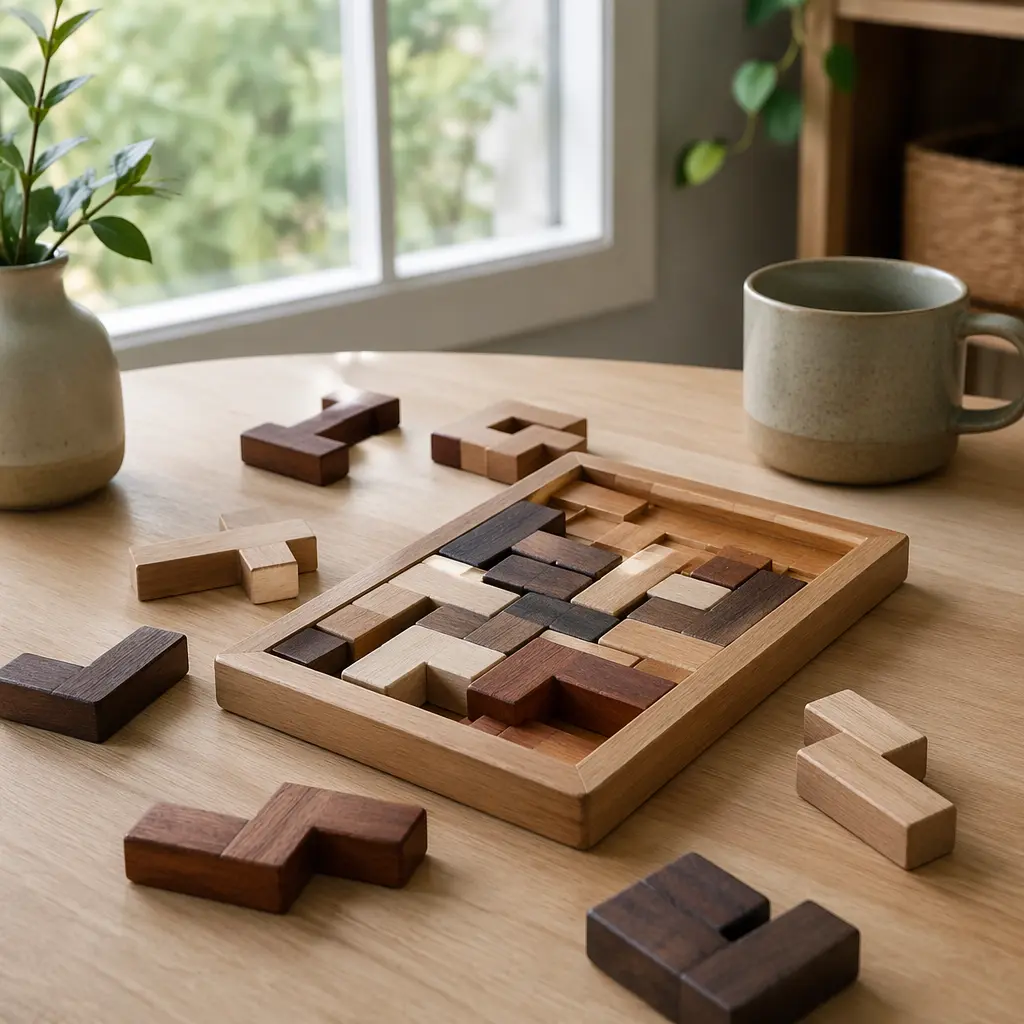
Compare prices and availability
Check current prices and availability for this guide on eBay.
As an eBay Partner, we may be compensated if you make a purchase.
Puzzle games that don’t rely on batteries can be powerful tools for helping kids build patience. Without flashing lights, countdown timers, or sound effects, these toys invite children to slow down, concentrate, and work through challenges at their own pace. For kids ages 6–8, tactile puzzles can hold attention surprisingly well while supporting problem-solving and emotional regulation.

What to look for
Not all puzzles encourage patience in the same way. Some are designed for quick wins, while others reward steady effort and thoughtful trial and error. When choosing a no-battery puzzle game, it helps to focus on features that promote calm engagement rather than speed.
- Open-ended challenges that allow multiple attempts without penalties
- Durable, tactile materials like wood, metal, or thick cardboard
- Clear goals without strict time pressure or scoring
- Progressive difficulty that keeps kids engaged as skills grow
- Pieces sized for comfortable handling by 6–8 year olds
Age suitability
Children between 6 and 8 years old are often ready for puzzles that require planning, sequencing, and sustained attention. At this age, kids can usually handle multi-step challenges and tolerate a bit of frustration without giving up right away. Look for puzzles that feel challenging but not overwhelming, with just enough complexity to encourage persistence.
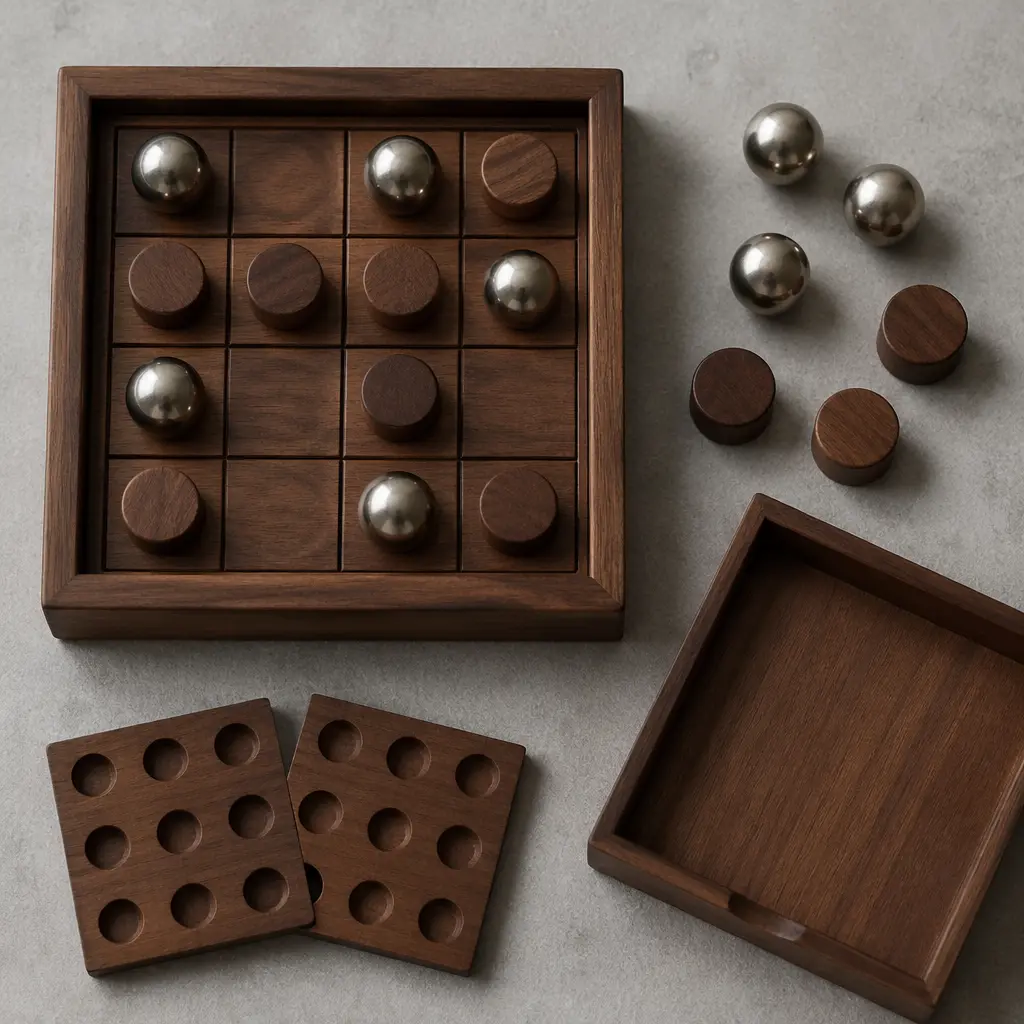
Standout categories or types
Several types of no-battery puzzle games are especially effective at building patience. These categories emphasize thoughtful problem-solving and encourage kids to stick with a task until they find a solution.
- Logic and brainteaser puzzles that require arranging pieces into a specific pattern
- Mechanical puzzles that involve sliding, rotating, or aligning parts
- Spatial puzzles that challenge kids to fit shapes together in limited space
- Sequential puzzles that must be solved in a particular order
- Cooperative puzzles designed for two or more players to solve together
Frequently asked questions
Why avoid battery-powered puzzle games?
Battery-powered games often rely on sounds, lights, or timers to keep kids engaged. While these features can be fun, they may also encourage rushed play or overstimulation. No-battery puzzles shift the focus to thinking, experimenting, and persistence instead of reacting quickly.
Will kids lose interest without sound or animation?
Many kids stay engaged longer with tactile puzzles because the challenge itself is rewarding. Physical pieces, weight, and texture can make the experience more satisfying than screen-based feedback, especially for children who enjoy hands-on activities.
How hard should a patience-building puzzle be?
The best level of difficulty is one that leads to small setbacks but eventual success. If a puzzle is solved instantly, it may not build patience. If it feels impossible, kids may give up. Adjustable or multi-level puzzles can help strike the right balance.
Are these puzzles good for solo play?
Yes, many no-battery puzzles are well suited for independent play. Others work well as shared challenges where kids take turns or collaborate, which can also build patience and communication skills.
No-battery puzzle games offer a calm, focused alternative to noisy or screen-based toys. By choosing puzzles that emphasize thoughtful effort and steady progress, parents can support patience and resilience in everyday play. Over time, these quiet challenges can help kids learn that sticking with a problem is often just as rewarding as solving it.