No-Battery Puzzle Toys That Build Focus in Young Kids
A parent-friendly guide to screen-free puzzle toys for ages 6–8 that support focus, patience, and problem-solving without batteries or apps.
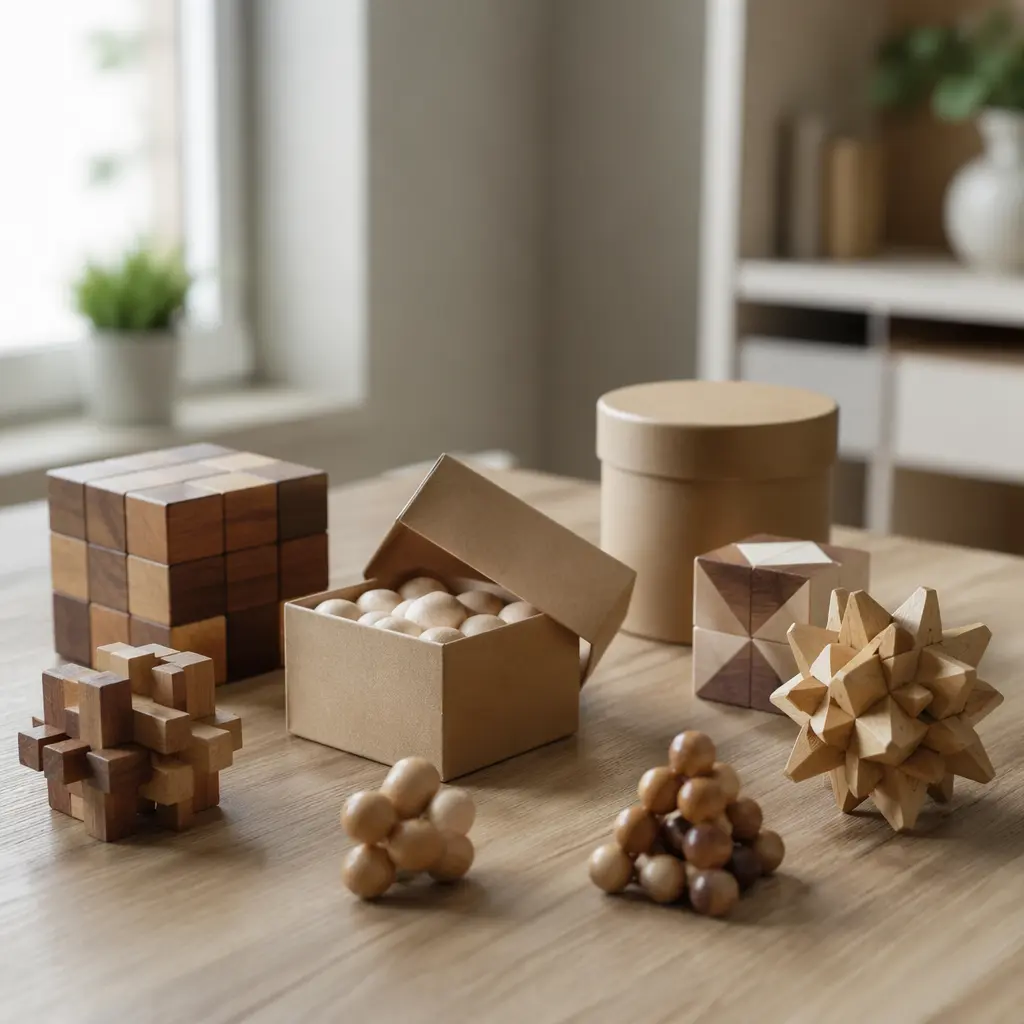
Compare prices and availability
Check current prices and availability for this guide on eBay.
As an eBay Partner, we may be compensated if you make a purchase.
For many families, puzzle toys are a quiet counterbalance to screens and fast-paced entertainment. Well-chosen, no-battery puzzles can help children ages 6–8 slow down, concentrate, and work through challenges step by step. These toys don’t light up or make noise, but they do encourage attention, persistence, and thoughtful problem-solving—skills that matter both in and out of the classroom.
What to look for
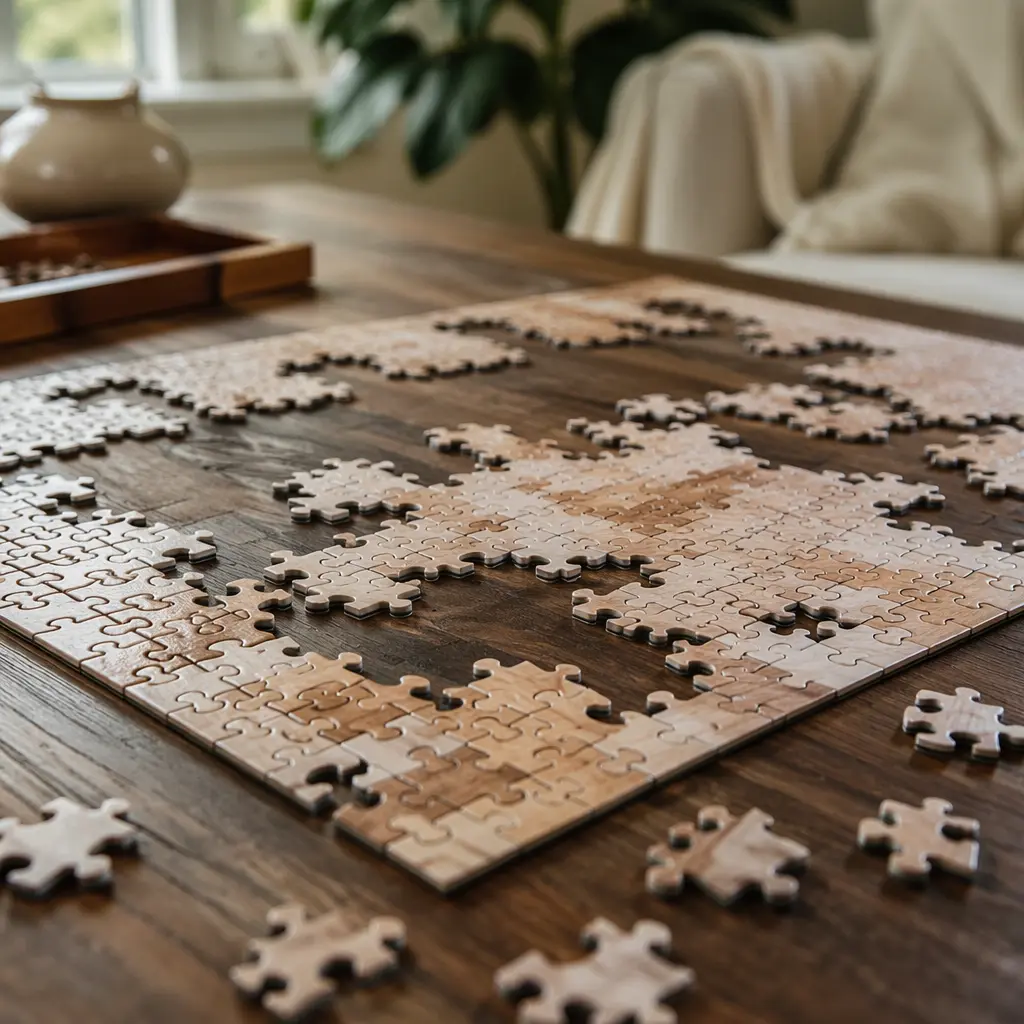
Not all puzzles support focus in the same way. For kids in the 6–8 age range, the goal is to find puzzles that are engaging enough to hold attention without being so difficult that they cause frustration. A few practical features can help parents narrow the options.
- Clear challenge and end goal: The child should understand what success looks like, even if getting there takes time.
- Appropriate difficulty: Look for puzzles that stretch thinking but still feel achievable with effort.
- Quality materials: Sturdy wood, thick cardboard, or durable plastic hold up to repeated use and allow kids to focus on the task, not broken pieces.
- Single-task design: One main challenge at a time helps children stay mentally organized.
- Replay value: Puzzles that can be reset or solved in multiple ways encourage longer-term use.
Age suitability
Between ages 6 and 8, children are developing longer attention spans and stronger reasoning skills. Many can follow multi-step directions, recognize patterns, and tolerate trial and error better than younger kids. Puzzles for this age often include more pieces, less obvious solutions, or added rules. Parents may still want to introduce a new puzzle alongside their child at first, then step back once the challenge is understood. The right level of independence can help build confidence as well as focus.
Standout categories or types
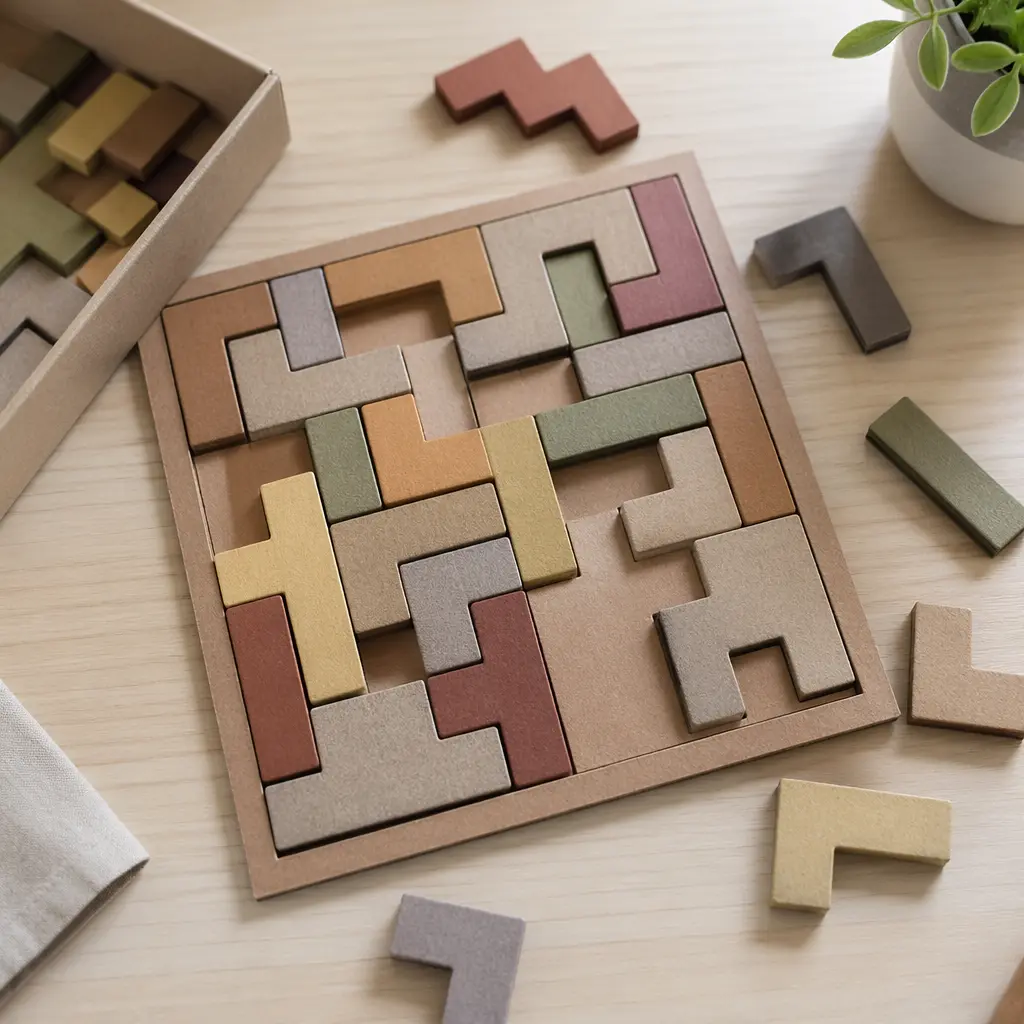
Different types of puzzles build focus in different ways. Some emphasize visual attention, while others lean into reasoning or spatial planning. Mixing a few styles can keep puzzle time fresh while still reinforcing patience and concentration.
- Jigsaw puzzles: Larger piece counts and detailed images encourage sustained attention and visual scanning.
- Logic and deduction puzzles: These ask kids to think ahead, test ideas, and learn from mistakes.
- Spatial and 3D puzzles: Building or fitting pieces in three dimensions strengthens planning and persistence.
- Pattern and sequence puzzles: Repeating shapes or colors help children practice recognizing order and structure.
- Tactile puzzles: Heavier or textured pieces slow the process and support mindful, hands-on problem-solving.
Frequently asked questions
How long should a child work on a puzzle?
There’s no single right answer. For many kids ages 6–8, 15–30 minutes of focused puzzle time is typical. Some children will happily work longer, especially if the puzzle is well matched to their ability. Short, regular sessions often build focus better than pushing for long stretches.
What if my child gets frustrated easily?
Frustration is part of learning, but it shouldn’t be overwhelming. Try choosing slightly easier puzzles at first, or break the challenge into smaller steps. Gentle encouragement and reminding children that mistakes are expected can help them stick with the task.
Are puzzle toys better than digital games for focus?
Physical, no-battery puzzles remove many distractions found in digital games, such as sound effects and pop-ups. This can make it easier for some children to settle into deep focus. That said, each child is different, and balance matters most.
How many puzzles should we have at home?
A small, rotating selection often works better than a large pile. Having a few puzzles available—and swapping them out every few weeks—can keep interest high without overwhelming a child with too many choices.
No-battery puzzle toys won’t demand attention the way screens do, but that’s part of their value. Over time, these quiet challenges can help children practice focus, patience, and problem-solving at their own pace. With thoughtful selection and realistic expectations, puzzle time can become a steady, screen-free habit that supports growing minds.