Best Simple Puzzle Toys for Babies 0–12 Months
A parent-friendly guide to simple, no-battery puzzle toys for babies 0–12 months. Learn what to look for, age suitability, safety tips, and common puzzle types that support early grasping and cause-and-effect.
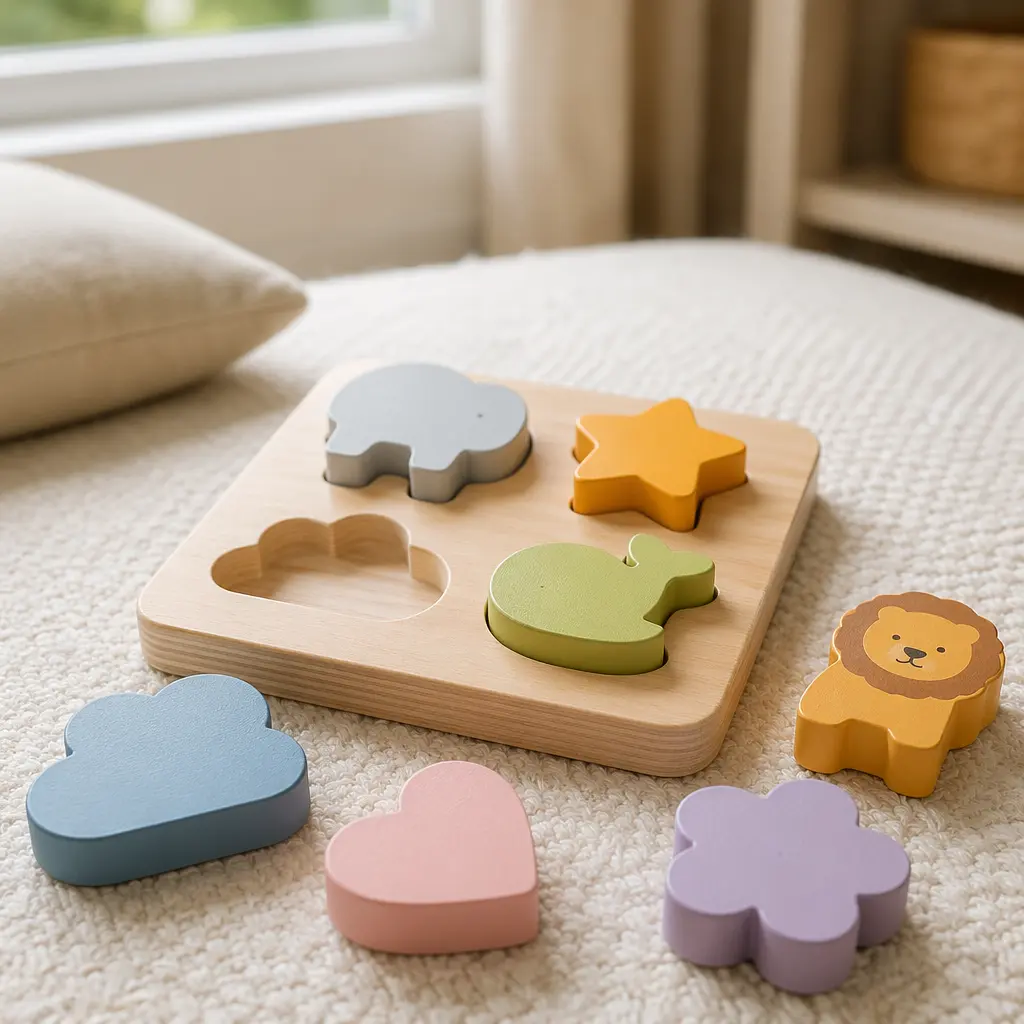
Compare prices and availability
Check current prices and availability for this guide on eBay.
As an eBay Partner, we may be compensated if you make a purchase.
Simple puzzle toys can play a quiet but meaningful role in a baby’s first year. For babies from birth to 12 months, the best puzzles are chunky, sturdy, and designed for hands that are still learning to grasp, hold, and explore. These toys are not about completing a picture or following rules. Instead, they support early cause-and-effect learning, sensory exploration, and basic motor skills in a safe, battery-free way. This guide explains what parents should look for, how age makes a difference, and which puzzle styles tend to work best for very young babies.
What to look for
Puzzle toys for babies under one year should be judged differently than puzzles for toddlers or preschoolers. At this stage, safety, simplicity, and sensory value matter far more than challenge level or educational claims on the box. The goal is to offer a toy that invites exploration without overwhelming a developing brain or body.
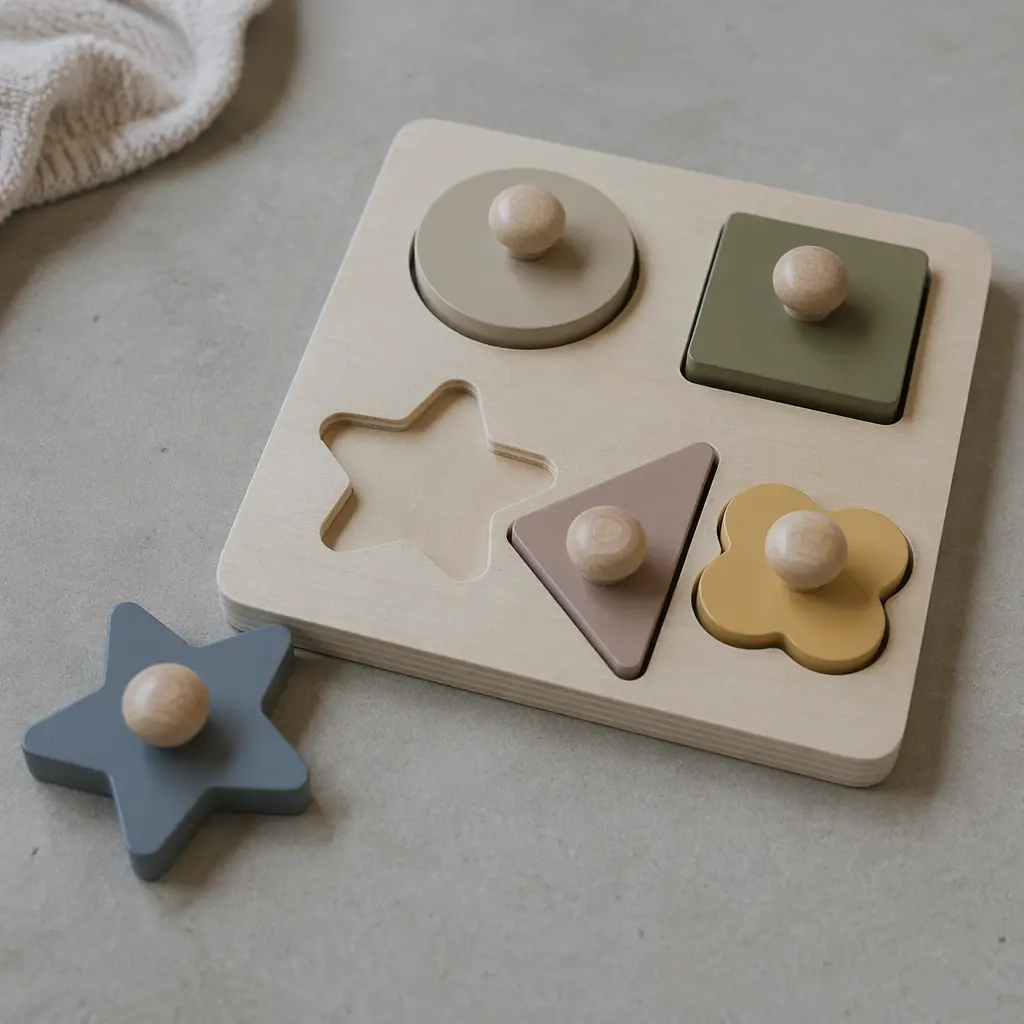
- Chunky pieces: Large, thick pieces are easier for small hands to grasp and harder to put in the mouth.
- Rounded edges: Smooth, rounded corners help reduce the risk of bumps or scratches during play.
- Non-toxic materials: Look for finishes and paints that are labeled baby-safe and free from harmful chemicals.
- Simple cause-and-effect: Pieces that fit into a single space or respond clearly when placed correctly help babies connect actions with outcomes.
- No batteries or electronics: Passive toys encourage open-ended play and remove concerns about noise, screens, or battery compartments.
Age suitability
Within the 0–12 month range, development changes quickly. Younger babies may only swipe at pieces, mouth them, or bang them together. That is normal and valuable. Around the middle of the first year, babies often begin to intentionally pick up larger pieces and explore how they move or feel. Closer to 9–12 months, some babies start attempting to place pieces into openings, though success is not the point. A good puzzle toy for this age range remains useful across these stages, supporting sensory play early on and simple problem-solving later.
Standout categories or types
Not all baby puzzles are the same. Some focus on shape recognition, while others emphasize texture or basic matching. For babies under one year, the most effective puzzle toys share a common trait: they limit choices and distractions. This allows babies to focus on one action at a time, such as lifting, placing, or turning a piece.
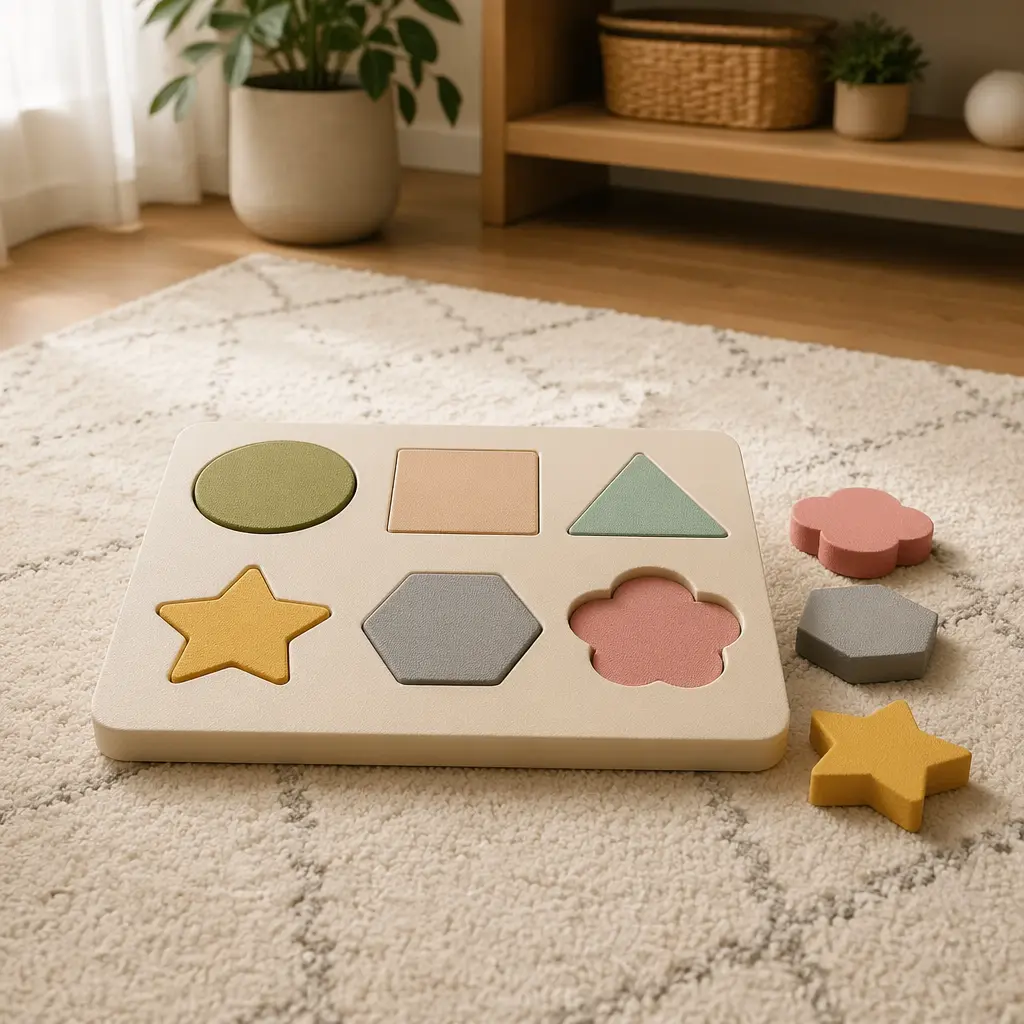
- Single-shape inset puzzles: These usually involve one piece fitting into one space, making them ideal for early cause-and-effect learning.
- Large-knob puzzles: Oversized knobs give babies something clear to grab, supporting early fine motor development.
- Soft or foam puzzles: Lightweight and gentle, these are useful for floor play and for babies who are still exploring with their mouths.
- Texture-based puzzles: Pieces with different surfaces, such as smooth and slightly rough, add sensory interest without added complexity.
Frequently asked questions
Are puzzle toys really useful for babies this young?
Yes, when expectations are realistic. Babies are not solving puzzles in the traditional sense, but they are learning through touch, movement, and repetition. Simple puzzles support grasping, hand-eye coordination, and early understanding of cause and effect.
How many pieces should a baby puzzle have?
For babies under 12 months, fewer pieces are generally better. One to three large pieces is often enough to encourage exploration without causing frustration or clutter.
Is wood or foam better for baby puzzles?
Both can work well. Wooden puzzles tend to be heavier and more durable, while foam puzzles are lighter and softer. The best choice depends on your baby’s age, strength, and how they tend to play.
When should a baby stop using simple puzzles?
There is no fixed end point. Many babies continue enjoying simple puzzles into toddlerhood, even as they gain access to more complex toys. Interest usually fades naturally as new skills develop.
Simple puzzle toys are a low-key but valuable addition to a baby’s play space. By choosing chunky, no-battery designs made from safe materials, parents can offer toys that grow with their child’s abilities throughout the first year. The right puzzle does not need to entertain for long stretches; it only needs to invite safe exploration and support early learning at a baby’s own pace.