Best Mechanical Puzzle Toys With No Batteries for Kids
A parent-friendly guide to classic mechanical puzzle toys for ages 6–8. Learn what to look for, age fit, safety tips, and popular puzzle types that build logic without screens or batteries.
Compare prices and availability
Check current prices and availability for this guide on eBay.
As an eBay Partner, we may be compensated if you make a purchase.
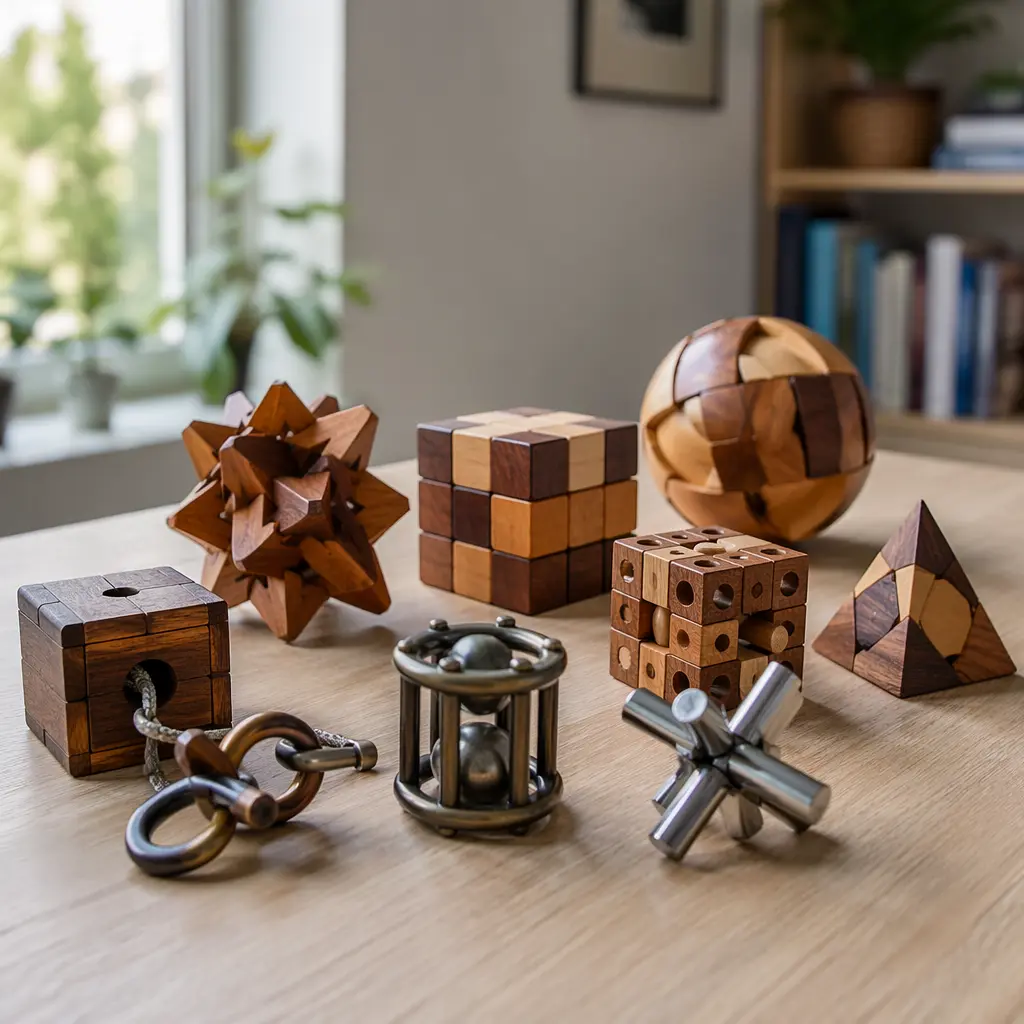
Mechanical puzzle toys are a throwback in the best way. With no batteries, screens, or sound effects, these hands-on challenges invite kids to slow down, think through problems, and learn by doing. For children ages 6–8, they can support growing logic skills, patience, and confidence while keeping playtime calm and focused.
What to look for
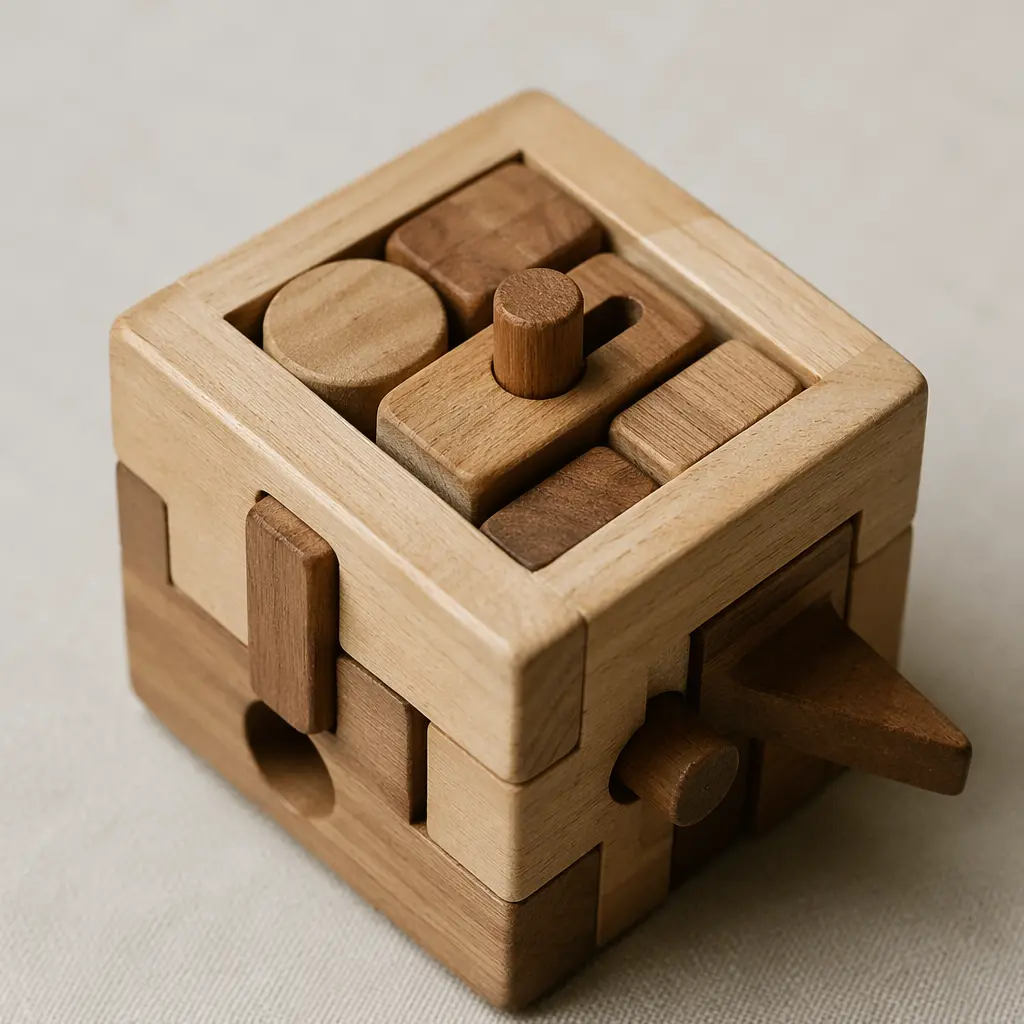
Not all mechanical puzzles are the same. Some emphasize spatial reasoning, others focus on sequencing or fine-motor control. When shopping, consider how the puzzle is built and how it will be used by a child in this age range.
- Material quality: Solid wood or smooth metal parts tend to last longer and feel better in small hands.
- Clear objective: Kids should understand what “solved” looks like, even if getting there takes time.
- Appropriate challenge: Look for puzzles that are tricky but not frustrating, with a learning curve kids can climb.
- Size and weight: Pieces should be large enough to handle comfortably without being bulky.
- Durability: Moving parts should slide or twist smoothly without pinching or sticking.
Age suitability
For ages 6–8, mechanical puzzles should balance challenge with achievability. At this stage, kids can follow multi-step processes, recognize patterns, and persist through trial and error. Puzzles labeled for younger children may feel too simple, while advanced adult puzzles can lead to frustration. Look for options that offer multiple solutions, adjustable difficulty, or replay value as skills improve.
Standout categories or types
Mechanical puzzles come in several classic styles, each supporting slightly different skills. Mixing types can keep interest high and challenge different ways of thinking.
- Interlocking puzzles: These require assembling or disassembling pieces in a precise order, helping with spatial reasoning.
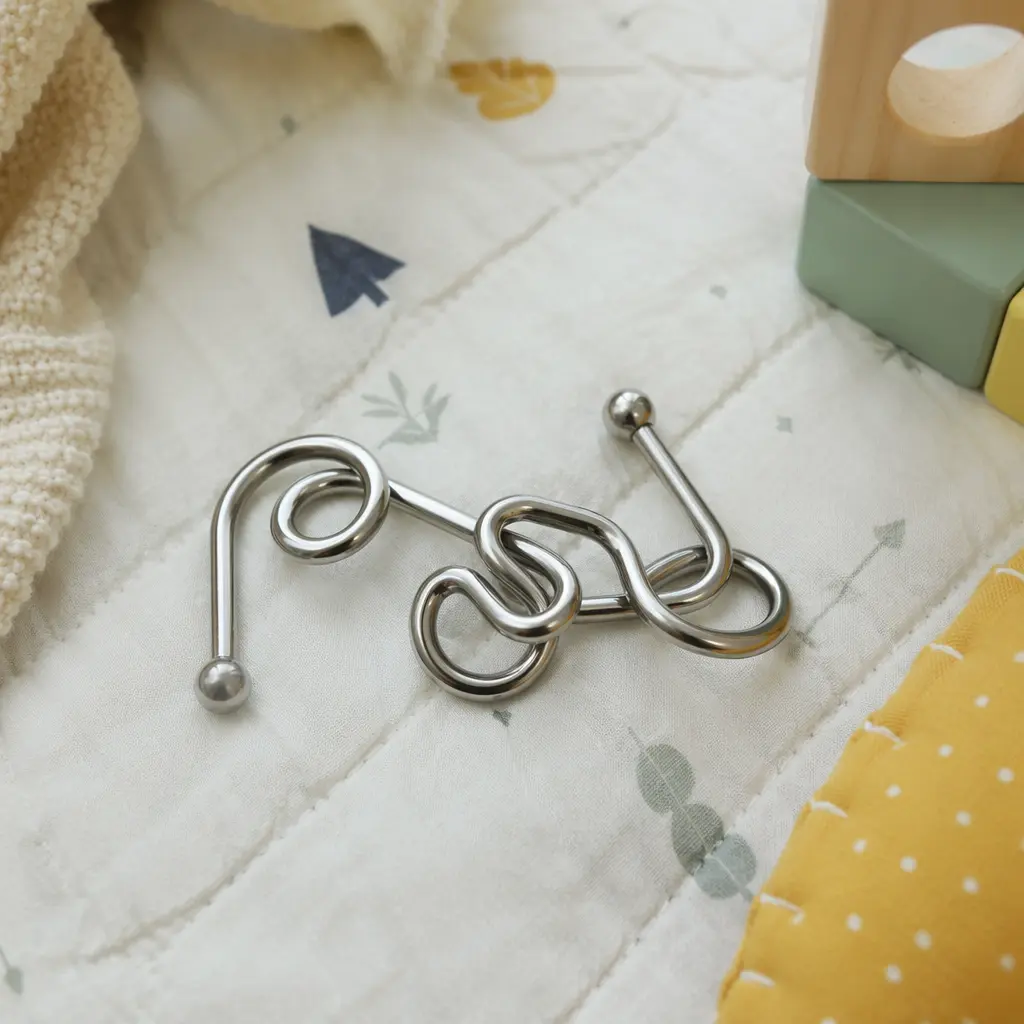
- Disentanglement puzzles: Often made of bent metal or rope-and-wood combinations, these focus on planning and foresight.
- Sliding block puzzles: Pieces move within a frame to reach a goal position, encouraging logical sequencing.
- Sequential opening boxes: Kids must discover a series of hidden steps to open or unlock a compartment.
- 3D assembly puzzles: Building a stable form from flat or modular pieces strengthens visual-spatial skills.
Frequently asked questions
Are mechanical puzzles educational?
Yes. These puzzles naturally support problem-solving, critical thinking, and perseverance. Because there are no instructions flashing on a screen, kids learn to test ideas, notice patterns, and adjust their approach.
How long will a child stay interested?
Interest varies by child and puzzle type. Many mechanical puzzles offer replay value because kids enjoy mastering them faster or teaching the solution to others. More complex designs can remain engaging over months or years.
Do these puzzles work for independent play?
Most are well-suited for independent play once a child understands the goal. Some families find that a brief introduction or hint helps kids get started, after which they can explore on their own.
What if my child gets frustrated?
Frustration is common and can be part of the learning process. Encourage short breaks, offer gentle hints rather than solutions, and remind kids that puzzles are meant to be challenging.
Mechanical puzzle toys show that engaging play does not require screens or batteries. By choosing well-made, age-appropriate puzzles, parents can offer kids a satisfying way to build logic, patience, and confidence—one thoughtful move at a time.