Best Puzzles for Kids Who Prefer Solo Quiet Play
A parent-focused guide to calm, solo-friendly puzzles for ages 9–12. Learn what to look for, age fit, and standout puzzle types that support focus without timers, noise, or competition.
Compare prices and availability
Check current prices and availability for this guide on eBay.
As an eBay Partner, we may be compensated if you make a purchase.
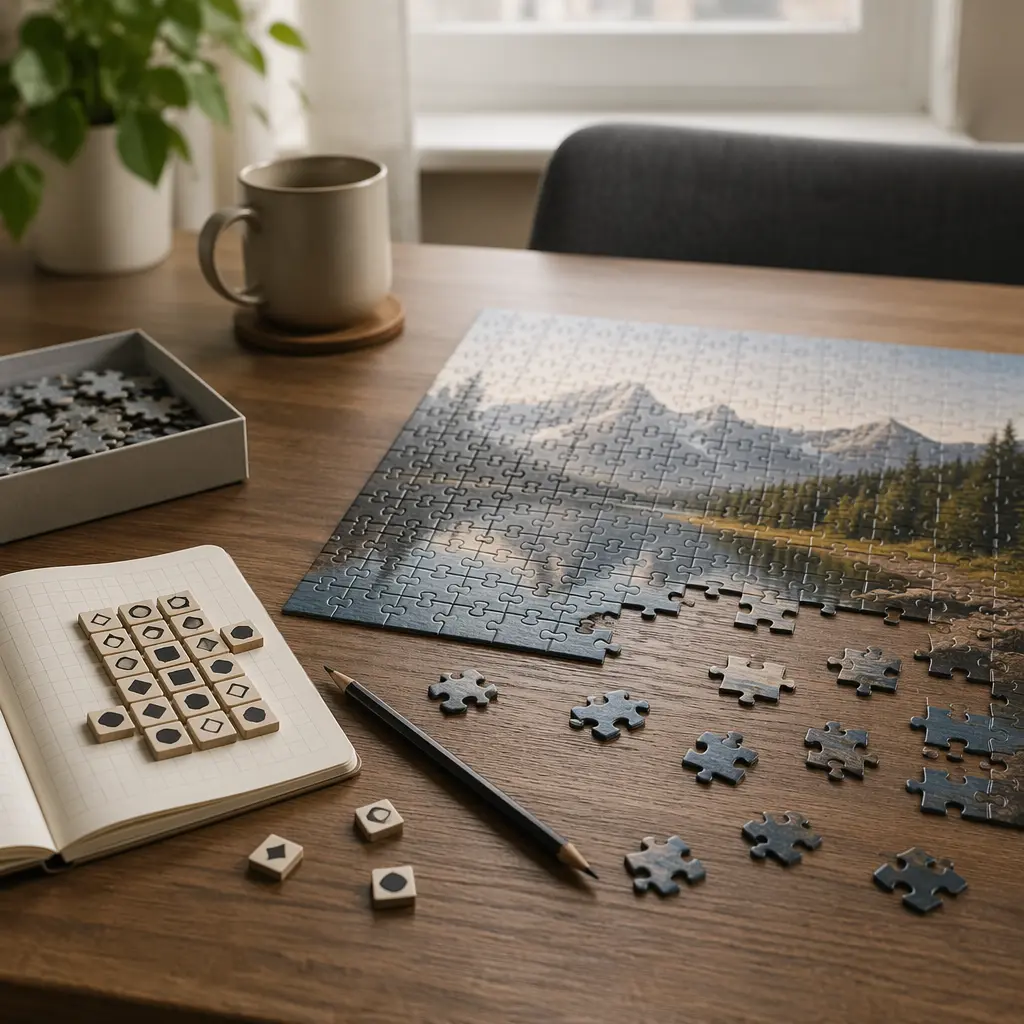
Some kids recharge best with quiet, independent activities. For children ages 9–12 who prefer solo play, puzzles can offer a calming way to focus, think deeply, and enjoy progress at their own pace. This guide highlights puzzle types designed for concentration rather than speed, noise, or competition, helping parents choose options that support calm engagement and thoughtful problem-solving.
What to look for
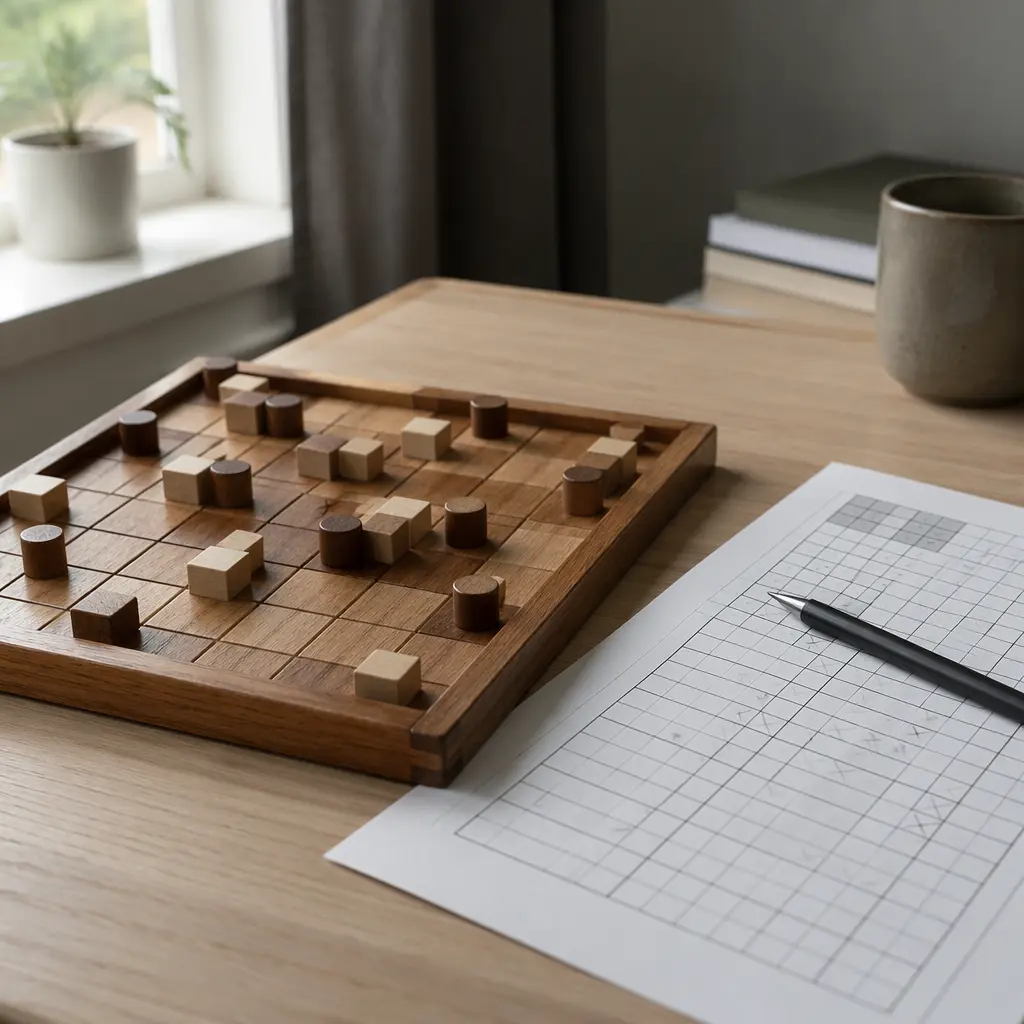
Quiet-play puzzles share a few key traits that make them especially appealing to kids who like working alone. The goal is sustained focus without pressure. When comparing options, look beyond age labels and consider how the puzzle feels to use day after day.
- No timers or scorekeeping: Open-ended solving encourages persistence without stress.
- Clear, self-contained rules: Kids should be able to understand the challenge without adult coaching.
- Single-player design: Avoid puzzles that assume turn-taking or competitive play.
- Durable materials: Thicker boards, tiles, or cards hold up to repeated solo use.
- Gradual difficulty: Levels or multiple challenges allow growth without abrupt frustration.
Age suitability
For ages 9–12, puzzles should strike a balance between challenge and approachability. At this stage, kids are ready for multi-step reasoning, pattern recognition, and longer attention spans, but they still benefit from clear feedback and achievable goals. Look for puzzles that can be completed in one sitting yet invite revisiting with harder variations. If a puzzle feels too simple, it may be abandoned quickly; if it feels overwhelming, it can add stress instead of calm.
Standout categories or types
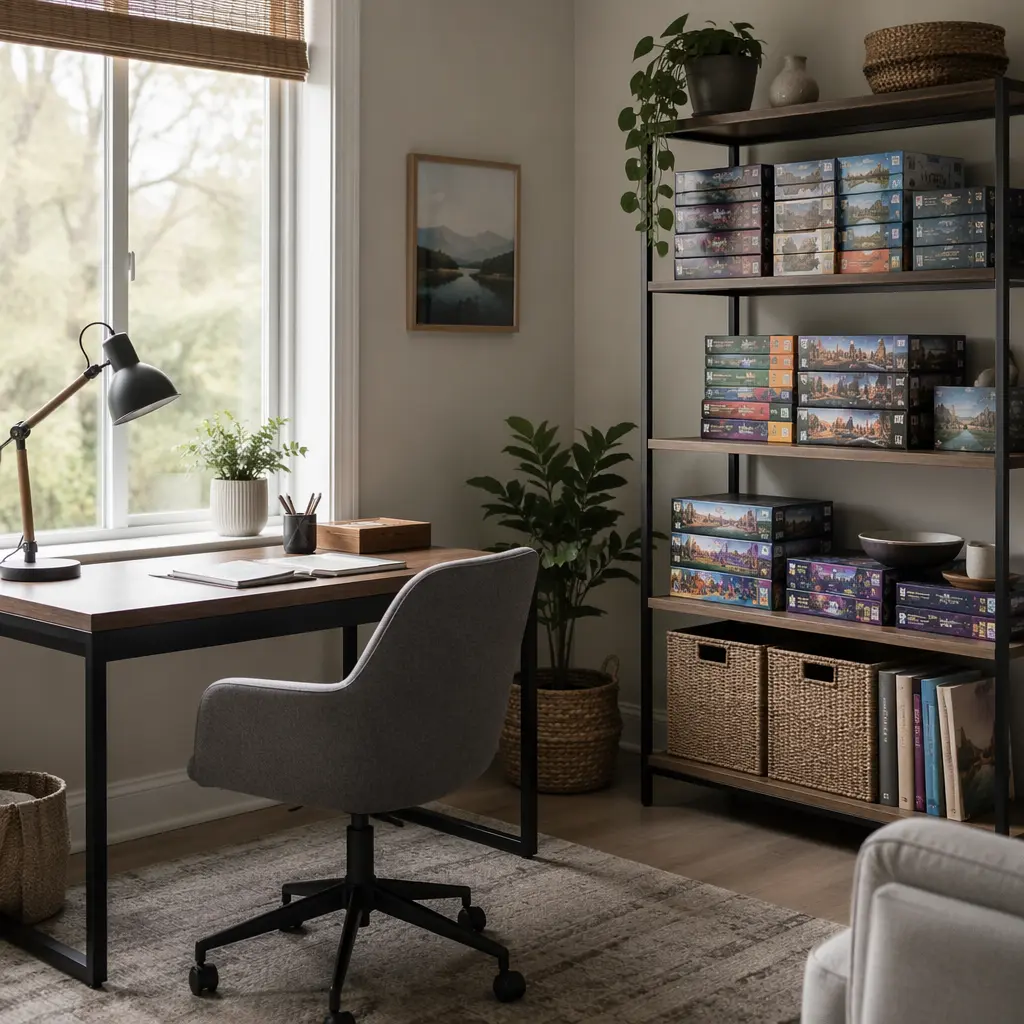
Several puzzle categories tend to work especially well for kids who prefer quiet, solo play. These formats emphasize thinking over speed and allow kids to pause, reflect, and return later without losing progress.
- Logic grid and deduction puzzles: These use clues to narrow down possibilities, rewarding careful reading and step-by-step reasoning.
- Mechanical and spatial puzzles: Interlocking pieces or sliding elements build spatial awareness and patience.
- Pattern and sequence puzzles: Identifying repeating rules or visual patterns supports focus and flexible thinking.
- Progressive challenge books: Puzzle books with increasing difficulty let kids work independently at their own pace.
- Mindful jigsaw-style puzzles: More complex images or unique piece cuts keep older kids engaged without time pressure.
Frequently asked questions
Are quiet puzzles helpful for concentration?
Yes. Quiet, solo puzzles encourage sustained attention by removing distractions like noise, competition, and countdowns. Many parents notice that kids can stay engaged longer when the activity feels calm and self-directed.
How long should a puzzle take to complete?
For this age group, a good target is 15–45 minutes for a single challenge, with the option to stop and resume later. Longer, open-ended puzzles can work well if progress is clearly visible.
What if my child gets frustrated easily?
Look for puzzles with hints, multiple difficulty levels, or clear checkpoints. These features allow kids to reset without feeling like they failed, keeping the experience calming rather than discouraging.
Do quiet puzzles still build problem-solving skills?
Absolutely. Many solo puzzles focus deeply on logic, planning, and spatial reasoning. The lack of competition often gives kids more space to think through solutions carefully.
Choosing puzzles for kids who prefer solo quiet play is about matching the activity to their temperament. The right puzzle can become a reliable, calming option that supports focus, confidence, and independent thinking—without the pressure of noise or competition.