Are AI Desk Robots Too Distracting for Teen Homework?
A parent-focused guide to AI desk robots for teens, covering distraction risks, conversation limits, privacy concerns, offline usefulness and which features actually help with homework routines.
Compare prices and availability
Check current prices and availability for this guide on eBay.
As an eBay Partner, we may be compensated if you make a purchase.
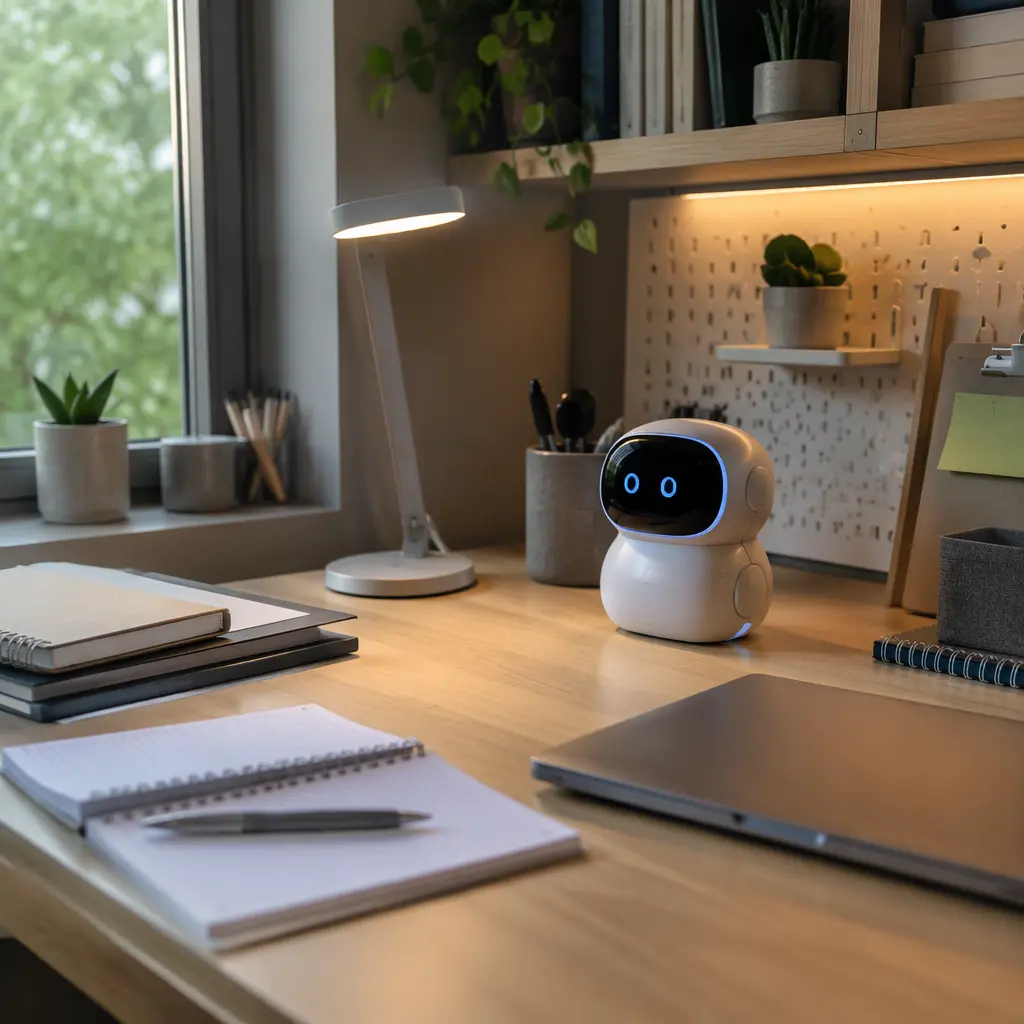
AI desk robots are increasingly marketed as study companions, mood boosters or productivity helpers for teenagers. Some can answer questions, hold short conversations, set reminders or react to voice commands, while others are closer to animated desktop gadgets with limited smart features. For parents, the key question is not whether these robots are impressive, but whether they support homework habits without becoming another source of interruption. The answer often depends on how the robot handles notifications, how much cloud connectivity it requires and whether it remains useful when the novelty wears off.
What to look for
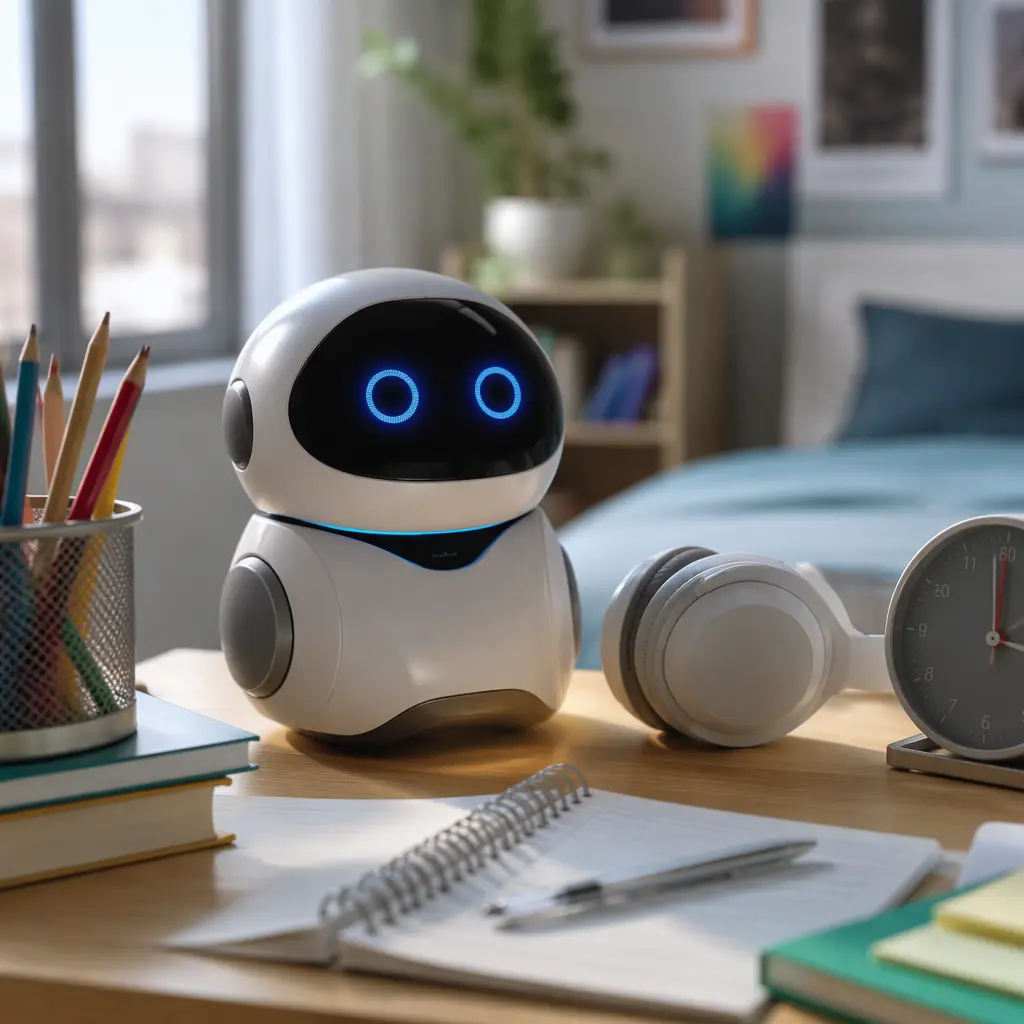
Many desk robots advertised as AI-powered combine several technologies at once. Some genuinely use cloud-based AI assistants for open-ended conversation or homework help. Others mainly rely on scripted responses, simple voice recognition or pre-programmed animations. Understanding that difference helps set expectations before buying. For homework use, the most practical models usually focus on reminders, timers, calendar support or brief interactions rather than constant conversation.
- Adjustable notification settings so alerts, sounds and movement can be reduced during homework sessions
- Clear parental controls for app permissions, voice recordings and contact features
- Useful offline functions such as timers, alarms or simple routines when Wi‑Fi is unavailable
- Short interaction design that encourages focus instead of endless chatting
- Microphone and camera controls, including mute switches or indicators when sensors are active
- Reasonable app and account requirements without heavy subscription or credit systems
- Compatibility with devices already used at home, including phones, tablets or smart speakers
- Compact storage and low mechanical noise for shared bedrooms or study areas
Age suitability
Most AI desk robots are better suited to older teens than younger children because they depend on app accounts, voice interaction and internet-connected services. A teenager may benefit from reminder systems, language practice or quick factual answers, but younger users often treat the robot as a toy first and productivity tool second. Even for teens, success depends heavily on personality and study habits. Students who already struggle with notification overload may find a chatty robot distracting, especially if it lights up, moves frequently or encourages ongoing conversation. More independent teens who already use digital calendars or timers may get more practical value from simpler robots that quietly support routines rather than demand attention.
Options compared
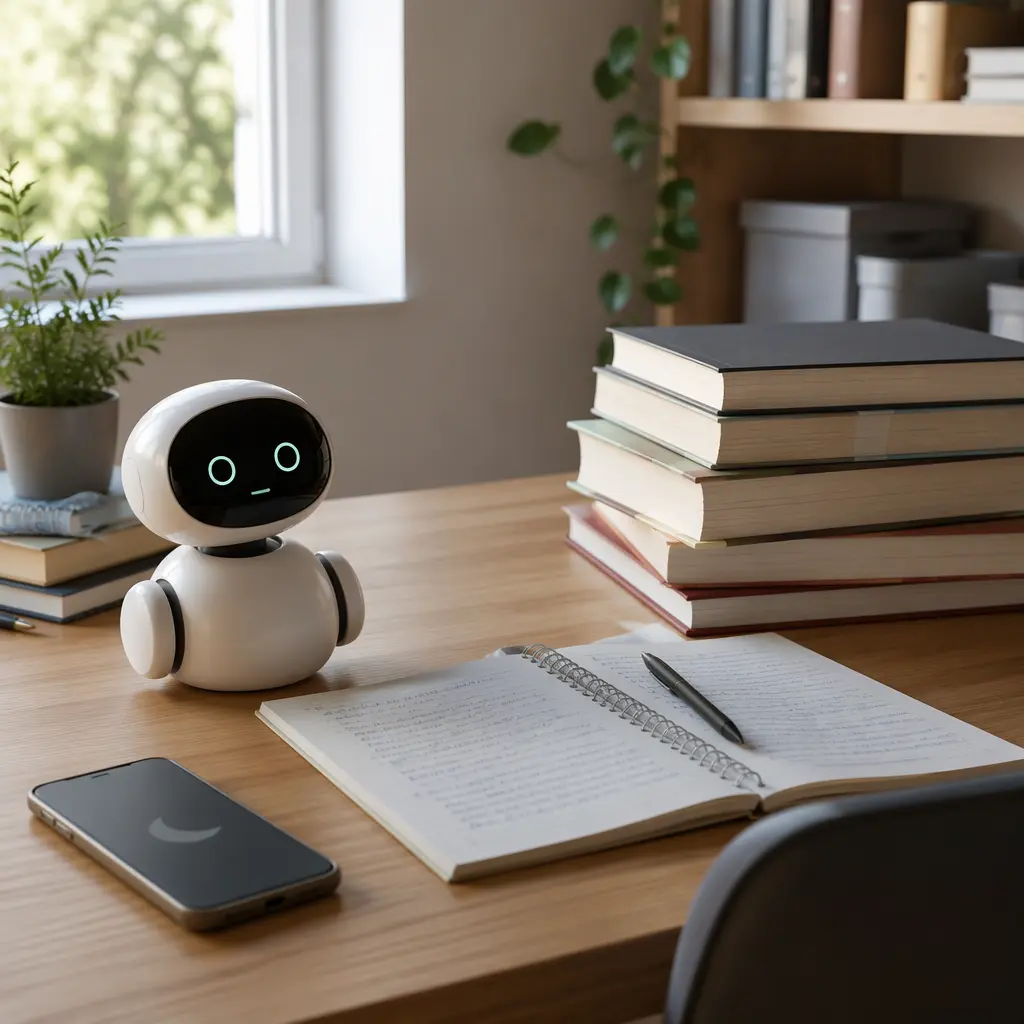
The biggest difference between AI desk robots is how actively they try to engage the user. Conversation-heavy robots are designed to chat, react emotionally or suggest activities throughout the day. These can feel entertaining at first, but they may interrupt concentration if the robot constantly seeks interaction. Teens who enjoy collecting gadgets or experimenting with AI personalities may appreciate this style more than students who need a quiet study environment.
More restrained robots focus on practical support such as Pomodoro timers, scheduling prompts, music control or brief question answering. These models tend to work better for homework because they behave more like productivity accessories than companions. Some can still answer factual questions or connect to AI assistants, but the interaction remains intentional instead of continuous. There are also simpler desktop pets and animatronic robots that look similar but use limited scripted responses rather than generative AI. These usually raise fewer privacy concerns and can be less distracting, although they may also lose appeal more quickly once the novelty fades.
- Conversation-focused AI robots: entertaining and expressive, but potentially distracting for homework-heavy evenings
- Productivity-oriented robots: better for reminders, timers and structured routines with less interruption
- Animatronic desktop companions: lower-tech and often simpler to manage, but with fewer genuinely useful study features
- App-dependent robots: may improve over time through updates, but risk losing functionality if support ends
- Mostly offline robots: more predictable and privacy-friendly, though typically less flexible in conversation
Frequently asked questions
Do AI desk robots actually help with homework?
They can help with organisation, time management and quick factual lookups, but they are not a replacement for focused study habits. Robots that support timers, schedules or distraction-free routines are usually more useful than ones designed mainly for conversation.
Are these robots always listening?
Many connected desk robots include microphones that wait for wake words or button activation. Some may process recordings through cloud services to generate responses. Parents should check whether microphones can be muted and whether voice history can be deleted through the companion app.
What happens if the company stops supporting the robot?
Cloud-connected features may become limited or stop working entirely if app support ends. Basic offline functions such as movement, alarms or local controls may continue, depending on the product. Devices that rely heavily on subscriptions or cloud AI are generally more vulnerable to support changes.
Are AI robots better than smart speakers for teens?
A smart speaker can often handle reminders, timers and voice questions more cheaply and with fewer moving parts. Desk robots mainly add personality, motion and visual interaction. For some teens that increases engagement, while for others it creates unnecessary distraction.
Should AI desk robots stay in bedrooms?
That depends on the family's comfort level with connected microphones and cameras. Some parents prefer these devices in shared study spaces where settings and usage are easier to monitor. Night-time notifications and glowing displays can also interfere with sleep if not adjusted carefully.
AI desk robots can support homework routines when they behave more like quiet productivity tools than attention-seeking companions. Before buying, it helps to focus less on novelty and more on practical day-to-day behaviour: how often the robot interrupts, whether features still work offline, how much setup it requires and how much control parents and teens have over notifications and privacy settings. In many cases, the least distracting robot is the one most likely to stay useful after the excitement of a new gadget fades.