Are AI Pet Robots Too Needy for Younger Kids?
A parent-focused guide to AI pet robots for ages 6–8, covering charging, app reliance, privacy, supervision, durability and whether interactive features add lasting play value.
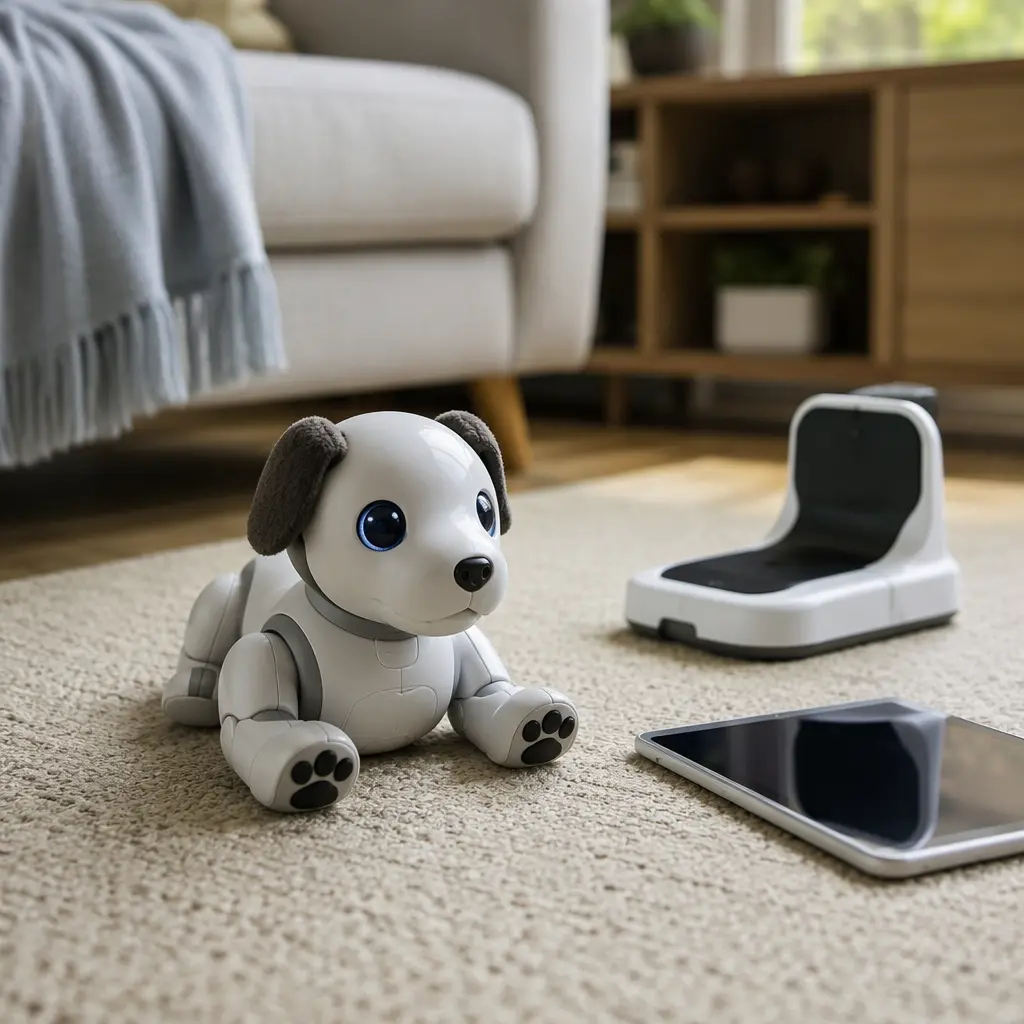
Compare prices and availability
Check current prices and availability for this guide on eBay.
As an eBay Partner, we may be compensated if you make a purchase.
AI pet robots can look like an easy compromise between a real pet and a traditional toy. Many can respond to voices, learn routines, recognize touch or perform tricks through apps and cloud-connected features. For children aged 6–8, the appeal is obvious: a toy that reacts, talks back and feels different every day. The challenge for parents is that some robotic pets demand more maintenance and attention than expected. Charging schedules, software updates, app setup, Wi‑Fi requirements and repetitive interaction loops can turn a novelty toy into another device adults need to manage. Before buying, it helps to separate genuinely useful interactive features from marketing terms and decide whether the toy fits your household rather than just your child’s wish list.
What to look for
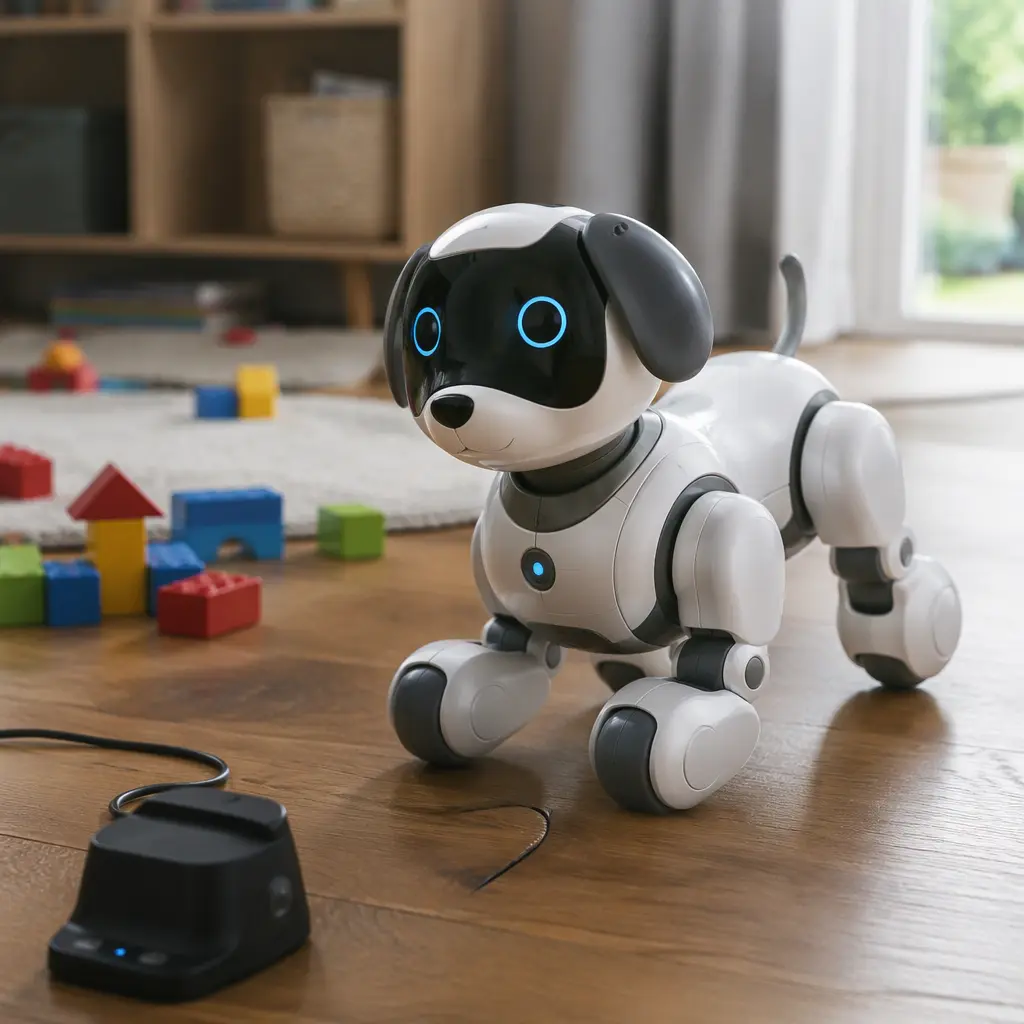
Not every robotic pet marketed as "AI" actually uses advanced artificial intelligence. Some toys mainly rely on pre-programmed sounds, touch sensors or motion responses. Others connect to apps or cloud services that expand conversations, behaviors or voice recognition. For younger children, simpler systems are often easier to manage and less frustrating over time. Parents should focus on how much independent play the toy supports without constant troubleshooting or adult involvement.
- Battery life and charging habits matter more than advertised tricks. Some robotic pets only run for short sessions before needing a recharge.
- Check whether core features work offline. A toy that becomes limited without Wi‑Fi or an app may lose value quickly.
- Look at app requirements carefully, including account creation, subscriptions, in-app purchases or usage credits.
- Microphones and cameras deserve extra attention. Review privacy settings, data collection policies and whether recordings are stored remotely.
- Consider noise levels. Repetitive barking, singing or voice responses can become tiring in shared living spaces.
- Durability matters because robotic joints, tails and wheels can be vulnerable to drops or rough handling.
- Storage can be awkward. Charging docks, accessories and companion devices add clutter compared with traditional plush toys.
- Parental controls are useful if the toy supports voice chat, online updates or communication features.
- Think about support life. Connected toys sometimes lose app support or cloud services before the hardware wears out.
Age suitability
Most AI pet robots marketed toward ages 6–8 still work best when an adult handles setup and ongoing technical tasks. Children in this age group can usually manage basic charging routines and simple controls, but they may struggle with connection problems, software updates or app navigation. Kids who already enjoy building sets, coding toys or programmable gadgets may appreciate the interactive side more than children who mainly want cuddly comfort play. Younger children can also become frustrated if the toy misunderstands speech, responds inconsistently or requires exact commands. Families looking for calm, open-ended play may find that traditional plush pets or simpler animatronic toys hold attention longer with less conflict over screens and charging.
Options compared
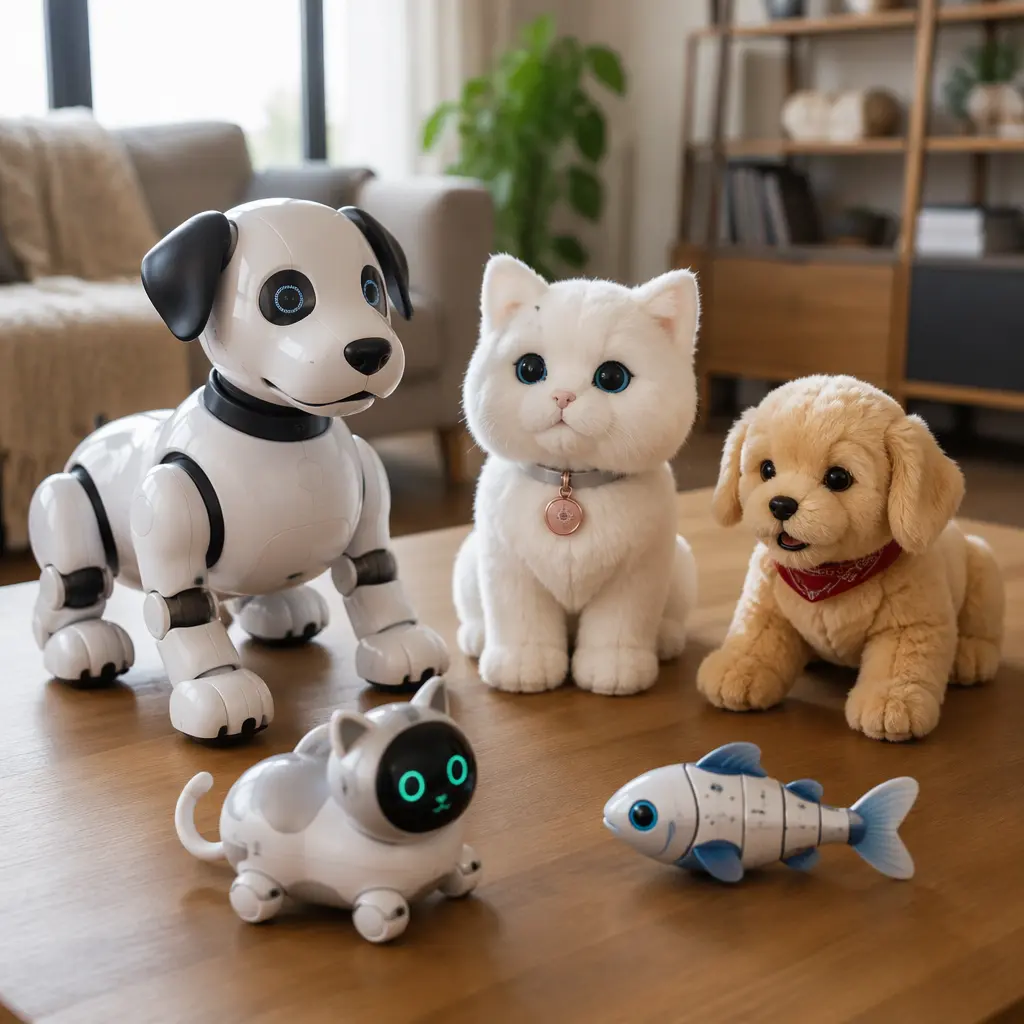
Simple animatronic pets are usually the lowest-maintenance option. These toys respond to touch, sound or movement but do not rely heavily on apps or internet connections. They tend to suit younger children who want predictable reactions and straightforward pretend play. Parents may also prefer them because they continue working normally even if a manufacturer stops supporting an app. The trade-off is limited variety. Once children learn the toy’s patterns, interest can fade.
App-connected robotic pets add more customization and activity options. Some can learn names, unlock mini-games or change behaviors over time. These toys often appeal to children who enjoy gadgets and structured interaction. However, they can also create more work for adults through account management, troubleshooting and regular charging. Cloud-connected AI pets sit at the highest-maintenance end of the category. They may offer more natural conversations or adaptive responses, but they also depend more heavily on servers, subscriptions or ongoing software support. Families with limited screen time rules may find these toys difficult to separate from tablet or phone use because many features only function through companion apps.
- Best for low-maintenance play: simple touch-responsive or sound-responsive robotic pets without app dependence.
- Best for tech-curious kids: app-connected pets with programmable routines or interactive games.
- Best avoided in busy households: toys requiring frequent updates, subscriptions or constant charging.
- Better for shared spaces: quieter pets with adjustable volume or headphone-free operation.
- Less suitable for rough play: lightweight robots with exposed joints, wheels or folding parts.
Frequently asked questions
Do AI pet robots actually teach responsibility?
Some manufacturers position robotic pets as practice for caring responsibilities, but the comparison has limits. Charging a toy or responding to app reminders is very different from caring for a real animal. These toys can encourage routines and gentle handling, but they should not be treated as direct substitutes for pet ownership lessons.
How much adult involvement do these toys usually need?
Most connected robotic pets need at least occasional adult support. Setup often includes Wi‑Fi connection, app installation, account verification and software updates. Younger children may also need help interpreting instructions or reconnecting devices when something stops working.
Are offline robotic pets a better choice?
For many families, yes. Offline toys tend to be simpler, more predictable and easier to hand down or store long term. They also avoid concerns around account security, cloud services and app compatibility changes. The downside is fewer evolving features and less personalization.
What happens if the app stops being supported?
Support life is an important consideration with connected toys. Some robotic pets continue functioning with basic features even if the app disappears, while others lose major functions. Parents should check whether the toy still works independently before buying.
Do children lose interest quickly?
That depends on the type of play the child prefers. Kids who enjoy collecting reactions, training behaviors or exploring technology may stay engaged longer. Children looking for imaginative storytelling or comfort play sometimes move on once the toy’s programmed responses become familiar.
AI pet robots can be entertaining, especially for children curious about technology and interactive gadgets. The most successful purchases usually happen when parents choose a toy that matches the household’s tolerance for charging, app management and noise rather than focusing only on advanced features. For many 6–8 year olds, a simpler robotic companion with limited connectivity can offer the best balance between novelty and manageable day-to-day use.