Mirumi Clip-On Robot: Good Match for Sensitive Kids?
A parent-focused guide to the Mirumi clip-on robot, covering movement, noise, battery upkeep and whether its reactive interaction style suits anxious or sensory-sensitive children.
Compare prices and availability
Check current prices and availability for this guide on eBay.
As an eBay Partner, we may be compensated if you make a purchase.
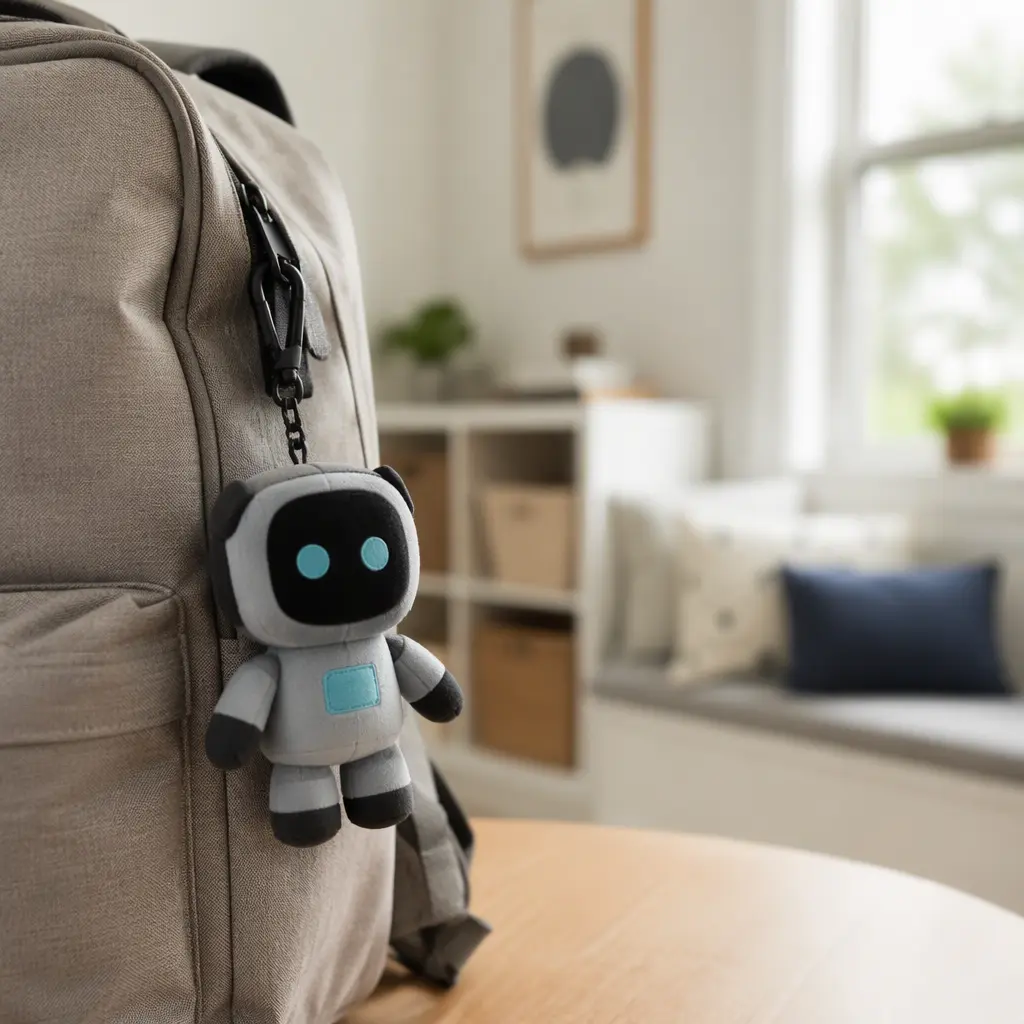
The Mirumi clip-on robot is designed as a small companion-style toy that reacts to movement and nearby activity. Unlike a simple plush toy or static keychain accessory, it aims to create social-style interactions through motion and animated responses. For some children, especially those who enjoy expressive gadgets and gentle surprises, that can feel engaging and comforting. For others, particularly kids who are anxious, easily startled or sensitive to noise and unpredictability, the same features may become tiring or overstimulating. Parents deciding whether this type of toy is a good fit should look beyond the cute appearance and focus on how the interaction style fits their child’s sensory profile, attention span and tolerance for reactive movement.
What to look for
Reactive robot toys vary widely in how intense their responses feel. Some use simple motion sensors and pre-programmed movements, while others rely on more advanced connected features or app integration. With a toy like Mirumi, the key buying question is not whether it is technically advanced, but whether its reactions stay enjoyable over time. Children in the 6–8 age range often enjoy novelty-driven toys for short bursts rather than long independent play sessions, so practical concerns matter as much as personality.
- Noise level: Even soft mechanical sounds can bother sensory-sensitive children in quiet environments such as bedrooms, classrooms or car rides.
- Movement predictability: Sudden turns, head movements or reactive motions may feel playful to some children but startling to others.
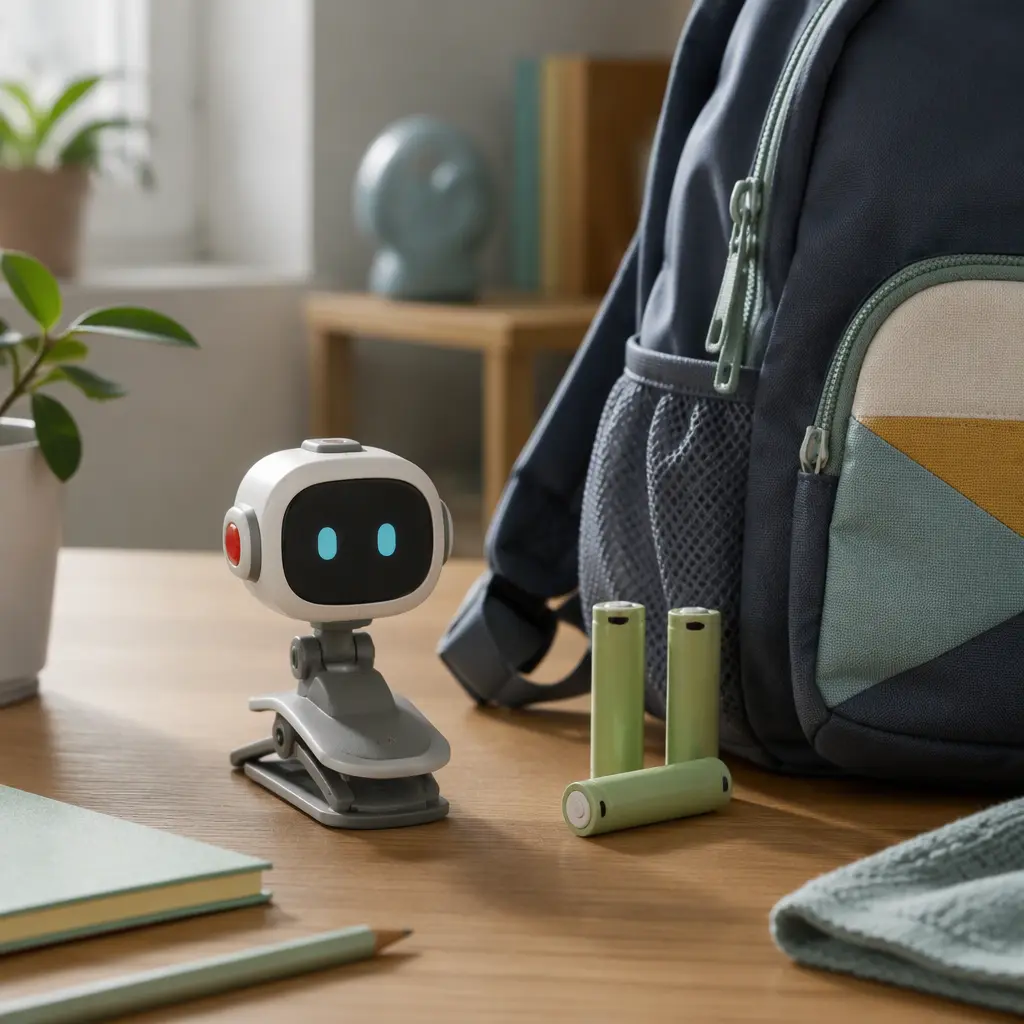
- Battery upkeep: Small electronic toys often require regular charging or battery replacement, which affects how often the toy is actually used.
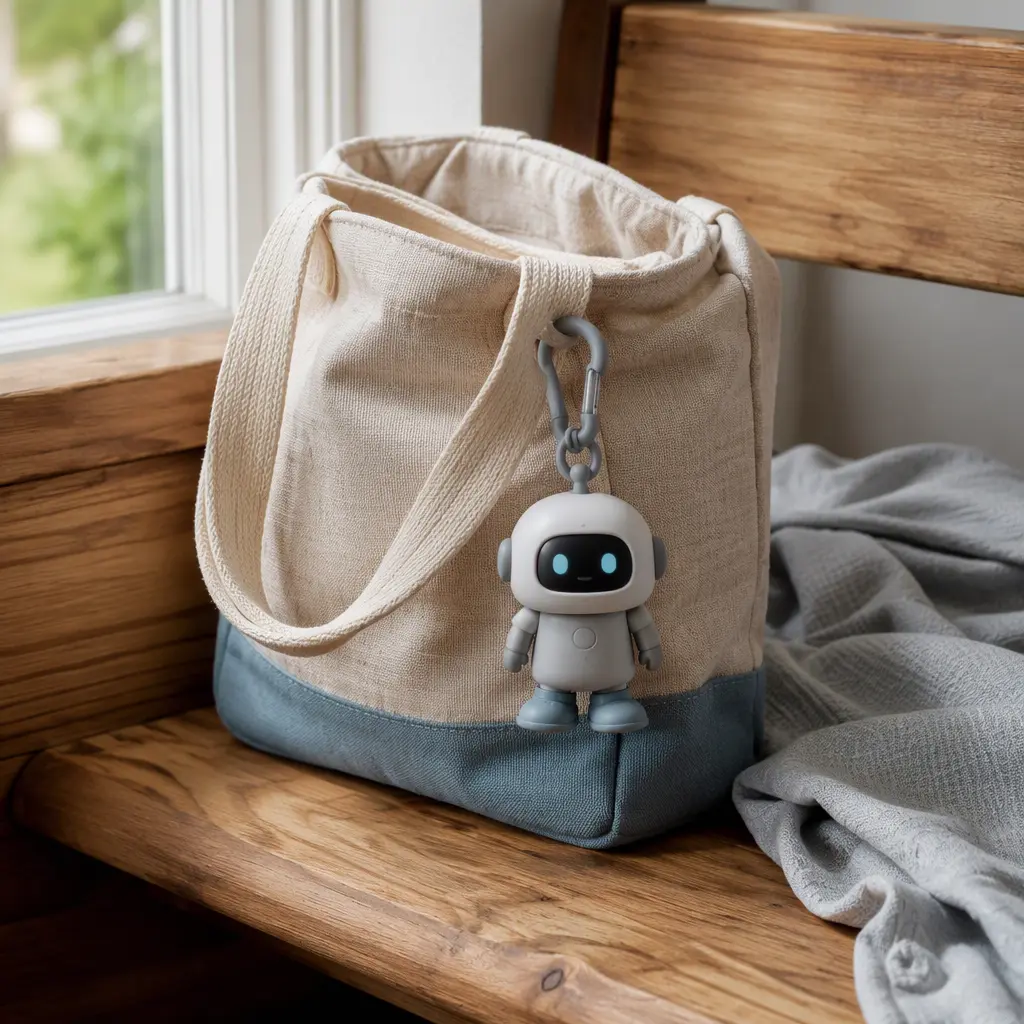
- Clip strength and portability: A secure clip matters if the toy will hang from backpacks or jackets during travel.
- Offline usefulness: Check whether the toy still functions fully without apps, accounts or cloud-connected features.
- Durability: Lightweight robotic toys may not handle rough drops, stuffed school bags or outdoor play as well as traditional plush toys.
- Public use: Some children enjoy interactive toys at school or on outings, while others may become self-conscious if the toy attracts attention.
Age suitability
The recommended age band of 6–8 years generally fits children who can understand that the toy reacts through sensors and programmed behavior rather than true emotions. Younger children may become frustrated if the responses feel inconsistent, while older children may lose interest quickly unless they already enjoy collectible robots, fidget-style gadgets or expressive desk toys. For sensory-seeking children, the movement and interaction can provide a playful focus object during travel or downtime. For children who prefer predictable routines or quieter play, the toy may work better as an occasional novelty rather than an everyday companion. Families should also consider whether the child enjoys toys that demand attention. Unlike passive plush toys, reactive robots can interrupt quiet moments by moving unexpectedly when bumped or picked up.
Options compared
Clip-on companion robots sit somewhere between plush toys, fidget gadgets and traditional electronic pets. Their appeal comes from creating tiny social interactions without requiring a full tablet-based experience. Compared with app-heavy smart toys, they are usually simpler to start using and may avoid account setup or ongoing subscriptions. That simplicity can be helpful for parents who want a mostly offline toy with fewer privacy concerns.
However, simpler does not always mean calmer. Toys built around surprise reactions can feel more stimulating than expected, especially for children who are sensitive to sudden movement or sound. A child who enjoys Tamagotchi-style digital pets or expressive desk companions may appreciate the personality aspect. A child who prefers construction toys, art supplies or quiet sensory tools may find the interactions repetitive or distracting after the novelty fades.
- Best suited to: Kids who enjoy expressive gadgets, collectible desk toys, backpack accessories or animated companion-style play.
- May not suit: Children who are easily startled, overwhelmed by unpredictable sounds or movements, or frustrated by repetitive electronic responses.
- Lower-maintenance alternatives: Traditional plush clip-ons, sensory keychains or non-electronic backpack charms.
- More advanced alternatives: App-connected robots with games, voice interaction or programmable features, though these often introduce privacy, screen-time and compatibility considerations.
- Travel use: Compact size can work well for car rides or waiting rooms, but reactive movement may become distracting in quiet public spaces.
Frequently asked questions
Is the Mirumi robot considered an AI toy?
The toy is better described as a reactive electronic companion rather than a full AI device. Toys in this category typically use sensors and programmed responses instead of open-ended conversation or cloud-based artificial intelligence. That usually means fewer privacy concerns than toys with microphones, cameras or account-linked voice features.
Can sensory-sensitive children enjoy reactive robot toys?
Some can, especially children who seek sensory input and enjoy repetitive motion or animated objects. The challenge is predictability. If a child dislikes sudden activation, buzzing sounds or movement during quiet moments, the toy may cause stress instead of comfort. Watching video demonstrations before buying can help parents judge the intensity of the reactions.
Does a clip-on robot replace a traditional comfort toy?
Usually not. Companion robots tend to work better as novelty accessories or conversation pieces than as long-term comfort objects. Many children still prefer the softness, reliability and quietness of a plush toy for bedtime or emotional regulation.
Are battery-powered companion toys high maintenance?
Maintenance varies by design, but small electronic toys often need more attention than parents expect. Batteries or charging routines can become frustrating if the toy is used daily. Families who prefer low-maintenance toys may want to consider whether the child will continue using it once the initial novelty wears off.
Is this kind of toy suitable for school bags and travel?
The compact clip-on format is designed for portability, but repeated bumps inside crowded bags can affect durability over time. Some schools may also discourage noisy or distracting accessories during class hours. For travel, the toy may entertain some children during waiting periods, though others may become overstimulated by repeated reactions.
For families considering the Mirumi clip-on robot, the main decision is less about technology and more about temperament. Children who enjoy animated gadgets and playful reactions may find it charming for short daily interactions. Children who need calm, predictable sensory experiences may prefer quieter toys with less reactive behavior. Looking closely at noise, movement style, portability and maintenance will usually give a clearer answer than the marketing alone.