Toniebox Lite vs Yoto Mini for Dyslexic Early Readers
A parent-focused comparison of Toniebox Lite and Yoto Mini for dyslexic early readers, covering audio-first learning, offline listening, subscriptions, controls and practical family use in the UK.
Compare prices and availability
Check current prices and availability for this guide on eBay.
As an eBay Partner, we may be compensated if you make a purchase.
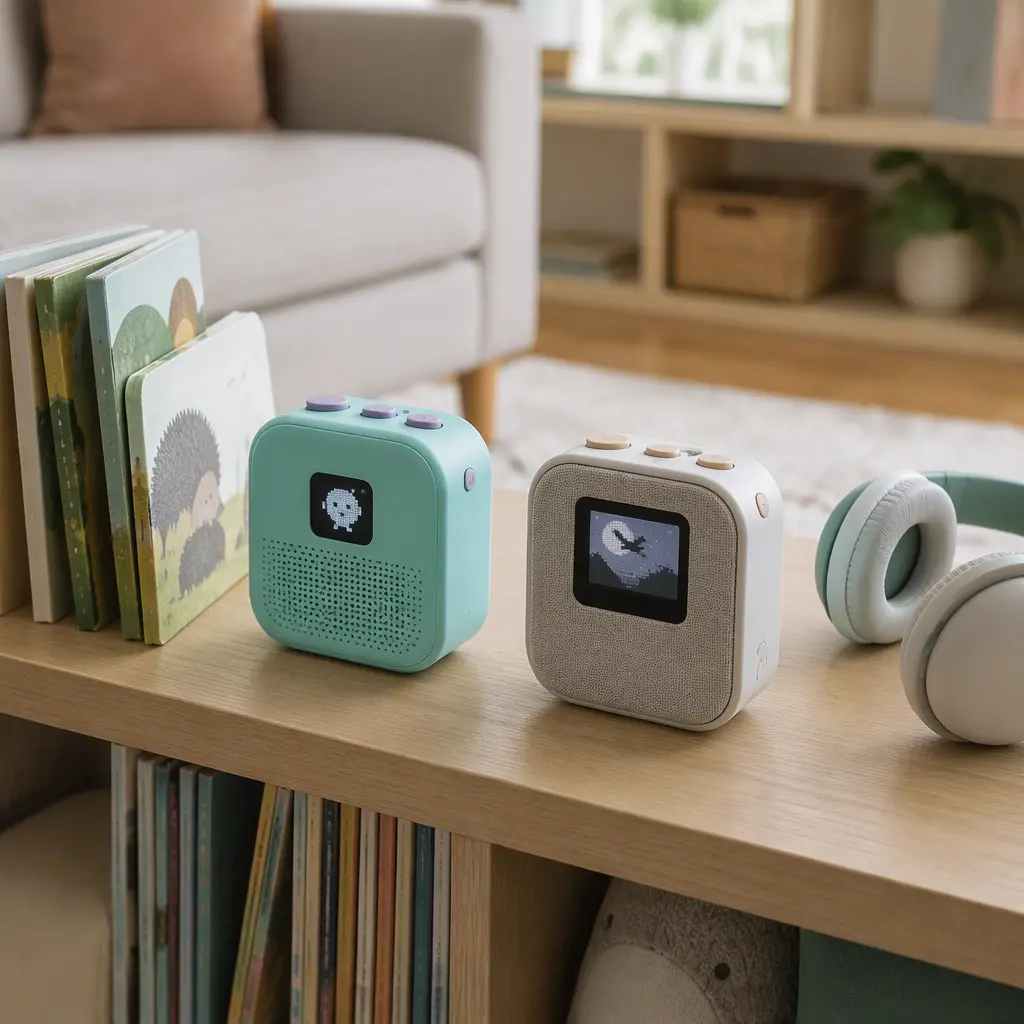
For some dyslexic early readers, audio storytelling can reduce pressure around decoding words while still building vocabulary, listening stamina and confidence with books. Two popular options for UK families are the Toniebox Lite and the Yoto Mini. Both are designed around screen-light listening rather than tablets, but they work quite differently. Toniebox focuses on character figures and simple physical interaction, while Yoto Mini uses audio cards and a more flexible connected platform. The better choice depends less on brand loyalty and more on how your child listens, how much independence they need, and how much app setup or subscription management a parent is comfortable handling.
What to look for
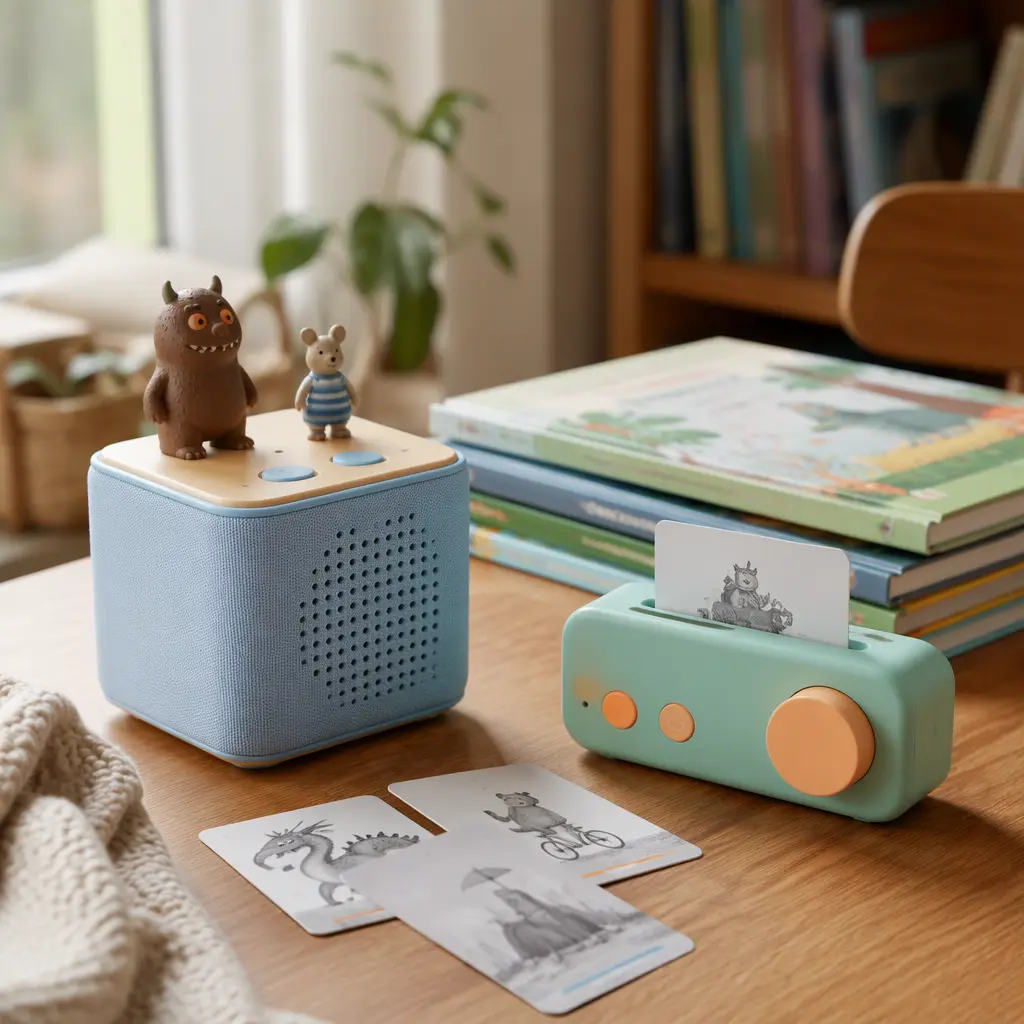
For dyslexic early readers aged roughly 3 to 5, the key benefit of these devices is reducing reliance on visual decoding during story time. Instead of asking whether a player is educational in a broad sense, it helps to focus on practical listening habits. Some children need very simple controls and repeat listening. Others benefit from broader content libraries, podcasts or audio linked to phonics and classroom topics. Parents should also check how much of the experience works offline, since app dependence and streaming can become frustrating during travel or poor internet access.
- Simple physical controls that a young child can operate without reading menus
- Offline playback for car journeys, bedtime and travel without constant Wi‑Fi
- Headphone support for quieter listening in shared homes
- Durable design that can handle drops, spills and frequent carrying
- Clear parental controls for purchases, downloads and content access
- How audio is purchased or accessed, including subscriptions or credits
- Whether the device still works well without an app connection
- Storage needs for figures, cards and charging accessories
Age suitability
Both products are marketed toward younger children, but they suit slightly different stages of independence. Toniebox Lite generally fits younger preschool listeners who benefit from highly tactile play. Swapping figures onto the speaker is easy to understand before a child can read confidently. Yoto Mini often appeals more to children moving toward independent choices because the card system supports a wider range of audio and longer-term use. A dyslexic child who struggles with printed text may still enjoy selecting cards independently even if reading labels remains difficult. Families looking for something that can grow from preschool into primary school years may lean toward Yoto Mini, while families prioritising simplicity may prefer Toniebox.
Options compared
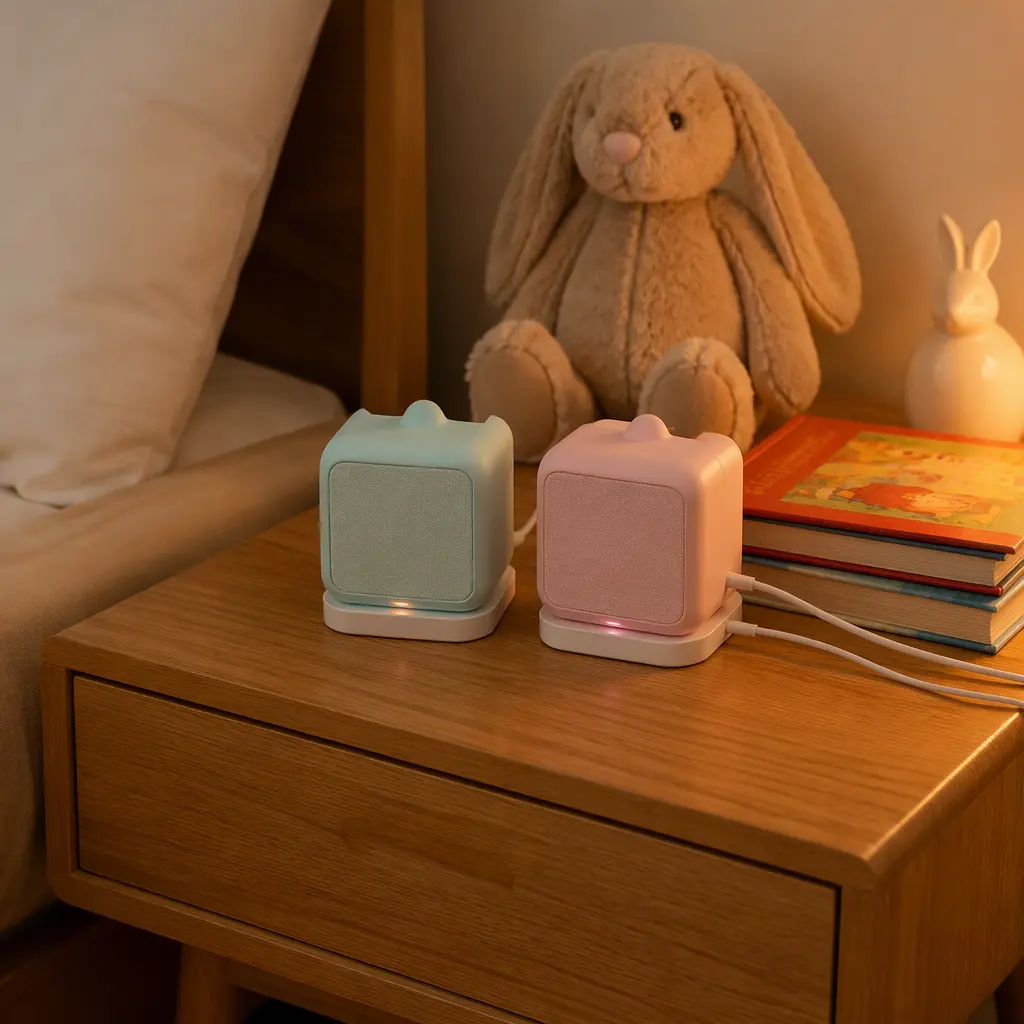
Toniebox Lite is built around simplicity. Children place a figure on top of the speaker to start playback, and physical tapping or tilting controls volume and track changes. For dyslexic children who become frustrated by layered menus or app navigation, this low-reading approach can reduce friction. The trade-off is flexibility. Audio is tied closely to compatible figures or custom recording options, so expanding a collection can become expensive over time. Storage can also become an issue if a child accumulates many figures. On the positive side, the tactile nature of the system can help younger children connect stories with physical play and routines.
Yoto Mini takes a more expandable approach. Audio cards are slimmer and easier to store than figurines, and the platform supports a wider range of content including stories, music, educational audio and some radio-style programming. Families who want one device for multiple ages often find this flexibility useful. The Mini format is also travel-friendly and typically easier to pack for holidays or school runs. However, the setup experience is more app-connected than Toniebox, and some features depend on downloads, account management or optional subscriptions. Parents who want a mostly offline experience should check which content requires internet access initially and how downloads are managed. For dyslexic early readers specifically, Yoto's broader content range may support longer-term listening habits, while Toniebox may feel more approachable during the earliest listening stage.
- Choose Toniebox Lite if your child benefits from highly tactile play, very simple controls and predictable routines.
- Choose Yoto Mini if you want broader audio choices, compact storage and a device that may remain useful into later primary years.
- Avoid either option if you want a fully non-digital toy with no app setup or account management at all.
- Toniebox may suit children who become overwhelmed by menus or too many choices.
- Yoto Mini may suit families who travel often and want portable offline listening with headphones.
Frequently asked questions
Does either player teach reading directly?
Neither device replaces structured reading instruction. Their main value is supporting listening comprehension, vocabulary exposure and confidence around stories without requiring constant decoding of text. Some families combine them with printed books so children can follow along at their own pace.
Which works better without internet access?
Both support offline listening once content is downloaded or linked to physical accessories. Toniebox is generally simpler for fully offline day-to-day use because playback is tied directly to figures. Yoto Mini can also work offline, but some setup and content management features rely more heavily on the companion app.
Are subscriptions required?
Manufacturers offer optional memberships or content programmes, but the devices can still function without ongoing subscriptions. Families should check current UK content offers carefully because access models, included titles and regional availability can change over time.
Which is quieter for shared homes?
Both support headphone listening, which can help in flats, shared bedrooms or bedtime routines with siblings. Yoto Mini's portable design often works well for independent quiet listening, while Toniebox is usually designed more as a room speaker experience.
Is one better for children with attention difficulties as well as dyslexia?
That depends on the child. Toniebox can reduce distractions through its very limited controls and toy-like interaction. Yoto Mini may work better for children who enjoy choosing from a wider range of content and benefit from variety during longer listening sessions.
For UK families comparing Toniebox Lite and Yoto Mini, the decision often comes down to simplicity versus flexibility. Toniebox offers a gentler learning curve and strong tactile appeal for younger listeners, while Yoto Mini provides broader audio options and longer-term usefulness. For dyslexic early readers, both can support independent listening habits in a screen-light way, but the right fit depends on how your child responds to routine, choice, portability and connected features.