Are Camera-Equipped AI Toys Worth the Privacy Trade-Off?
A practical guide to camera-equipped AI toys for ages 9–12, including what cameras add to play, privacy concerns, app dependence, supervision needs and when simpler toys may fit better.
Compare prices and availability
Check current prices and availability for this guide on eBay.
As an eBay Partner, we may be compensated if you make a purchase.
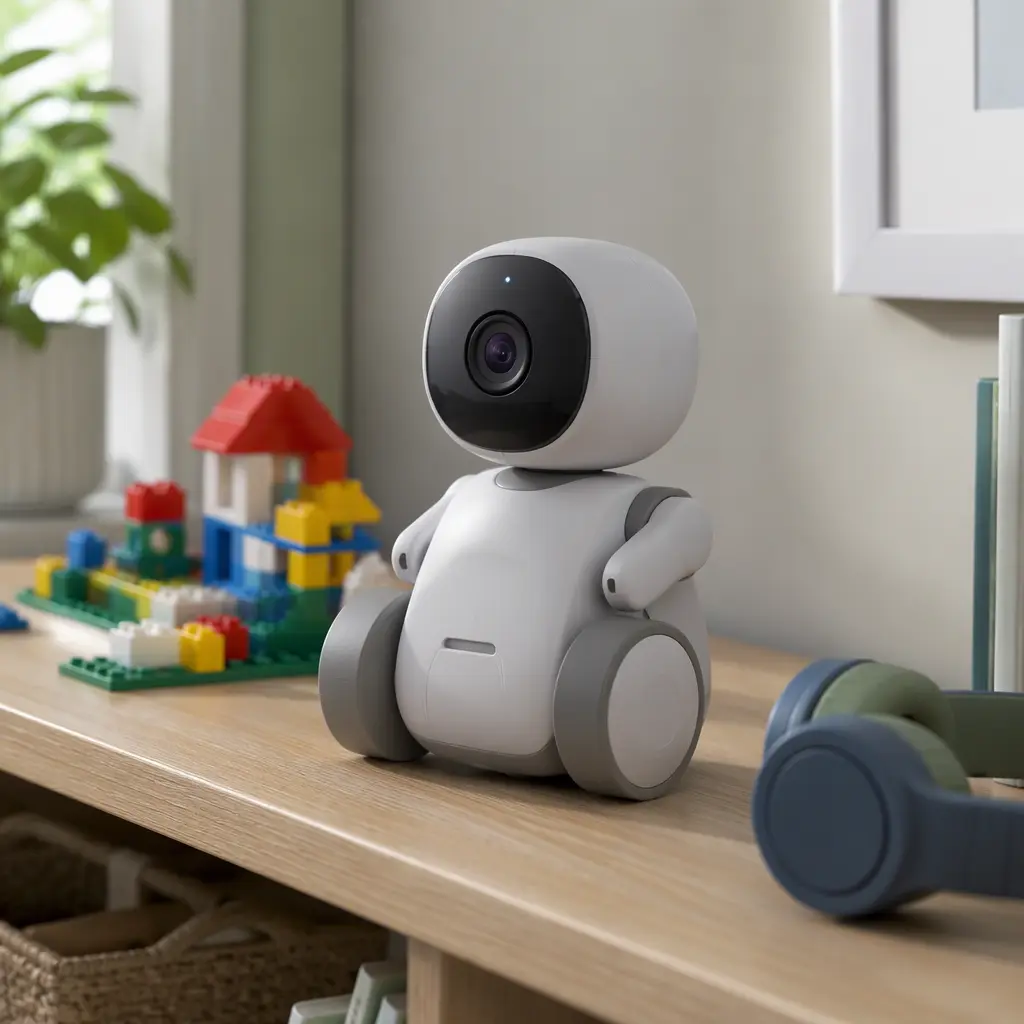
Camera-equipped AI toys promise more responsive play than traditional electronic toys. Some can recognize gestures, track movement, identify objects, or support augmented-reality games through a companion app. For older children in the 9–12 age range, that can make coding activities, interactive storytelling and creative projects feel more dynamic. The trade-off is that cameras usually increase setup complexity, app dependence and privacy considerations. Parents often end up balancing novelty and convenience against questions about where video data goes, how long products stay supported and whether the toy still works if cloud services change. In many cases, the camera itself is not the issue; the bigger consideration is how connected features are managed behind the scenes and whether those features meaningfully improve play.
What to look for
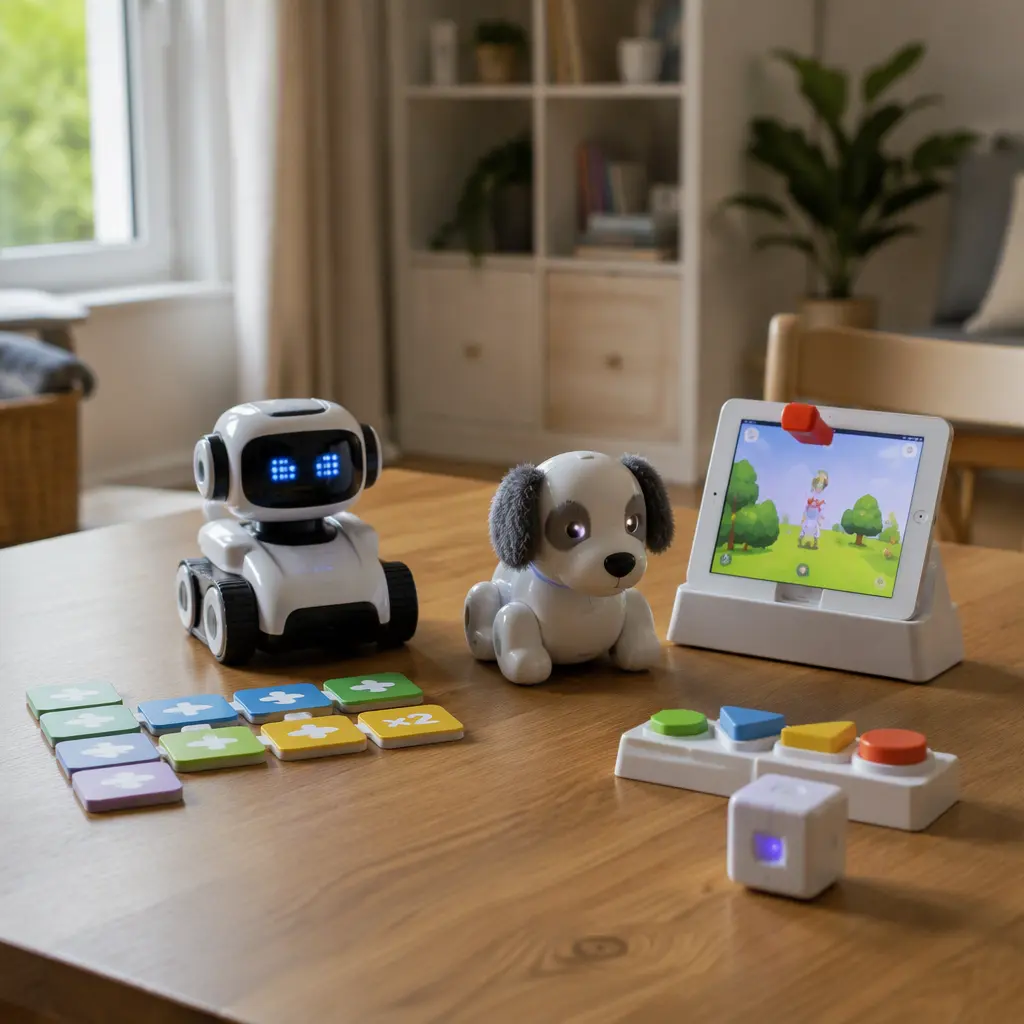
Not every toy with a camera uses artificial intelligence in the same way. Some products only use simple image detection or motion tracking, while others rely on cloud-based AI systems that process voice, images or gameplay data remotely. Before buying, it helps to separate the genuinely useful features from marketing language. A camera can improve play when it supports activities children already enjoy, such as coding challenges, stop-motion animation, scavenger hunts or interactive pets that respond to movement. If the camera mainly exists for novelty effects, families may end up with a toy that requires frequent updates and supervision without offering much long-term value.
- Check whether the toy works offline or loses major features without Wi‑Fi or app access.
- Look for clear information about what the camera captures and whether images or video leave the home network.
- Review parental controls, especially options for disabling cameras, sharing or online interaction.
- Confirm device compatibility for companion apps, including operating system requirements and storage needs.
- Find out whether subscriptions, credits or ongoing memberships unlock core features.
- Consider battery life, charging habits and whether the toy becomes frustrating during long update cycles.
- Think about storage and durability, since larger connected toys can be difficult to pack away safely.
- Pay attention to noise levels from speakers, alerts and voice interactions if the toy will be used in shared spaces.
Age suitability
Children aged 9–12 are usually old enough to understand basic privacy expectations and participate in setup decisions, which makes this age group more suitable for connected AI toys than younger children. Many preteens also have the patience for software updates, calibration and app pairing that camera-equipped products often require. Even so, most toys in this category still benefit from occasional adult oversight, particularly when cloud accounts, friend connections or online content sharing are involved. Families looking for independent, screen-free play may find that camera-based toys create more device management than expected. Children who already enjoy photography, coding, robotics or digital creativity are more likely to get sustained value from the connected features.
Options compared
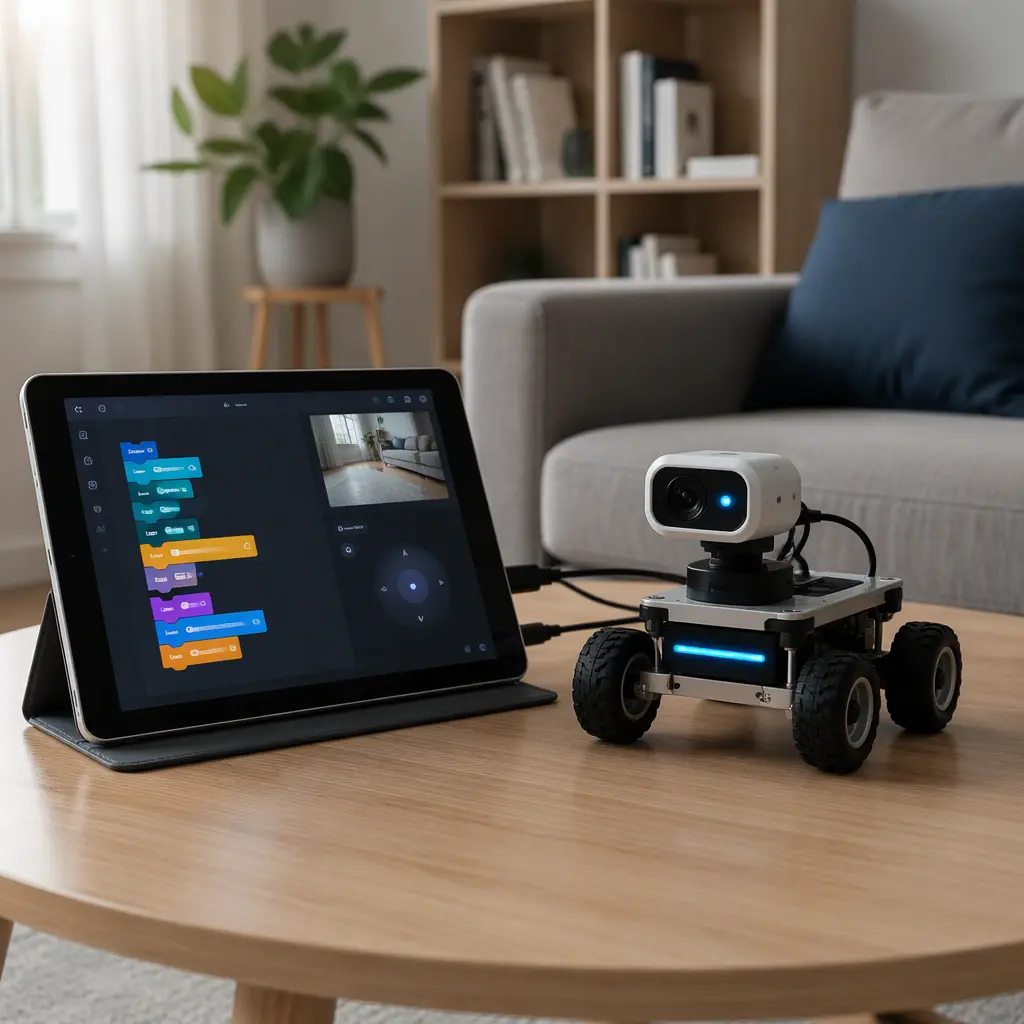
The broadest split is between toys that use cameras for local interaction and toys that depend heavily on cloud-connected AI services. Local-interaction toys often recognize colors, movement, hand gestures or room layouts directly on the device. These products may feel more reliable because they continue functioning without constant internet access. They also tend to raise fewer privacy concerns because less data leaves the home. However, their responses are usually simpler and less conversational than cloud-powered AI toys.
Cloud-connected AI toys can deliver more advanced interactions, including conversational assistants, adaptive learning games and image-based challenges that improve over time. The downside is greater dependence on apps, accounts and ongoing manufacturer support. If servers shut down or subscriptions change, some features may disappear entirely. These toys can suit tech-curious preteens who enjoy experimenting with AI systems and interactive storytelling, especially when parents are comfortable managing settings and permissions. Families seeking quick setup, lower maintenance or longer-lasting offline value may prefer robotics kits, programmable vehicles or animatronic pets that use limited camera functions without continuous cloud connectivity.
- Camera-based coding kits suit children interested in STEM projects and creative problem-solving, but usually require app setup and patience during updates.
- Interactive AI pets may appeal to children who want responsive play without building projects, though frequent voice prompts and notifications can become repetitive.
- Augmented-reality game systems can encourage active play and scavenger hunts, but often rely heavily on compatible phones or tablets.
- Robot companions with navigation cameras may offer impressive movement and mapping features, but they generally need more floor space, charging and supervision.
- Simpler animatronic toys with basic image sensors often provide easier setup and stronger offline usability, though they may feel less flexible over time.
Frequently asked questions
Do camera-equipped AI toys always record video?
Not necessarily. Some toys only use cameras for live detection of movement, objects or room positioning without storing footage. Others may send images or clips to cloud services for processing. Manufacturer privacy policies and setup permissions are important because practices vary widely between brands and regions.
Are these toys safe for independent use?
Most products aimed at ages 9–12 can be used independently after setup, but connected features still benefit from periodic supervision. Parents may need to monitor app permissions, account sharing, software updates and online interactions, especially if the toy supports multiplayer or social features.
What happens if the app stops being supported?
Support life is a major consideration with connected toys. Some continue working with limited offline features, while others lose important functions if servers, apps or subscriptions are discontinued. Toys with meaningful offline play tend to age more gracefully than products built almost entirely around cloud services.
Can children use these toys without a phone or tablet?
Some camera-equipped toys include onboard controls and displays, but many rely on companion apps for setup, updates or advanced features. Families trying to reduce screen time should check whether the toy remains useful once the initial setup is complete.
Are simpler electronic toys a better choice?
In some households, yes. Traditional robotics kits, RC vehicles and programmable toys without cameras can still support creativity and technical learning while avoiding account management and privacy concerns. Camera-equipped AI features make the most sense when they clearly expand the type of play rather than simply adding novelty.
For many families, the strongest reason to choose a camera-equipped AI toy is not the camera itself but the type of interaction it enables. When the feature supports creative projects, coding or active gameplay, it can add meaningful depth for older children. If the camera mostly exists to support gimmicks, advertising tie-ins or constant app engagement, the added complexity may outweigh the benefits. Looking closely at offline usefulness, privacy controls and long-term support often tells parents more about a toy’s value than the AI branding on the box.