Beginner Electronic Toys Preschoolers Can Use Alone
A parent-focused guide to first electronic toys for ages 3–5. Learn what features matter, age fit, safety tips, and common questions—focused on button-based toys with lights and sounds, not apps or screens.
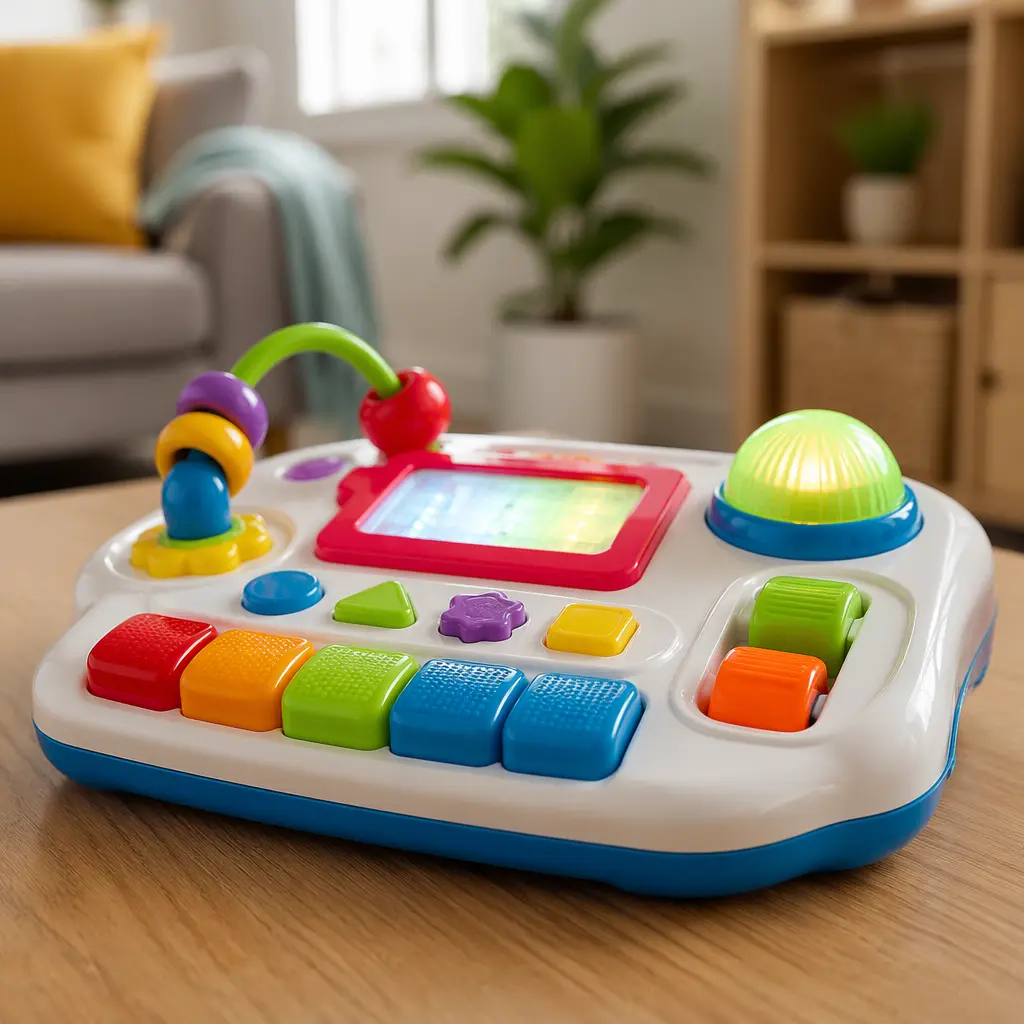
Compare prices and availability
Check current prices and availability for this guide on eBay.
As an eBay Partner, we may be compensated if you make a purchase.
Electronic toys don’t have to mean screens, apps, or complicated setup. For preschoolers ages 3–5, the best beginner electronic toys focus on simple cause-and-effect: press a button, hear a sound, see a light, or get a spoken prompt. These toys introduce basic technology ideas while still letting kids play independently and at their own pace. This guide breaks down what parents should look for when choosing first tech-style toys that are engaging, age-appropriate, and easy to use alone.
What to look for
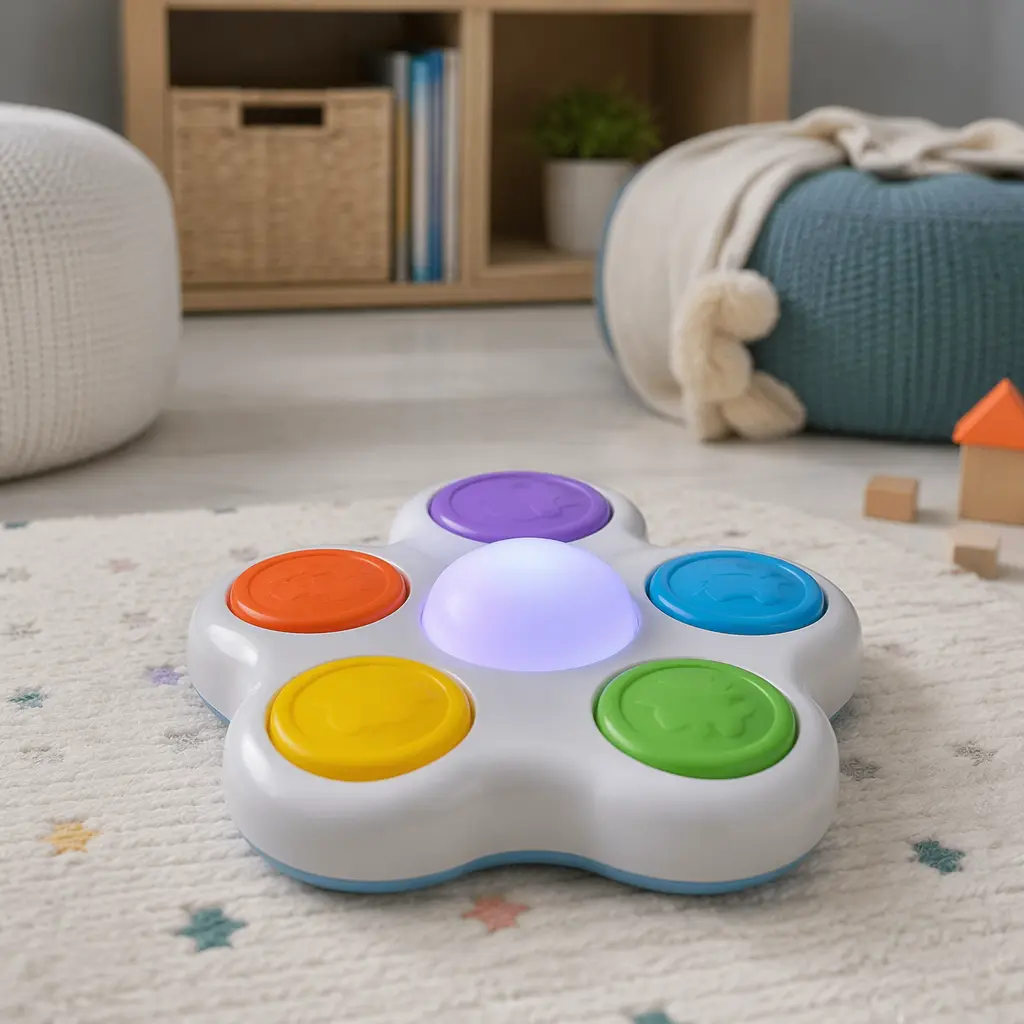
Beginner electronic toys for preschoolers should feel inviting, not overwhelming. At this age, children benefit from toys that reward exploration without requiring reading, menus, or adult guidance. Look for designs that clearly show what to do and respond right away when a child interacts with them.
- Large, clearly marked buttons that are easy for small hands to press
- Immediate feedback, such as lights, sounds, music, or simple spoken phrases
- Simple modes of play that don’t require navigating menus or remembering steps
- Durable construction that can handle drops, rough play, and frequent use
- Volume controls or naturally gentle sound levels
- Battery compartments secured with screws for safety
Age suitability
For children ages 3–5, electronic toys should match developing fine motor skills, attention span, and problem-solving ability. Three-year-olds often enjoy straightforward button pressing and repetition, while four- and five-year-olds may prefer toys that ask simple questions, introduce patterns, or encourage memory and matching. Packaging age ranges are a starting point, but it’s helpful to think about how independently your child can follow prompts and whether the toy allows for growth over time without becoming frustrating.
Standout categories or types
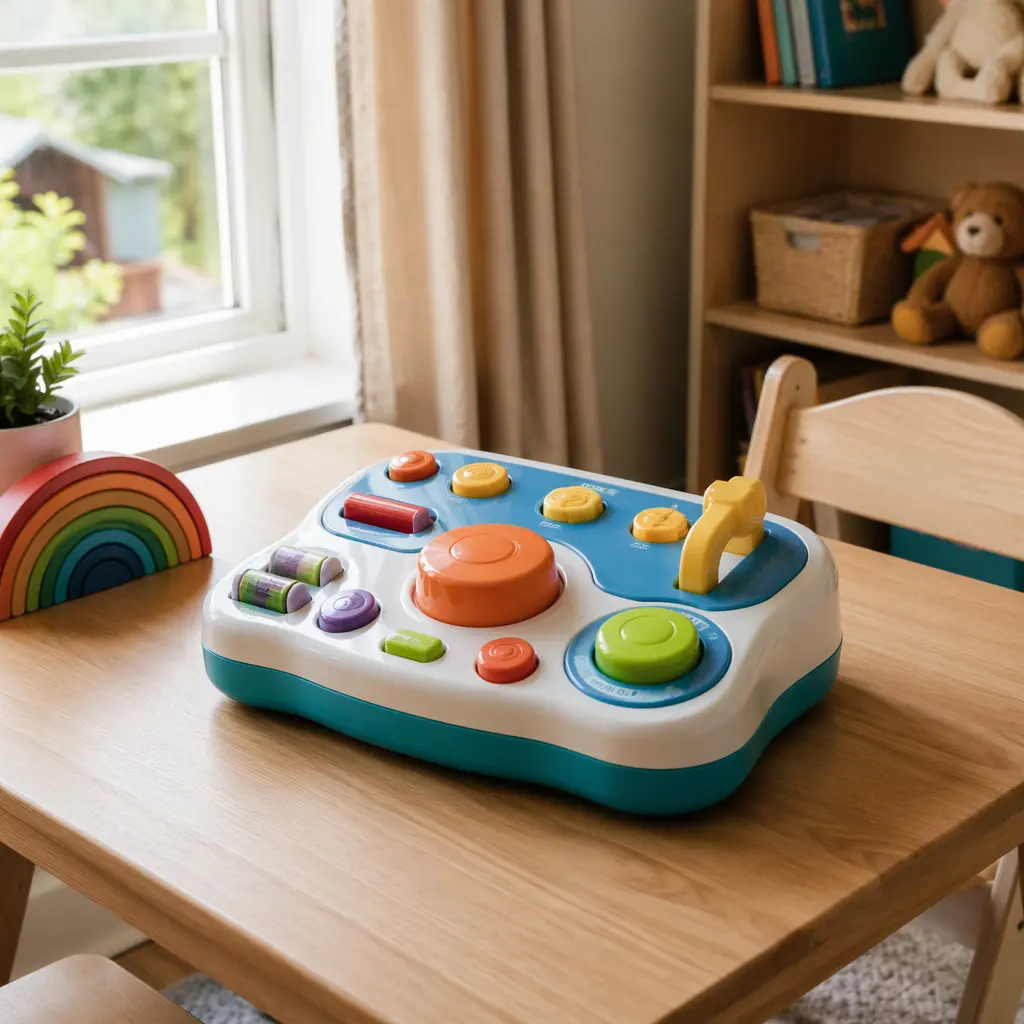
Several categories of electronic toys work especially well for preschoolers who want to play on their own. Button-based learning toys often introduce letters, numbers, shapes, or colors through short prompts and songs. Musical electronic toys let kids experiment with sounds and rhythms without needing formal instruction, which supports creativity and listening skills.
Another strong option is interactive activity toys that combine physical movement with electronics, such as turning knobs, flipping switches, or sliding pieces to trigger responses. These toys blend hands-on play with basic technology concepts, helping children understand that their actions make things happen. Toys that offer multiple difficulty levels or modes can stay interesting longer as skills improve.
Frequently asked questions
Are electronic toys without screens still educational?
Yes. Screen-free electronic toys can support early learning by reinforcing cause-and-effect, listening skills, memory, and basic concepts like counting or matching. Because they rely on physical interaction, they also encourage fine motor development and active engagement.
How much independence should I expect?
Most beginner electronic toys are designed so preschoolers can start playing right away. Independence usually means the child can turn the toy on, press buttons, and respond to prompts without help. Some children may still ask questions or want reassurance, especially when trying a new mode.
Do electronic toys replace traditional toys?
Electronic toys are best seen as one part of a balanced play environment. They add variety and introduce technology concepts, but they work alongside pretend play, building toys, books, and outdoor activity rather than replacing them.
What about batteries and maintenance?
Battery-powered toys require occasional upkeep. Choosing toys with auto-off features can extend battery life. It’s also helpful to keep spare batteries on hand and check compartments periodically to make sure screws remain secure.
How loud are most preschool electronic toys?
Sound levels vary, but many toys aimed at preschoolers are designed to be relatively gentle. Toys with volume control are a plus, especially for shared spaces or quiet playtimes.
Beginner electronic toys can be a positive introduction to technology when they focus on simple interaction rather than screens. By choosing toys with clear buttons, responsive feedback, and age-appropriate challenges, parents can support independent play that feels fun, manageable, and developmentally useful for preschoolers.