Beginner Electronic Toys That Work Without Screens
A buyer’s guide to screen-free electronic toys for ages 9–12—hands-on kits that teach circuits, sound, motion, and logic without apps, accounts, or tablets.
Compare prices and availability
Check current prices and availability for this guide on eBay.
As an eBay Partner, we may be compensated if you make a purchase.
Many families want tech toys that feel current without pulling kids onto phones or tablets. For ages 9–12, screen-free electronic toys can build real skills—like understanding circuits, sound, motion, and logic—while keeping play tactile and focused. These toys use switches, lights, sensors, and physical controls instead of apps, helping kids learn by doing rather than tapping.
What to look for
Not all electronic toys are created equal. For beginners in the 9–12 range, the best options balance real functionality with clear guidance. Look for toys that invite experimentation without overwhelming instructions or hidden digital requirements.
- True screen-free operation: works fully without apps, Bluetooth pairing, or online accounts
- Hands-on controls: switches, buttons, dials, sliders, or patch cables kids can manipulate
- Visible cause and effect: lights brighten, motors spin, or sounds change as inputs change
- Expandable play: multiple challenges or open-ended builds that grow with skills
- Clear instructions: diagrams and printed guides that support independent use
- Durable parts: sturdy connections that can handle repeated assembly and mistakes
Age suitability
For ages 9–12, electronic toys should move beyond simple push-button novelty. Kids in this band can follow multi-step instructions, test hypotheses, and troubleshoot when something doesn’t work. Look for sets that introduce concepts like series and parallel circuits, basic logic, or sound modulation without requiring prior coding knowledge. If a toy feels more like a puzzle or project than a one-button gadget, it’s likely a good fit for this age group.
Standout categories or types
Screen-free electronic toys come in several distinct styles. Choosing the right category depends on whether your child prefers structured challenges, creative exploration, or practical outcomes.
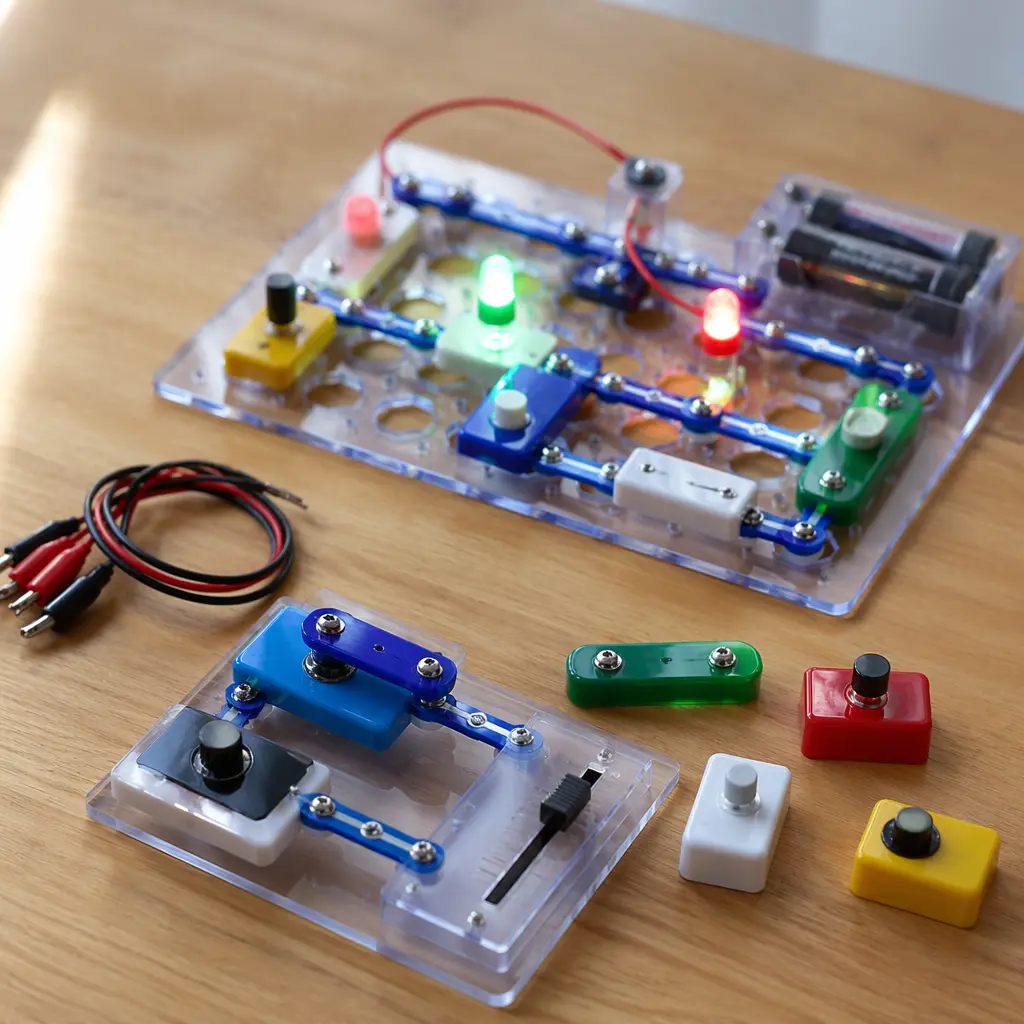
- Circuit-building kits: Modular pieces snap or plug together to teach how electricity flows and components interact
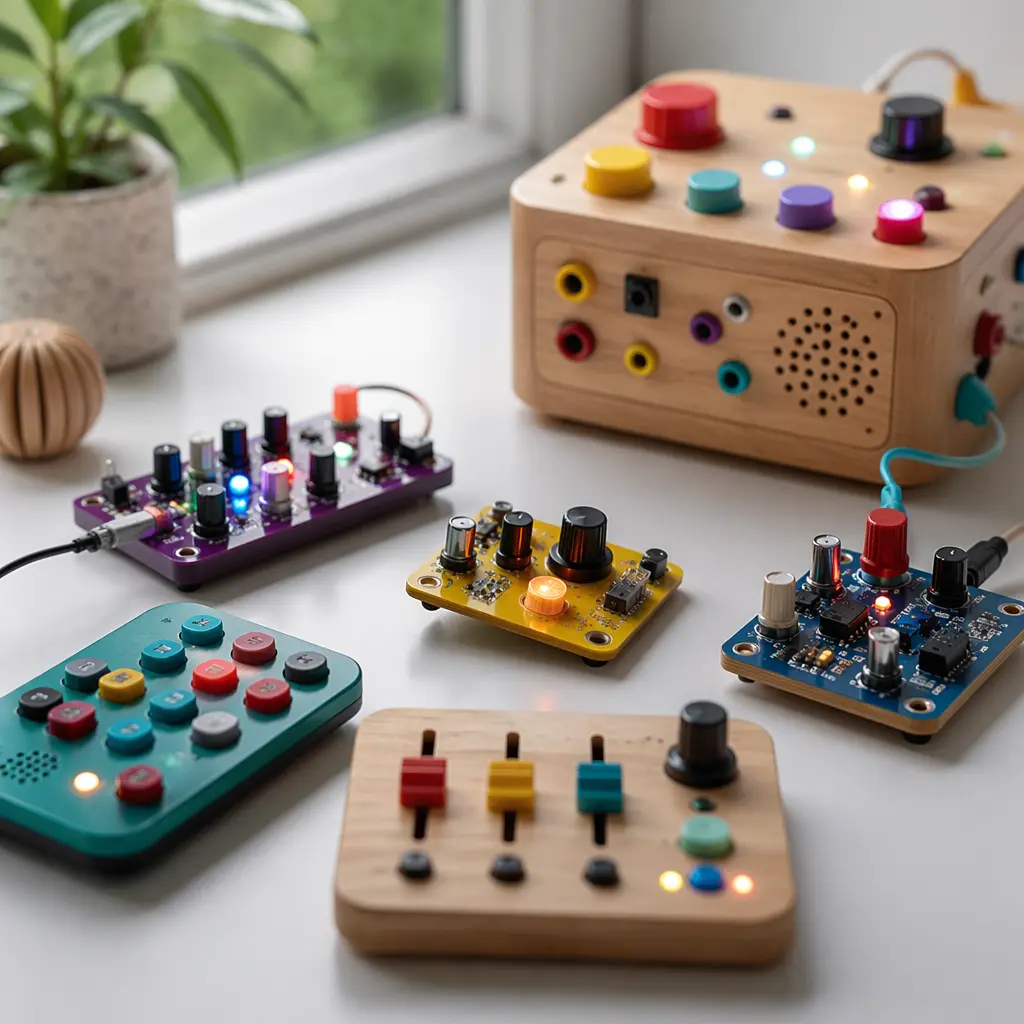
- Sound and music electronics: Toys that generate tones, rhythms, or effects using knobs and switches instead of software
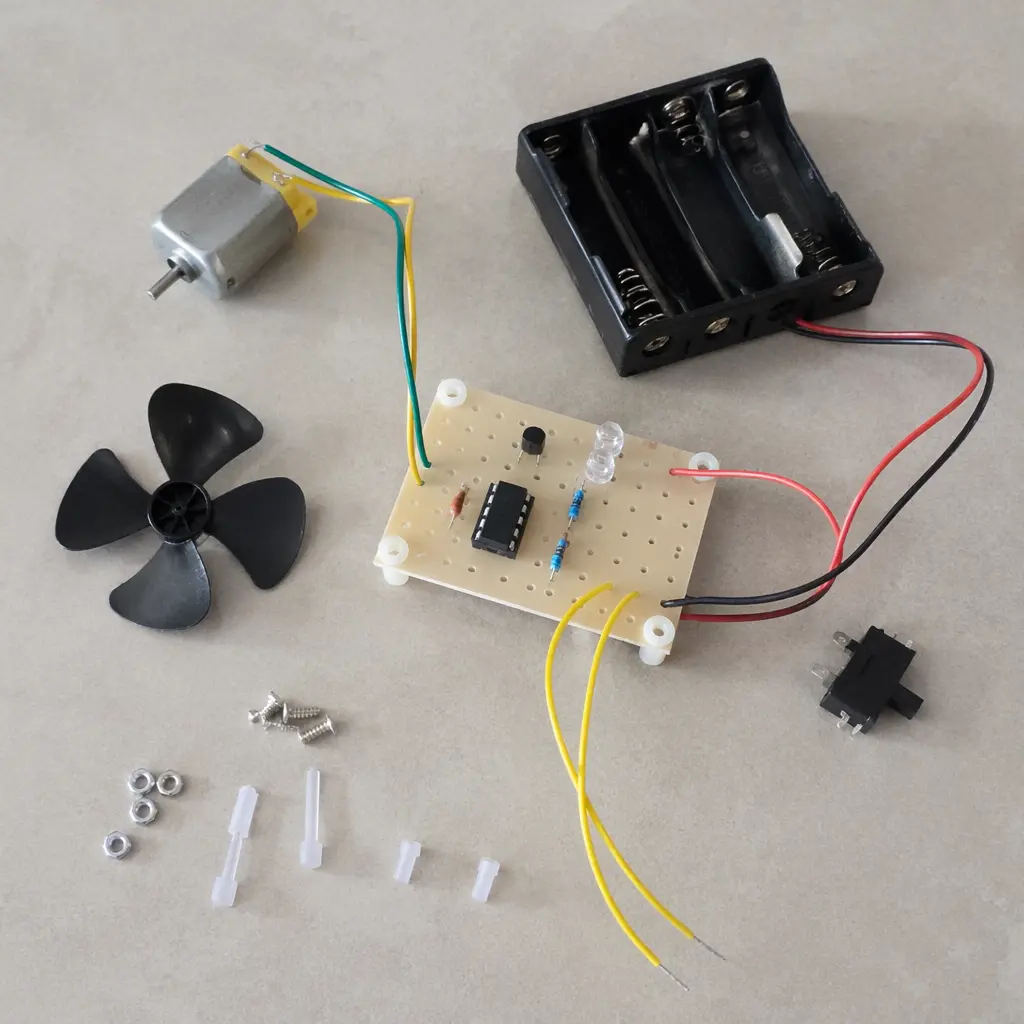
- Motion and mechanics sets: Motors, gears, and sensors that show how electrical energy becomes movement
- Logic and puzzle boards: Physical inputs that trigger specific outputs, introducing cause-and-effect reasoning
- Science-focused instruments: Tools that measure light, resistance, or speed using simple electronic displays or indicators
Across these categories, the strongest options encourage trial and error. Kids can adjust a dial, re-route a connection, or swap a component and immediately see what changes. That instant feedback is what makes screen-free electronics feel engaging and modern, even without digital displays.
Frequently asked questions
Do screen-free electronic toys still teach tech skills?
Yes. These toys focus on foundational skills like understanding circuits, inputs and outputs, and problem-solving. Those concepts transfer directly to later learning in coding, robotics, and engineering.
Will my child get bored without a screen?
Most boredom comes from limited replay value. Toys that allow multiple builds, challenges, or creative outcomes tend to hold attention longer than one-trick gadgets, even without animations or apps.
Are these toys harder to use than app-based ones?
They can feel more hands-on at first, but many kids find physical controls easier to understand. Clear printed instructions and visible components often make troubleshooting more intuitive than navigating menus.
Do screen-free electronic toys need batteries?
Most do, typically using standard household batteries. Some sets also include manual power options or low-voltage packs designed for safe, repeated use.
Screen-free electronic toys offer a middle ground between traditional play and modern tech learning. For parents seeking engaging, educational options without added screen time, these toys provide hands-on discovery that can grow with a child’s curiosity and confidence.