Beginner Electronics Kits Teens Can Finish in One Weekend
A parent-friendly guide to beginner electronics kits for teens 13+. Learn what to look for, age fit, and fast, rewarding kit types that can be completed in a single weekend.
Compare prices and availability
Check current prices and availability for this guide on eBay.
As an eBay Partner, we may be compensated if you make a purchase.
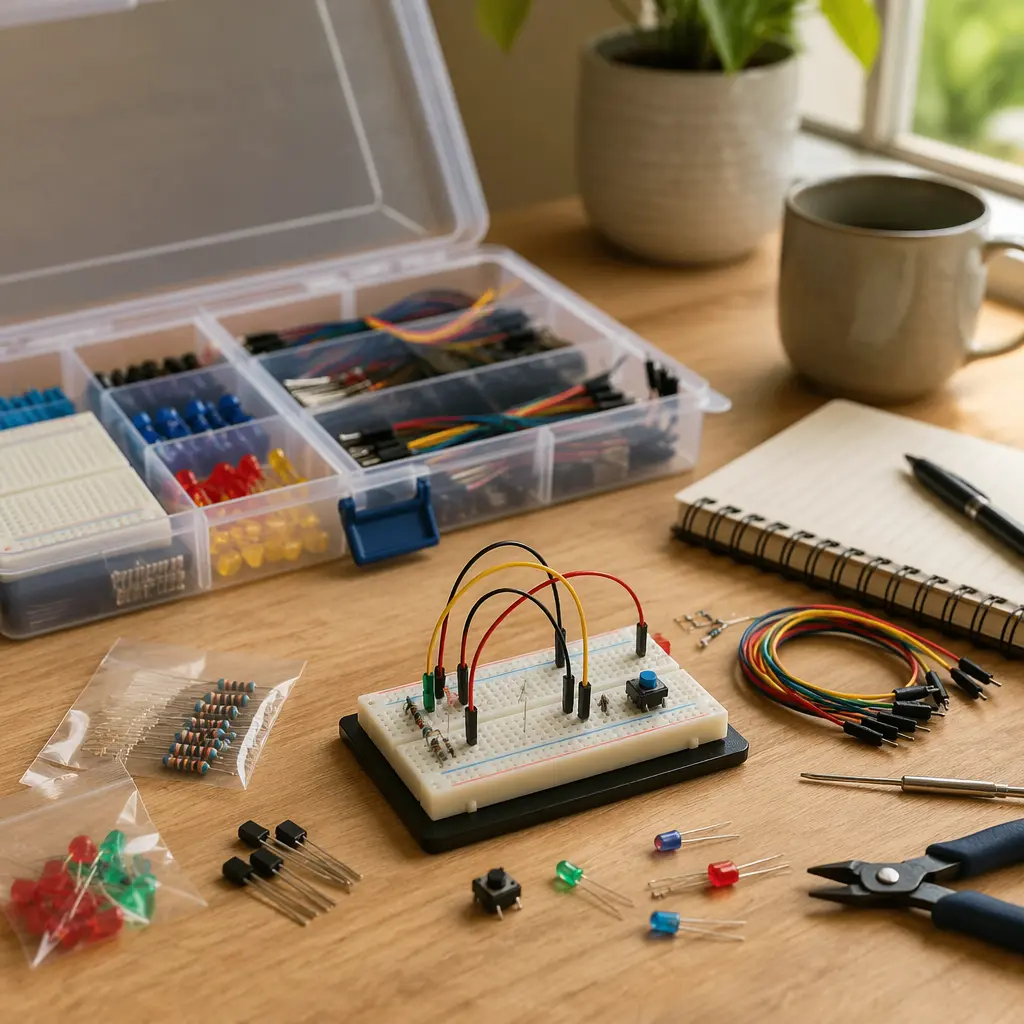
Beginner electronics kits can be a great way for teens to explore technology without feeling overwhelmed. For parents, the sweet spot is a kit that feels achievable, teaches real skills, and delivers a working result quickly. Weekend-friendly kits are especially appealing because they fit into busy schedules and give teens a sense of accomplishment before interest fades.
What to look for
Not all electronics kits labeled “beginner” are equal. Some still assume prior knowledge or take much longer than expected. When shopping for a kit a teen can realistically finish in one weekend, focus on clarity, scope, and the type of learning involved.
- Clear, step-by-step instructions with diagrams rather than dense text
- A defined end project, such as a working gadget or visual result
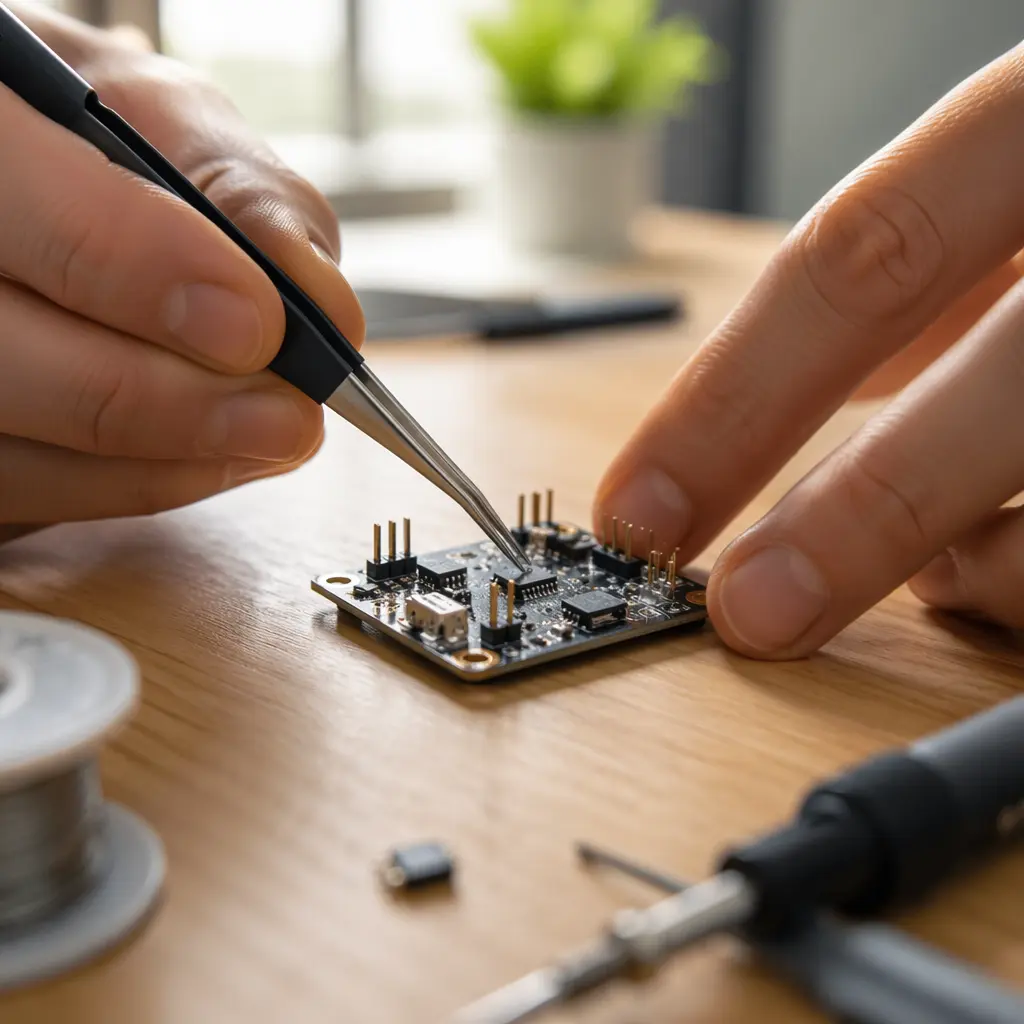
- Limited soldering or optional solder-free assembly for first-timers
- All required parts included, with no extra tools beyond basics
- Troubleshooting tips that explain common mistakes
Age suitability
For teens ages 13 and up, kits should balance independence with guidance. At this age, many teens can follow multi-step instructions and understand basic concepts like circuits, polarity, and simple coding logic. Look for kits that explain the “why” behind each step without turning the project into a textbook. A weekend kit should feel challenging but not frustrating, allowing most teens to complete it with minimal adult intervention.
Standout categories or types
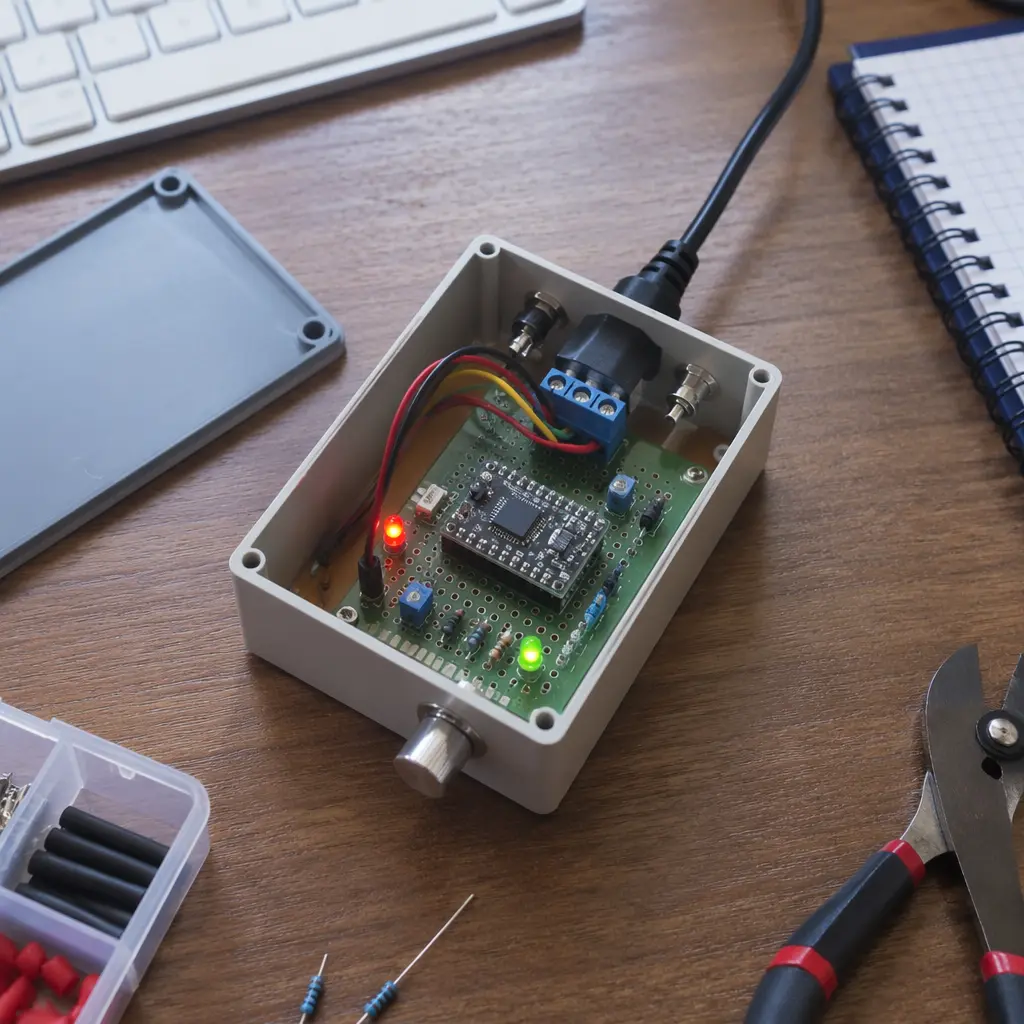
Some types of electronics kits are especially well suited to quick, satisfying builds. These tend to focus on a single concept and avoid long setup or open-ended programming that can stretch a project across weeks.
- Snap-together circuit kits that demonstrate basic electricity and signals
- Simple microcontroller projects with pre-written code and guided uploads
- LED-based projects that create visual patterns or light displays
- Small audio or alarm circuits with a clear on/off result
- Intro robotics or motion kits with limited parts and preset behaviors
Kits in these categories often give teens a quick win: flip a switch, upload code, or connect a battery and see the result immediately. That feedback loop is key to keeping motivation high over a single weekend.
Frequently asked questions
Do teens need prior electronics experience?
No prior experience is usually required for true beginner kits. These are designed to introduce concepts from the ground up. Basic comfort with following instructions and using a computer, if needed, is typically enough.
Will a one-weekend kit still be educational?
Yes. Short projects can effectively teach core ideas like how circuits work, how inputs and outputs connect, or how simple code controls hardware. The key is focused learning rather than covering too many topics at once.
Is soldering necessary for beginners?
Many beginner kits avoid soldering entirely or make it optional. Solder-free connections are often better for a first experience, while light soldering can be a good next step with supervision.
What if the project doesn’t work at first?
Troubleshooting is part of the learning process. Good kits include checks for common errors, such as reversed components or loose connections. Working through these issues helps build problem-solving skills.
Beginner electronics kits that can be finished in a weekend offer a practical entry point into STEM learning. By choosing a kit with clear goals, age-appropriate guidance, and a fast payoff, parents can help teens experience the satisfaction of building something real—without turning a fun project into a drawn-out commitment.