Beginner Tech Toys That Teach Real Skills Without Screens
A parent-friendly guide to screen-free tech toys for ages 9–12, focusing on hands-on electronics, coding concepts, and visible cause-and-effect that build real skills.
Compare prices and availability
Check current prices and availability for this guide on eBay.
As an eBay Partner, we may be compensated if you make a purchase.
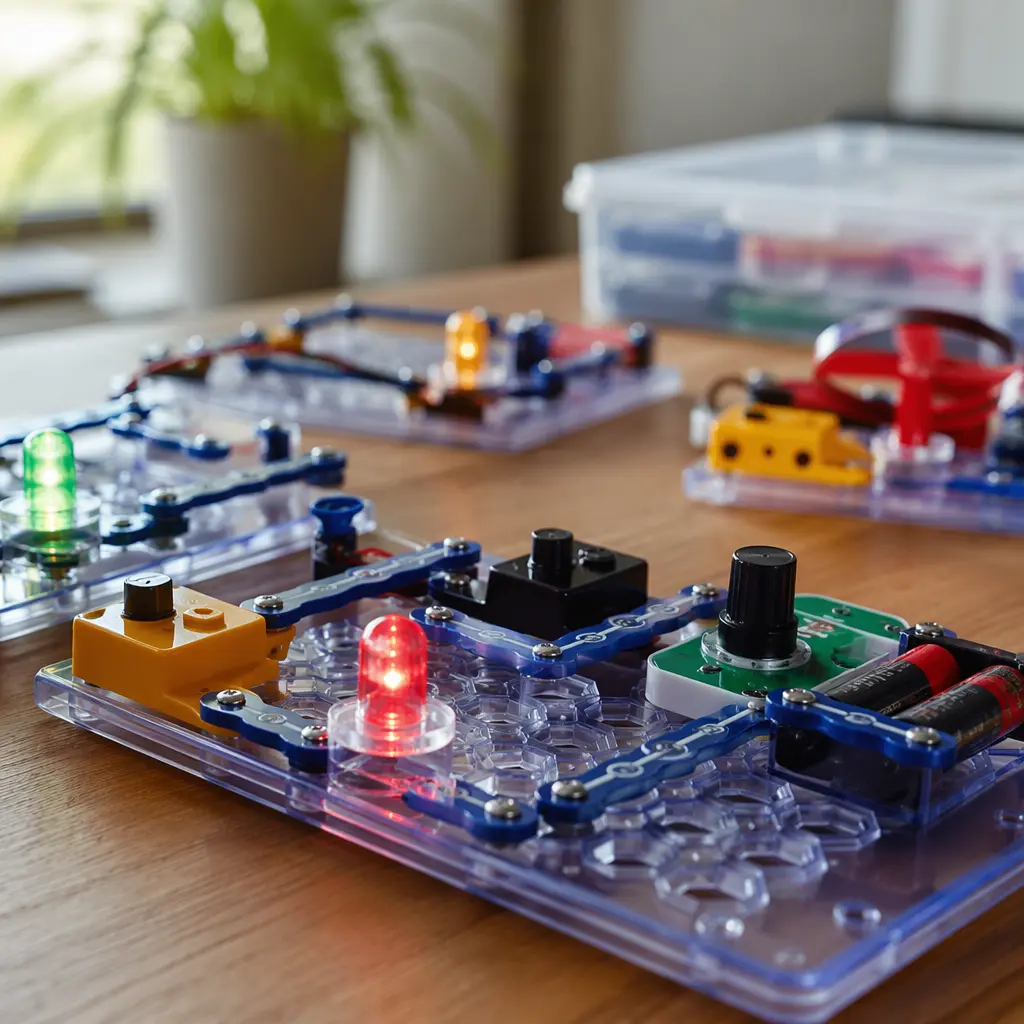
For kids ages 9–12, tech toys can be more than entertainment. The best beginner options teach real-world skills—like logic, problem-solving, and basic electronics—without relying on screens. These toys use physical inputs such as switches, dials, motors, and lights so kids can see and feel cause-and-effect as it happens.
What to look for
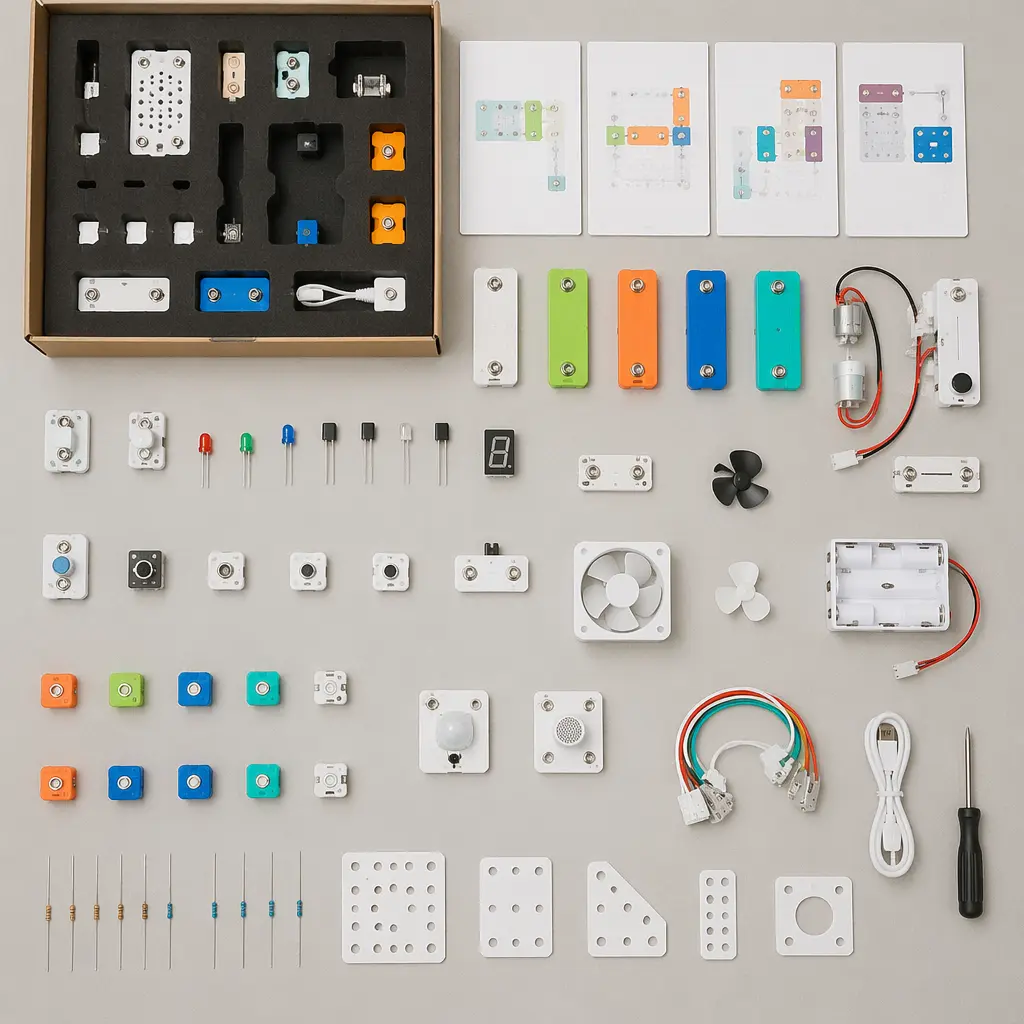
Screen-free tech toys vary widely in complexity and learning goals. For this age group, look for sets that balance freedom to experiment with enough structure to prevent frustration. The focus should be on understanding how things work, not just following steps.
- Physical controls like switches, buttons, sliders, or knobs that change outcomes immediately
- Visible results such as lights turning on, motors spinning, or sounds changing
- Open-ended builds that allow kids to try their own ideas after completing basics
- Clear instructions that explain why something works, not just how
- Durable components designed for repeated assembly and disassembly
Age suitability
Kids ages 9–12 are ready for more abstract thinking, but they still learn best through hands-on play. At this stage, many can follow multi-step diagrams, test hypotheses, and troubleshoot simple problems. Toys that introduce circuits, mechanical movement, or logic sequences are a good match, as long as the complexity builds gradually. Look for kits labeled for upper elementary or middle school learners, and check whether optional expansion parts are available as skills grow.
Standout categories or types
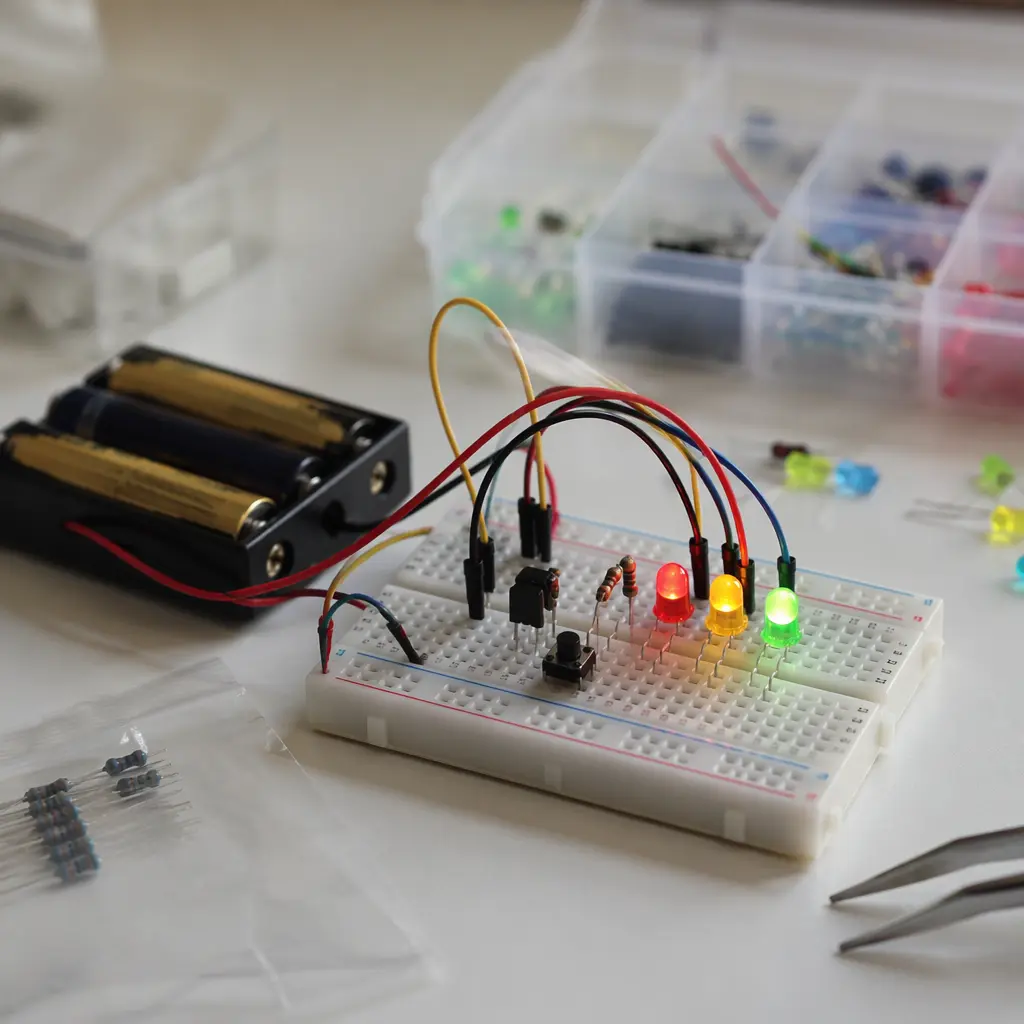
Several categories of tech toys stand out for teaching real skills without screens. Circuit-building kits use snap-together or plug-in parts to demonstrate how electricity flows. Kids can experiment safely while learning terms like current, resistance, and polarity through direct observation.
Mechanical and electro-mechanical kits combine gears, levers, and motors. These sets show how electrical energy turns into motion and help kids understand engineering basics. Another strong category is logic and coding-through-play toys, which use physical blocks, cards, or dials to create sequences and rules—introducing programming concepts without a tablet or computer.
Frequently asked questions
Do screen-free tech toys still teach coding skills?
Yes. Many toys teach coding concepts like sequencing, loops, and conditionals using physical pieces. Kids learn the logic behind programming before moving on to text-based coding later.
Will these toys hold interest without games or apps?
For many kids, the ability to build, test, and modify their own creations is highly engaging. Open-ended kits tend to hold attention longer than one-time projects.
Are these toys suitable for beginners with no tech background?
Most beginner-focused kits assume no prior knowledge. Look for step-by-step introductions and explanations that use plain language and diagrams.
How much adult help is usually needed?
Initial setup or the first project may benefit from adult help. Once kids understand the basics, many can work independently and only need occasional guidance.
Screen-free tech toys give kids a strong foundation in how technology actually works. By focusing on physical inputs and visible results, these toys turn abstract ideas into something kids can touch, test, and understand—skills that support future learning in science, engineering, and beyond.