Bitzee Disney vs Punirunes for Lower-Maintenance Play
Choosing between Bitzee Disney and Punirunes? This parent-focused guide compares upkeep, durability, travel use, reset frustration and app-free play for ages 6–8.
Compare prices and availability
Check current prices and availability for this guide on eBay.
As an eBay Partner, we may be compensated if you make a purchase.
Bitzee Disney and Punirunes are both popular alternatives to app-based virtual pets, but they feel quite different in day-to-day family use. Both are handheld electronic toys aimed at younger children who enjoy collecting characters, feeding pets and short play sessions. For parents, the more important question is often which one creates fewer frustrations over time. That usually comes down to maintenance, durability, reset risks, travel convenience and how much supervision a child still needs once the novelty wears off. Neither toy is completely screen-free, but both keep play self-contained without requiring a phone, downloads or ongoing online accounts.
What to look for
For children in the 6–8 age range, virtual pets work best when the controls are simple enough for independent play but varied enough to stay interesting after the first week. The biggest differences between Bitzee Disney and Punirunes are how interactive they feel physically, how demanding they are to manage and how easily a child can recover if progress is lost. Parents may also want to think about noise levels during travel, battery access, and whether the toy encourages quick pick-up play or longer attention spans.
- Check how the toy saves progress and whether accidental resets are possible during battery changes or menu navigation.
- Look at the physical design. Hinged toys and moving parts can feel more interactive but may be less durable in backpacks.
- Consider sound controls. Some virtual pets become repetitive during car rides or shared spaces if volume cannot be lowered easily.
- Think about play style. Some children enjoy collecting characters while others prefer nurturing one long-term pet.
- Choose based on independence level. Younger children may still need help understanding menus, unlock systems or care routines.
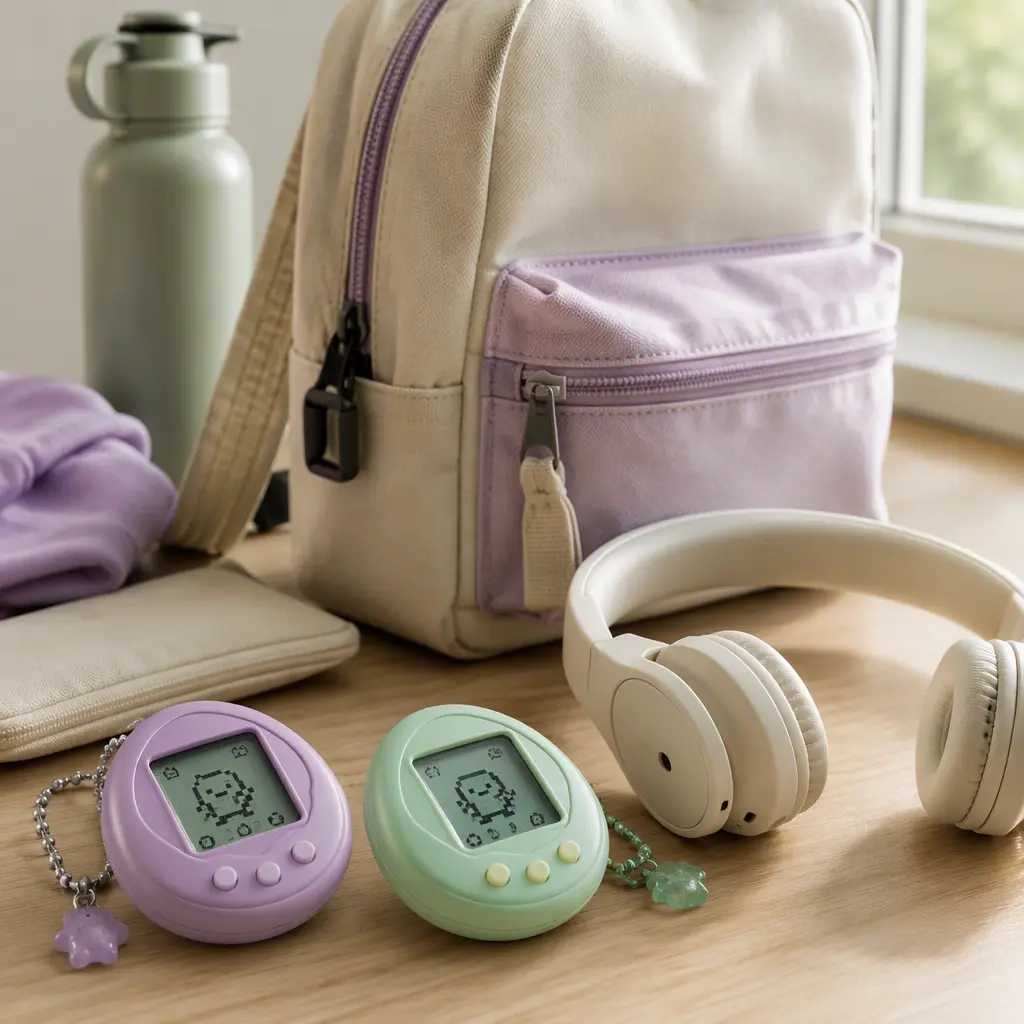
- If travel use matters, compare pocket size, battery requirements and whether the toy works well without a flat surface.
- Remember that electronic pets usually need occasional battery replacements even if they do not connect to apps or Wi‑Fi.
Age suitability
Both toys are generally aimed at children who can follow simple menu systems and understand cause-and-effect play. Around ages 6–8, many children are comfortable feeding pets, unlocking characters and navigating mini-games independently. Bitzee Disney may appeal more to children who already recognize Disney characters and enjoy animated reactions. Punirunes often suits children who like tactile play because the toy combines digital interaction with a squishy touch interface. Children who become upset by missed care tasks or accidental progress loss may need occasional support with either toy, especially during the first few days of learning the controls.
Options compared
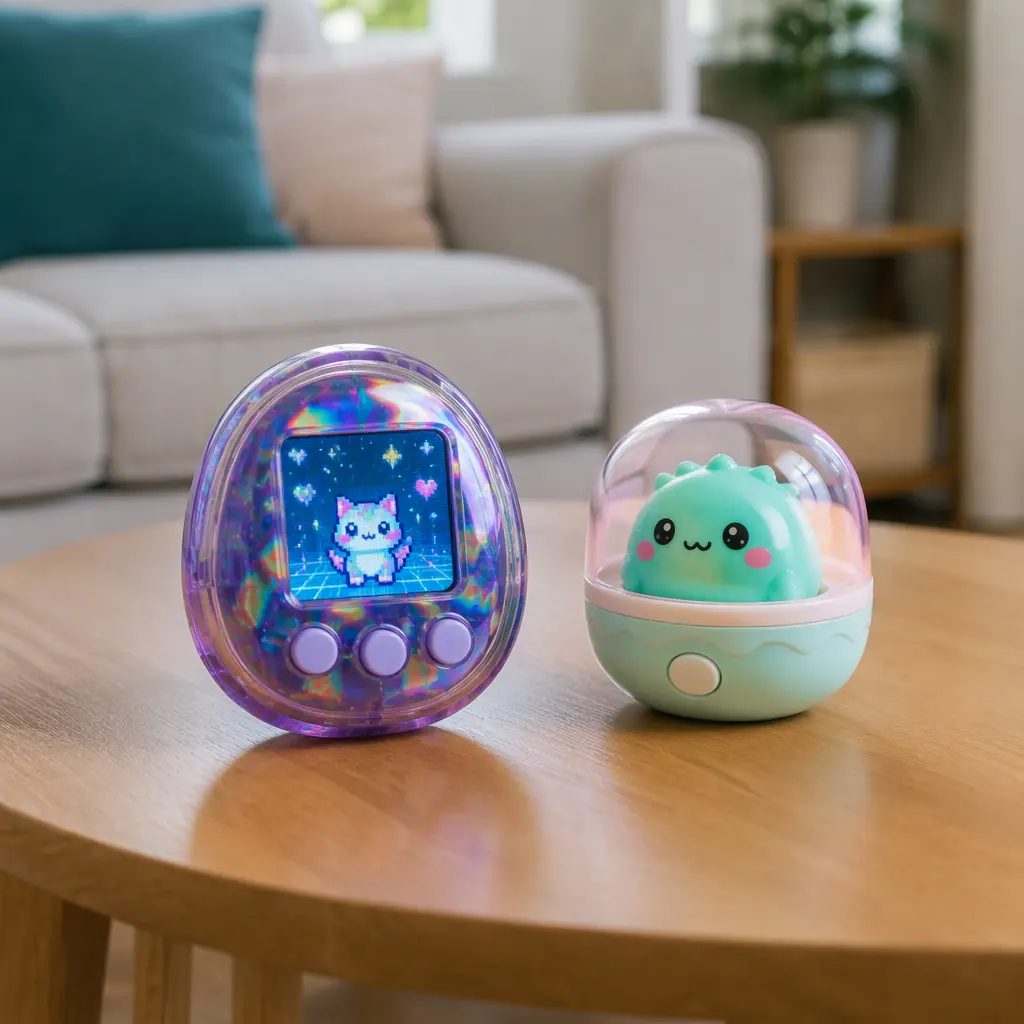
Bitzee Disney builds its appeal around animated character interactions inside a compact case. The display effect is designed to look more lively than a traditional pixel pet, and the flipping, swiping and motion-based interactions can feel novel for children who have only used static virtual pets before. That extra movement is fun, but it also introduces more hinges and moving components than some simpler electronic toys. Families looking for a toss-in-a-bag travel toy may want to handle it carefully around packed backpacks or crowded school bags.
Punirunes takes a different approach by combining digital pets with a tactile squishy-style control area. The physical interaction is often the main selling point rather than animated visuals alone. For children who enjoy sensory fidget toys, this can make the experience feel more hands-on and less repetitive. The trade-off is that the toy may collect lint, dust or sticky residue more easily than fully enclosed button-based devices. Parents who prefer very low-mess electronics may notice this over time, especially if the toy travels between school, cars and outdoor settings.
- Bitzee Disney may suit children who enjoy recognizable characters, collecting unlockables and animated reactions in short bursts of play.
- Punirunes may suit children who prefer tactile interaction and sensory-style play alongside virtual pet care.
- For lower-maintenance travel use, simpler button-driven toys usually survive backpacks better than toys with larger moving sections or exposed touch areas.
- Children who become attached to progress may prefer whichever toy offers clearer save behavior and simpler navigation after battery changes.
- Neither option depends heavily on apps or cloud accounts, which can reduce privacy concerns and long-term subscription costs compared with connected smart toys.
- Parents seeking completely quiet play should expect occasional sound effects from either toy, although short interaction sessions are usually easier to manage than louder electronic games.
- Children who lose interest quickly in repetitive care loops may enjoy these toys for shorter novelty phases rather than long-term daily engagement.
Frequently asked questions
Do these toys require Wi‑Fi or apps?
Bitzee Disney and Punirunes are generally designed as self-contained electronic toys rather than app-dependent connected devices. That means children can usually play without creating accounts, downloading software or managing subscriptions. Parents who want simpler offline electronics often see this as a major advantage over phone-based virtual pets.
Which toy is easier for travel?
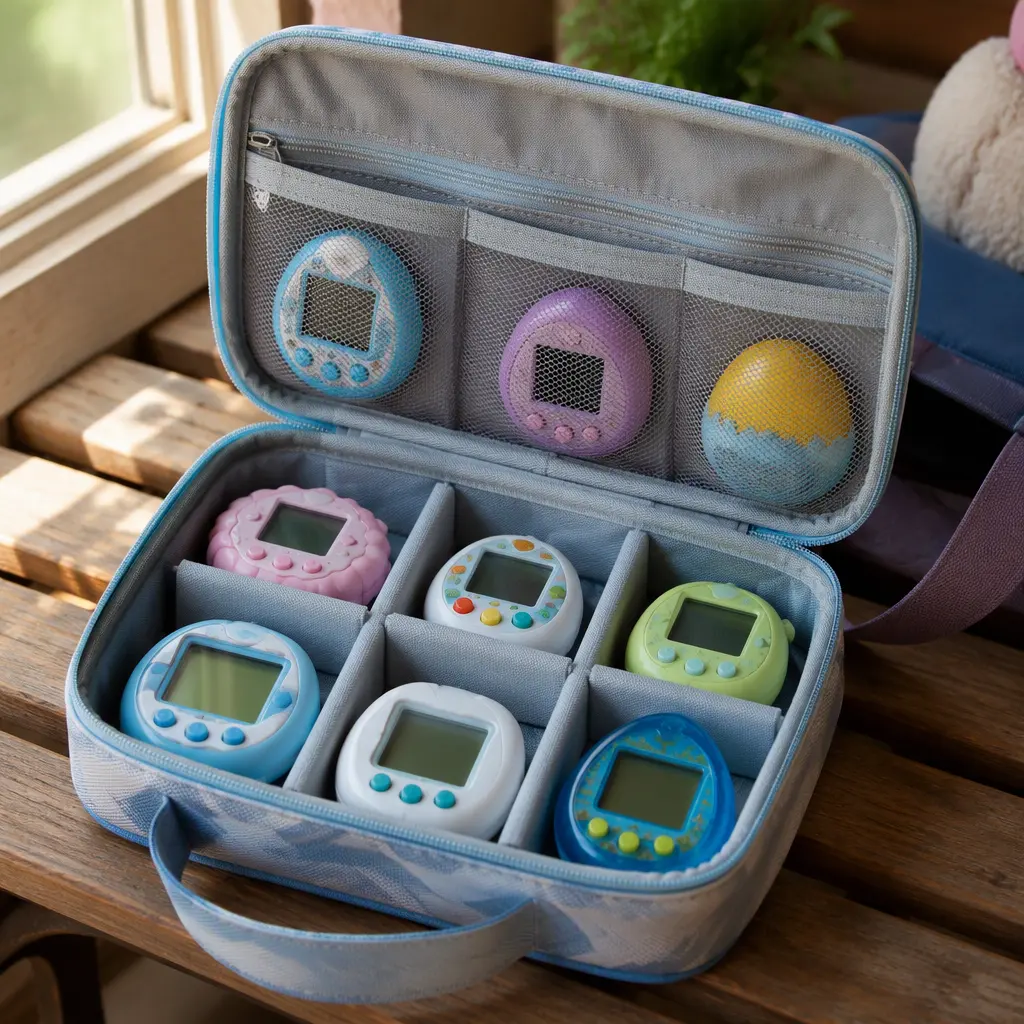
Both are compact enough for car rides and waiting rooms, but travel convenience depends on how carefully the toy will be handled. A toy with exposed moving sections or tactile surfaces may need gentler packing than a basic handheld device with enclosed buttons. Carry cases or zip pouches can help reduce scratches and accidental button presses during trips.
Are virtual pets frustrating for younger children?
They can be. Some children enjoy routine care tasks while others become upset if a pet reacts negatively or if progress is interrupted. Reset confusion is another common issue with electronic pets. Children in the lower end of the age range may need help understanding that progress systems are part of the game rather than permanent achievements.
Do these toys replace screen time or add to it?
They still involve digital interaction, but they are usually more limited and focused than tablets or phone games. Sessions tend to be shorter, and there are fewer distractions, advertisements or online features. For some families, that makes them easier to manage as occasional entertainment rather than all-day devices.
Which option is lower maintenance overall?
That depends on what “maintenance” means in your household. If durability and clean storage matter most, a fully enclosed toy may feel simpler over time. If emotional engagement matters more, a tactile pet toy may hold attention longer despite needing occasional cleaning or more careful handling. Families looking for the least complicated experience often prioritize straightforward controls, easy battery access and reliable progress saving over flashy interactions.
For most families deciding between Bitzee Disney and Punirunes, the better choice is less about features and more about temperament. Children who love collecting familiar characters and animated reactions may prefer Bitzee Disney, while children who enjoy tactile interaction and sensory play may lean toward Punirunes. Parents focused on lower-maintenance ownership should pay closest attention to durability, cleaning needs, travel handling and how easily a child copes with resets or interrupted progress.