Toniebox Lite vs Yoto Player 3rd Gen for Bedtime
A parent-focused comparison of Toniebox Lite and Yoto Player 3rd Gen for bedtime use, covering speaker quality, sleep routines, night controls, travel charging and whether cards or figures suit young kids better.
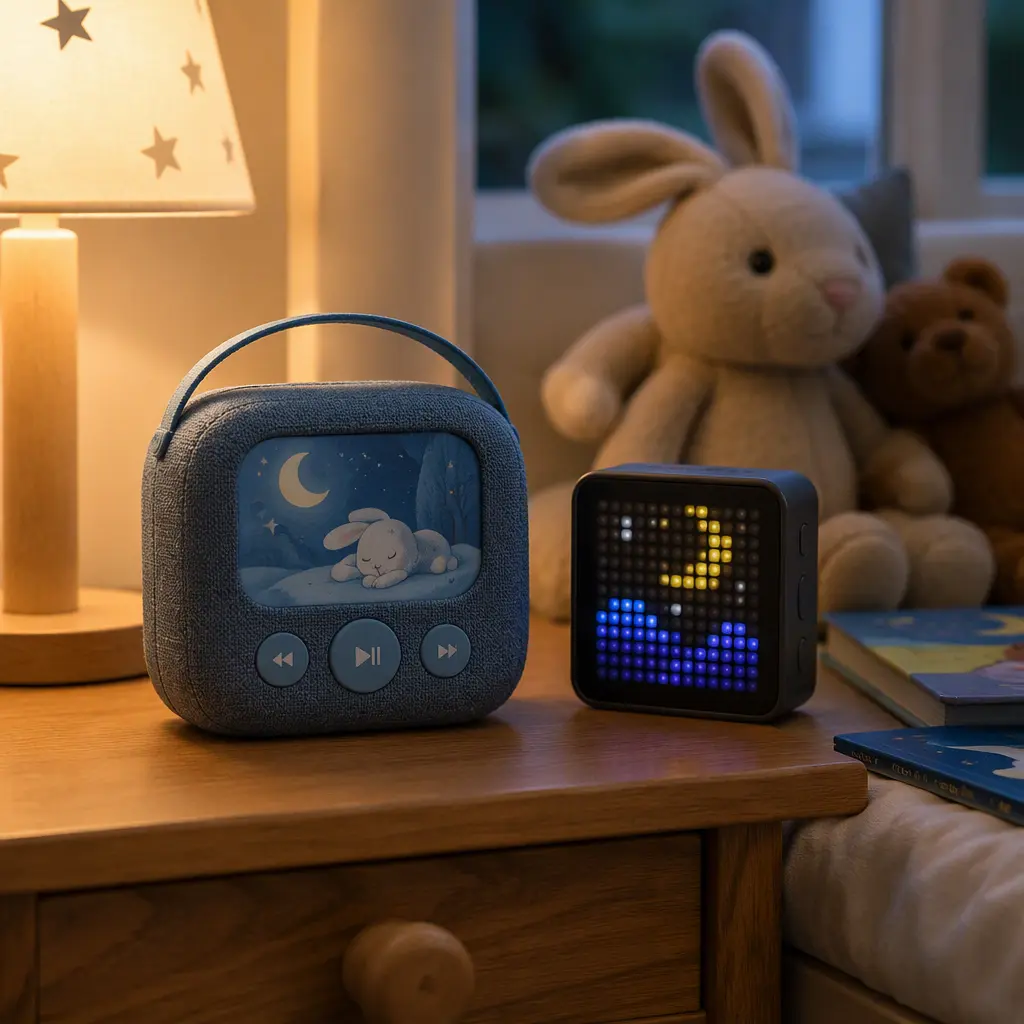
Compare prices and availability
Check current prices and availability for this guide on eBay.
As an eBay Partner, we may be compensated if you make a purchase.
For many families, a bedtime audio player sits somewhere between a toy and a sleep tool. The Toniebox Lite and Yoto Player 3rd Gen both aim to give young children independent access to stories, music and calming audio without a full tablet or phone. They take different approaches, though. Toniebox uses character figures placed on top of the speaker, while Yoto uses cards inserted into a slot. For bedtime specifically, the choice often comes down to how easily a child can control it in the dark, how disruptive the device feels in a shared room, and how much parents want to manage charging, content and connected features.
What to look for
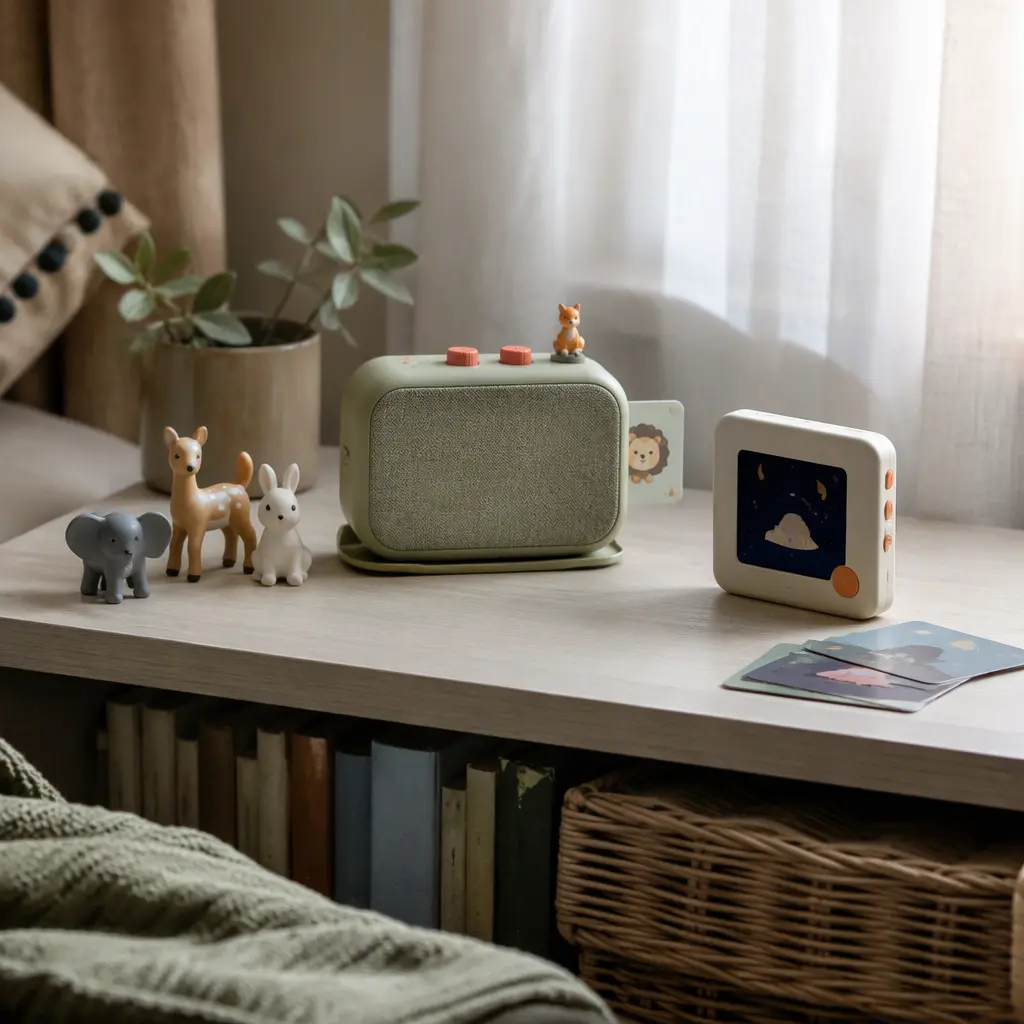
Bedtime use is different from daytime play. Parents usually want predictable controls, low-light usability and audio that stays clear at low volume. Since both products are connected devices with companion apps, it is also worth checking how much internet access is required after setup, whether content depends on cloud services, and how easy it is to manage from a phone. Younger preschoolers may care more about tactile interaction, while older children often adapt quickly to card systems and menus.
- Speaker quality at low volume: softer bedtime listening benefits from clear speech without harsh treble or distorted bass.
- Night controls and sleep features: look for timers, dimmable lights and controls children can use independently in the dark.
- Charging and travel use: wireless charging docks can simplify nightly charging, while USB-C charging may be easier when travelling.
- Content handling: Toniebox uses figures, while Yoto uses cards. Figures are easier for some younger children to grab, but cards are flatter and easier to pack.
- Durability and mess: fabric-covered speakers may handle drops differently from harder plastic designs, but accessories can scatter around bedrooms.
- Connected features: both systems use apps for setup and content management. Check device compatibility, account requirements and whether playback still works offline after content is downloaded.
- Storage space: figure collections take more shelf space than cards, especially as children build larger libraries over time.
Age suitability
For ages 3 to 5, both systems fit the broad preschool range, but they suit slightly different stages. Toniebox often appeals strongly to younger preschoolers because placing a figure on top feels simple and physical. Children who struggle with small cards or fine motor tasks may also find figures easier to handle at bedtime when tired. Yoto Player 3rd Gen tends to work well for children nearing school age who can keep track of cards and understand more structured audio choices. The pixel-style display can help older preschoolers navigate independently, although it still avoids full-screen distraction. Families with siblings may also consider whether collectible figures or stacks of cards are easier to share and organize.
Options compared
The Toniebox Lite approach focuses on simplicity and tactile play. Children place a figure on the box to start playback, tap the sides for track changes and squeeze the ears for volume. For bedtime, this can feel intuitive even in low light because there are no menus or cards to insert carefully. Many parents also like that younger children can operate it with minimal reading skills or memorization. The trade-off is storage and cost over time. Figure-based libraries can occupy noticeable shelf space, and travelling with multiple figures may be less convenient than carrying a thin card wallet.
Yoto Player 3rd Gen takes a more compact, organized approach. Cards are easier to store and pack, which matters for holidays, shared bedrooms and smaller homes. The player also includes sleep-focused features such as clocks, timers and softer night-friendly controls depending on app setup and available content. The speaker style is often described by manufacturers and retailers as designed for both stories and music, and some families may prefer its more traditional front-facing audio direction for bedside listening. However, cards are easier to misplace than larger figures, especially with younger children who still scatter toys around bedrooms. Children who enjoy collecting tactile characters may also find cards less emotionally engaging than figures.
- Choose Toniebox Lite if your child prefers hands-on play, struggles with small cards or wants a highly tactile bedtime routine.
- Choose Yoto Player 3rd Gen if portability, compact storage and structured sleep features matter more.
- Shared bedrooms may benefit from whichever device offers clearer low-volume speech for your listening environment.
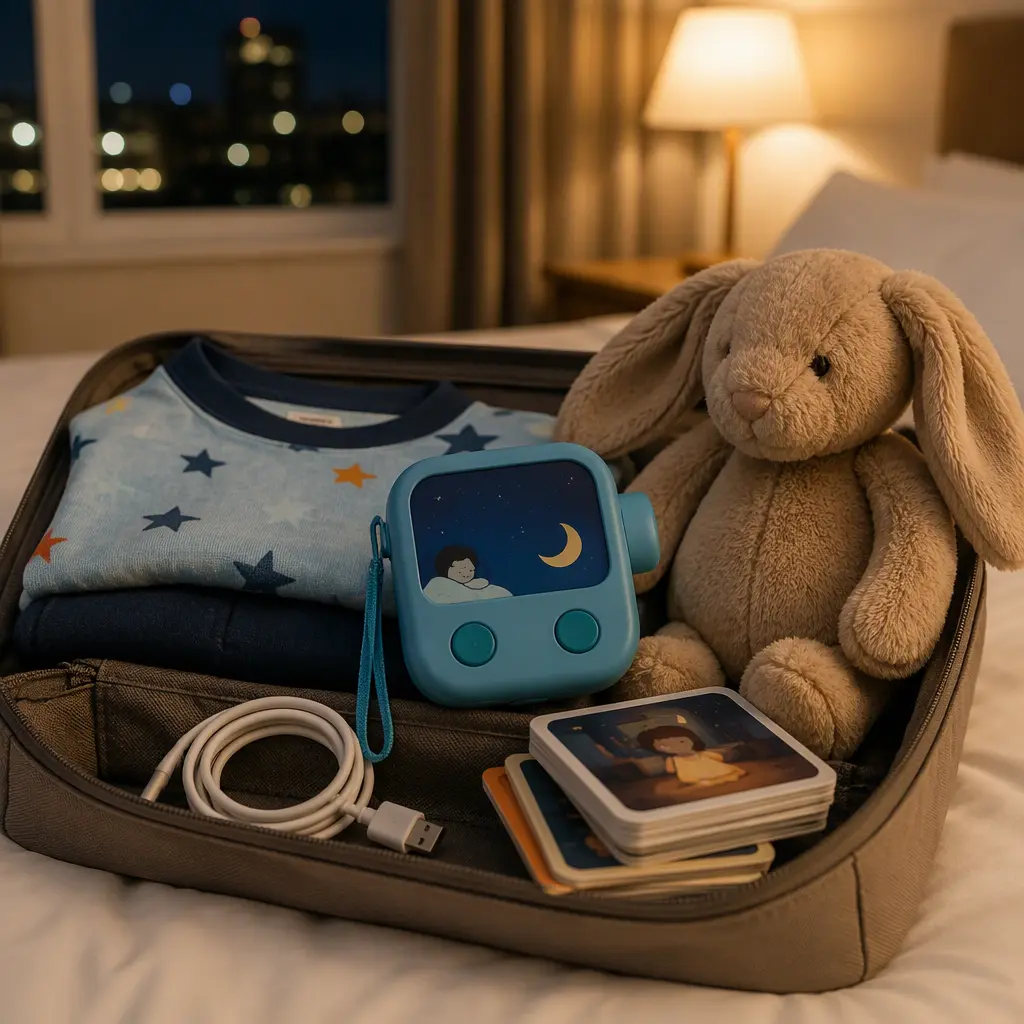
- Frequent travellers may prefer card storage and standard charging options over carrying multiple figures and accessories.
- Families trying to reduce toy clutter may find card libraries easier to organize than large character collections.
- Children who become overstimulated by bright displays may prefer the simpler appearance of a fabric-covered speaker.
Frequently asked questions
Do these players work without Wi-Fi?
Both systems are designed to download and manage content through connected apps, but downloaded audio can generally be played offline afterward. Initial setup, account management and some updates usually require internet access. Parents should check current manufacturer guidance because connected features can change over time.
Which is easier for children to use at night?
Many younger children find Toniebox easier because the controls are large and physical. There is less need to line up a card slot or navigate options when sleepy. Yoto can still work well independently, especially once children recognize their cards and bedtime routines become familiar.
Is one better for travel?
Yoto Player 3rd Gen often fits more easily into travel bags because cards are thin and lightweight. Tonie figures can take up more room and may need separate storage to avoid getting lost. Charging methods also matter when travelling, especially if families want to avoid carrying proprietary docks or extra accessories.
How important is speaker quality for bedtime?
At bedtime, clear speech at low volume usually matters more than loudness. Story narration that stays understandable without turning the volume up can help children settle more calmly. Families using audio during quiet time or overnight playback may also prefer speakers that sound balanced rather than overly bass-heavy.
Are the connected features worth it?
The connected apps mainly help with content management, playlists, parental controls and setup. They can add convenience, but they also create some dependence on phones, accounts and ongoing software support. Families wanting a completely offline audio device may prefer simpler CD players or preloaded audio products without cloud-linked ecosystems.
For bedtime specifically, the better choice depends less on brand loyalty and more on how your child interacts with routines. Toniebox Lite leans toward tactile comfort and simple physical interaction, while Yoto Player 3rd Gen emphasizes compact organization and broader sleep-focused features. Both can support screen-free listening habits, but the practical details — charging, storage, controls and content handling — usually determine which fits a family's evenings more smoothly.