HEXBUG Nano Flash and the Return of Tiny Robot Toys
HEXBUG Nano Flash sped up the familiar bug-bot formula with brighter colors, quicker movement, and simple autonomous play that appealed to kids, collectors, and desk-toy fans alike.
Compare prices and availability
Check current prices and availability for this guide on eBay.
As an eBay Partner, we may be compensated if you make a purchase.
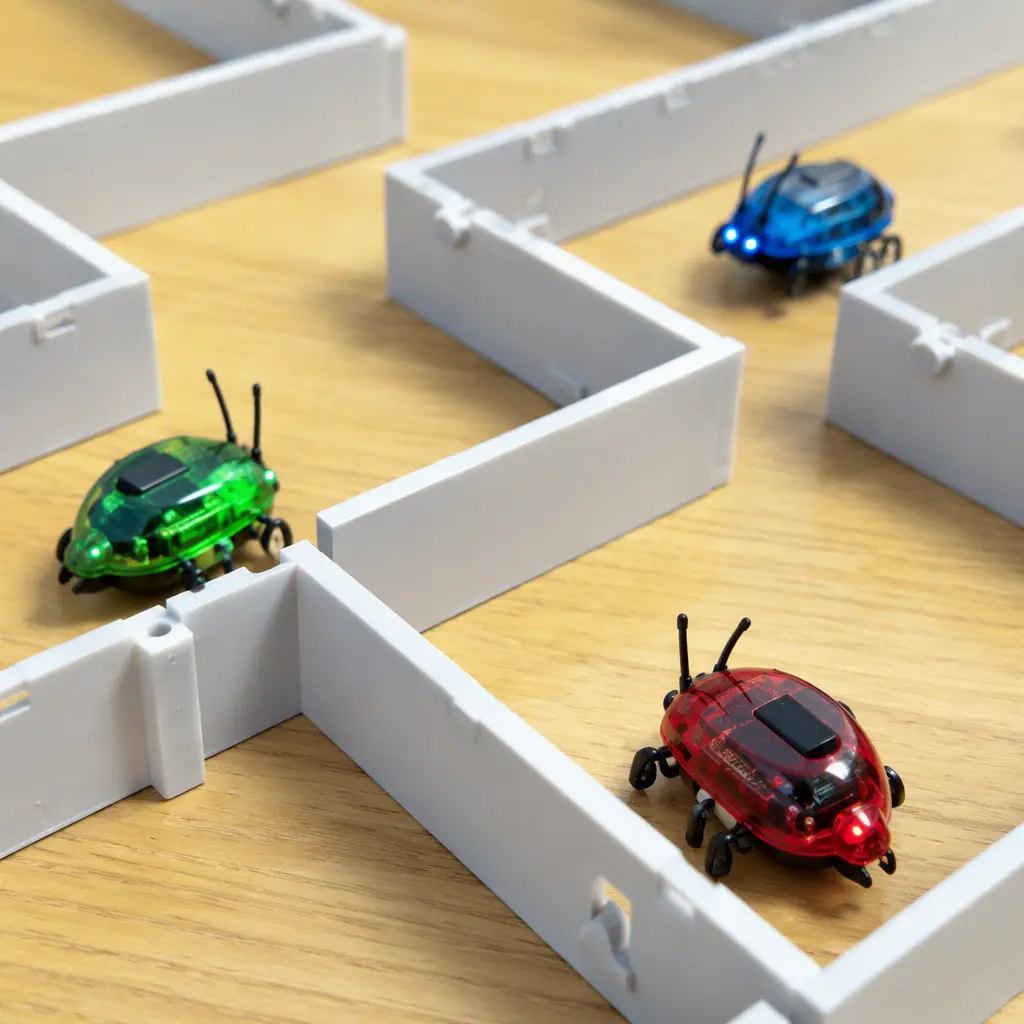
The HEXBUG Nano line has been around long enough to feel familiar, but the Nano Flash series gave the tiny robot toy category a noticeable jolt of energy. These palm-sized autonomous robots kept the same basic idea that made earlier HEXBUG toys popular: vibrating movement, unpredictable paths, and simple obstacle interaction. What changed was the pace. Nano Flash toys moved faster, looked brighter, and leaned harder into the quick, kinetic appeal that first made robotic bug toys feel futuristic to younger kids. In a toy market crowded with app-connected gadgets and screen-heavy play, their simplicity became part of the appeal.
Where it came from
HEXBUG itself emerged in the late 2000s during a period when small electronic toys were becoming cheaper, more durable, and easier to mass-produce. Inspired loosely by insect movement and simple robotics concepts, the original Nano toys used vibration motors and angled bristles to create lifelike skittering motion without complicated programming. The result was surprisingly convincing. Kids could drop them onto the floor or into custom habitats and watch emergent behavior appear from very basic mechanics.
Nano Flash arrived in 2022 as a faster and more visually energetic branch of that family. Rather than reinventing the platform, the line refined it. The movement speed increased, shell colors became more vivid, and the toys were positioned as high-energy collectibles that could race through tracks and habitats with more urgency. The timing also mattered. Interest in tactile, screen-free desk toys and STEM-adjacent gadgets had resurged among both children and adults, giving HEXBUG an opening to remind people why tiny autonomous toys were compelling in the first place.
Why it works
Part of the Nano Flash appeal comes from how little setup is required. There are no controllers, pairing menus, or learning curves. Switch one on and it starts moving immediately, bouncing off walls, changing direction, and navigating obstacles in ways that feel semi-random but strangely purposeful. That unpredictability is important. It creates the illusion of personality without relying on artificial intelligence or scripted behavior.
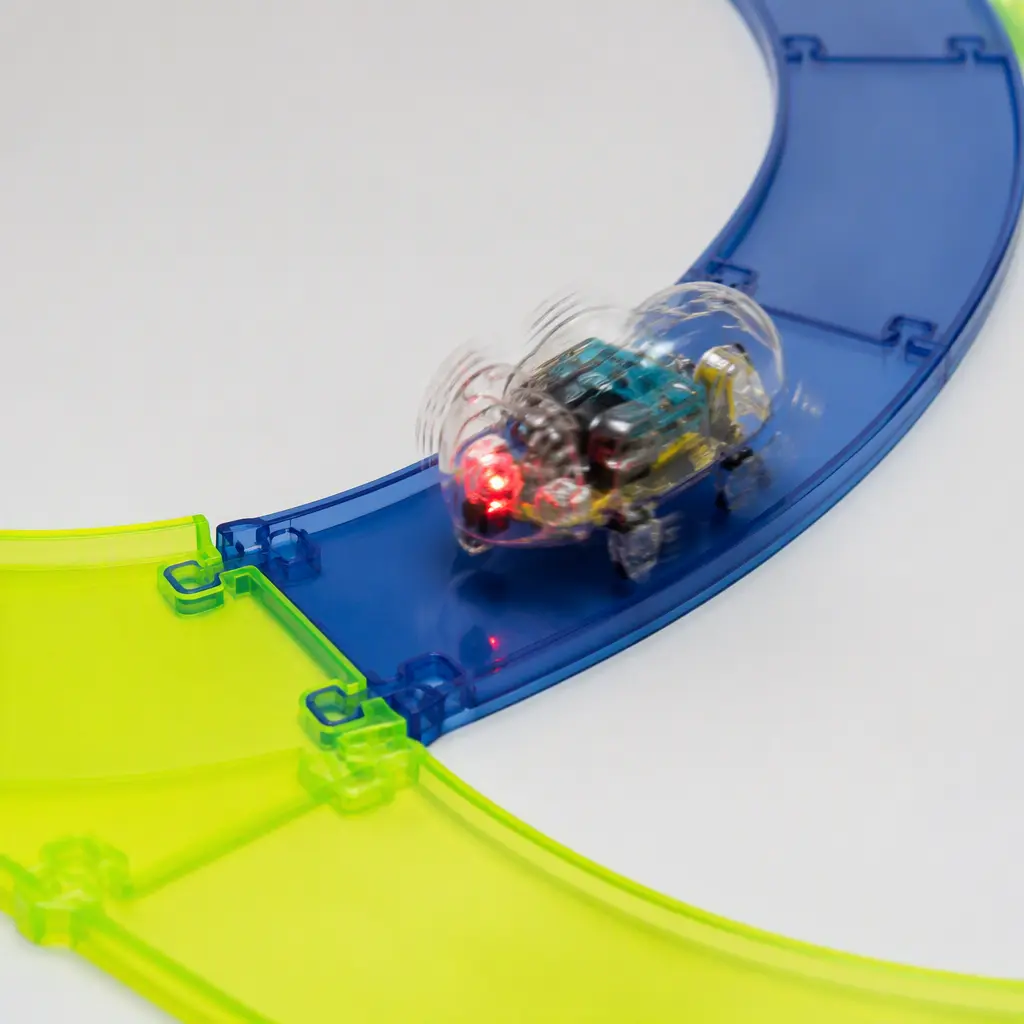
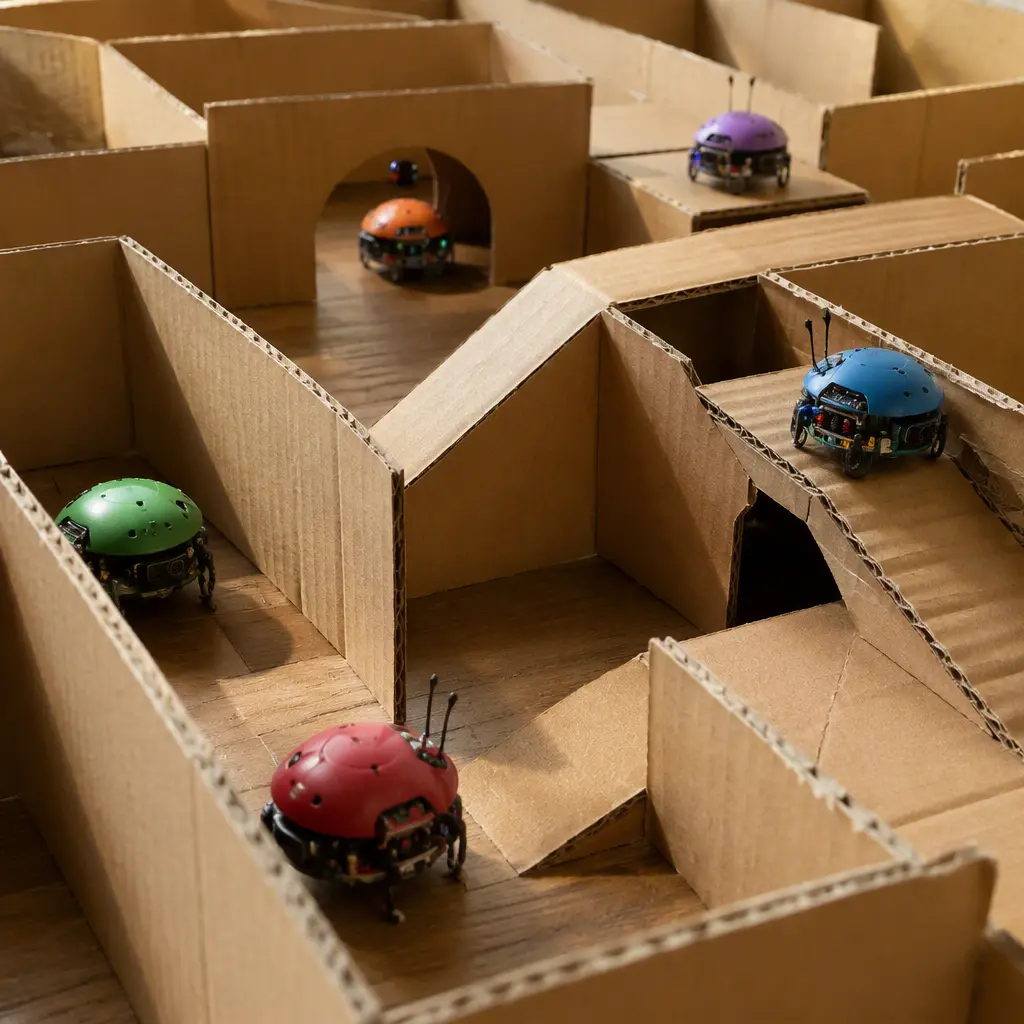
The faster movement in the Flash series also changes the way kids interact with the toy. Earlier Nano models often behaved like tiny pets wandering around habitats. Nano Flash toys behave more like racers. Their quicker pace encourages tracks, competitions, and collaborative builds using tunnels, barriers, and mazes. The toy becomes less about observation alone and more about experimentation with environments.
- Fast vibration-driven movement that creates lifelike skittering behavior
- Compact size that works well for portable play and desk setups
- Simple one-switch operation with no app or controller required
- Expandable habitat and maze compatibility across many HEXBUG-style sets
- Bright translucent shells that make movement easier to track during play
Who it's for
Nano Flash toys are generally approachable for elementary-school-aged kids, especially those interested in gadgets, insects, racing games, or simple robotics concepts. Their lightweight construction and immediate action make them easy to understand without adult instruction. Adults have also helped keep the category visible. Some use them as desk toys, conversation pieces, or collectible mini robots, while others enjoy building elaborate obstacle courses. The appeal crosses age groups because the core mechanic remains satisfying even after the novelty wears off.
Variants and what to look for today
The broader HEXBUG Nano ecosystem now includes track systems, carrying cases, glowing habitats, and themed environments designed around the same vibration-based movement. Nano Flash units fit into that larger ecosystem, which is part of why the line gained traction quickly. Parents often start with a single robot and gradually add environments or additional bots for races and obstacle play.
When shopping today, the main difference to pay attention to is compatibility and build quality. Some off-brand vibration toys look similar but use weaker motors or less durable bristles, which can make movement inconsistent. Official-style habitat systems generally provide smoother surfaces and better track connections. Battery access is another practical consideration since these toys are designed for repeated short play sessions rather than long continuous operation.
- Starter packs with a few robots and simple track pieces are often easiest for new users
- Large habitat systems work best on hard flat surfaces instead of thick carpet
- Replacement batteries are useful because performance drops noticeably as power fades
- Storage containers help prevent tiny track connectors and robots from getting lost
Frequently asked questions
Do Nano Flash toys use remote controls?
No. Like other Nano-style bug robots, they move autonomously using internal vibration motors and angled bristles. Their direction changes naturally as they collide with objects or walls.
Are they educational toys?
They are not programming kits, but they do introduce basic ideas related to robotics, motion, physics, and environmental interaction. Many classrooms and STEM clubs use similar toys for simple engineering challenges and maze experiments.
How durable are they?
The robots are generally resilient for their size, especially during indoor play on hard surfaces. Repeated drops from significant height or rough handling can damage shell pieces or internal motors, so storage matters.
Why did fast-moving bug robots become popular again?
Part of the renewed interest comes from contrast. As many toys became more app-dependent and screen-oriented, simple autonomous gadgets started to feel fresh again. Nano Flash toys offer immediate physical play, visible movement, and collectibility without requiring Wi-Fi or software updates.
HEXBUG Nano Flash did not radically reinvent robotic bug toys, but it sharpened the formula in ways that matched modern play habits. Faster motion, bright visual design, and easy compatibility with habitats and tracks helped the line stand out at a time when many electronic toys were becoming more complicated. That simplicity remains the strongest reason these tiny robots continue to skitter across toy shelves and desktop mazes alike.