Loona vs Moxie: Privacy and Offline Use Compared
A parent-focused comparison of Loona and Moxie covering microphones, cameras, cloud features, app dependence, offline play and what changes when connectivity is limited or disabled.
Compare prices and availability
Check current prices and availability for this guide on eBay.
As an eBay Partner, we may be compensated if you make a purchase.
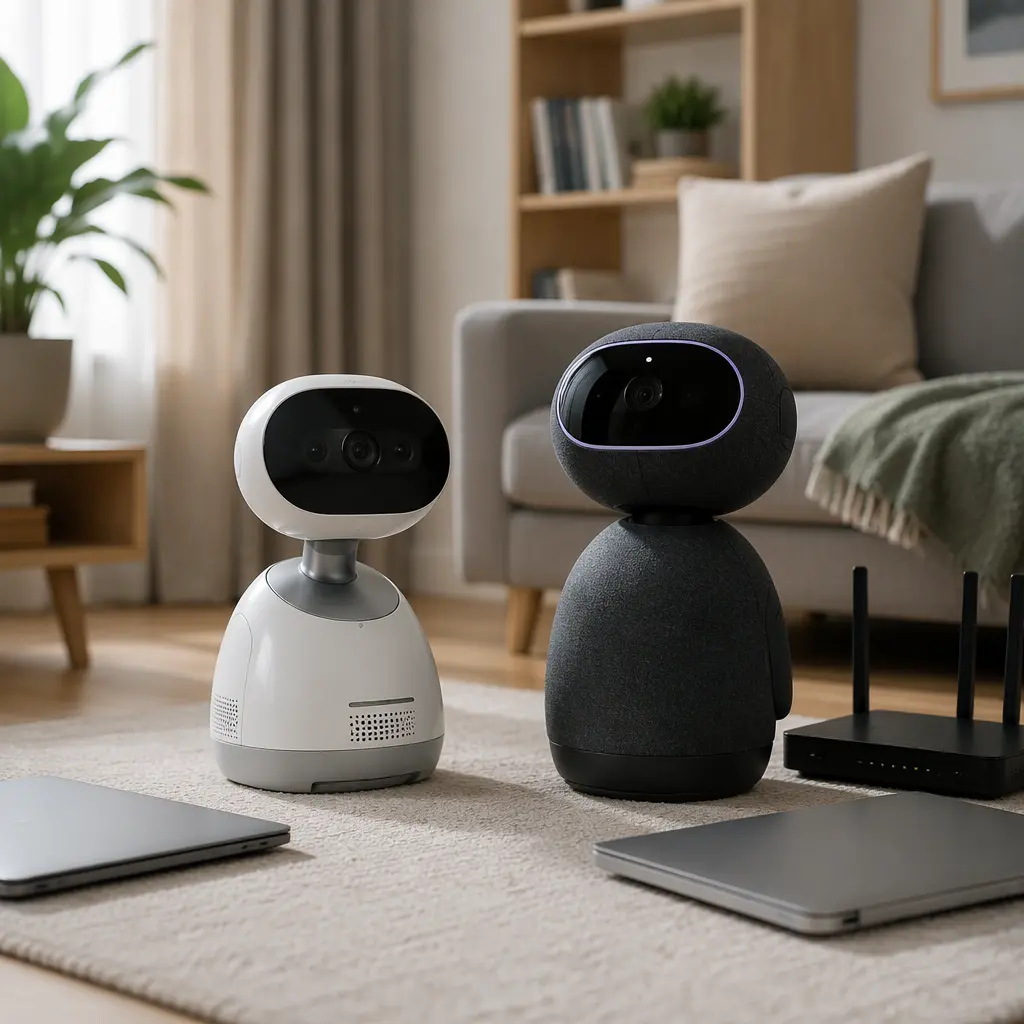
Parents comparing Loona and Moxie are usually deciding between two different kinds of connected toy experiences. Both are marketed as interactive companion robots, but they handle cameras, microphones, cloud features and app connectivity differently. For families worried about privacy, the most useful question is not simply whether a toy connects to the internet, but how much of the experience depends on that connection and what still works if parents limit or disable it. That matters for day-to-day usability, long-term support and how much personal data may pass through company servers during normal play.
What to look for
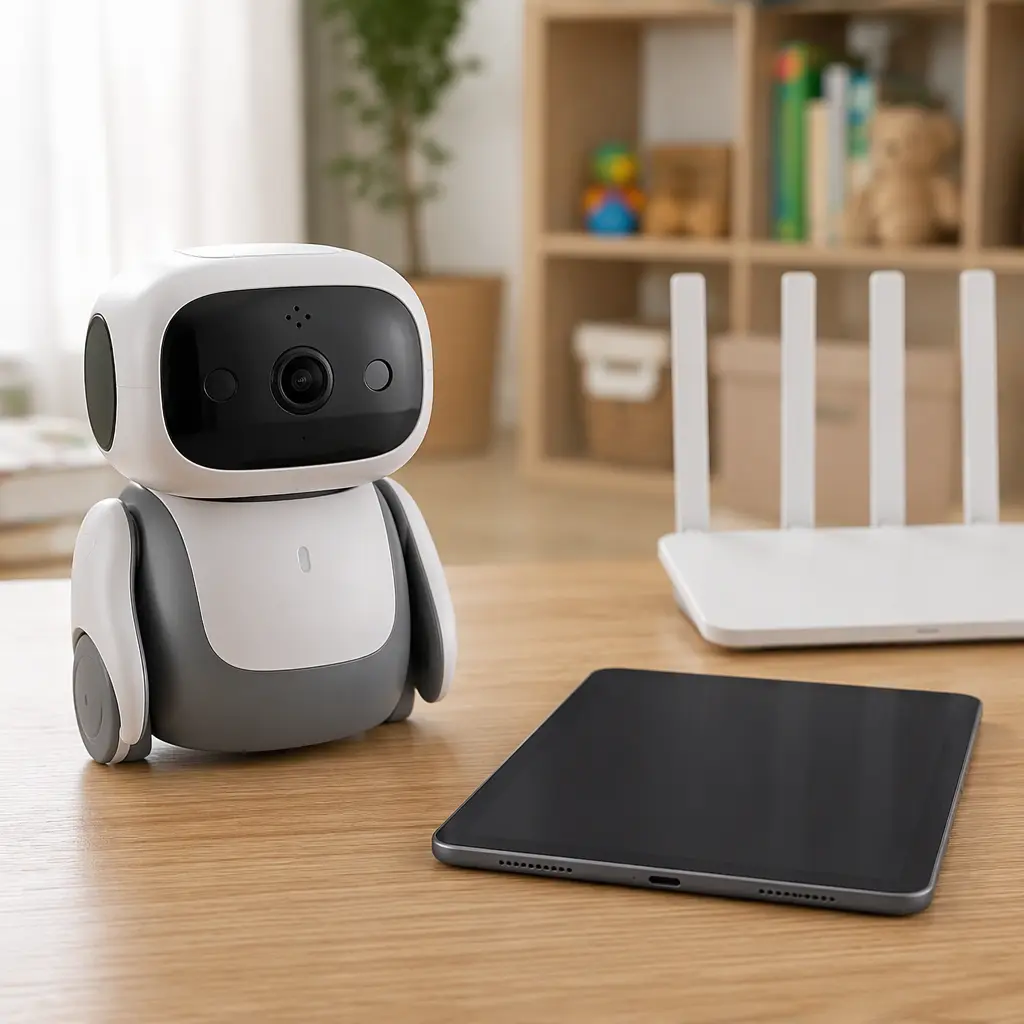
Smart toys often blend local processing, mobile apps and cloud services in ways that are not obvious from the packaging. Families comparing Loona and Moxie should focus on practical questions about how the toy behaves when internet access is reduced, what information the toy can capture through built-in sensors and whether parents can meaningfully control those features. The strongest privacy setup for one family may feel too restrictive for another if it removes key interactive features.
- Check whether the toy includes cameras, microphones or both, and whether either can be disabled in settings or physically covered.
- Look for clear parental controls covering voice recordings, app permissions and account management.
- Consider how much functionality depends on cloud processing rather than local offline software.
- Check whether setup requires a smartphone or tablet and whether the app works on your household devices.
- Think about long-term support. Connected toys may lose features if servers close or apps stop updating.
- Consider where the toy will be used. Bedroom use may raise different privacy concerns than supervised shared spaces.
- Review subscription or credit systems carefully if AI conversations or premium interactions depend on paid services.
- Look at offline usefulness. Some connected toys still offer games, movement or animations without internet access, while others become very limited.
Age suitability
For children aged 6 to 8, both Loona and Moxie sit in a middle ground between toy and conversational device. Loona is generally positioned more like an expressive robot pet with movement, reactions and interactive play. Moxie is designed more around conversation and guided interaction. That difference matters for privacy-focused families because conversation-heavy toys often rely more heavily on microphones, speech processing and cloud-based AI systems. Younger children in this age group may enjoy Loona’s movement and simple interaction patterns even if some connected features are limited, while children who mainly want back-and-forth conversations may notice reduced functionality faster if connectivity is restricted. Families looking for mostly screen-free play should also note that setup and management for both products still involve connected apps and accounts to some extent.
Options compared
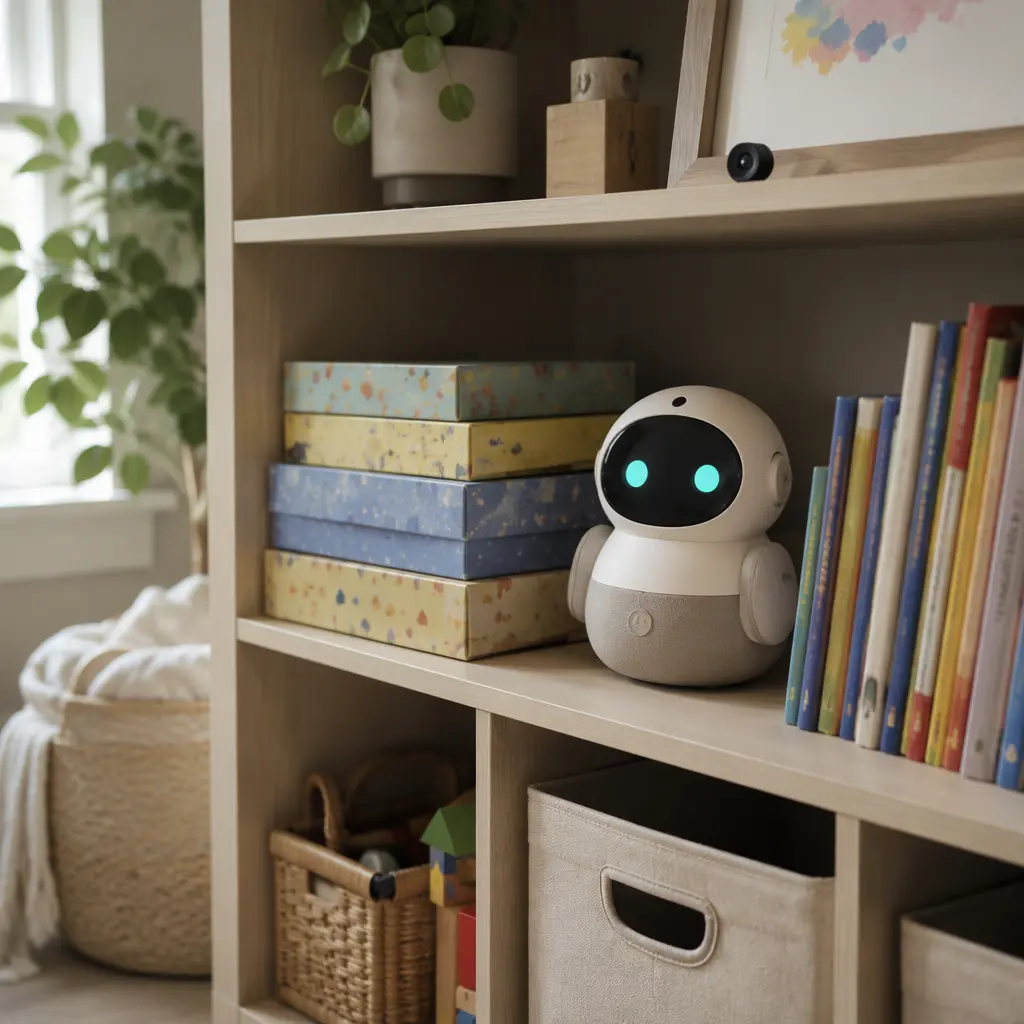
Loona and Moxie approach interaction differently, and that changes the privacy trade-offs. Loona combines expressive movement, sensors and interactive responses in a pet-like format. Depending on the feature set enabled, cameras and microphones may support recognition and interaction features. Some families may feel more comfortable with Loona because parts of the experience can still feel entertaining even when internet-dependent features are reduced. Motion, reactions and playful behaviors may continue to provide value without requiring constant conversational engagement.
Moxie focuses more directly on spoken interaction and guided exchanges. According to manufacturer positioning, the product is designed around conversational engagement and social interaction. In practical terms, this often means cloud services and voice processing are more central to the experience. Families that disable connectivity or tightly restrict permissions may find the toy becomes significantly less capable. Parents concerned about ongoing data handling should pay close attention to account requirements, retention policies and whether conversations are processed remotely.
- Choose Loona if your child mainly wants an animated robotic companion with movement-based play and you want at least some entertainment value even with reduced connectivity.
- Choose Moxie if your household is specifically interested in conversation-focused interaction and you are comfortable managing a more cloud-dependent experience.
- Avoid either option if you want a fully offline toy with no microphones, cameras or app setup.
- Consider a non-connected animatronic or programmable robot instead if your priority is privacy with predictable offline functionality.
- Families sensitive to noise should note that conversational toys may generate frequent voice prompts and spoken responses during everyday play.
- Storage and durability also matter. Companion robots often contain exposed sensors, charging docks and moving parts that benefit from careful handling and supervised use.
Frequently asked questions
Do Loona and Moxie use real AI?
Both products are marketed using AI-related language, but families should distinguish between true cloud-based conversational systems and simpler programmed responses or sensor-triggered behaviors. Moxie is more heavily associated with conversational interaction, while Loona also relies on expressive movement and reactive behaviors. Some features may use remote processing through company servers rather than fully local onboard systems.
What happens if parents disable Wi‑Fi?
Exact behavior can vary depending on software updates and setup choices, but connected toys typically lose some voice, personalization or cloud-based interaction features without internet access. Movement, animations or simpler interactions may still function locally on some devices. Families should expect reduced functionality compared with fully connected operation.
Are these toys always listening?
Many conversational smart toys use microphones to detect prompts, commands or interactions. Parents should review mute options, microphone controls and privacy settings inside the companion app. Placement also matters. Keeping connected toys in shared rooms instead of bedrooms can reduce privacy concerns.
Do children need a phone or tablet to use them?
Setup, updates and parental management for connected robots commonly require a compatible smartphone or tablet app. Even if the child mainly interacts directly with the toy afterward, adults should expect occasional app use for account management, Wi‑Fi setup and software updates.
Are there lower-privacy alternatives?
Yes. Families wanting interactive robotics without cloud connectivity can look at simpler programmable robots, remote-control pets or non-connected animatronic toys. These usually offer fewer conversational features but avoid many account, microphone and data-sharing concerns associated with internet-connected companion robots.
For privacy-focused households, the key difference between Loona and Moxie is how central cloud-connected conversation is to the experience. Loona may retain more play value when connectivity is limited, while Moxie’s strengths are more closely tied to spoken interaction and online services. Parents who want tighter control over microphones, cameras and data sharing may ultimately prefer simpler offline robotics, even if that means giving up some AI-style features.