Loopz: The reflex game that turned living rooms into arcades
Loopz arrived in 2010 with flashing lights, motion sensors, and fast audio cues that made a simple reflex game feel like an arcade challenge at home. Its quick rounds and active play helped it stand out in the electronic toy boom.
Compare prices and availability
Check current prices and availability for this guide on eBay.
As an eBay Partner, we may be compensated if you make a purchase.
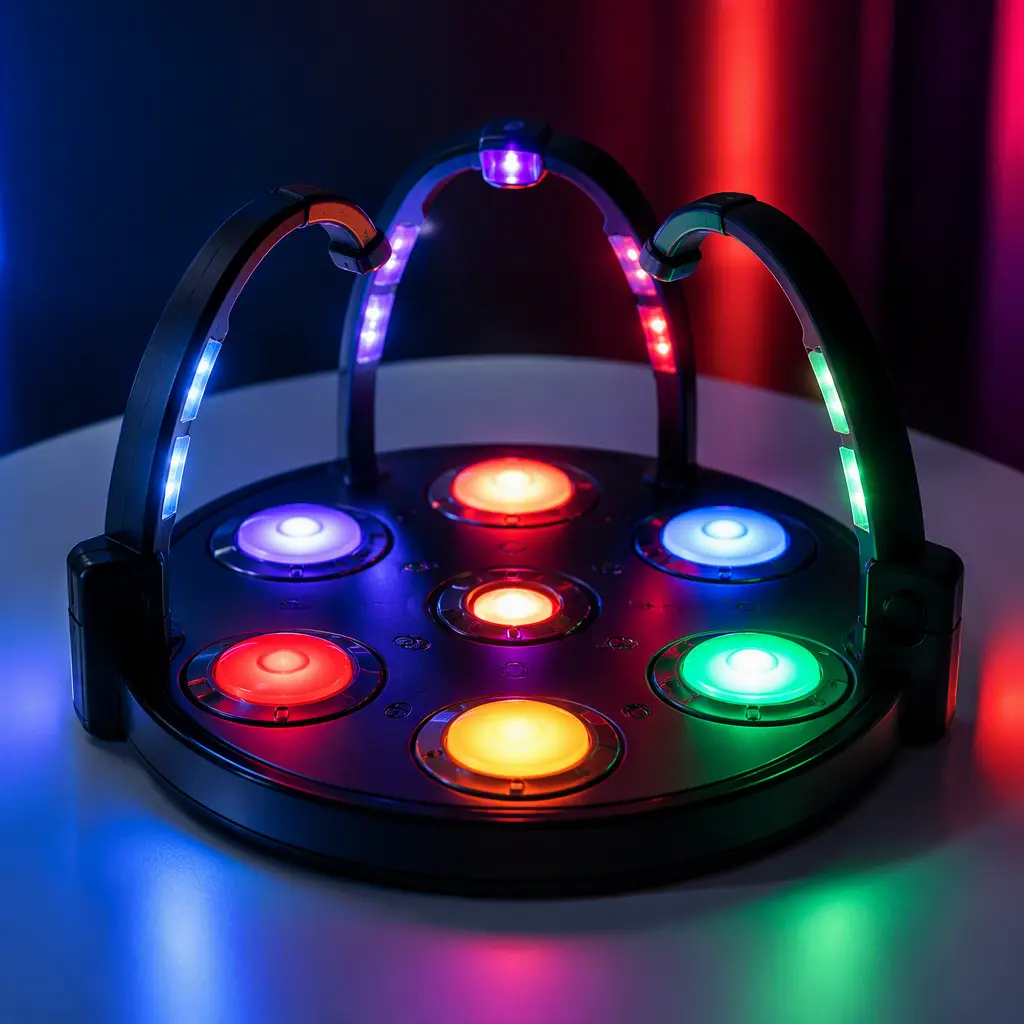
Loopz arrived during a period when toy companies were trying to bring the energy of motion-controlled video games into standalone toys. Released in 2010, the electronic reflex game combined flashing lights, sound effects, and hand motions into a fast-paced challenge that felt closer to an arcade cabinet than a traditional board game. Players waved their hands through motion-sensing loops in time with music and audio prompts, trying to keep pace as the game sped up. The result was loud, active, and immediately understandable even for people who had never seen it before.
Where it came from
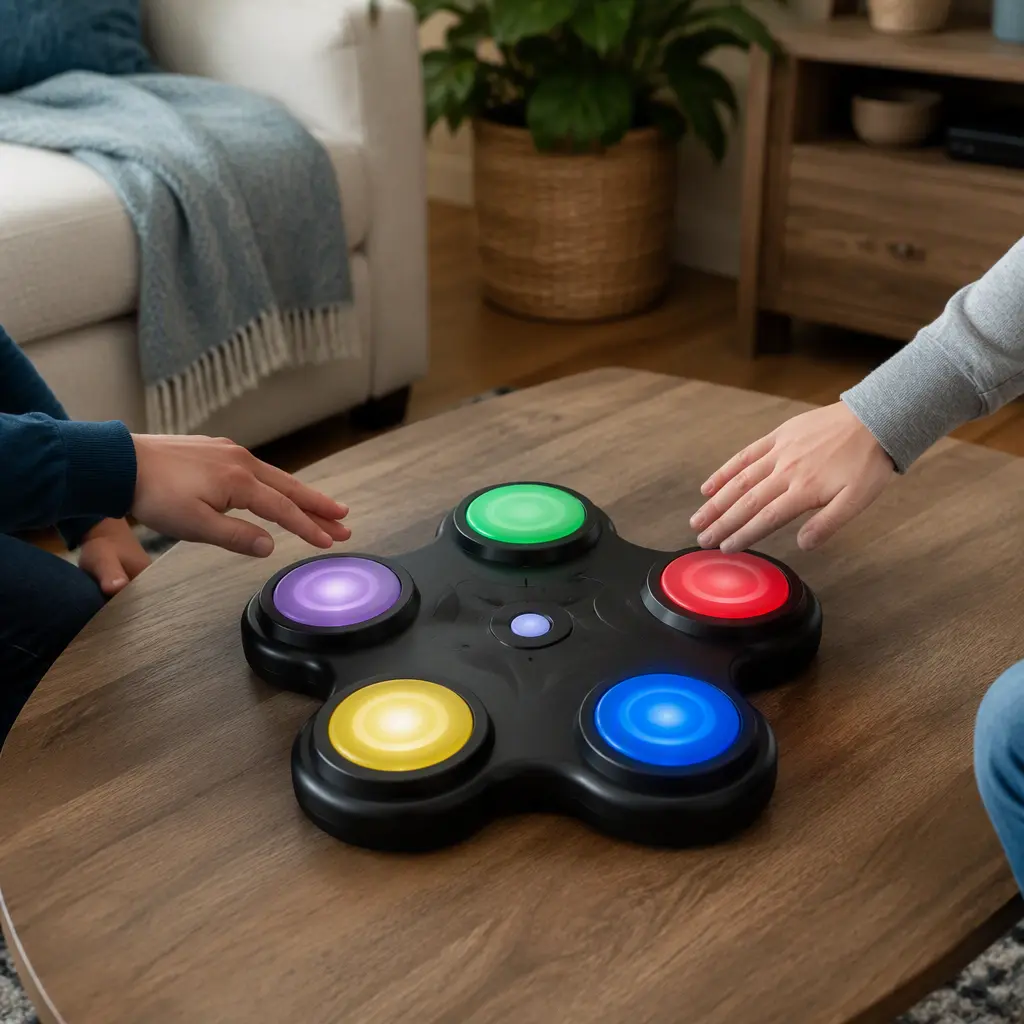
Loopz launched in 2010 during a wave of electronic toys shaped by the success of rhythm games and motion-controlled consoles. The idea was straightforward: create a self-contained toy that captured the excitement of reaction-based gameplay without requiring a television, controller, or complicated setup. Electronic games had existed for decades, but many earlier examples focused on handheld puzzles or tabletop button pressing. Loopz instead emphasized full-arm movement and quick physical responses.
The toy used a ring-shaped layout with motion sensors positioned around the player. Lights and sounds guided each round, asking players to move their hands through the correct loops in sequence. The design made the game instantly social because spectators could easily follow what was happening. Unlike more complicated electronic systems of the time, Loopz relied on a single concept executed clearly: react quickly, follow the pattern, and avoid mistakes as the pace increases.
Why it works
Loopz succeeded because it reduced gameplay to a simple physical action while layering on enough speed and sensory feedback to make it exciting. The toy rewarded rhythm, timing, and coordination rather than strategy or memorization. Bright lights signaled where to move, while sound effects reinforced success or failure in real time. That immediate feedback loop kept players engaged even when rounds lasted only a few minutes.
The physical shape of the toy also mattered. Instead of pushing buttons on a flat surface, players interacted with open spaces in the air. That made the experience feel larger and more active than many tabletop electronic games. It was especially effective in group settings because people nearby could anticipate the next move and react alongside the player.
- Motion-sensing gameplay that encouraged full-arm movement
- Fast rounds designed for quick competition and replayability
- Light and sound cues that made the action easy to follow
- Multiple speed and challenge modes for solo or group play
- Compact tabletop format compared with larger arcade-style systems
Who it's for
Loopz was primarily aimed at school-age children and families, but its appeal crossed age groups because the rules were easy to learn. Younger players enjoyed the physical movement and dramatic sound effects, while older kids and adults often treated it as a reflex challenge similar to rhythm games or arcade tests of coordination. It worked well at parties and family gatherings because people could rotate in quickly without needing long explanations. Compared with many electronic toys from the same era, it also encouraged standing movement rather than passive screen time.
Variants and what to look for today
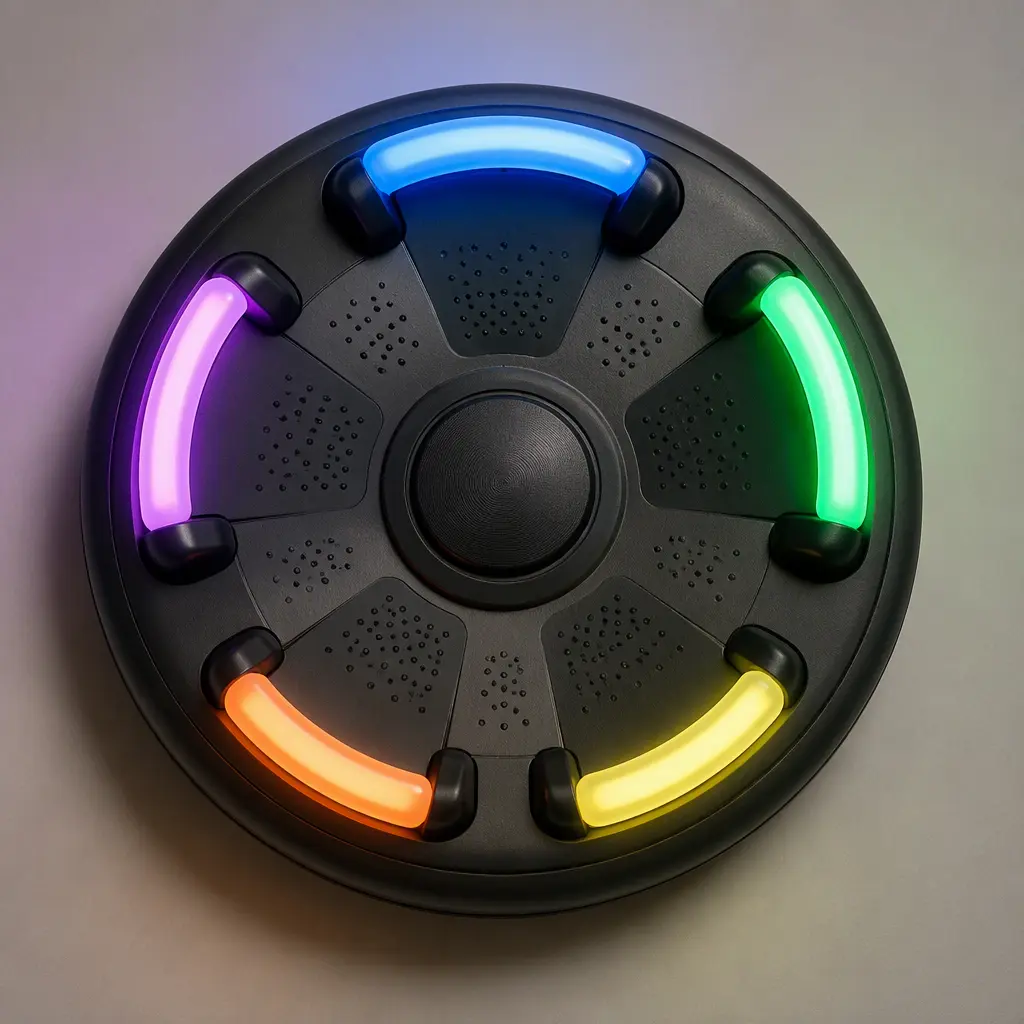
Loopz was part of a short-lived but memorable category of active electronic games that blended toy design with arcade-inspired interaction. While the original version remains the best-known release, later electronic reflex toys borrowed similar ideas involving lights, sensors, rhythm, and timed reactions. Today, secondhand examples are the most common way to find one, especially through online marketplaces and local resale shops.
Buyers looking for Loopz today should pay attention to condition and responsiveness. Because the toy depends on motion sensors, battery compartments, speakers, and light elements, wear can affect gameplay more than with simpler toys. Testing the sensors and audio is important when possible. Packaging may vary depending on region and production run, but the core gameplay hardware remained broadly similar.
- Check that all motion sensors respond consistently
- Look for clean battery compartments without corrosion
- Verify speaker volume and light brightness
- Be cautious of heavily worn units with intermittent detection
- Consider storage space because the circular design is bulkier than handheld games
Frequently asked questions
Does Loopz require a television or console?
No. Loopz is a standalone electronic toy with built-in lights, sensors, and sound effects. It operates independently using batteries.
Is Loopz more like a board game or a video game?
It sits somewhere between the two. The toy has physical tabletop hardware like a traditional game, but the pacing and reflex-based interaction feel closer to an arcade or rhythm video game.
Can younger children play it?
Many younger children can enjoy the basic gameplay, although the faster difficulty levels may be challenging. The toy is generally easiest for children who can follow visual and audio timing cues consistently.
Why did Loopz stand out when it was released?
At the time, many electronic toys focused on screens or handheld play. Loopz stood out by encouraging visible movement and group participation while still delivering the fast sensory feedback associated with arcade entertainment.
Loopz did not become a long-running toy empire, but it captured a very specific moment in toy design when electronics, motion play, and arcade-inspired experiences were blending together. Its appeal came from turning simple reactions into a noisy, energetic performance that everyone in the room could follow. More than a decade later, it remains memorable because it transformed quick hand movements into a surprisingly lively social game.