Miko 4 vs Curio AI Bear for Curious Kids
A parent-focused comparison of Miko 4 and Curio AI Bear covering conversation quality, supervision, privacy controls, subscriptions and long-term play value for ages 6–8.
Compare prices and availability
Check current prices and availability for this guide on eBay.
As an eBay Partner, we may be compensated if you make a purchase.
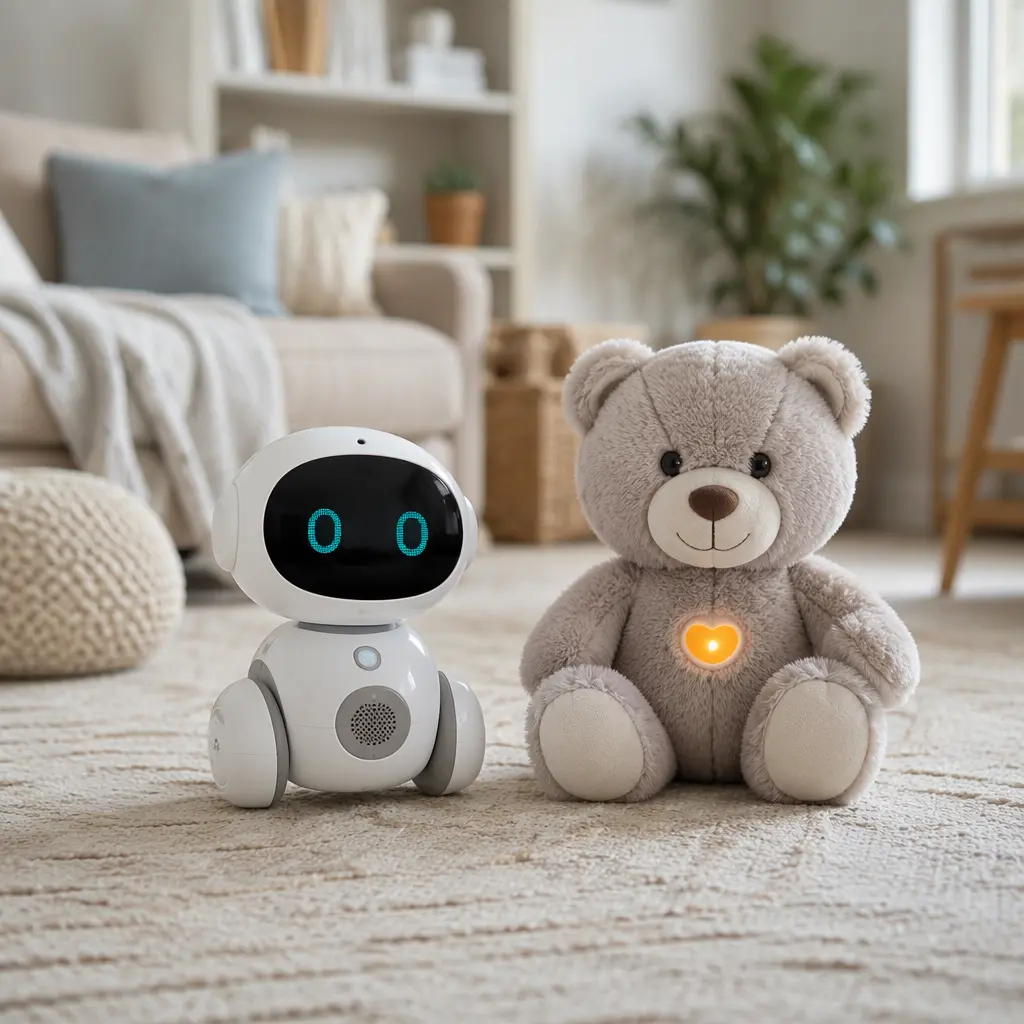
Parents shopping for an AI toy often end up comparing robot-style devices such as Miko 4 with conversational plush toys such as Curio AI Bear. Both are designed to answer questions, chat with children and offer interactive activities, but they fit into family life in very different ways. For children aged 6–8 who constantly ask questions, the biggest differences are usually not raw intelligence. They are supervision needs, privacy settings, how much the toy depends on apps or subscriptions, and whether the experience still feels useful after the first few weeks. Understanding those trade-offs matters more than choosing the toy with the longest feature list.
What to look for
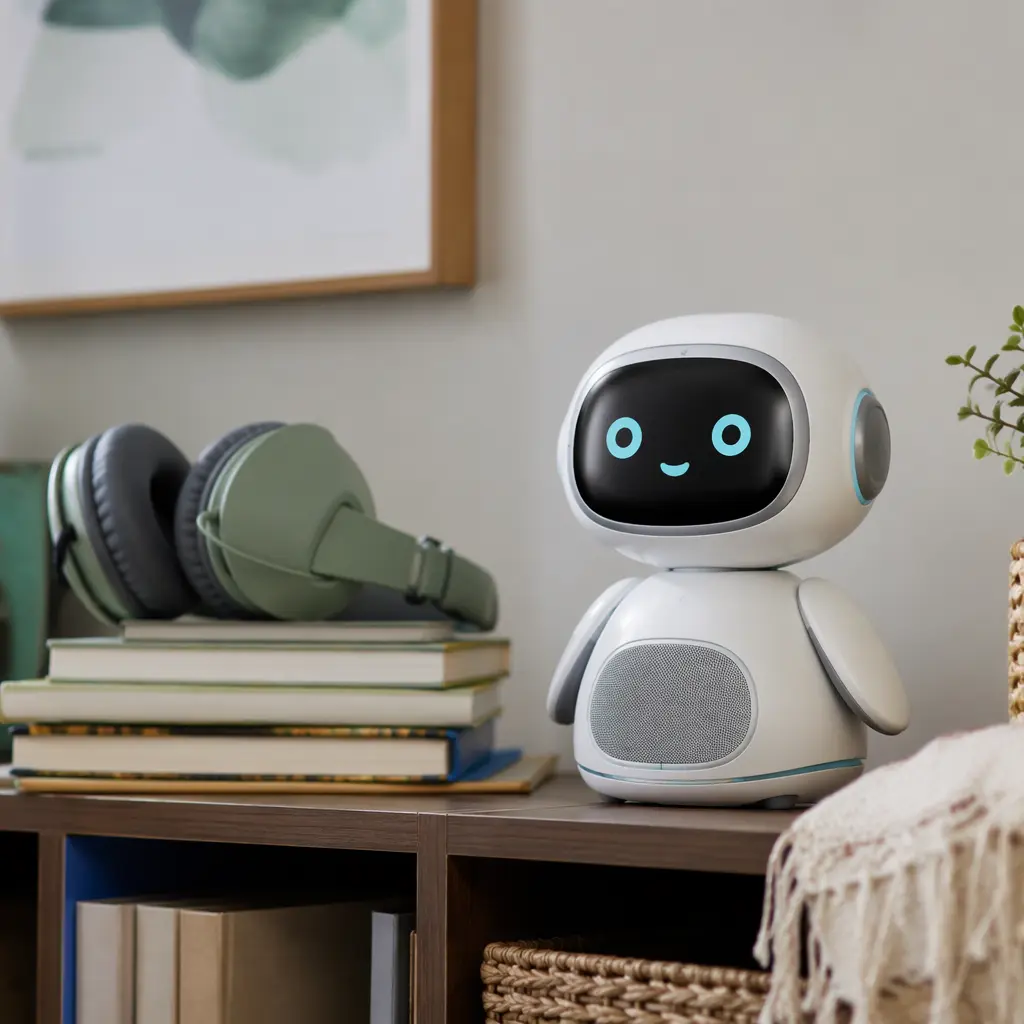
AI toys can look similar in marketing photos, but the day-to-day experience depends on several practical details. Miko 4 is positioned more like an educational robot with games, movement and app-connected learning activities. Curio AI Bear-style toys focus more on comfort, conversation and emotional engagement through a plush form factor. Neither category replaces direct parental interaction, but each may suit different personalities and household routines.
- Microphones and privacy controls: Check whether the toy includes always-listening features, voice recording storage or parent dashboards. Read the manufacturer's privacy information carefully before setup.
- Cloud dependence: Many AI conversations are processed online rather than directly on the toy. If internet access drops, some features may become limited or unavailable.
- Subscription costs: Some conversational features, lessons or AI credits may require ongoing payments after an initial trial period.
- Conversation style: Robot toys often focus on quizzes, games and structured learning, while AI plush toys may prioritize casual conversation and companionship.
- Offline usefulness: Consider whether the toy still works as a regular play object without Wi‑Fi or app access.
- Noise and screen exposure: Some AI robots use bright screens, sound effects and animated responses that can become overstimulating in shared spaces.
- Durability and storage: Plush toys are usually easier to store and less fragile than wheeled robots with moving parts or screens.
- Parental supervision: Younger children may repeat inaccurate AI responses as facts, so occasional monitoring remains important.
Age suitability
For ages 6–8, the main question is not whether children can operate these toys independently. Most can learn the controls quickly. The more useful question is how children use conversational AI emotionally and socially. Kids in this age group are often highly verbal and curious, which makes interactive question-and-answer toys appealing. A robot such as Miko 4 may suit children who enjoy structured challenges, trivia, movement and educational activities. Curio AI Bear-style toys may fit children who prefer imaginative play, storytelling or comfort-oriented interaction. Families looking for a screen-light experience may lean toward plush AI toys if the robot relies heavily on visual menus or app prompts. On the other hand, children who lose interest in stuffed animals quickly may stay engaged longer with a moving robot that changes activities more often.

Options compared
Robot-style AI toys such as Miko 4 usually aim to keep children active and mentally engaged through movement, educational games, quizzes and guided activities. That can work well for children who enjoy novelty and fast feedback. The downside is that some families find these devices louder, more distracting or more dependent on app ecosystems than expected. Battery charging, software updates and Wi‑Fi reliability become part of the ownership experience. If the company reduces cloud support in the future, conversational features may change over time.
AI plush toys such as Curio AI Bear approach interaction differently. The familiar stuffed-animal format can feel calmer and easier to integrate into bedtime routines, reading time or quiet play. Children who like asking endless imaginative questions may enjoy the lower-pressure conversational style. However, plush AI toys sometimes offer fewer activities beyond conversation itself. If the AI responses feel repetitive, the novelty may fade faster for children who prefer active gameplay or challenges. Parents should also check whether conversations are filtered appropriately for children and whether parental controls allow limiting topics or usage times.
- Choose a robot-style AI toy if your child enjoys quizzes, movement, interactive games and structured educational content.
- Choose a plush conversational AI toy if your child prefers storytelling, pretend play and calmer interaction.
- Avoid highly connected AI toys if your household wants minimal app management or limited data sharing.
- A simpler non-AI interactive toy may be a better fit for children who mainly want cuddly comfort rather than conversation.
- Families with shared living spaces may prefer quieter plush designs over mobile robots with louder speakers and animations.
- Children who become attached to routines may respond better to a toy that works consistently offline rather than one heavily dependent on cloud services.
Frequently asked questions
Do AI toys actually answer children's questions accurately?
AI toys can provide useful answers, but they can also make mistakes, oversimplify topics or misunderstand children's speech. Parents should treat them as entertainment and learning tools rather than reliable factual sources. Occasional supervision helps children learn to question and verify information.
Will these toys replace tablets or screens?
Not entirely. Some AI toys reduce passive screen time by encouraging spoken interaction, movement or imaginative play. However, many still rely on companion apps, account setup or visual interfaces. A robot with a large display may still feel screen-heavy compared with traditional toys.
Are AI plush toys safer for privacy than AI robots?
Not necessarily. A plush toy with a microphone and cloud-based AI may collect similar types of data as a robot. The important details are the company's privacy practices, parental controls, account management and whether voice data is stored or reviewed.
How long do children usually stay interested?
Interest varies widely. Children who enjoy conversational play may revisit AI toys regularly for stories, jokes or questions. Others may lose interest after the novelty of voice interaction wears off. Toys with varied activities, regular content updates or flexible pretend-play use tend to stay engaging longer.
Is internet access always required?
Many AI features depend on internet connectivity because responses are generated through cloud services. Some toys retain limited offline functions such as movement, sounds or basic games, but conversational quality may drop significantly without Wi‑Fi.
For most families, the choice between Miko 4 and a conversational AI bear comes down to household priorities rather than technical capability. Robot-style AI toys tend to suit active learners who enjoy games and constant stimulation, while AI plush toys fit quieter conversational play and comfort-focused routines. Before buying, it is worth checking how much ongoing app management, data sharing and subscription involvement your household is comfortable with. The best long-term experience usually comes from choosing the format that matches a child's existing play style rather than the toy with the most advertised AI features.