UK AI Toys With Offline Modes That Still Work Well
A parent-focused guide to AI and connected toys for ages 6–8 that stay useful without Wi‑Fi, apps or cloud access, including practical trade-offs around privacy, travel and long-term support.
Compare prices and availability
Check current prices and availability for this guide on eBay.
As an eBay Partner, we may be compensated if you make a purchase.
Many connected toys for children rely heavily on apps, cloud services or constant internet access. That can become frustrating during travel, broadband outages or when an app update breaks compatibility. For parents shopping for AI toys for ages 6–8, offline usefulness is one of the most practical buying factors. A toy that still plays games, responds to buttons, runs basic voice features locally or supports screen-free activities without a phone often lasts longer and causes fewer day-to-day problems. The strongest options combine connected features with reliable offline play instead of treating the toy as a thin accessory for an app.
What to look for
Offline support means different things depending on the toy category. Some toys store speech responses or mini-games directly on the device. Others lose nearly all functionality without an internet connection. Before buying, it helps to separate true AI features from simpler pre-programmed responses. Many toys marketed as AI actually use limited voice recognition, scripted animations or app-controlled actions rather than cloud-based generative AI. That is not necessarily a problem for younger children, and in some cases it improves reliability and privacy.
- Check what works without Wi‑Fi, not just during initial setup but during everyday play.
- Look for toys with physical controls, onboard games or downloadable activities stored on the device.
- Review microphone and camera features carefully. Some toys process voice locally, while others send recordings to cloud services.
- Check whether the companion app is required permanently or mainly for setup and updates.
- Consider subscription costs, token systems or paid content libraries that may limit long-term value.
- Verify compatibility with your household devices and operating systems before buying.
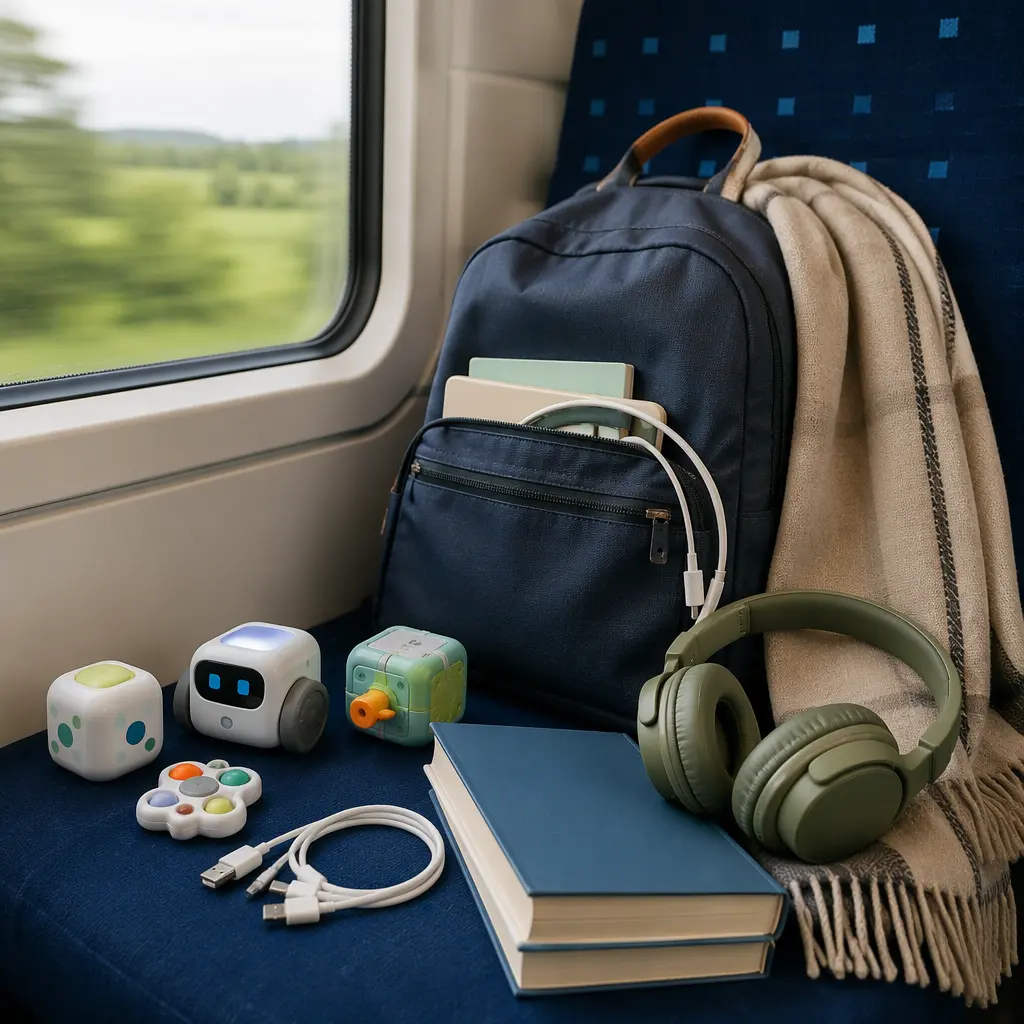
- For travel use, battery life, charging method and portability matter more than advanced online features.
- Look for clear parental controls, especially for toys with messaging, voice chat or open-ended AI conversations.
- Research whether the manufacturer has a good track record for app support and software updates in the UK.
Age suitability
Children aged 6–8 usually benefit most from connected toys that combine structure with creativity. Fully open-ended AI chat systems can become confusing or repetitive for this age group, especially when the toy depends on reading or typing. Simpler conversational companions, coding robots and interactive pets with local play modes are often easier to use independently. Screen-free or low-screen designs also tend to work better for shared family spaces and travel. Parents looking for educational value may prefer toys that encourage problem-solving, storytelling or coding challenges without requiring constant app supervision. Younger children within this age range may still need help with updates, Bluetooth pairing or troubleshooting.
Options compared
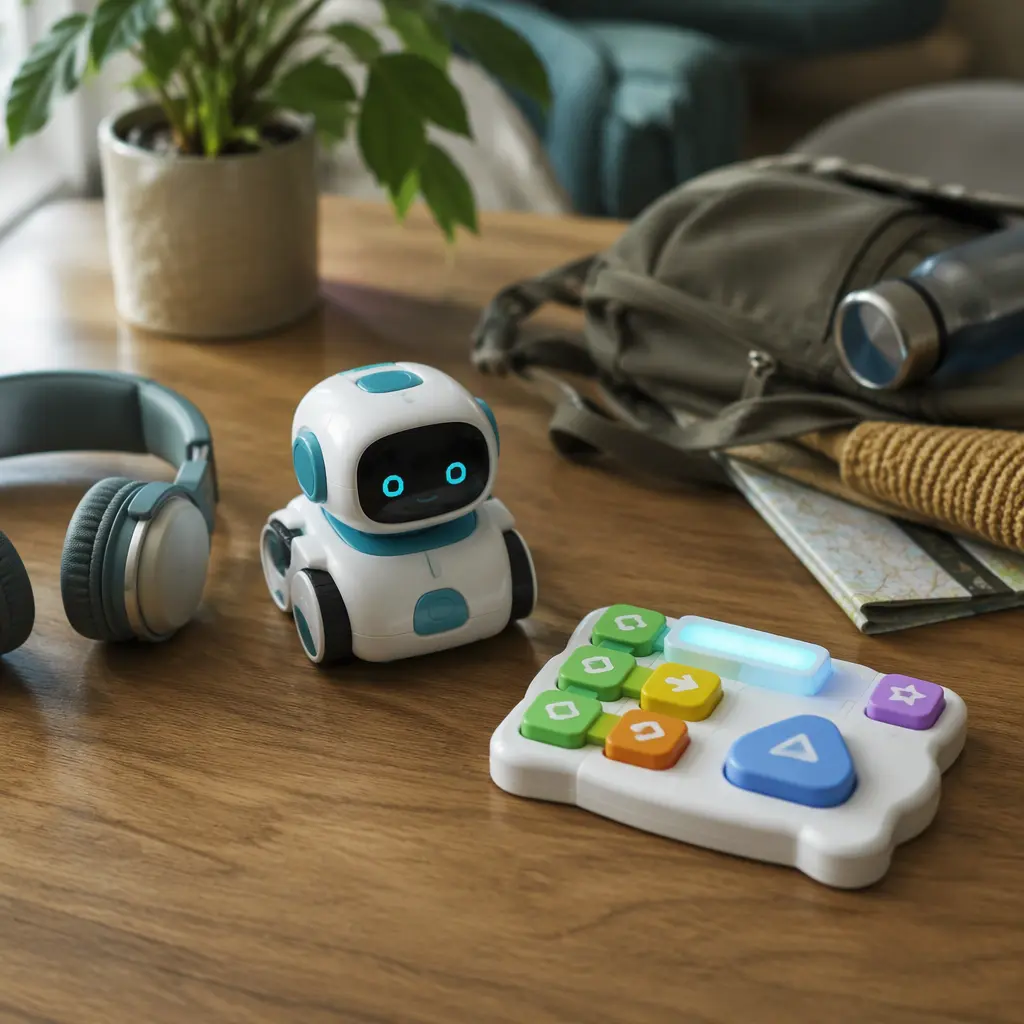
Coding robots are often the strongest choice for reliable offline play. Many models aimed at ages 6–8 include onboard challenges, programmable buttons or stored movement routines that continue working without internet access. Some companion apps add extra lessons or downloadable content, but the core play remains available offline. These toys generally suit children who enjoy puzzles, building sequences and repeatable activities. They are usually quieter than voice-assistant toys and often easier to use during travel.
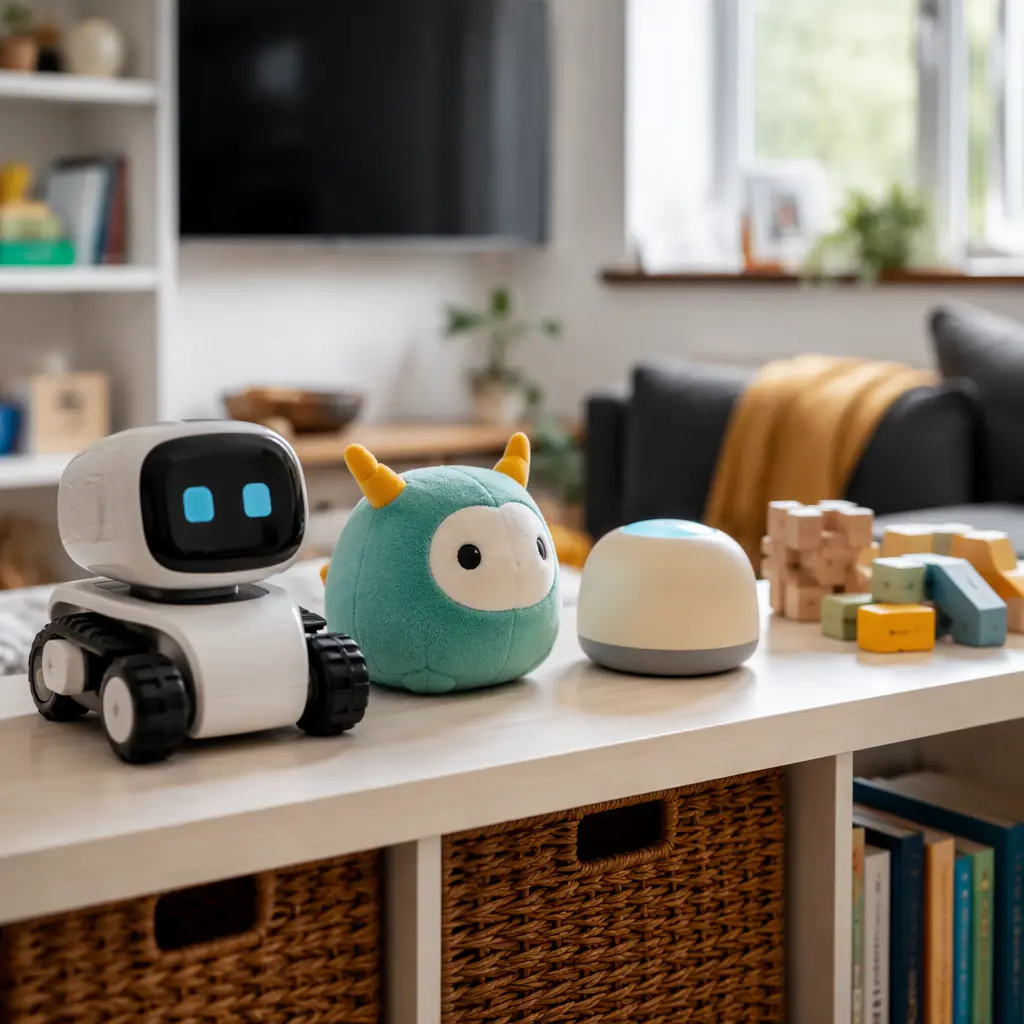
Interactive AI companions and smart plush toys vary much more widely. Some include local speech responses, touch sensors and simple games stored directly on the device, which can still feel engaging during outages. Others rely heavily on cloud-generated conversations and become limited when disconnected. Parents should pay close attention to whether the toy can tell stories, play games or respond conversationally offline, or whether it simply repeats a few fallback phrases. These toys may suit children who enjoy imaginative play or emotional interaction, but they often involve more privacy considerations because of microphones and voice processing.
- Coding robots: Usually strong offline functionality, educational focus, lower privacy concerns, good for independent problem-solving.
- Interactive pets and companions: Better for imaginative or emotional play, but offline features vary widely between brands.
- Smart speakers marketed for children: Often weakest offline usefulness because many functions depend on cloud access.
- Augmented reality and app-led toys: Can feel impressive initially, but may lose value if apps are unsupported later.
- Remote-control and sensor toys with limited AI branding: Often more dependable because core movement and gameplay stay local.
Frequently asked questions
Do AI toys still work without internet?
Some do, but the level of offline functionality differs significantly. Certain coding robots and interactive pets can still play games, react to touch, perform routines or run stored lessons locally. Others mainly depend on cloud processing and lose most advanced features without internet access.
Are offline-capable toys safer for privacy?
Often, yes. Toys that process commands locally or rely less on cloud services may collect less voice or usage data. However, parents should still review manufacturer privacy policies, account requirements and app permissions carefully. Offline capability alone does not guarantee strong privacy protection.
What happens if the companion app disappears?
This is one of the biggest long-term concerns with connected toys. A toy with strong offline gameplay and physical controls is more likely to remain useful if app support ends. Toys that depend on remote servers or frequent updates may become limited much sooner.
Do children need a tablet or phone for these toys?
Many connected toys use a phone or tablet for setup, updates or expanded activities. The best travel-friendly options still allow everyday play directly on the toy itself. Parents who want lower screen time should prioritise products with physical interaction and standalone features.
Are AI toys good for travel?
Offline-ready AI toys can work well for travel because they provide interactive entertainment without requiring mobile data or stable Wi‑Fi. Compact coding robots, audio-based companions and toys with rechargeable batteries are usually easier to manage on trains, flights and holidays than app-heavy systems.
For most families, the practical value of a connected toy comes from how well it handles ordinary interruptions. Reliable offline play, simple controls and long-term usability matter more than impressive marketing terms around AI. For children aged 6–8, toys that continue working during travel, outages or app problems are usually easier to share, easier to trust and more likely to stay in regular use over time.