Offline Tech Toys That Teach Real Skills to Teens
A parent-friendly guide to screen-free tech toys for teens that feel grown-up while building practical skills like coding, electronics, audio, and design—no apps, accounts, or Wi‑Fi required.
Compare prices and availability
Check current prices and availability for this guide on eBay.
As an eBay Partner, we may be compensated if you make a purchase.
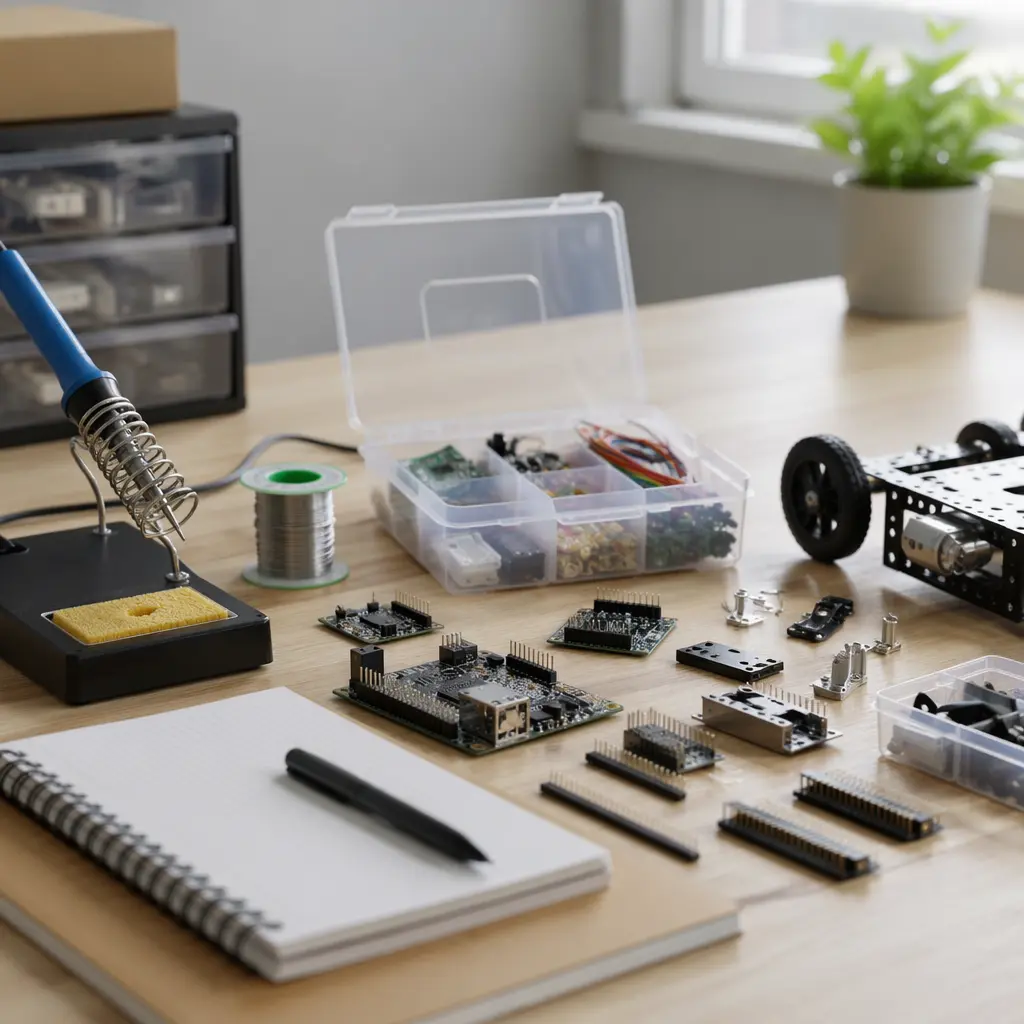
Many teens are interested in technology but burned out on screens. Offline tech toys offer a middle ground: hands-on, modern projects that build real skills without apps, accounts, or constant notifications. These kits feel more like tools than toys, encouraging problem-solving, patience, and independence.
What to look for
Offline tech toys for teens should respect their maturity while still teaching foundational skills. Look for projects that require planning, experimentation, and troubleshooting—without relying on screens to do the thinking.
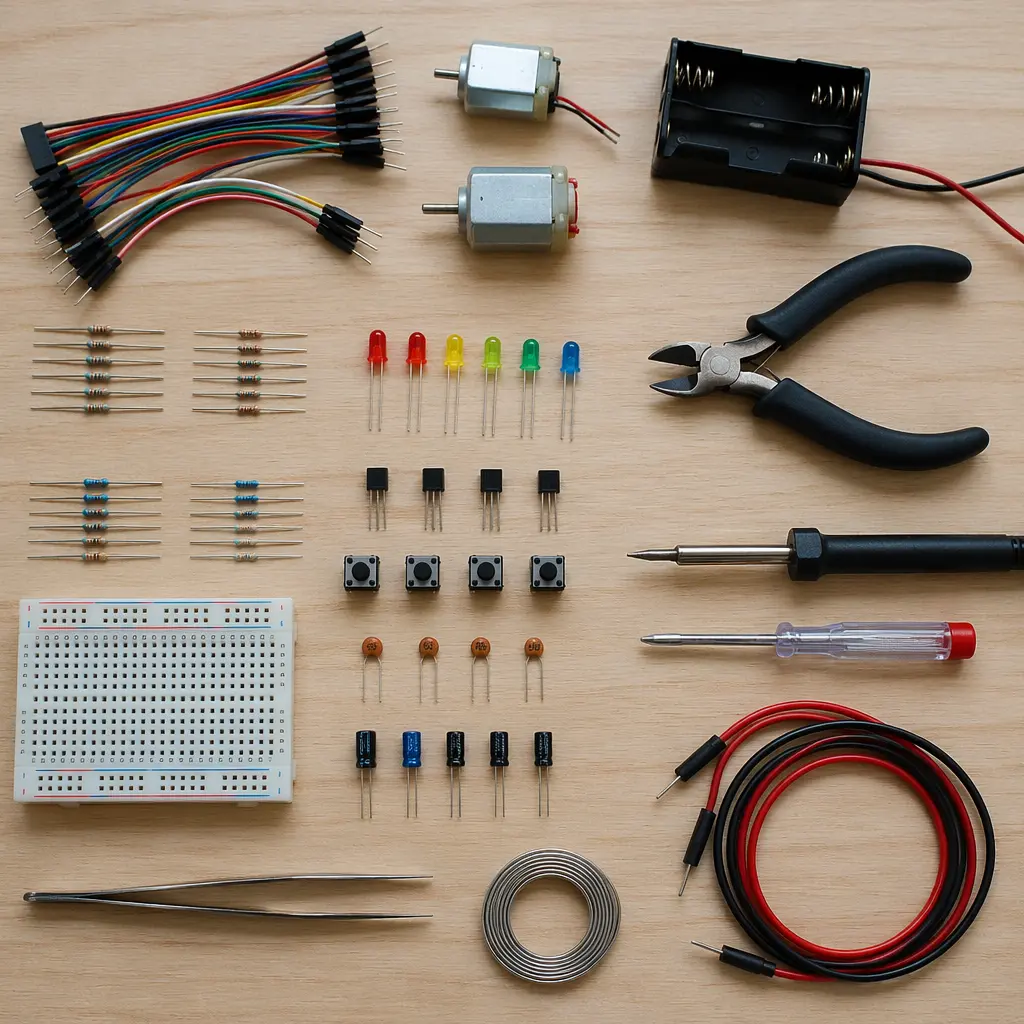
- True offline use: works without Wi‑Fi, apps, or smartphones
- Real tools or components, not sealed or disposable parts
- Clear instructions that encourage problem-solving, not shortcuts
- Adjustable difficulty or open-ended builds for creativity
- Durable materials suitable for repeated use
- Skills with real-world relevance, such as electronics, mechanics, or audio
Age suitability
For ages 13 and up, complexity matters more than bright colors or quick rewards. Teens benefit from projects that take time and allow mistakes. Kits aimed at this age often include small parts, detailed steps, and concepts drawn from real technical fields. While many teens can work independently, younger or first-time builders may still appreciate occasional adult guidance.
Standout categories or types
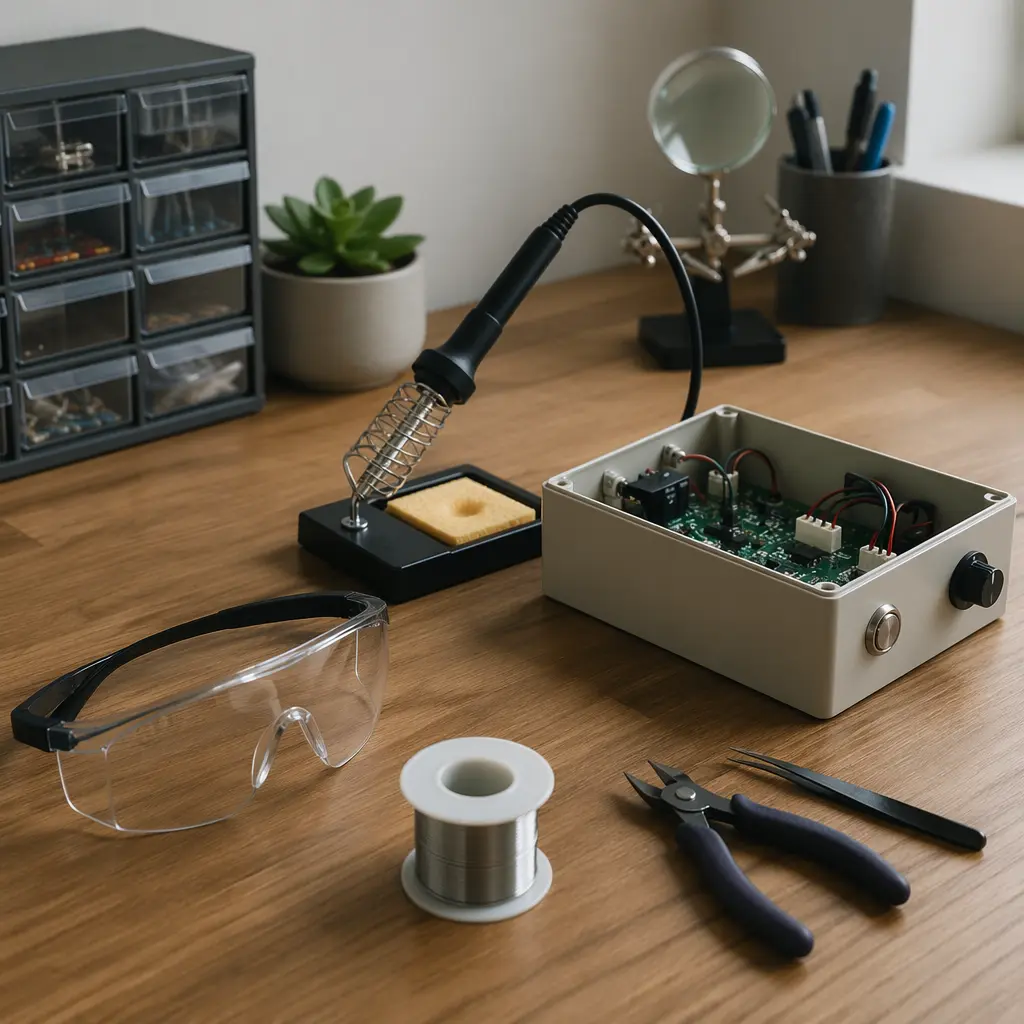
Offline tech toys for teens come in several broad categories, each focusing on a different skill set. Choosing the right type depends on your teen’s interests and how they like to learn.
- Electronics and circuitry kits: Teach how current flows, how components interact, and how to read basic schematics.
- Mechanical and engineering builds: Focus on gears, levers, structures, and motion, often using real hardware.
- Audio and signal projects: Explore sound waves, amplification, and tuning through hands-on builds.
- Logic and coding-without-screens tools: Use physical blocks, cards, or switches to teach sequencing and logic.
- Measurement and tool-based kits: Introduce precision, calibration, and careful technique using real instruments.
Across categories, the strongest options emphasize doing over watching. Teens learn by assembling, testing, and adjusting—skills that transfer to school labs, hobbies, and future technical work.
Frequently asked questions
Are offline tech toys still relevant in a digital world?
Yes. Offline projects teach foundational concepts that digital tools often hide. Understanding physical components, cause-and-effect, and manual processes builds confidence and deeper technical literacy.
Will teens find these boring without screens?
Many teens enjoy projects that feel grown-up and purposeful. When a kit produces a working device or measurable result, the satisfaction can outweigh passive screen time.
Do these toys help with school or future careers?
They can. Skills like troubleshooting, precision, and understanding systems are valuable in science, engineering, and technical trades, as well as everyday problem-solving.
How much adult involvement is needed?
That depends on experience. Some teens work fully independently, while others benefit from occasional check-ins—especially when learning new tools or safety practices.
Are offline tech toys good for group or solo play?
Both. Many projects work well solo, but they can also encourage collaboration, discussion, and shared problem-solving when built with friends or siblings.
Offline tech toys give teens a chance to slow down, focus, and build something real. By choosing projects that value hands-on learning over screens, parents can support skill-building that lasts well beyond the toy itself.