AI Desk Robots for Shared Bedrooms: What to Check
A practical guide to AI desk robots for teens and shared bedrooms, covering wake words, idle chatter, privacy controls, app dependence, microphones, notifications and quiet-use settings.
Compare prices and availability
Check current prices and availability for this guide on eBay.
As an eBay Partner, we may be compensated if you make a purchase.
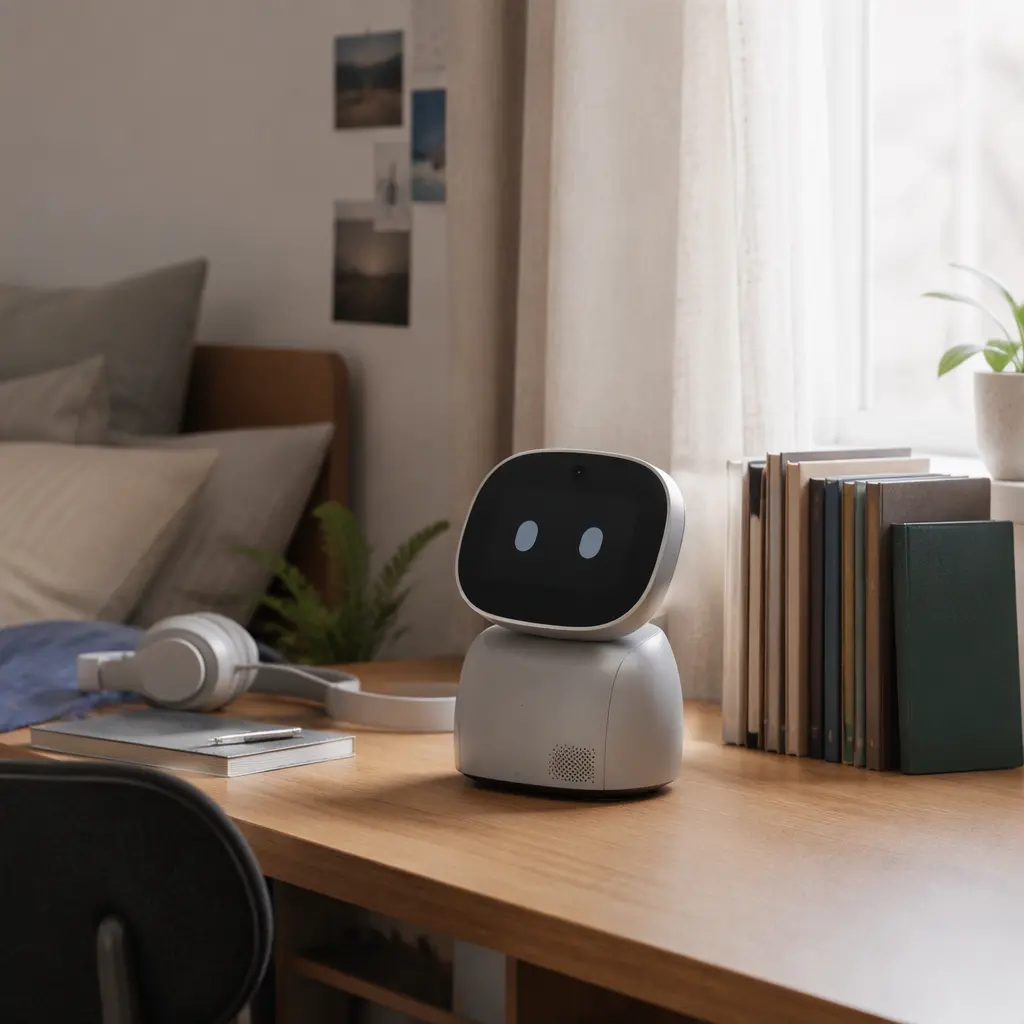
AI desk robots aimed at teens and older users often mix voice assistants, animated expressions, simple movement and app-connected features. In a shared bedroom, though, the biggest buying question is not whether the robot is entertaining. It is whether the device can stay quiet, respect personal space and avoid becoming a constant source of interruptions for siblings or roommates. Some models rely heavily on wake words and cloud processing, while others behave more like programmable desktop gadgets with limited offline features. The differences matter when the robot sits only a few feet from another bed, study area or gaming setup. Before choosing one, it helps to compare how each robot handles microphones, notification sounds, idle chatter, privacy controls and overnight behavior.
What to look for
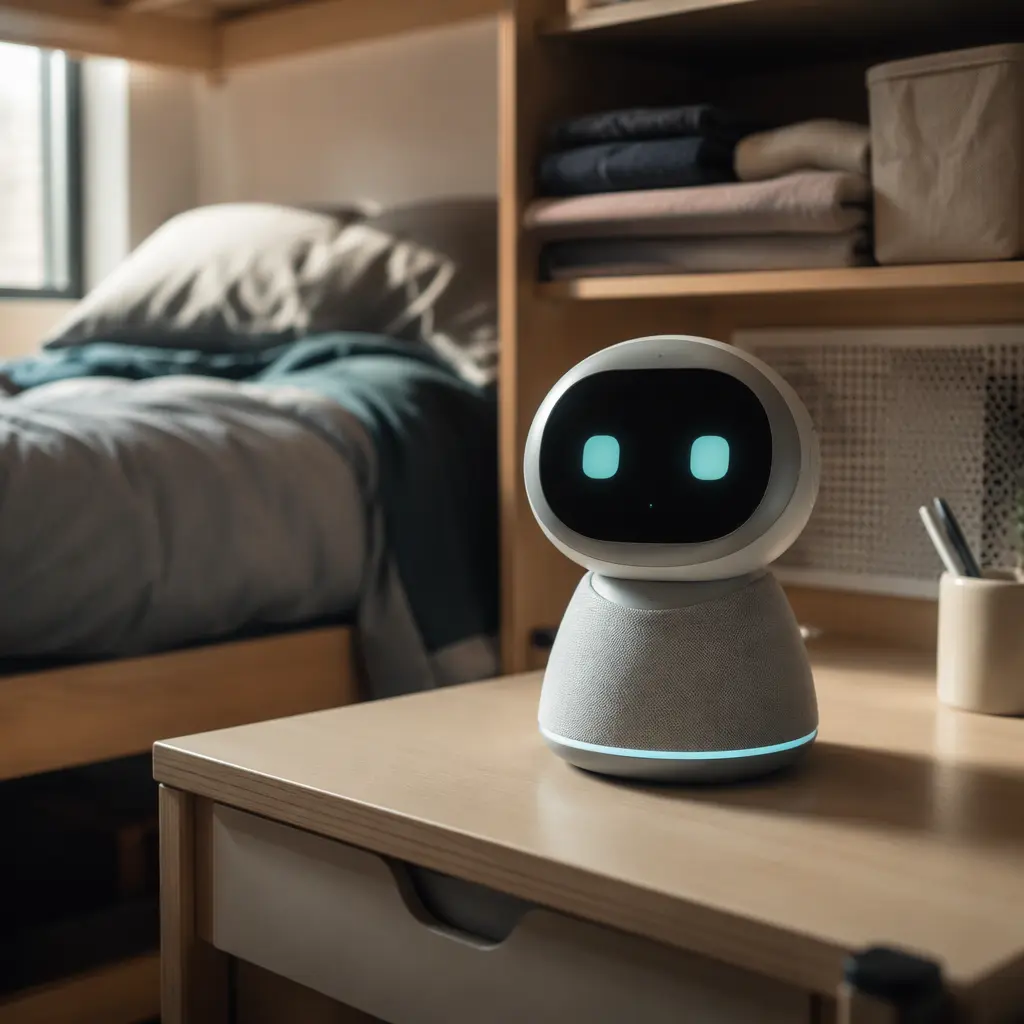
Many connected desk robots are designed to feel socially responsive, which can be helpful for reminders, conversation practice or casual interaction. In close living spaces, however, responsiveness can easily become noise. Some devices react to conversations they overhear, speak automatically after inactivity or play sound effects during updates and charging. Manufacturers may describe these features as personality or engagement tools, but they are not always ideal for shared bedrooms. Parents and teens should also check whether voice processing happens locally on the device or through cloud services, because internet dependence affects both privacy and reliability.
- Look for adjustable microphone sensitivity or the option to disable wake-word listening entirely.
- Check whether notification sounds, startup noises and idle chatter can be muted or scheduled.
- Prefer robots with physical microphone-off switches or clear privacy controls in the companion app.
- Review whether key functions still work offline or if the robot becomes limited without cloud access.
- Consider headphone support or text-based app interaction for late-night use.
- Check subscription requirements carefully. Some AI conversation features may depend on paid plans, credits or regional access.
- Look at charging behavior and sleep modes. Bright LEDs or automatic greetings can disturb nearby sleepers.
- Confirm compatibility with the household’s phones or tablets before buying, especially if multiple users need access.
Age suitability
Most AI desk robots marketed toward teens and adults are better suited to ages 13 and up because they rely on app accounts, connected services and ongoing software updates. Younger children may enjoy the movement or animated reactions, but many AI features assume independent reading skills, online awareness and the ability to manage privacy settings responsibly. Shared-bedroom use also requires maturity around voice recording and boundaries. A teen who likes coding, customization or productivity tools may benefit more from a quieter programmable robot with optional AI features than from a heavily social companion robot designed to start conversations frequently. Families should also think about how comfortable roommates or siblings are with an always-listening microphone in the room, even when privacy settings are enabled.
Options compared
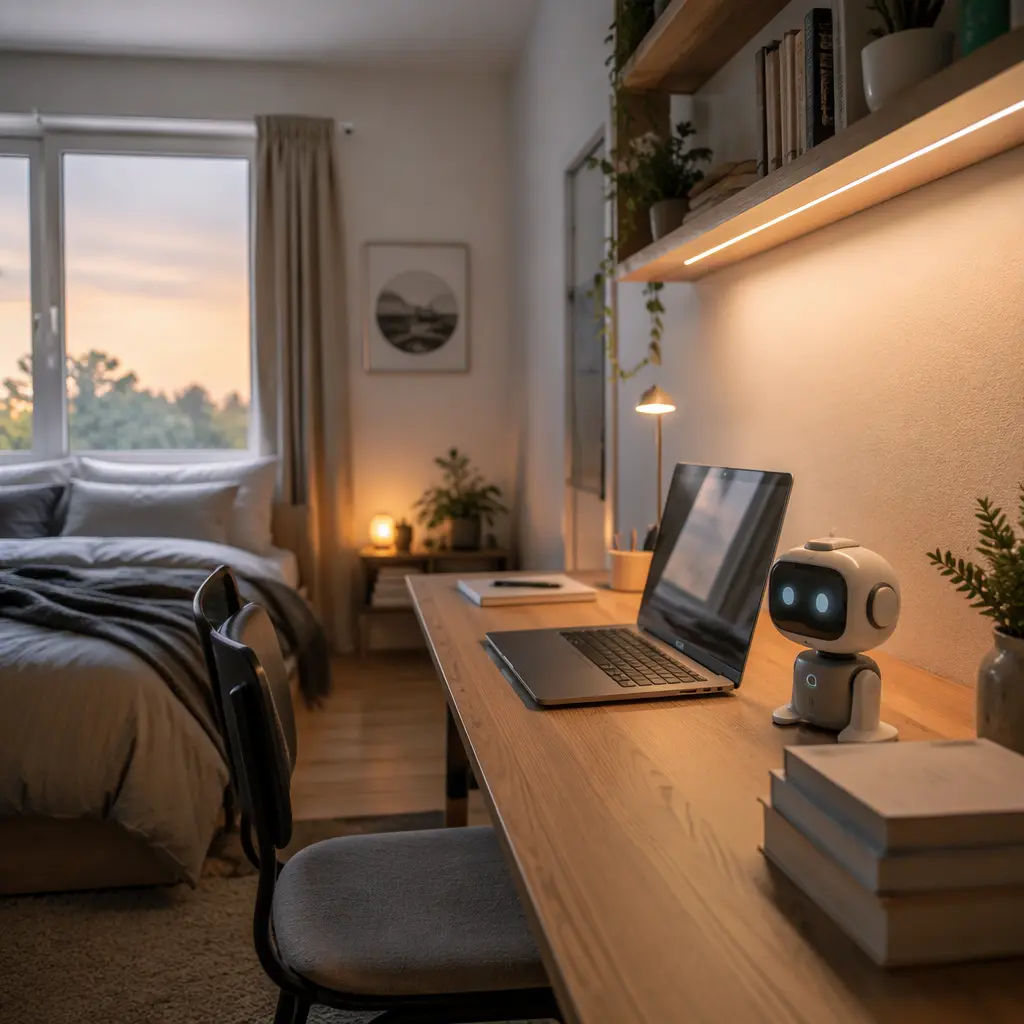
AI desk robots generally fall into three broad categories. The first group focuses on conversation and companionship. These robots often include microphones, speakers, expressive faces and cloud-based AI chat systems. They may support reminders, casual conversation and app-connected personalities. For shared bedrooms, these models work best when they include detailed quiet-hour scheduling and adjustable voice behavior. Without those controls, they can become disruptive because of spontaneous speech, alerts or false wake-word activations.
The second category includes coding and STEM-focused robots with limited AI features. These often rely more on programming tasks, sensors and app-controlled routines than open-ended conversation. They are usually easier to keep quiet because interactions are more intentional. Some still include microphones or speech functions, but they tend to avoid continuous idle chatter. This style suits teens who want experimentation, robotics or automation projects without a highly social device in the room.
- Conversation-focused AI robots: best for users who want interaction and assistant-style features; less ideal for light sleepers or noise-sensitive roommates unless strong quiet settings are available.
- Coding and programmable robots: better for focused hobby use, learning and quieter operation; usually less emotionally interactive.
- Animatronic desktop pets with limited AI: often marketed as AI despite using simple pre-programmed responses or sensors; typically lower privacy concerns but fewer useful features.
- Screen-connected companion devices: may depend heavily on phones or tablets for setup and operation, which can reduce spontaneous noise but increase app dependence.
- Cloud-heavy AI systems: potentially more capable conversationally, but require careful review of data handling, account requirements and long-term software support.
Frequently asked questions
Do AI desk robots always listen to conversations?
Not always, but many voice-enabled models use microphones that remain active while waiting for wake words. Some manufacturers state that audio is processed locally until activation, while others rely more heavily on cloud services. A hardware mute switch is the clearest way to disable listening when privacy matters.
Can these robots be used without internet access?
It depends on the model. Basic movement, timers or pre-programmed actions may work offline, but conversational AI and app syncing often require internet access. Some products lose most of their functionality without cloud connectivity, so offline usefulness is worth checking before purchase.
Are quieter models less advanced?
Not necessarily. Some quieter robots simply focus more on programming, automation or visual feedback instead of spoken interaction. A device with fewer sound effects and less idle chatter may actually fit better into study-focused or shared spaces while still offering useful AI-assisted features.
What privacy settings matter most in shared bedrooms?
The most useful controls include microphone muting, camera disabling if present, wake-word sensitivity settings, notification scheduling and the ability to delete stored voice history. Parents may also want account permissions that limit purchases, downloads or social features.
How long do AI desk robots usually stay supported?
Connected toys and robots depend on apps and online services that can change over time. Companies may discontinue servers, remove features or stop app updates after several years. Devices with useful offline modes and standard charging connections tend to remain usable longer than products tied closely to cloud subscriptions.
For shared bedrooms, the best AI desk robot is usually the one that blends into the room when needed instead of constantly demanding attention. Quiet controls, predictable behavior and clear privacy options matter more than flashy personalities or loud animations. A robot that can stay useful without interrupting sleep, study sessions or private conversations is far more likely to remain welcome in a close living space over time.