RealFX Interactive Pets vs Furby for Noise-Sensitive Homes
A parent-focused comparison of RealFX interactive pets and Furby toys for quieter homes, covering sound levels, sleep modes, repeat-play value, supervision and shared-space practicality.
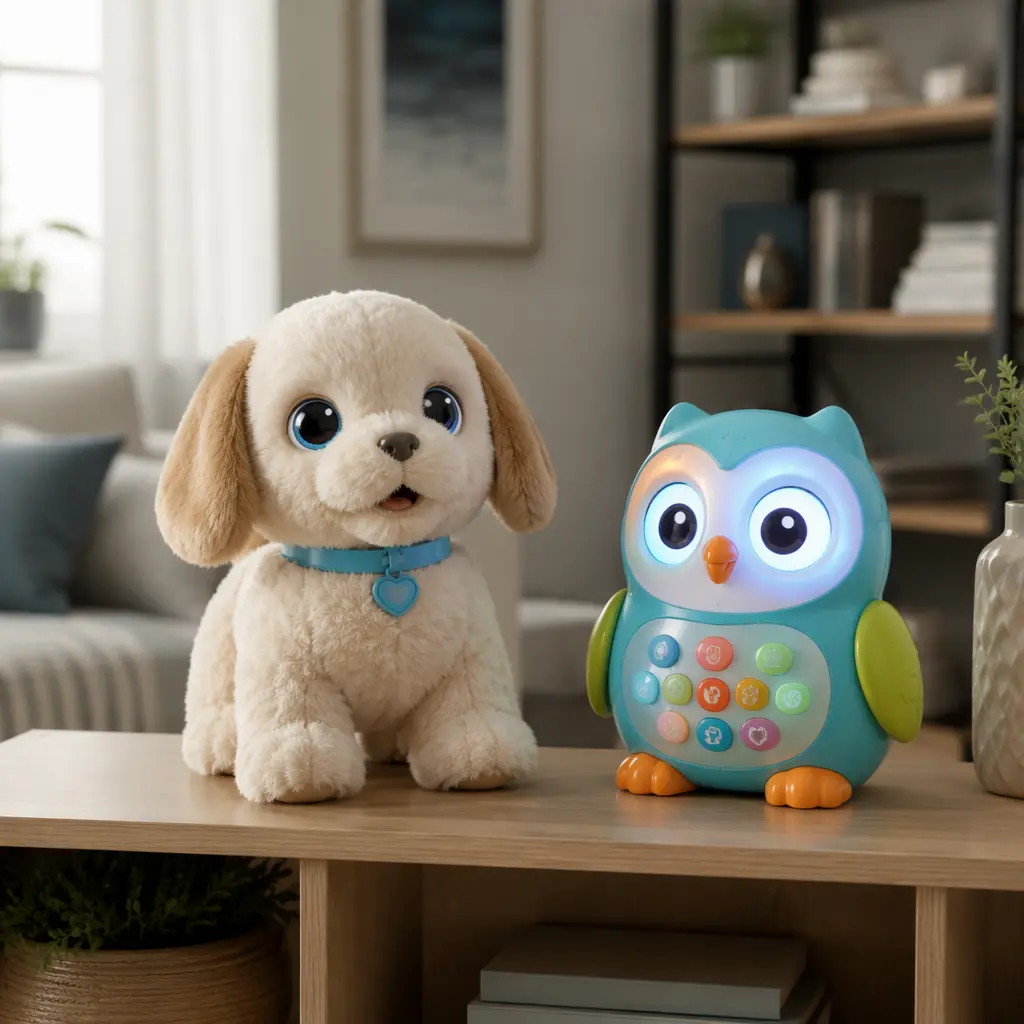
Compare prices and availability
Check current prices and availability for this guide on eBay.
As an eBay Partner, we may be compensated if you make a purchase.
Interactive pets and talking toys can be entertaining for children who enjoy responsive play, but they are not equally suited to apartments, shared bedrooms or households sensitive to repeated sounds. RealFX-style interactive pets and Furby toys take very different approaches to play. RealFX pets generally focus on animal-like movements, touch responses and softer interaction loops, while Furby toys are built around conversation, music, reactions and unpredictable chatter. For parents trying to limit background noise without removing the appeal of interactive play, the difference matters more than the packaging suggests.

What to look for
Noise-sensitive homes benefit from toys that give children control over volume and play patterns. Some electronic toys are loud by design, while others use softer sounds and shorter responses that fade into the background more easily. Beyond pure volume, parents should also consider whether the toy encourages repetitive sound loops, surprise noises or long voice interactions that can carry through walls and shared rooms.
- Volume control or mute settings that are easy for children and adults to access
- Reliable sleep or power-off modes that do not reactivate unexpectedly
- Short sound effects instead of looping songs or extended conversations
- Offline functionality without requiring constant app connections or cloud features
- Durable fur, seams and moving parts for regular handling by younger children
- Battery access that allows quick removal during quiet hours or travel
- Play value beyond noise-making, such as nurturing, pretend play or tactile interaction
- Storage size and whether the toy can stay on display without drawing constant attention
Age suitability
Children aged 6 to 8 are often drawn to toys that respond unpredictably or appear to have personalities of their own. Furby toys usually appeal most to children who enjoy conversation, jokes, music and social-style interaction. The toy becomes part game, part companion, and children may revisit it frequently because responses change over time. RealFX-style pets tend to suit children who prefer calmer pretend play, animal care themes and sensory interaction like petting, cuddling or watching realistic movements. In quieter homes, that distinction can be important because calmer play styles are usually easier to redirect during homework, evenings or shared family time.
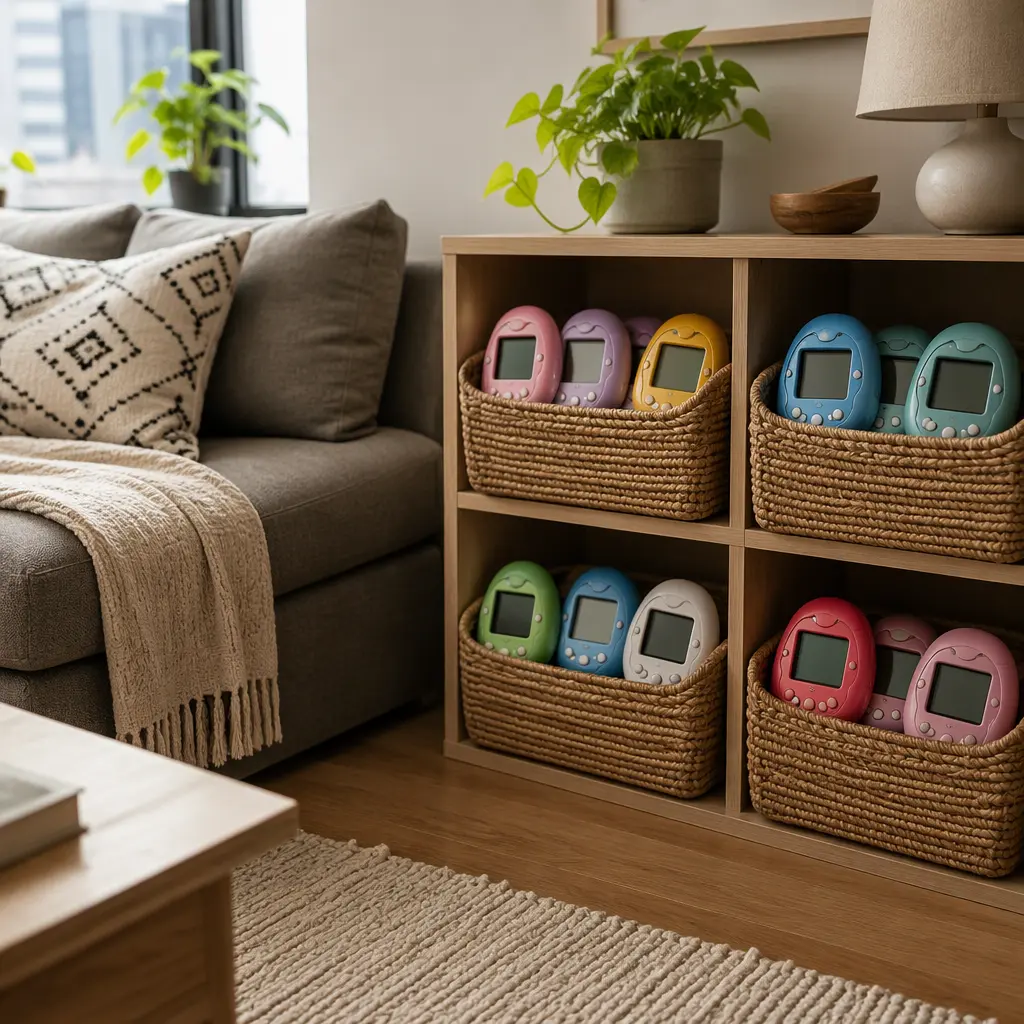
Options compared
RealFX interactive pets are usually the quieter option for shared living spaces. Many rely more on movement, blinking eyes, purring-style sounds or small reaction noises instead of constant speech. That makes them easier to leave out in a family room without dominating the environment. Their repeat-play value often comes from nurturing routines and tactile comfort rather than surprise audio. Children who already enjoy plush animals or pretend vet play may stay engaged without needing loud reactions every few minutes.
Furby toys are designed to be attention-grabbing. Manufacturer marketing often highlights voice interaction, songs, reactions and evolving personalities. For some children, that creates strong replay value because the toy feels socially responsive rather than passive. In a noise-sensitive household, though, Furby can become tiring faster than quieter interactive pets. Repeated phrases, spontaneous activation and group play sessions can raise the overall noise level significantly, especially in smaller homes. Families with siblings sharing bedrooms may also find that Furby play spreads into bedtime hours more easily unless batteries are removed or strict quiet-time rules are set.
- RealFX-style pets: usually better for apartments, shared bedrooms, calmer routines and children who enjoy nurturing or sensory play
- Furby toys: better for children who actively want conversation, jokes, music and novelty reactions
- RealFX-style pets: generally easier to use during quiet hours because interactions are shorter and softer
- Furby toys: stronger social replay value for extroverted children but potentially repetitive for adults nearby
- RealFX-style pets: often blend more naturally with screen-free pretend play and plush collections
- Furby toys: may rely more heavily on electronic features, app integration or guided interaction depending on the version
Frequently asked questions
Are RealFX pets completely silent?
No interactive electronic pet is fully silent unless powered off, but RealFX-style pets are usually quieter than conversation-focused toys. Parents should still expect motor sounds, reaction noises and occasional audio cues during play.
Can Furby toys be muted?
Features vary by generation. Some Furby versions include lower-volume settings or sleep functions, while others depend mainly on powering down the toy. Checking the current manufacturer instructions before buying is important because controls differ across releases.
Do these toys need internet access?
Basic play functions often work offline, but some connected toys include optional apps, voice features or updates that depend on a smartphone or tablet. Parents should confirm device compatibility and whether key features remain usable without ongoing app support.
Which option works better for shared bedrooms?
Quieter interactive pets are usually easier to manage in shared sleeping spaces because they create less unpredictable noise. Toys with strong voice interaction may interrupt siblings more often, especially during early morning or bedtime play.
Are interactive toys still engaging without screens?
Yes. Many children use interactive pets as part of broader pretend play with blankets, toy food, stuffed animals or imaginative stories. Toys that encourage physical interaction instead of app-based mini-games often fit more naturally into screen-free routines.
For noise-sensitive homes, quieter interactive pets are generally the safer choice for daily use, especially in apartments or homes with shared bedrooms. Furby toys can offer stronger novelty and conversation-driven entertainment, but they also demand more tolerance for repeated sounds and spontaneous interaction. The better fit depends less on brand popularity and more on how much background activity your household is comfortable living with over time.