Toy Cameras vs Audio Recorders for Screen-Free Creativity
Comparing toy cameras and audio recorders for ages 9–12, including creative play value, storage, supervision, durability and which option keeps kids engaged longer without apps.
Compare prices and availability
Check current prices and availability for this guide on eBay.
As an eBay Partner, we may be compensated if you make a purchase.
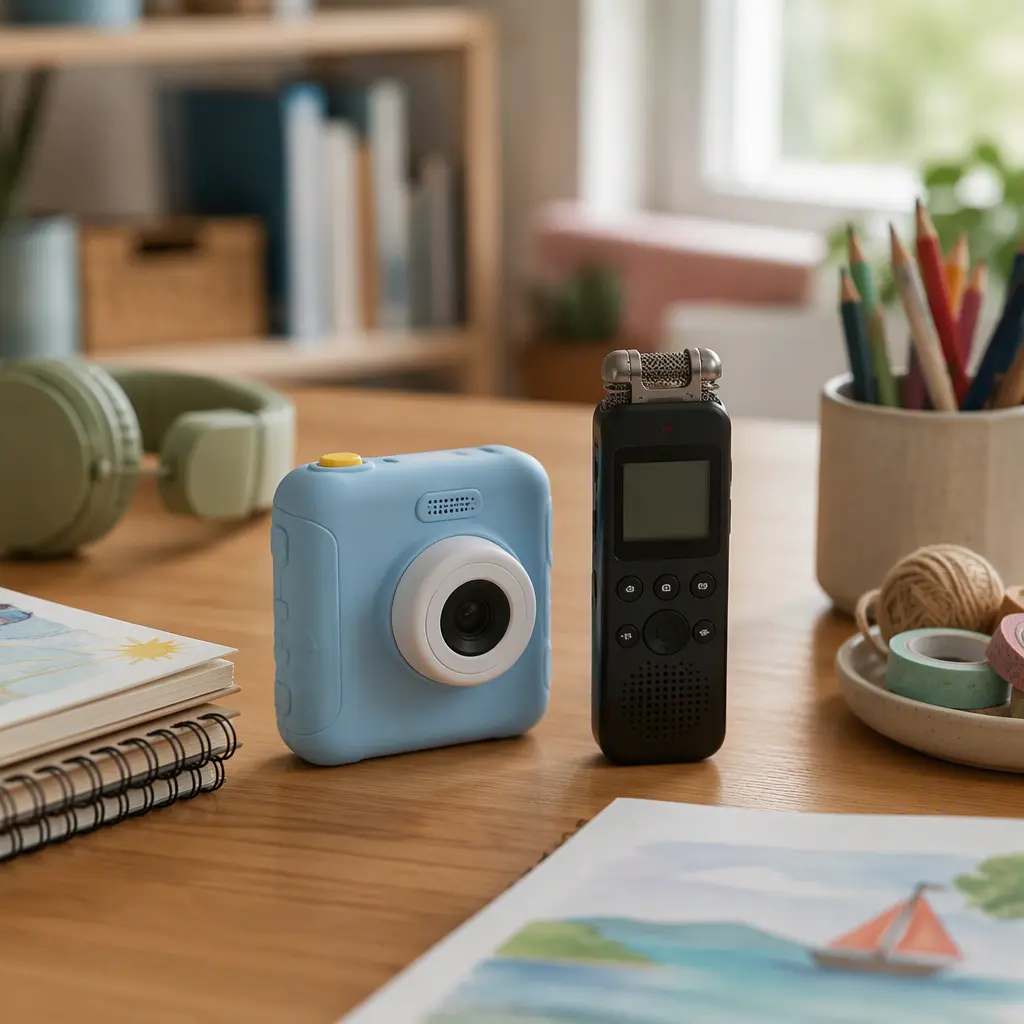
For children aged 9 to 12, screen-free creative gadgets can feel more independent and purposeful than many traditional toys. Two popular options are toy cameras and handheld audio recorders. Both encourage storytelling, observation and experimentation without relying on apps or social media. The better choice depends less on technology and more on how a child prefers to create. Some children enjoy visual projects, outdoor exploration and making photo collections, while others are drawn to voices, sound effects, interviews or simple music recording. Parents also need to consider storage space, supervision, battery charging, noise levels and whether the toy will still hold interest after the first few weeks.

What to look for
The most useful screen-free creative devices are usually the simplest. Children in this age group often lose interest when a gadget depends heavily on companion apps, complex menus or constant charging. A good toy camera or recorder should be durable enough for backpacks and outdoor use while remaining easy to operate independently. It also helps if the toy supports open-ended play rather than one fixed activity. Consider where and how the child will use it most often before deciding.
- Simple controls that can be learned quickly without adult setup every session
- Rechargeable battery or easy-to-replace batteries for longer independent use
- Durable casing that can handle drops, travel and outdoor play
- Enough storage for multiple projects without constant deleting
- Offline functionality that does not require apps or account sign-ins
- Manageable noise levels, especially for repeated playback or sound effects
- Portable size that fits in a bag or desk drawer without extra accessories
- Clear age guidance, especially for devices with small removable parts or earbuds
Age suitability
Children aged 9 to 12 are usually ready for more purposeful creative tools rather than novelty electronics. Many enjoy creating projects with a beginning, middle and end, such as photo stories, mini documentaries, soundscapes or pretend radio shows. Toy cameras suit children who like exploring outdoors, collecting memories or experimenting visually. Audio recorders often appeal to children who enjoy storytelling, role-play, music, interviews or imaginative world-building. Some children may use a recorder privately for journaling or practicing speeches, which can make it feel useful for longer. Younger children within this age range may still prefer rugged toy-style designs, while older preteens often respond better to simplified real-world devices with fewer cartoon features.
Options compared
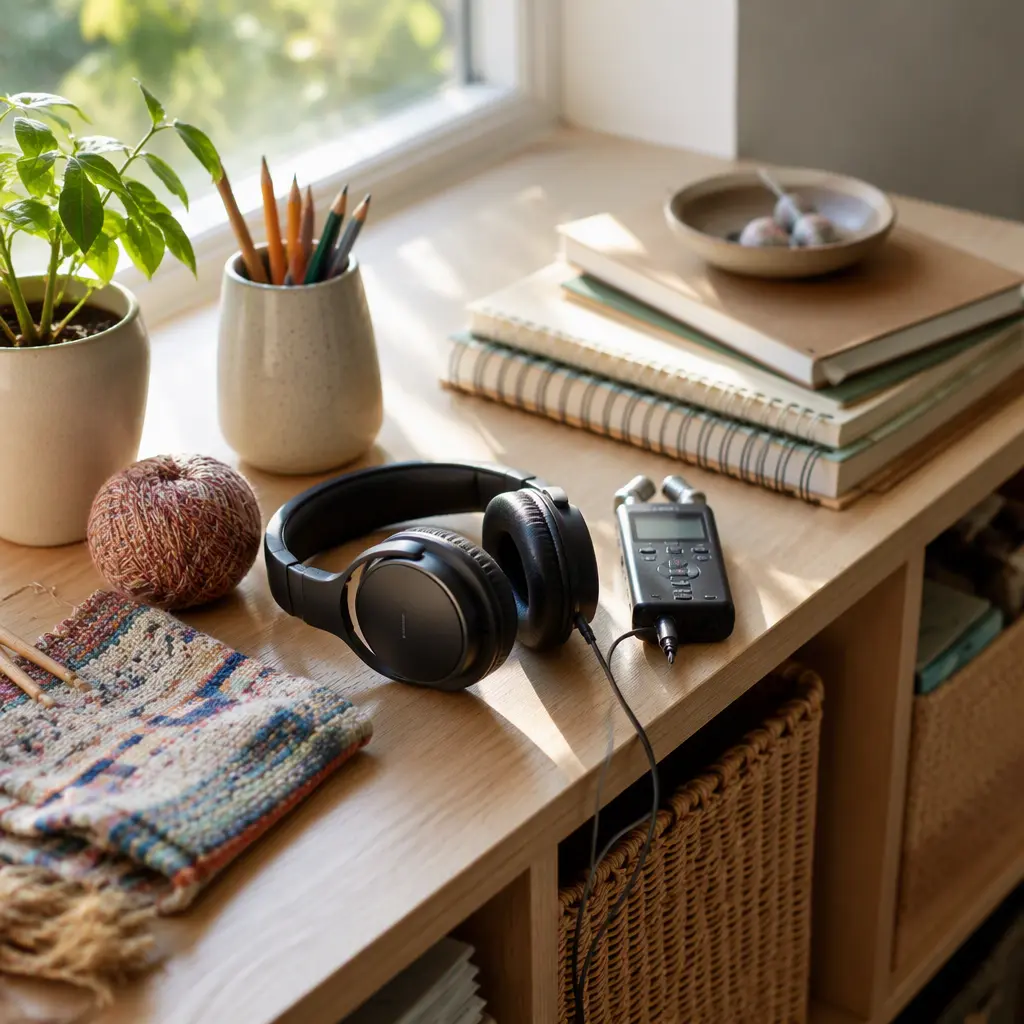
Toy cameras generally encourage active movement and observation. Children may take them on walks, holidays, scavenger hunts or outdoor adventures. They work well for children who enjoy collecting images, arranging scenes or making visual stories with friends. Cameras can also connect naturally with offline hobbies such as scrapbooking, drawing or journaling. One trade-off is that some children lose interest if the camera quality feels too limited or if transferring and printing photos becomes inconvenient. Instant-print style cameras reduce that issue but create ongoing paper costs and extra clutter.
Audio recorders support a different kind of creativity. They are often quieter visually but more imaginative socially. Children can create interviews, fake podcasts, dramatic stories, nature recordings or sound effects using ordinary household objects. Audio projects also tend to work well indoors during bad weather and require less cleanup than arts-and-crafts activities. For some families, audio recorders are easier to store and maintain because they have fewer accessories. However, repeated playback, sound effects or singing can become noisy in shared living spaces. Children who are less confident reading or drawing may also find audio projects more approachable because they can improvise freely without needing polished visual results.
- Toy cameras suit children who enjoy outdoor exploration, visual creativity and collecting memories
- Audio recorders suit children who enjoy storytelling, role-play, music and imaginative dialogue
- Cameras may create more physical clutter through prints, accessories or photo collections
- Recorders usually require quieter spaces for clearer playback and recording
- Visual projects are often easier to share with family members quickly
- Audio projects may hold long-term interest because children can expand into storytelling, interviewing or music
- Children who dislike posing for photos may prefer sound-based creativity instead
- Families with limited storage may prefer compact audio devices over print-based camera kits
Frequently asked questions
Do toy cameras count as screen-free play?
Some do and some do not. Many toy cameras include small preview screens, but they can still support mostly offline play if they do not depend on apps, internet access or social sharing. For families aiming to reduce passive screen time, the key difference is whether the child is actively creating rather than scrolling or watching content.
Which option usually lasts longer in terms of interest?
That depends on the child's personality. Cameras often create strong excitement at first because children can quickly capture interesting moments. Audio recorders sometimes build slower but longer-lasting engagement because they can evolve into storytelling, music recording or creative projects over time.
Are these toys suitable for independent play?
Most children aged 9 to 12 can use basic cameras and recorders independently after a short introduction. Devices with simple menus and offline storage tend to require the least ongoing adult involvement. Younger children in this age band may still need occasional help with charging, transferring files or organizing saved projects.
What are the biggest parent drawbacks?
With cameras, common concerns include lost accessories, printing costs and hundreds of low-quality photos filling storage cards. With audio recorders, the main issues are noise, repeated playback and managing recordings in shared spaces. Both types can also become frustrating if battery life is short or controls are overly complicated.
Is it worth choosing a more realistic device instead of a toy version?
For older children within the 9–12 age range, simplified real-world devices often stay interesting longer than heavily themed toy designs. A sturdy beginner camera or straightforward recorder can feel more capable and less limiting while still remaining easy to use offline.
Toy cameras and audio recorders both encourage creativity without relying on apps or constant screen use, but they support different styles of play. Cameras reward observation and visual storytelling, while audio recorders encourage imagination through sound and conversation. Families choosing between them should focus on how the child naturally likes to create, how much supervision the device requires and whether the toy fits comfortably into everyday home routines.