UK AI Toys With Local Processing: Parent Buying Guide
A parent-focused guide to AI toys that rely more on on-device processing than cloud services, covering privacy, offline play, subscriptions, durability and long-term usefulness for ages 9–12.
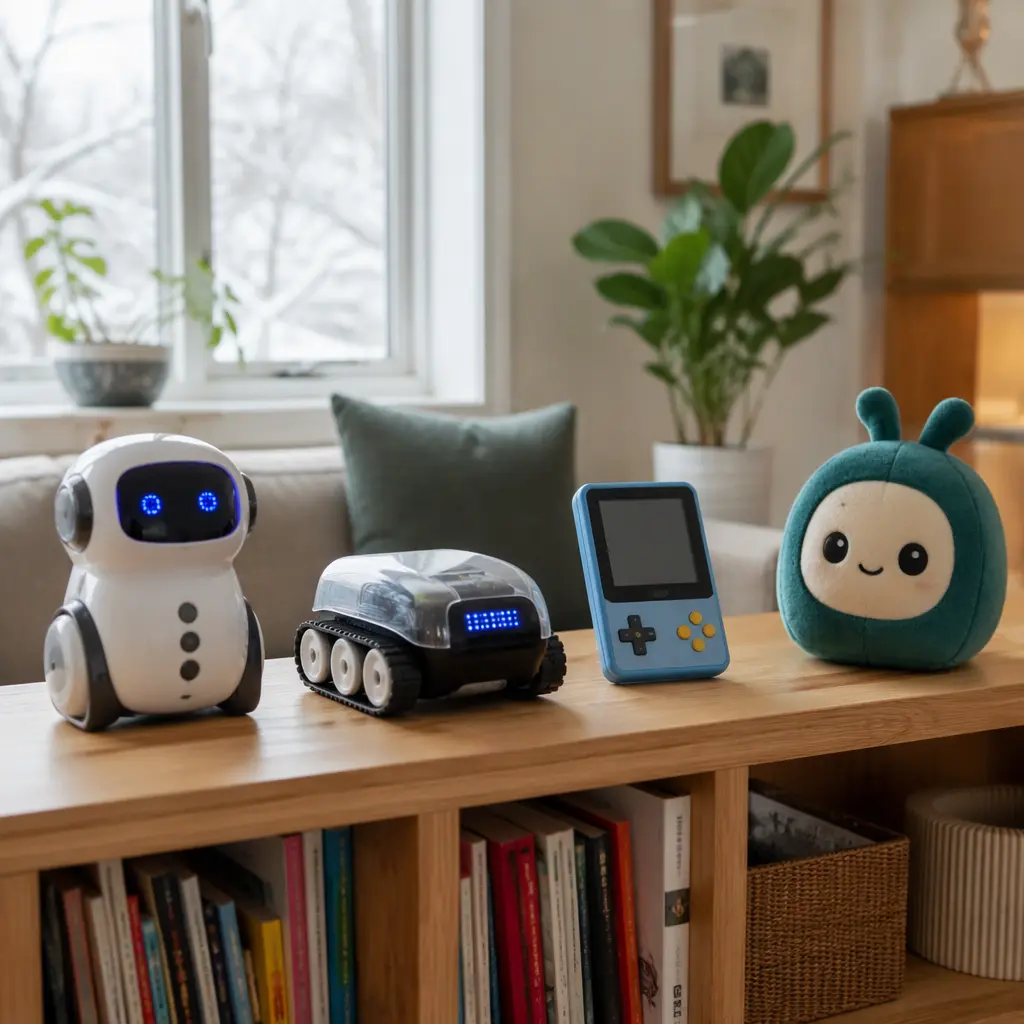
Compare prices and availability
Check current prices and availability for this guide on eBay.
As an eBay Partner, we may be compensated if you make a purchase.
AI toys for older children increasingly depend on apps, cloud servers and voice processing, but some products now handle more tasks directly on the device itself. For parents, that changes the buying decision in important ways. Toys with more local processing can continue working when internet services change, collect less personal data and often remain useful even if an app loses support later. For children aged 9 to 12, the strongest options usually combine programmable play, robotics or creative experimentation with features that still function offline. The challenge is separating genuine AI features from simpler voice triggers, motion sensors or scripted responses marketed as artificial intelligence.
What to look for
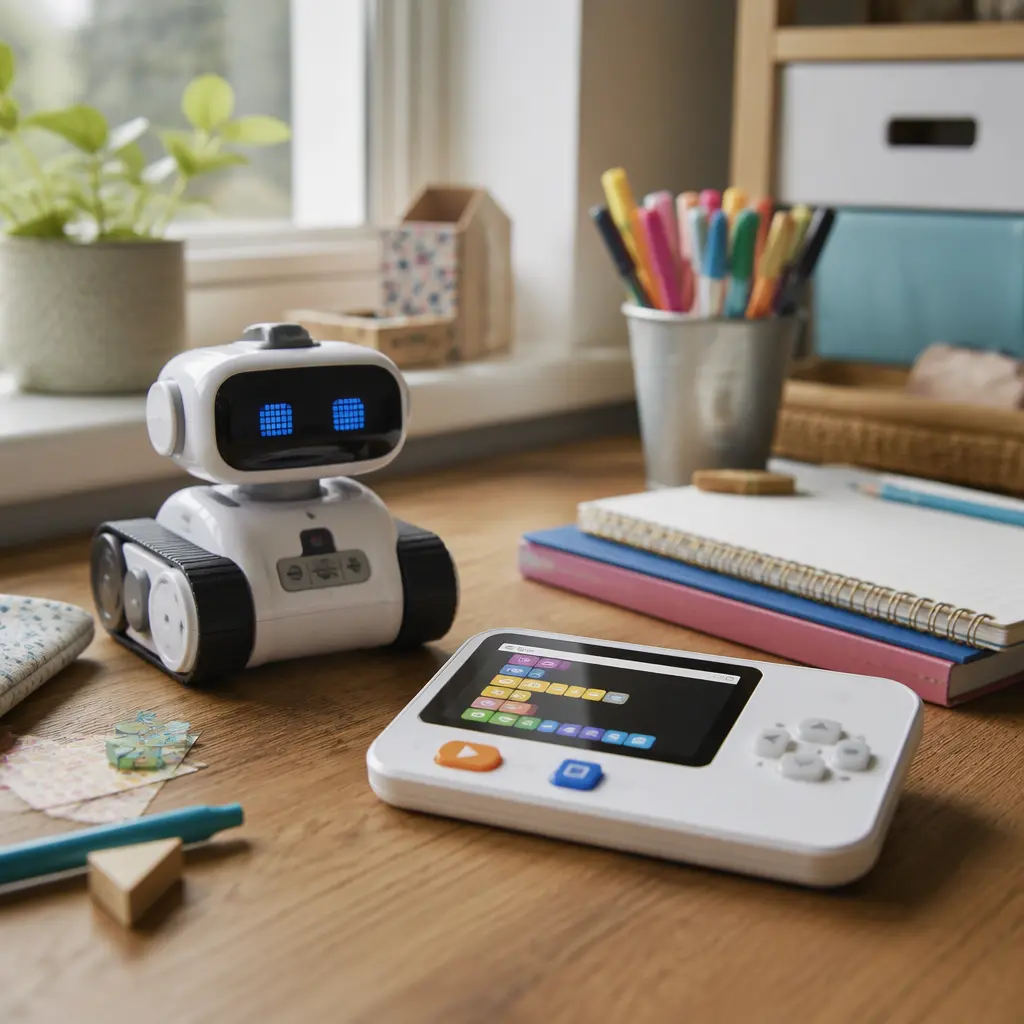
Local processing means the toy performs at least some recognition, responses or decision-making directly on the device instead of sending everything to remote servers. Manufacturers use the term differently, so parents should check carefully whether features still work without Wi-Fi. A toy may still need occasional app updates or account setup while offering mostly offline gameplay afterward. For Christmas buying, it is also worth thinking beyond the first few weeks of excitement. Older children tend to stay engaged longer with toys that allow creativity, coding, building or experimentation rather than repetitive chatbot conversations.
- Check which features work fully offline and which require internet access or app login.
- Look for clear information about microphones, cameras and whether recordings are stored remotely.
- Consider whether the toy remains useful if a subscription, credits or cloud service ends later.
- Verify device compatibility with family tablets or phones before buying.
- Think about storage space, charging routines and whether replacement parts are available.
- Choose toys with adjustable volume or headphone support if noise may become an issue at home.
- Prioritise replay value through coding, robotics, music creation or problem-solving activities rather than novelty conversation alone.
Age suitability
Children aged 9 to 12 often move quickly from passive play to experimentation and customisation. Simpler AI pets or talking companions may feel too limited unless they include coding features, expandable sensors or open-ended activities. Robotics kits, programmable vehicles and offline coding systems tend to suit this age group better because they reward repeated use and skill-building. Families with younger siblings should also consider whether small electronic parts, charging cables or detachable accessories need separate storage. At this age, many children can handle setup with guidance, but app permissions, account creation and software updates still benefit from adult supervision.
Options compared
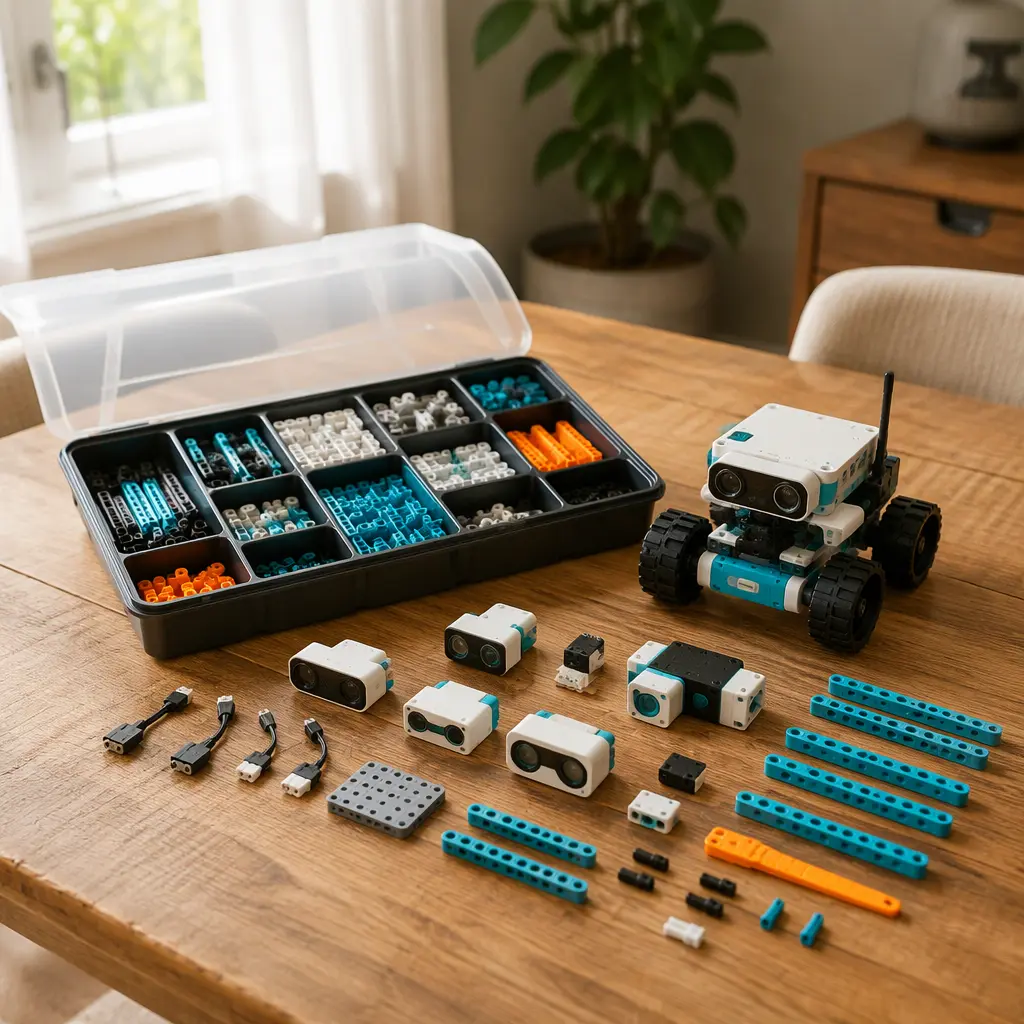
The broadest category includes programmable robots and coding kits from brands such as LEGO, Sphero and Makeblock. These products often use onboard sensors and local processing for navigation, obstacle detection or movement routines while relying on companion apps for setup and advanced programming. They generally offer the best long-term value for 9–12-year-olds because they support increasingly complex projects over time. However, they may require tablets or laptops for the full experience, and some systems become less useful if app support eventually ends.
AI companion toys and interactive pets are a different category. Some newer products advertise conversational AI but still depend heavily on cloud speech processing. In practice, many work more like connected voice assistants than independent toys. Parents concerned about privacy or long-term usefulness should check whether the toy can still play games, react to movement or support offline activities without active servers. These toys may suit children who enjoy imaginative interaction and storytelling, but they often have shorter novelty lifespans compared with robotics kits.
- Programmable robots: strongest for learning, replay value and offline coding activities; usually larger and more expensive.
- Coding kits: good balance of screen use and hands-on building; may require adult help during setup.
- Interactive AI pets: easier to start using and often emotionally engaging; weaker long-term depth for older children.
- Smart speakers marketed as toys: convenient but often heavily cloud-dependent and less suitable for independent creative play.
- DIY electronics kits with local AI functions: best for technically curious children comfortable with experimentation and troubleshooting.
Frequently asked questions
Do local-processing AI toys work without Wi-Fi?
Some do, but usually with limits. Many robotics and coding toys can still run saved programs, sensor reactions or games offline after setup. Voice features, cloud updates or online multiplayer functions may stop working without internet access.
Are locally processed toys more private?
They can reduce the amount of audio, video or usage data sent to external servers, but privacy still depends on the manufacturer's policies and app design. Parents should still review permissions, account settings and whether data deletion options are available.
Will these toys still work in a few years?
Toys with strong offline functions generally have a better chance of remaining usable if cloud services change later. Products that rely mainly on remote AI conversations or subscription servers may lose features if support ends. Simpler programmable functions tend to age more reliably than app-dependent chat systems.
Do AI toys help with coding skills?
Some do, especially robotics kits and programmable vehicles that use drag-and-drop or text-based coding systems. Others use the term AI mainly for marketing while offering limited educational depth. Looking for editable behaviours, sensor programming and project-building options is usually more useful than focusing on chatbot features alone.
Are subscriptions common?
They are becoming more common in connected toys, particularly those using cloud AI features or content libraries. Before buying, check whether core gameplay works without ongoing payments and whether free functions remain useful on their own.
For most families buying AI toys for ages 9 to 12, the strongest balance usually comes from products that combine offline robotics, coding or creative experimentation with limited connected features instead of full cloud dependence. These toys often provide better privacy, fewer long-term surprises and more replay value after the Christmas excitement fades. Checking how much the toy can actually do without servers or subscriptions is often more important than how advanced the AI marketing sounds.