Are Viral TikTok Desk Robots Good Gifts for Teens?
A practical guide to viral desk robots for teens, covering app reliance, repairability, battery life, privacy, noise, and whether these social-media gadgets stay fun after the trend fades.
Compare prices and availability
Check current prices and availability for this guide on eBay.
As an eBay Partner, we may be compensated if you make a purchase.
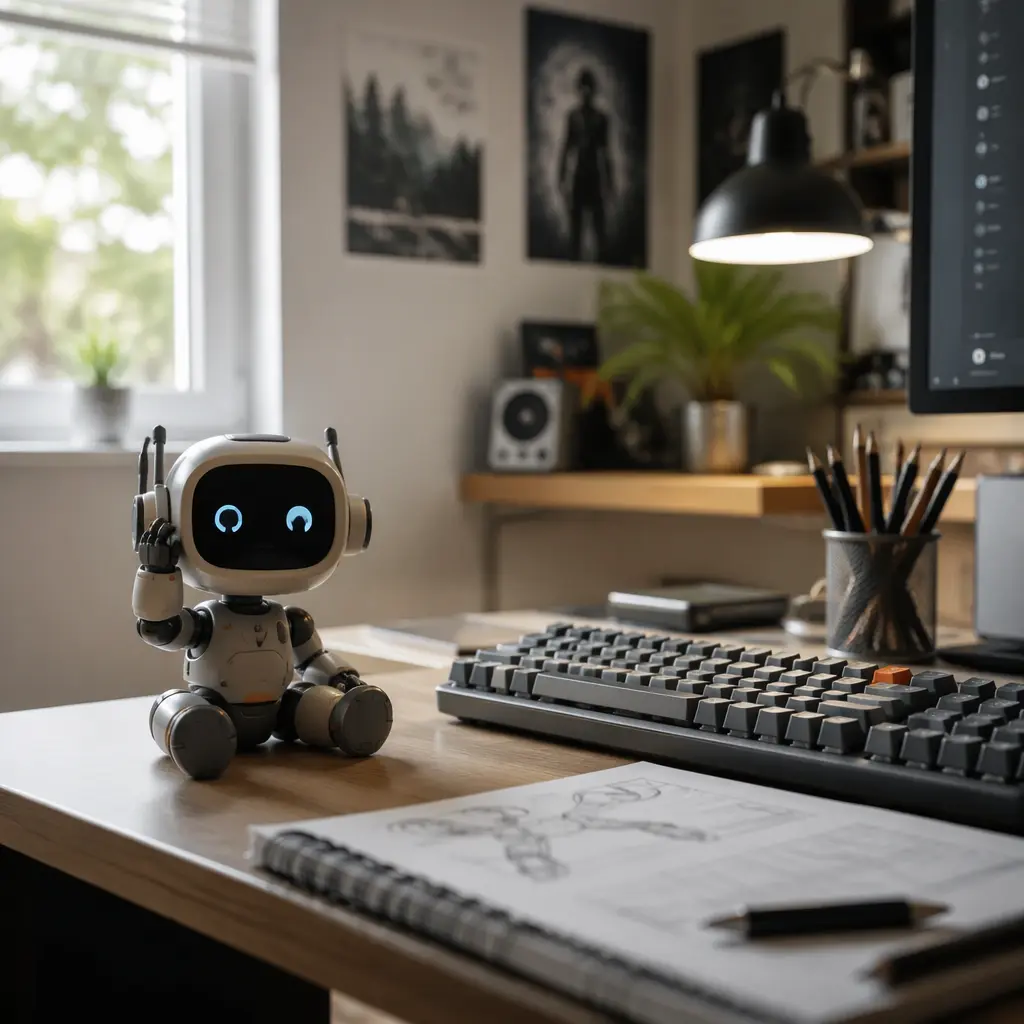
Small desk robots have become a familiar social-media trend, especially short-form video clips showing robots dancing, reacting to voices, following hand gestures or acting like miniature companions on a study desk. For teens, the appeal is easy to understand: these gadgets combine elements of collectibles, smart speakers, coding kits and animated pets. The challenge for parents is deciding whether a viral desk robot will still feel interesting after the first week. Some are genuinely engaging creative devices with coding features, expressive movement and offline play options. Others depend heavily on apps, cloud services or subscription features that may limit usefulness over time. Before buying, it helps to separate novelty value from everyday use and think about privacy, repairability, charging habits, storage space and how much independent play the robot actually supports.
What to look for
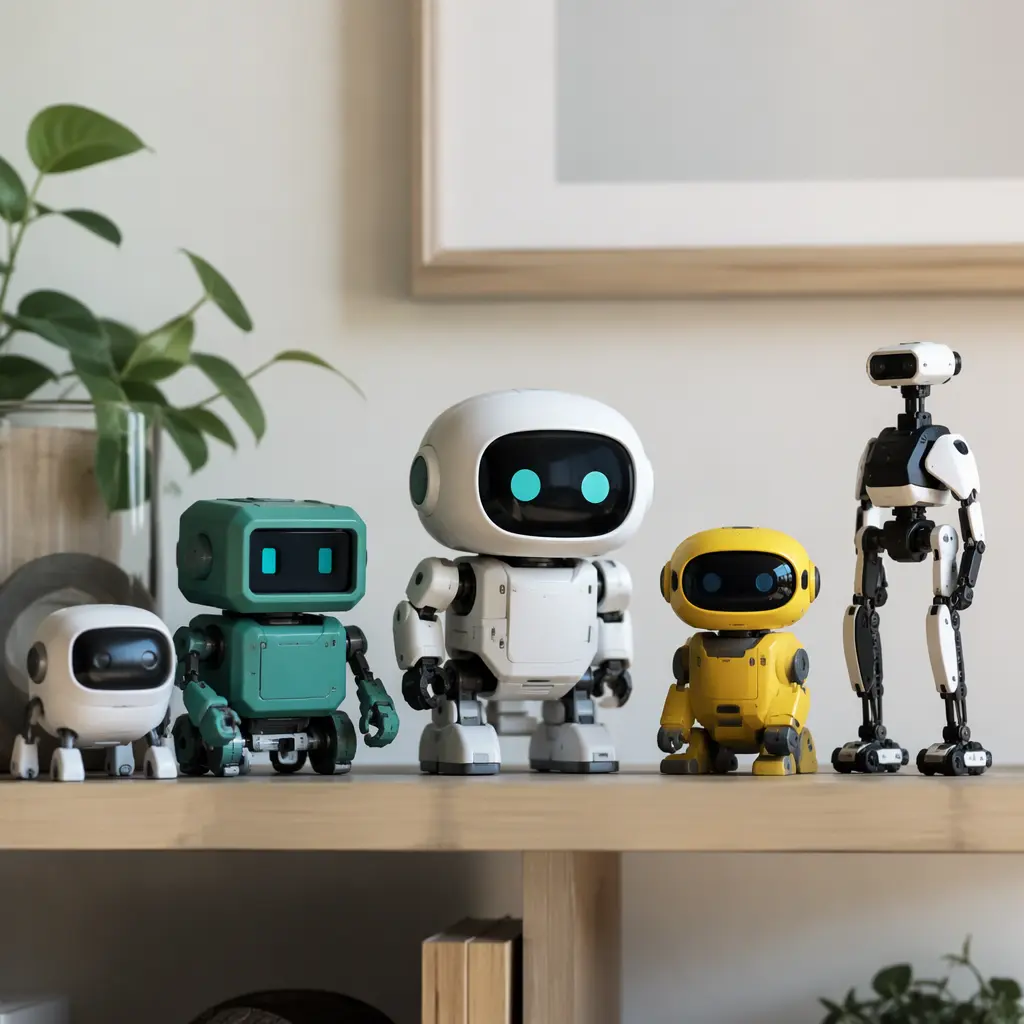
Many viral desk robots look similar online, but they vary widely in how they work. Some are true connected smart devices with microphones, cameras, app integration and cloud-based AI features. Others are simpler animatronic toys with preset reactions and limited offline functions. For a teen gift, the most important question is usually what the robot adds beyond a quick social-media gimmick. A robot that encourages creativity, coding, customization or practical desk companionship tends to have a longer lifespan than one built mainly around reaction clips and novelty sounds.
- Check whether the robot works offline or becomes limited without an app or internet connection.
- Look for clear information about microphones, cameras and voice recording features if privacy is a concern.
- Consider battery life and charging method, especially for robots designed to stay on a desk throughout the day.
- Repairability matters for moving toys. Replaceable batteries, accessible screws and spare parts are more practical than sealed designs.
- Some robots require ongoing subscriptions, cloud credits or companion apps for advanced features.
- Noise level can become an issue in shared bedrooms, study areas or family living spaces.
- Storage is usually simple, but fragile antennas, arms or balancing mechanisms may not travel well in backpacks.
- Coding and customization features often provide better long-term value than purely reactive animations.
Age suitability
Most viral desk robots marketed toward teens are best suited to ages 13 and up because setup often involves smartphone apps, Bluetooth pairing, software updates and account management. Younger children may enjoy the movement and sounds, but many connected robots are designed around customization, AI chat features or programmable actions that older users will appreciate more. Teens interested in coding, electronics, robotics clubs or digital art are more likely to use these devices regularly. Teens who mainly want a trendy desk accessory may lose interest quickly unless the robot also offers games, creative tools or useful interactive features.
Options compared
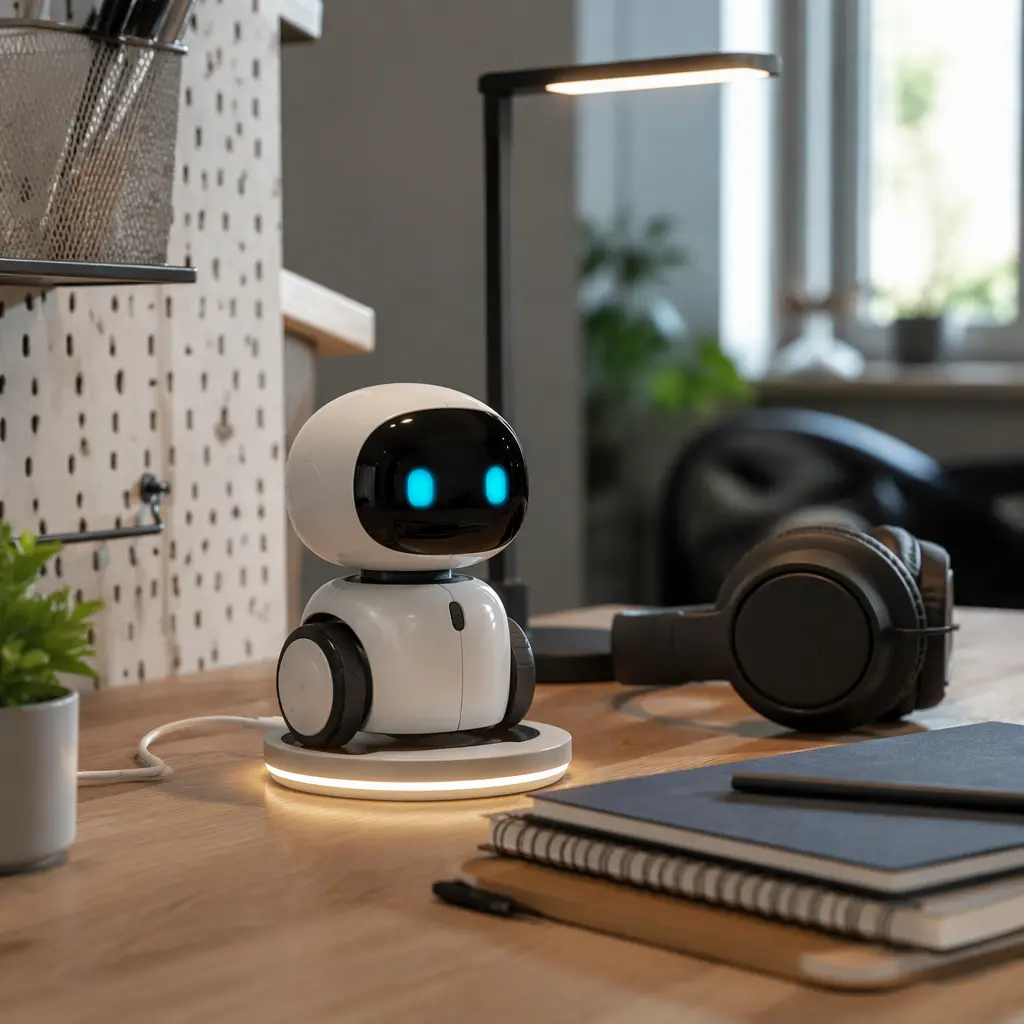
The biggest divide in this category is between app-heavy connected robots and simpler self-contained toys. Connected robots usually offer the most impressive demos online. They may respond to voice commands, generate AI-style conversations, recognize gestures or sync with mobile apps for games and expressions. These features can feel more personalized, but they also create dependency on software support. If the manufacturer stops updating the app or cloud services, some functions may disappear or become unreliable over time. Teens who enjoy experimenting with technology may still find these systems worthwhile, especially if the robot supports coding or open-ended customization.
Simpler animatronic desk robots tend to age better as straightforward toys. They usually rely on built-in sounds, touch sensors, movement patterns or remote controls rather than cloud features. These robots often have fewer privacy concerns and continue working without subscriptions or accounts. The trade-off is that they may feel repetitive after the novelty wears off. They suit teens who want a fun desk companion without another app to manage. Coding-oriented robots occupy a middle ground. They may not go viral as often, but they often provide longer-lasting engagement through programmable actions, STEM learning and customization. These are usually a better fit for teens already interested in robotics, engineering or creative tech projects.
- AI-connected robots: Best for tech-focused teens who enjoy apps, customization and experimenting with voice or chat features. Less ideal for families concerned about privacy or long-term software support.
- Animatronic desktop toys: Better for quick setup, lower maintenance and offline use. Usually easier for casual play but may lose novelty faster.
- Coding and programmable robots: Strongest long-term value for teens interested in STEM activities or creative projects, though setup may require more patience.
- Collectible mini robots: Compact and display-friendly for teens who enjoy room decor and social-media aesthetics more than interactive features.
Frequently asked questions
Do desk robots actually use AI?
Some do, but many products described as AI robots mainly use preset responses, motion routines or simple voice recognition. A true AI-connected robot typically relies on cloud processing, conversational systems or adaptive software features. Parents should expect marketing language around AI to vary widely between brands.
Will a desk robot still work if the app disappears?
That depends on the design. Some robots retain basic movement and reactions offline, while others rely heavily on companion apps or cloud servers. Checking whether core features function without an internet connection can help avoid frustration later.
Are these robots educational?
The educational value varies. Coding-focused robots can support problem-solving, sequencing and experimentation. Robots designed mainly around dancing, reactions or chat features are usually entertainment products first. Educational claims from manufacturers are often broad, so it helps to look for specific programming or customization tools.
Are desk robots noisy?
Some can be surprisingly loud, especially robots with speakers, voice responses or mechanical movement. Small motors and repetitive sound effects may become distracting in shared spaces. Volume controls or headphone-compatible apps are useful features for teens using them at a study desk.
What makes a desk robot a better long-term gift?
Robots with multiple ways to interact usually last longer than single-purpose novelty toys. Coding support, expandable features, durable construction and offline usability tend to matter more over time than viral dances or reaction clips. Teens who already enjoy tech hobbies are generally more likely to keep using them regularly.
A viral desk robot can be a fun and memorable teen gift when the device matches the teen’s actual interests rather than a passing trend. The strongest options usually balance personality with practical usability, offering meaningful interaction even when the social-media excitement fades. Looking beyond flashy videos and focusing on app dependence, repairability, privacy and replay value will help narrow the field quickly.