Yoto Mini vs Toniebox Lite for ADHD-Friendly Listening
A parent-focused comparison of Yoto Mini and Toniebox Lite for children aged 6–8 who benefit from simple audio routines, lower distraction levels and easy-to-manage controls.
Compare prices and availability
Check current prices and availability for this guide on eBay.
As an eBay Partner, we may be compensated if you make a purchase.
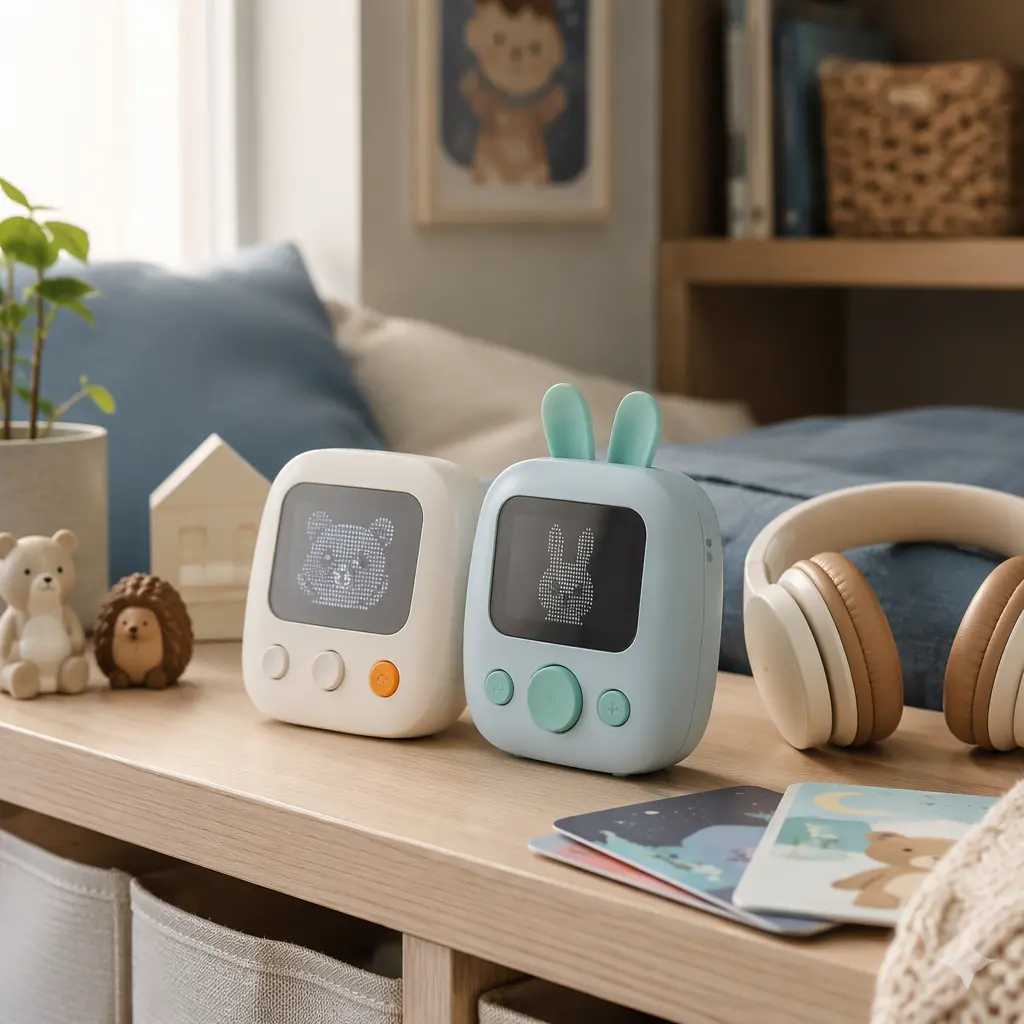
For some children with ADHD traits, audio toys can support calmer transitions, quieter independent play and bedtime routines without adding another screen. The challenge is finding a device that stays simple instead of becoming another source of distraction. Yoto Mini and Toniebox Lite are both designed around child-friendly listening, but they take very different approaches to control, navigation and daily use. For families comparing the two for children aged 6–8, the main differences are usually how much independence a child can manage, how easily routines can be repeated and how much setup parents are willing to handle.
What to look for
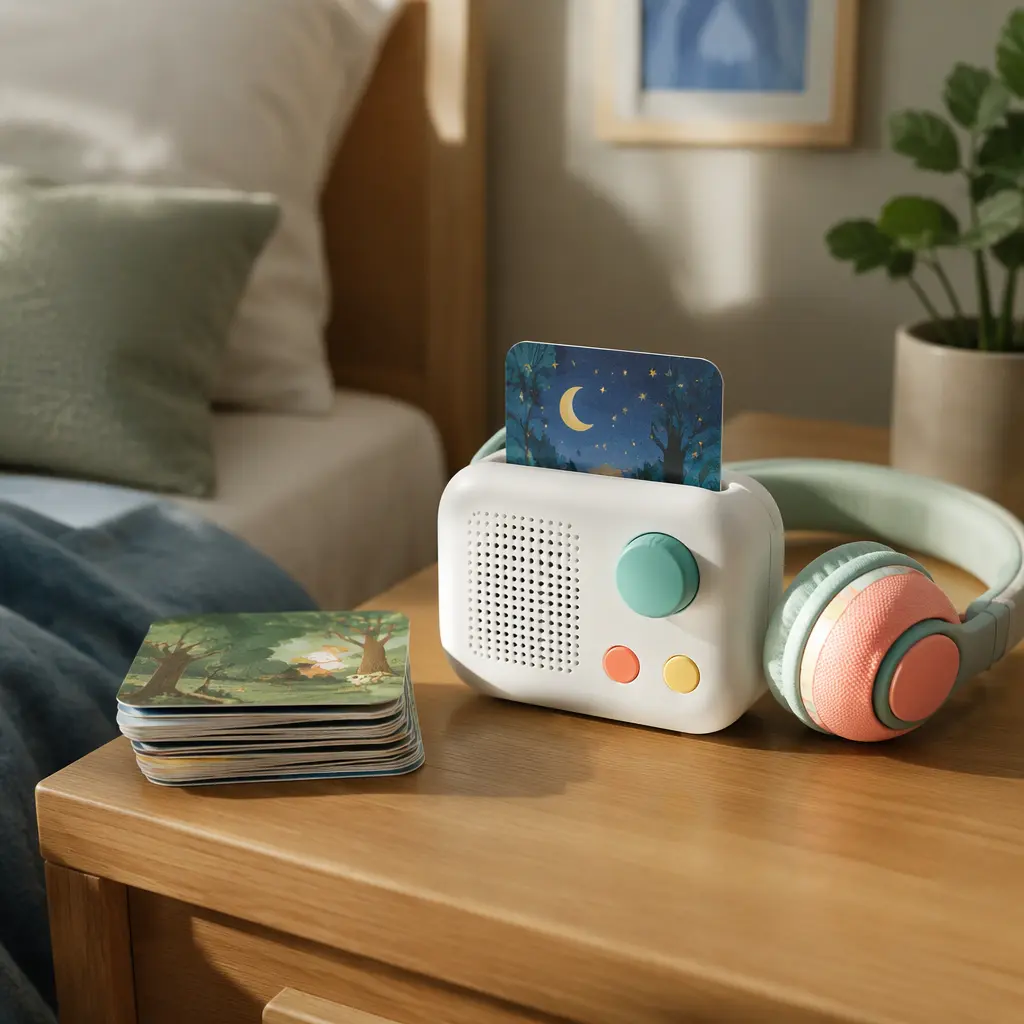
Children who struggle with distraction or overstimulation often respond better to audio systems that are predictable and easy to operate without constant adult intervention. Simple controls matter more than long feature lists. It also helps to think about how the toy fits into existing routines such as getting ready for school, winding down before bed or calming after busy activities. Parents may also want to consider whether the device still works well without an internet connection and how much ongoing app management is required.
- Large physical controls are usually easier for children who become frustrated by menus or touchscreens.
- Clear start-and-stop routines can reduce wandering between stories, songs and sound effects.
- Offline playback is useful for travel, bedrooms with limited Wi‑Fi and reducing app dependence.
- Headphone support may matter in shared bedrooms or noise-sensitive homes.
- Card- or figure-based systems can help children visually organize favorite content.
- Battery life and charging style affect whether the player is genuinely grab-and-go.
- Durability matters for children who carry audio players between rooms, school bags or car journeys.
- Parental controls and content management differ widely between ecosystems and apps.
Age suitability
Both Yoto Mini and Toniebox-style systems can work for children aged 6–8, but they suit slightly different developmental stages. Yoto Mini often appeals to children who are ready for more independence and can handle selecting cards, navigating tracks or listening to longer chapter-based stories. It can continue to feel age-appropriate as reading skills and listening stamina grow. Toniebox-style players generally lean more toward younger children because interaction is highly physical and straightforward: place a character or object on the box and audio starts automatically. That simplicity can be reassuring for children who become overwhelmed by too many choices, although some older children may eventually want more control over playlists, audiobooks or music variety.
Options compared
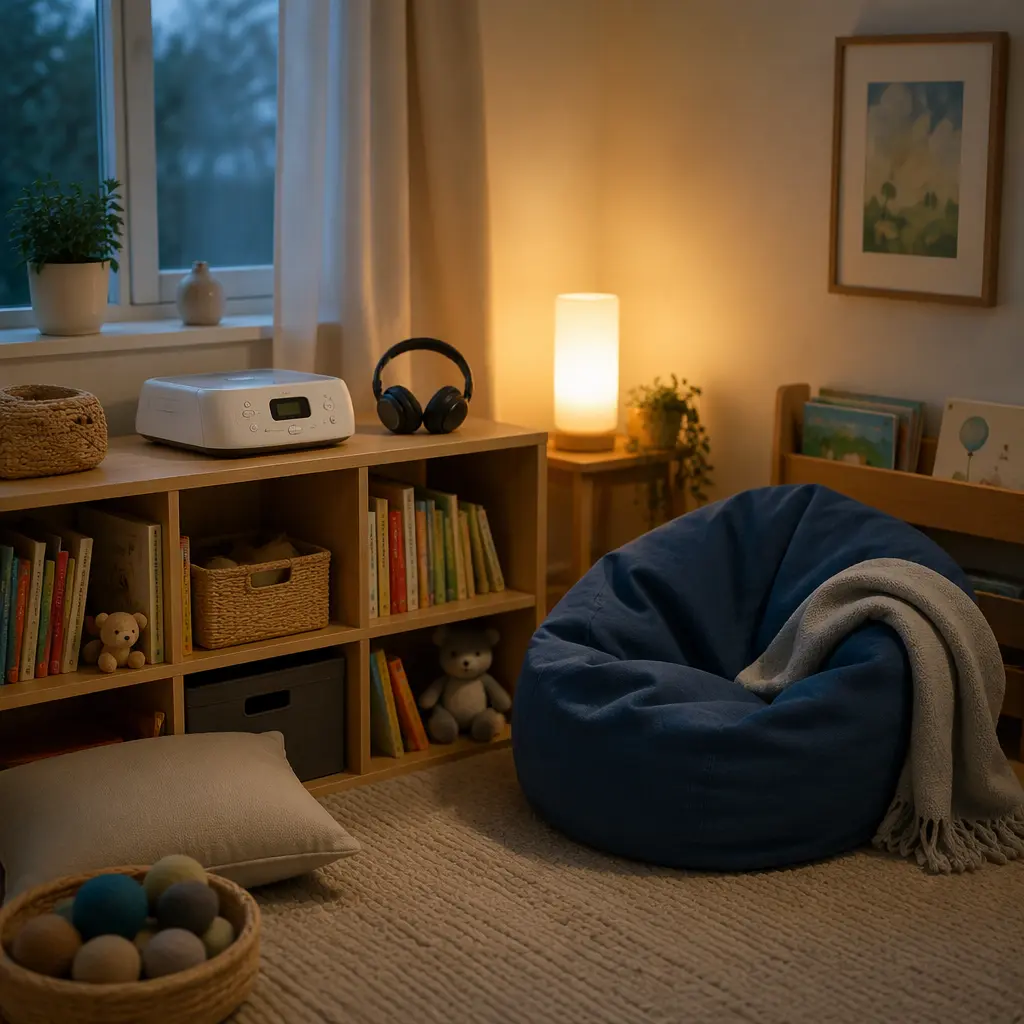
Yoto Mini is closer to a compact audio player with a child-focused design. Content is usually selected through physical cards, which many families find easier than navigating a touchscreen. For children with ADHD traits, the card system can create useful structure because favorite stories and routines become tangible objects. Some parents also prefer that the child can independently swap between calm music, audiobooks and podcasts without borrowing a phone or tablet. The trade-off is that the wider range of content can become distracting for children who constantly change activities or skip between tracks. Children who thrive on routine may need guidance around limiting choices at certain times of day.
Toniebox-style systems prioritize simplicity over flexibility. The interaction model is highly direct: place a character on the player and the matching audio begins. For children who struggle with decision fatigue or complicated controls, that simplicity can reduce frustration and support independent listening earlier. The softer, more tactile design also appeals to children who fidget or prefer sensory-friendly objects. The downside is that older children may outgrow the format sooner, especially if they want longer audiobooks or more control over playback. Figure-based systems can also create storage clutter and may encourage collecting behavior, which is worth considering for children who become intensely focused on completing sets.
- Yoto Mini generally suits children who enjoy variety, longer stories and growing independence.
- Toniebox-style systems generally suit children who benefit from highly predictable routines and minimal controls.
- Families wanting headphone listening or travel portability may lean toward compact card-based players.
- Families prioritizing durability and very simple operation may prefer softer, figure-based systems.
- Children who rapidly switch activities may need curated content choices regardless of platform.
- Parents who want lower app involvement should compare setup requirements, account systems and content management before buying.
Frequently asked questions
Can audio players help reduce screen time?
They can help replace some passive video viewing, particularly during car rides, quiet play and bedtime routines. However, results depend on how the player is used. If children constantly browse content through a companion app or switch endlessly between stories, the experience may become less calming than intended.
Which option is less distracting for children with ADHD traits?
Many families find that simpler interaction models reduce distraction. Toniebox-style systems usually have fewer decisions to make during playback, while Yoto Mini offers more flexibility and longer-term content variety. The better choice depends on whether the child benefits more from strict routine or from having controlled independence.
Do these players require Wi‑Fi all the time?
Most connected audio systems use Wi‑Fi for setup, downloads or account management, but many support offline listening after content has been loaded. Parents should still check how much functionality depends on apps, cloud libraries or ongoing account access, especially for travel or shared households.
Are subscriptions necessary?
Some brands offer optional memberships, credits or content clubs. These may expand audiobook access but can also increase long-term costs. Families focused on predictable budgeting may prefer systems that remain useful with individually purchased content or reusable custom audio options.
What about privacy and microphones?
Parents comparing smart audio toys should review whether the device includes microphones, voice features or app-linked accounts. Even products designed for children may collect usage information through connected services. Reading the manufacturer’s privacy policy and checking parental control settings is worthwhile before setup.
For most families choosing between Yoto Mini and Toniebox Lite for ADHD-friendly listening, the decision comes down to structure versus flexibility. Yoto Mini tends to fit children who are ready for more independent listening and longer-term use, while Toniebox-style players often work well for children who need highly predictable interaction with minimal controls. Neither option automatically creates calm routines on its own, but both can support quieter, screen-light habits when paired with clear boundaries and carefully chosen content.