First Ride-On Toys That Don’t Overstimulate Toddlers
A parent-focused guide to calm, simple ride-on toys for ages 1–2. Learn what to look for, age fit, and safer alternatives to flashy electronic models.
Compare prices and availability
Check current prices and availability for this guide on eBay.
As an eBay Partner, we may be compensated if you make a purchase.
Ride-on toys are often a toddler’s first taste of independent movement. For many families, though, the challenge is finding an option that builds balance and confidence without overwhelming a young child. Flashing lights, loud music, and busy buttons can be exciting, but they’re not always helpful for toddlers who are still learning how to focus, move their bodies, and regulate their emotions. Simple, quiet ride-ons can offer the same physical benefits while keeping playtime calmer and more intentional.
What to look for
When shopping for a first ride-on for a 1–2 year old, simplicity is often a strength. Toddlers benefit from toys that respond directly to their actions, without added sound or visual effects competing for attention. Focusing on a few core features can help narrow the options.
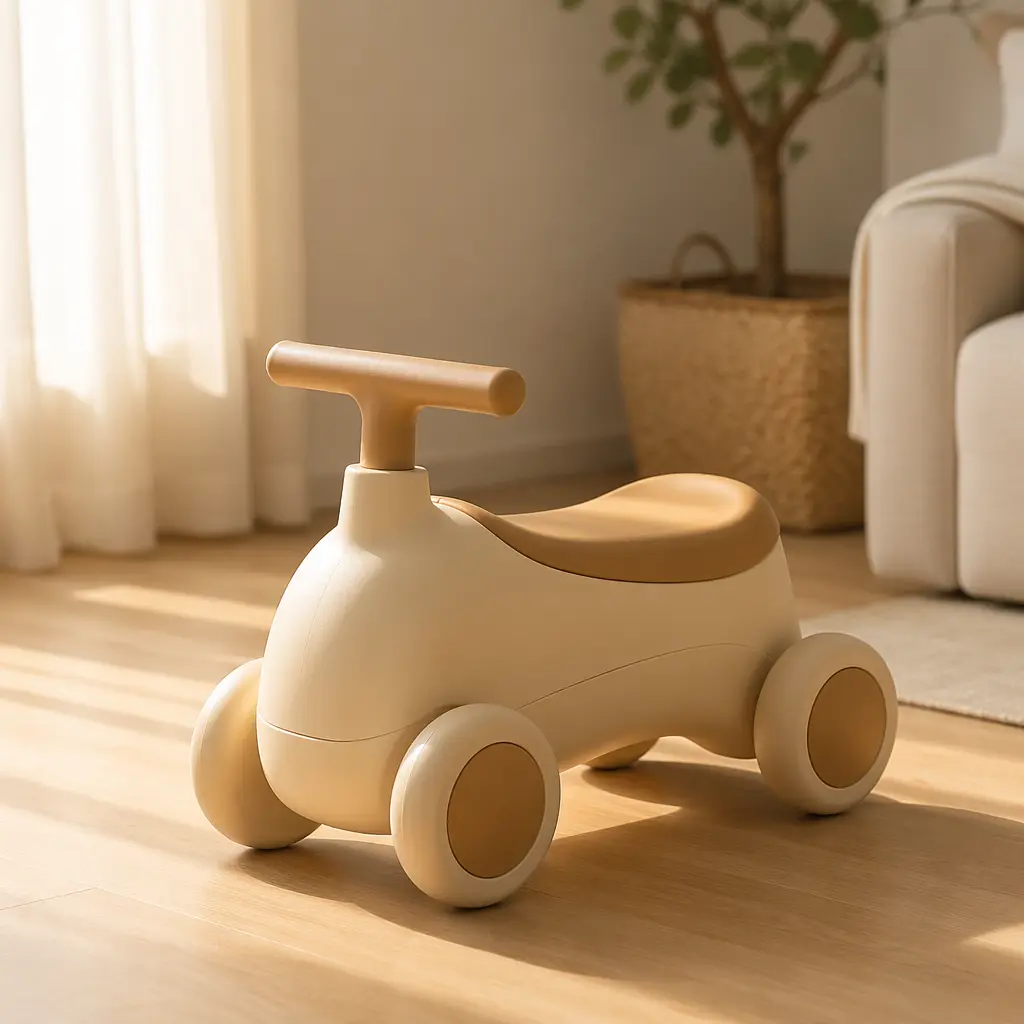
- Stable, low-to-the-ground design that reduces tipping risk
- Limited or no electronic features such as lights, music, or voice prompts
- Smooth-rolling wheels suitable for indoor floors
- Comfortable seat height that allows feet to stay flat on the ground
- Durable materials that can handle daily use without sharp edges
Age suitability
For children between 1 and 2 years old, ride-on toys should support early motor skills rather than challenge them too quickly. At this stage, toddlers are learning to push with their feet, steer loosely, and understand cause and effect. A ride-on that is too tall, too fast, or too complex can be frustrating or unsafe. Many parents find that basic ride-ons designed specifically for early walkers encourage confidence, especially when a child is still unsteady or cautious.
Standout categories or types
Not all ride-on toys are designed with the same goals in mind. For families trying to limit sensory overload, certain categories tend to work better than others. These options prioritize movement and exploration over entertainment features.
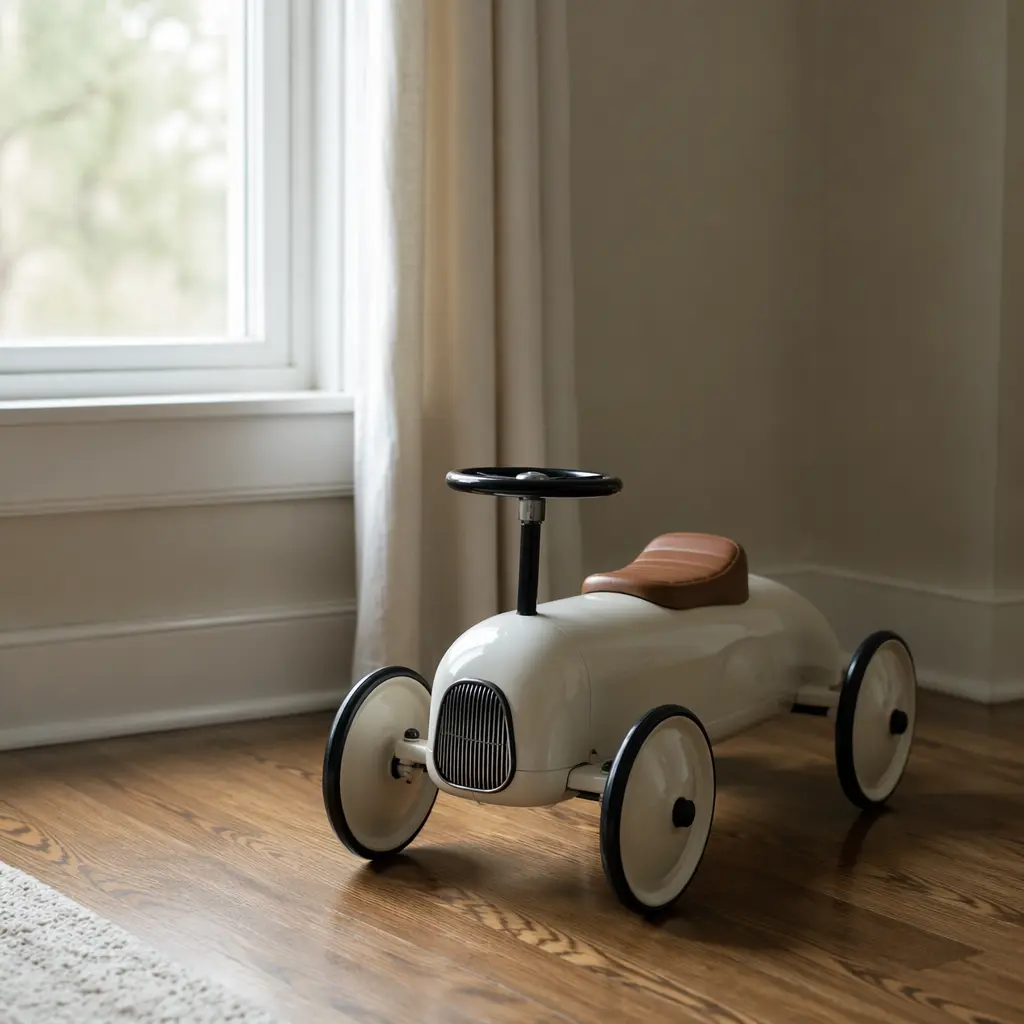
- Foot-powered ride-ons with no batteries, encouraging natural movement
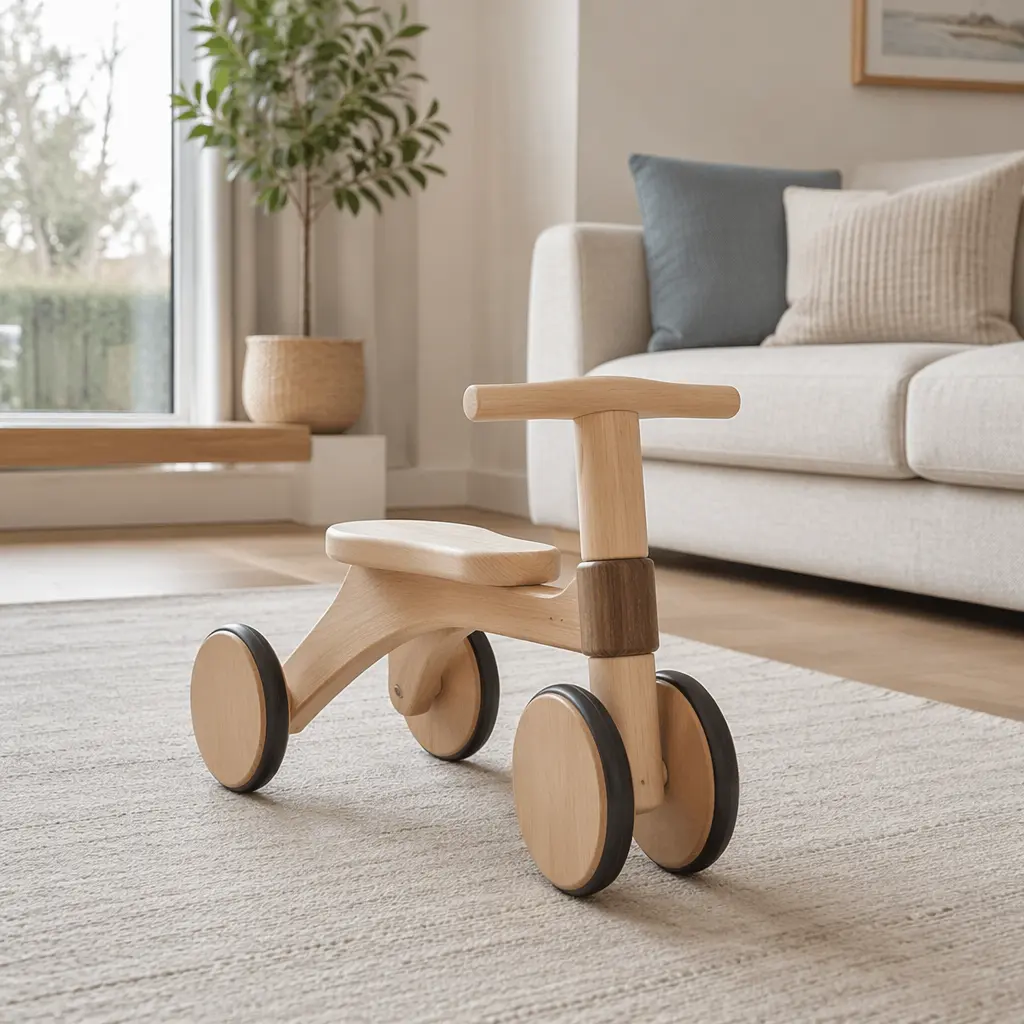
- Wooden or neutral-toned ride-ons with simple shapes and minimal details
- Push-and-ride hybrids that support both walking and seated play
- Ride-ons with gentle steering rather than tight turning or quick spins
In contrast, ride-ons with built-in screens, constant music, or flashing lights may hold attention in the short term but can distract from physical learning. Many child development specialists note that calmer toys make it easier for toddlers to focus on body awareness, balance, and problem-solving during play.
Frequently asked questions
Are quiet ride-on toys boring for toddlers?
Most toddlers don’t need extra features to stay engaged. Simple ride-ons invite imagination and repetition, which are both important at this age. Many children enjoy mastering movement more than pressing buttons or triggering sounds.
Do ride-on toys help with walking and balance?
Yes, age-appropriate ride-ons can support balance, coordination, and leg strength. Models that allow toddlers to push with their feet help reinforce the same muscles and movements used in walking.
Is it okay to avoid electronic toys entirely?
Avoiding electronics is a personal choice, but many families prefer fewer electronic toys during the toddler years. Quiet ride-ons can offer active play without adding background noise or visual clutter to the home.
What materials are best for indoor use?
For indoor play, smooth wheels that won’t scratch floors are important. Both wood and sturdy plastic can work well, as long as edges are rounded and the toy feels solid when a child climbs on.
Choosing a first ride-on toy doesn’t have to mean choosing the loudest or most complex option. For many toddlers, simpler designs create space for focused play, steady movement, and a calmer experience overall. By prioritizing stability, age fit, and minimal sensory input, parents can select a ride-on that supports development while keeping playtime peaceful.