Ride-On Toys That Still Get Used After Age 3
A parent-focused guide to ride-on toys for ages 3–5, comparing simple and electronic options for long-term play value, durability, and growing skills—without naming specific products.
Compare prices and availability
Check current prices and availability for this guide on eBay.
As an eBay Partner, we may be compensated if you make a purchase.
Many ride-on toys are marketed for toddlers, but not all of them keep kids interested once they pass age three. At this stage, children are stronger, more coordinated, and more imaginative—and their toys need to keep up. Parents often wonder whether simple ride-ons or electronic models offer better long-term value. This guide breaks down what tends to last, what gets outgrown quickly, and how to choose a ride-on toy that still earns playtime through the preschool years.
What to look for
For kids ages three to five, ride-on toys need to support active movement, growing independence, and longer attention spans. The features that matter most at this age are less about flashing lights and more about how the toy fits into everyday play.
- Weight and size limits that comfortably accommodate older preschoolers
- Sturdy construction that can handle faster riding and rougher handling
- Simple controls that don’t restrict how a child uses the toy
- Room for imagination, such as open seating or cargo space
- Indoor and outdoor usability, depending on available space
Age suitability
Between ages three and five, children are transitioning from basic push-and-ride movement to more confident steering, pedaling, and balancing. Ride-on toys that still work at this age typically allow kids to control speed and direction themselves, rather than relying on buttons or preset motions. A good fit should let a child’s feet rest flat or pedal comfortably, with enough room to grow for at least a year or two.
Standout categories or types
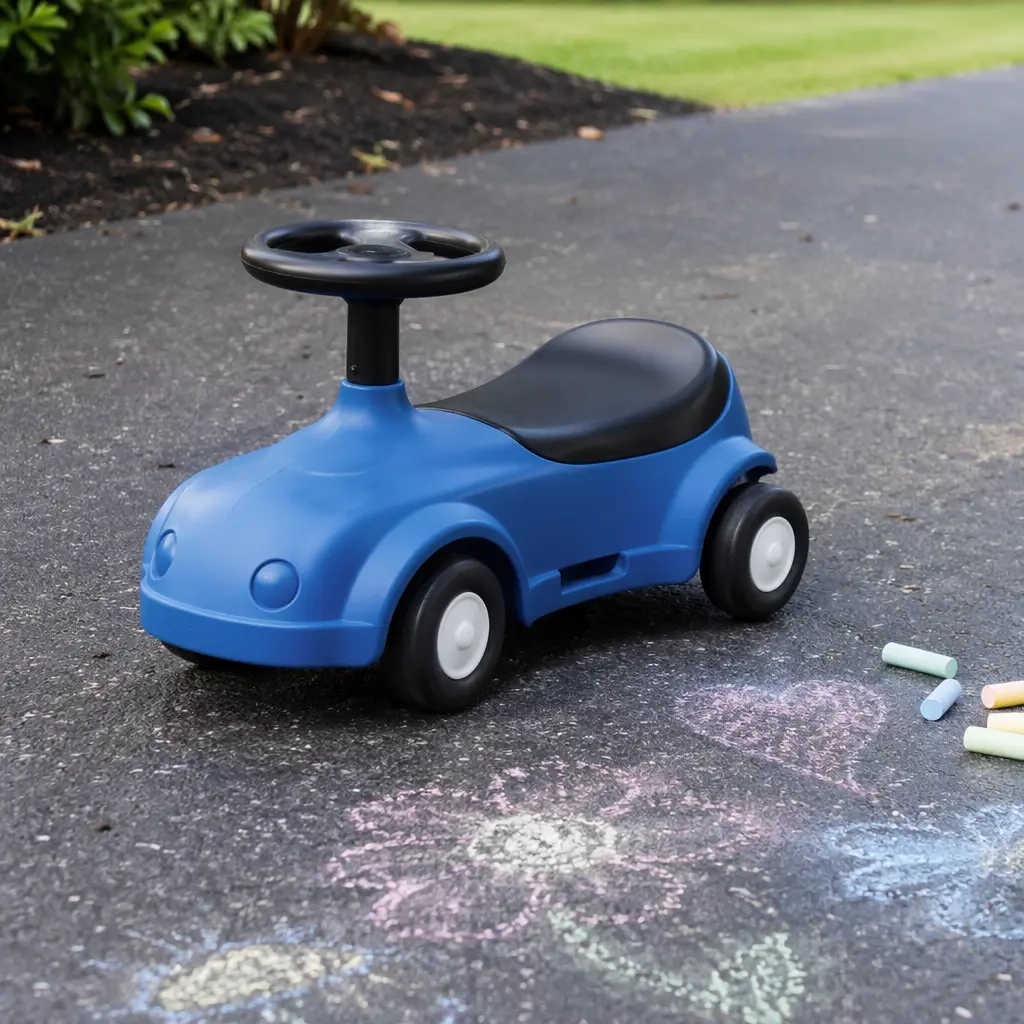
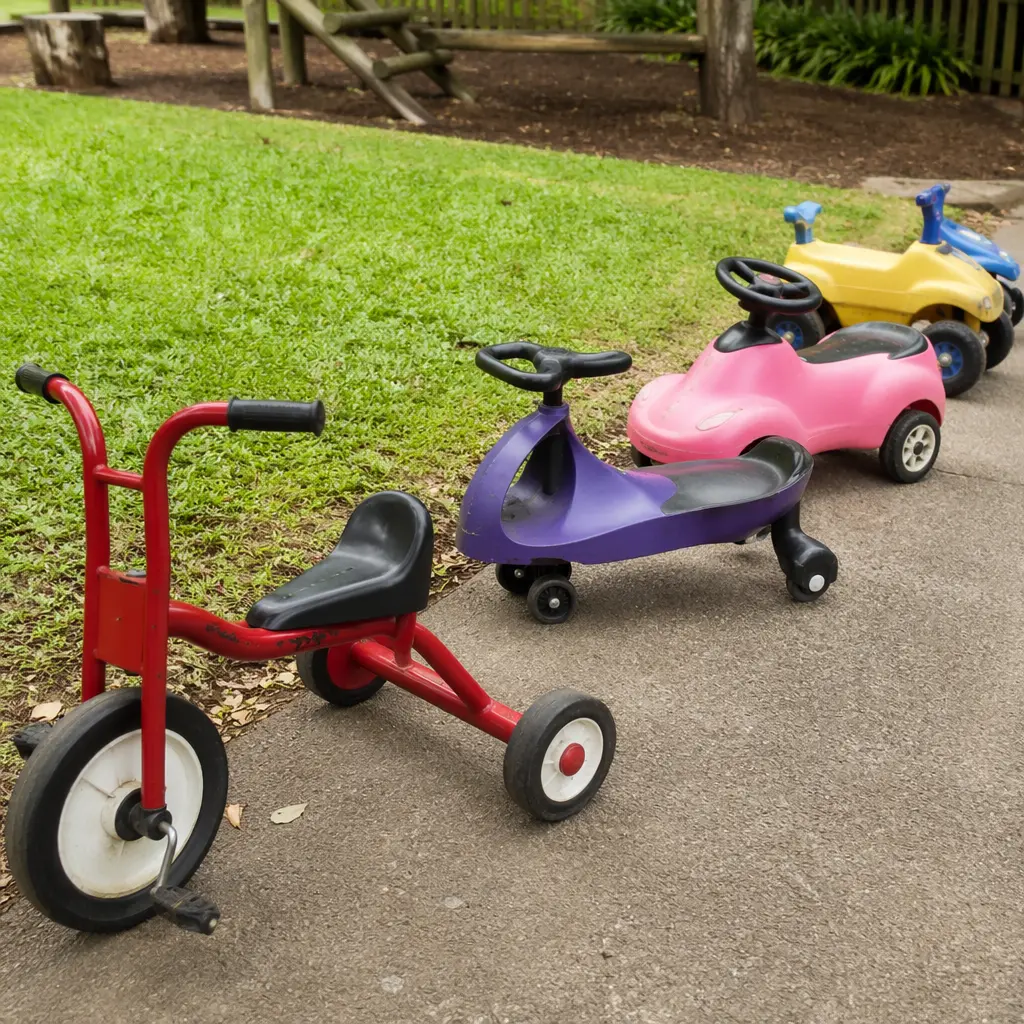
Simple ride-on toys—those without batteries, screens, or sound effects—often have the longest lifespan. Because they rely on a child’s own movement, they naturally scale with physical ability. As kids grow stronger and faster, the same toy feels new again. These models also tend to integrate easily into pretend play, becoming race cars, delivery vehicles, or part of an obstacle course.
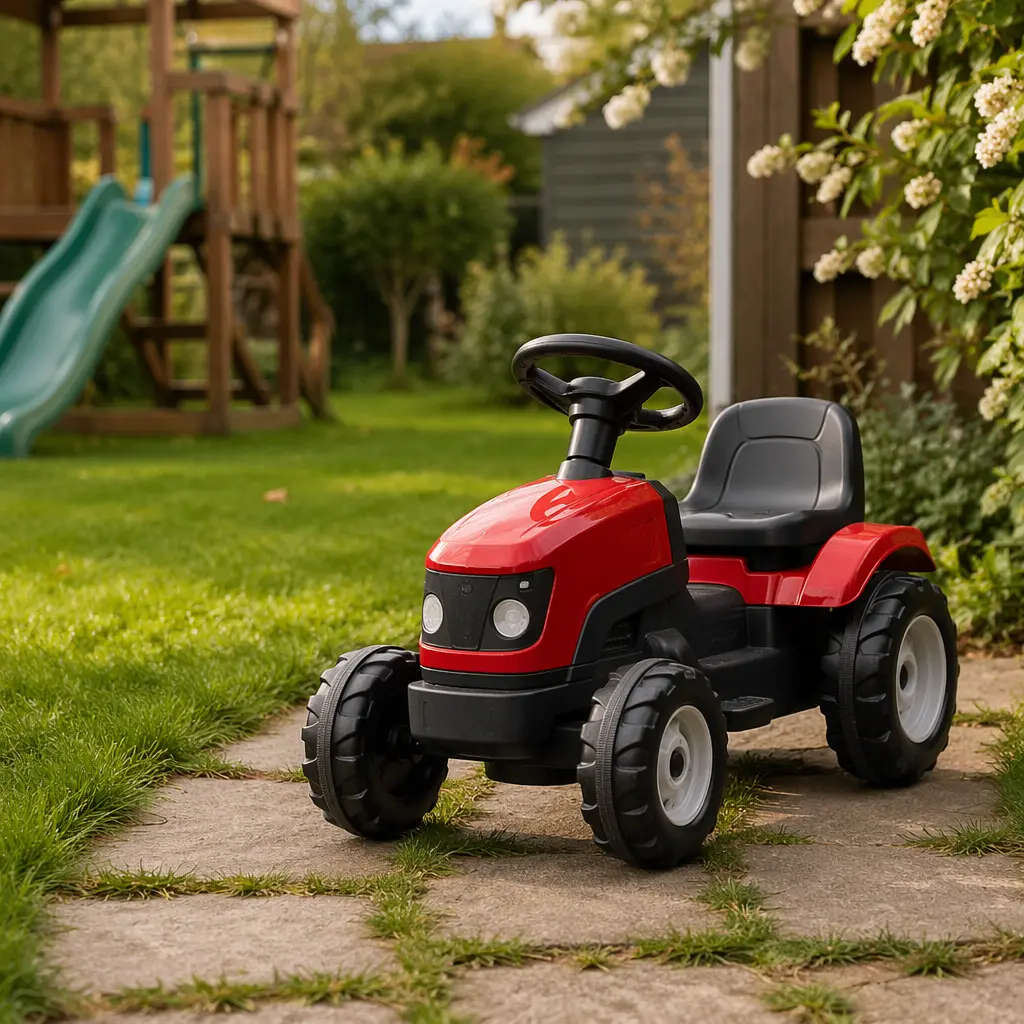
Electronic ride-ons can be exciting at first, especially for younger toddlers, but their appeal sometimes fades after age three. Preset sounds or limited driving patterns may not match a preschooler’s growing desire for control and creativity. That said, some electronic features—like optional sound or removable accessories—can still work if they don’t dominate the play experience. The key difference is whether the toy invites active use or mostly entertains passively.
- Foot-powered ride-ons that encourage speed control and coordination
- Pedal-based ride-ons that build leg strength and endurance
- Balance-focused ride-ons that prepare kids for two-wheeled riding
- Multi-use ride-ons that double as push toys or pretend-play props
Frequently asked questions
Do simple ride-on toys really last longer than electronic ones?
In many cases, yes. Simple ride-ons don’t depend on batteries or specific features that can break or lose novelty. Because kids supply the movement and ideas, these toys tend to grow with the child rather than being outgrown quickly.
Are electronic ride-ons bad for preschoolers?
Not necessarily. Electronic ride-ons can still offer fun and skill-building, especially if features are optional or minimal. Problems usually arise when the toy limits how a child can play or replaces active movement with buttons and sounds.
What size ride-on works best for ages 3–5?
Look for models designed with higher weight limits and adjustable or roomy seating. A preschooler should be able to sit comfortably, push or pedal efficiently, and still have space to grow over time.
Can ride-on toys help with development at this age?
Yes. Ride-on toys support balance, coordination, leg strength, and spatial awareness. They also encourage outdoor play and imaginative scenarios, which are important for social and cognitive development.
When choosing a ride-on toy for ages three to five, long-term play value usually comes from simplicity, durability, and flexibility. Toys that let kids decide how to move and what the toy becomes in their imagination are the ones most likely to stay in regular rotation. By focusing on how your child plays now—and how that play might grow—you can pick a ride-on that lasts well beyond the toddler years.