Simple Ride-On Toys Toddlers Can Master Quickly
A parent-friendly guide to low-frustration ride-on toys for ages 1–2. Learn what features help toddlers gain confidence, balance, and coordination without motors or complex parts.
Compare prices and availability
Check current prices and availability for this guide on eBay.
As an eBay Partner, we may be compensated if you make a purchase.
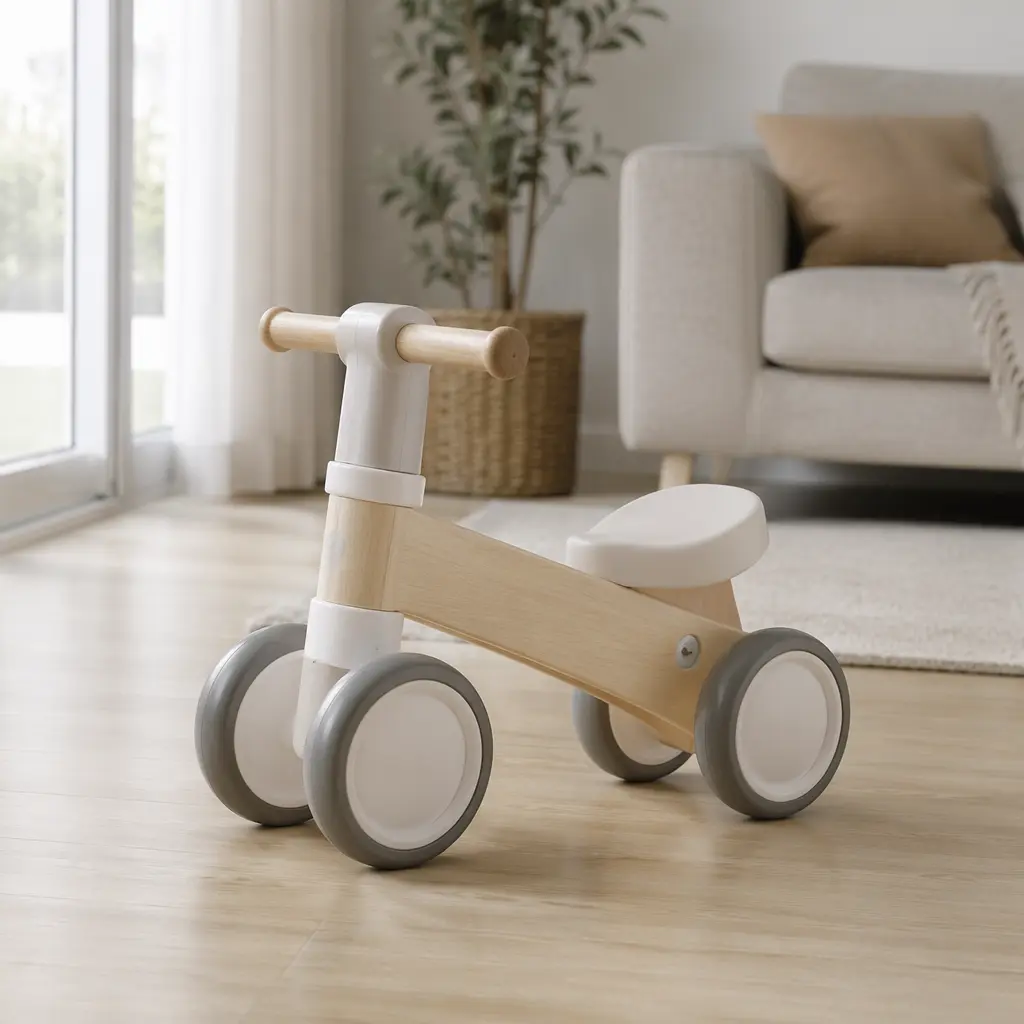
For toddlers just learning to move with purpose, ride-on toys can be a gentle way to build confidence. The best options for ages 1–2 are simple, motor-free designs that respond directly to a child’s movements. With fewer parts to figure out, toddlers can focus on pushing, scooting, and steering—skills that support balance and coordination without overwhelming them.
What to look for
Low-frustration ride-on toys share a few common traits. These features help toddlers understand cause and effect quickly and reduce falls, stalls, or tears.
- Low seat height so feet can stay flat on the floor
- Wide wheelbase for side-to-side stability
- Simple steering or no steering at all
- Lightweight frame that toddlers can move themselves
- No batteries, pedals, or complex controls
- Rounded edges and enclosed wheels to protect little fingers
Age suitability
Ride-on toys labeled for ages 1–2 are designed for early walkers and confident sitters. At this stage, toddlers are still developing core strength and balance, so toys should allow them to push with both feet and stop easily. Adjustable features can extend use, but simplicity matters more than long-term growth. A ride-on that fits now is more likely to be used daily and enjoyed without frustration.
Standout categories or types
Several types of ride-on toys work especially well for young toddlers. Each emphasizes ease of use and quick success rather than speed or tricks.
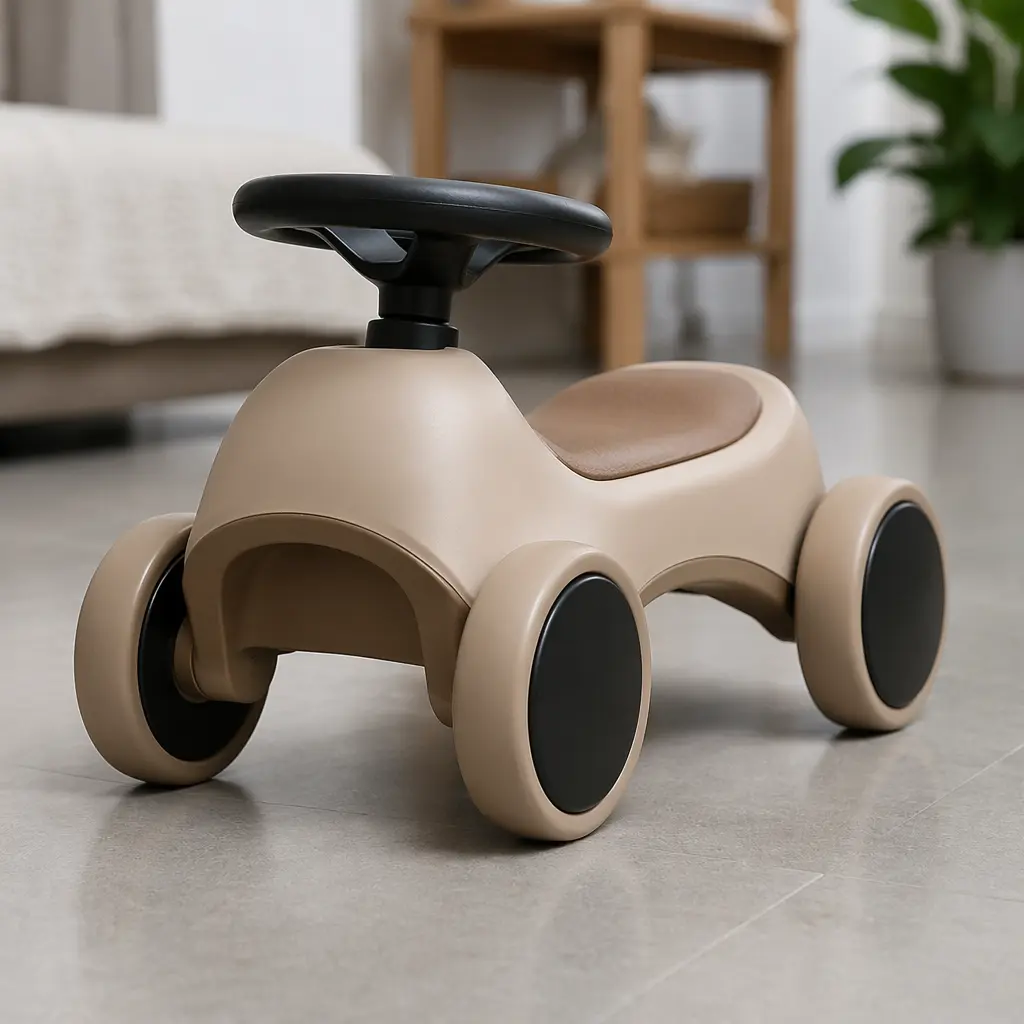
- Push ride-ons: Toddlers sit and move by pushing with their feet, learning basic forward motion and stopping.
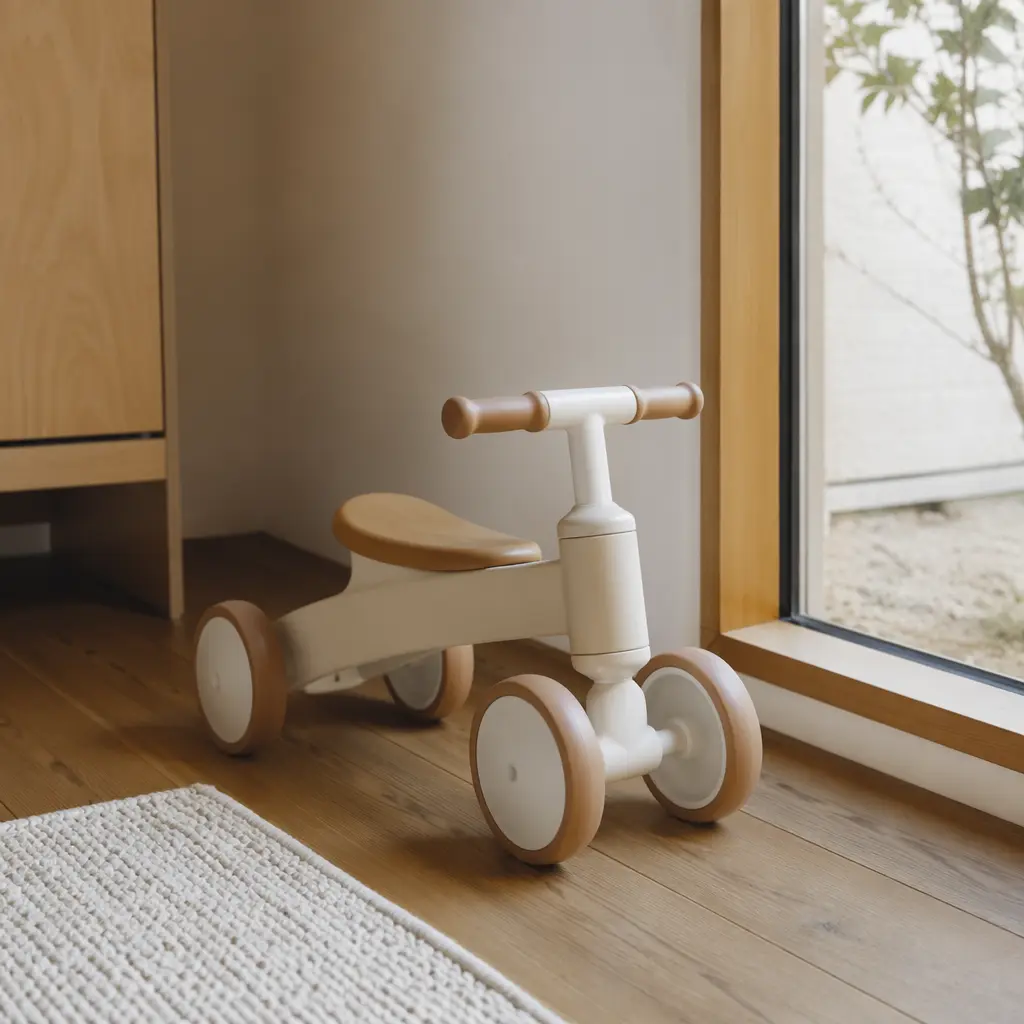
- Balance-style ride-ons: Similar to early balance bikes but smaller and slower, encouraging coordination without pedals.
- Ride-ons with handles: Simple handlebars or grips give toddlers something to hold without requiring precise steering.
- Floor-friendly indoor ride-ons: Designed with smooth wheels that work well on hardwood or tile and protect floors.
Across categories, the key is responsiveness. When a toddler pushes, the toy should move predictably. When they stop, it should stop too. This clear feedback helps children feel in control and eager to try again.
Frequently asked questions
Are motor-free ride-on toys better for toddlers?
For ages 1–2, motor-free ride-ons are usually easier to manage. They let toddlers control speed and direction with their own bodies, which supports balance and reduces overstimulation.
Do toddlers need pedals at this age?
Pedals can add frustration for younger toddlers. Most children benefit more from pushing with their feet until they have stronger coordination, typically closer to age 3.
Can these toys be used outdoors?
Some simple ride-ons work on smooth outdoor surfaces like patios or sidewalks. Check wheel material and stability, and avoid uneven ground until a child shows confident control.
What materials are safest?
Durable plastics and sealed wood are common choices. Look for sturdy construction, smooth finishes, and designs without small detachable parts.
Simple ride-on toys don’t need bells, motors, or complicated features to be effective. For toddlers, the best designs are the ones they can understand right away. By choosing a low, stable, and easy-to-use ride-on, parents can give young children a confidence-boosting way to practice movement and independence—one small scoot at a time.