Ride-On Toys That Store Vertically in Small Homes
A parent-focused guide to ride-on toys for small homes, comparing foldability, wall clearance, storage footprints, noise, and age suitability for children aged 3–5.
Compare prices and availability
Check current prices and availability for this guide on eBay.
As an eBay Partner, we may be compensated if you make a purchase.
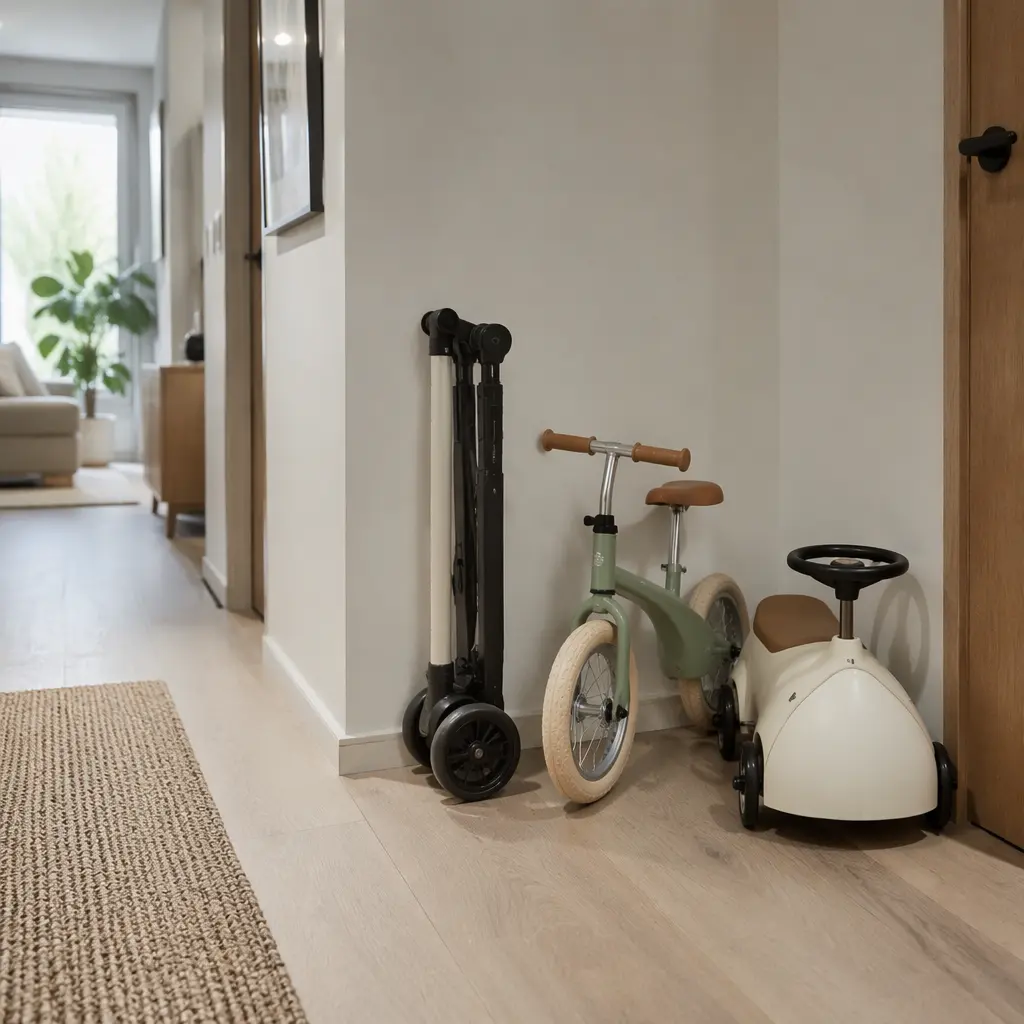
Ride-on toys can take over a small home quickly, especially in apartments where hallway space, closets and entryways already work hard. For children aged 3–5, the challenge is finding a toy that still supports active play without becoming permanent floor clutter. Some ride-ons fold flat, some stand upright on their own, and others technically fit in small spaces but are awkward to lift or constantly tip over. Looking at real storage footprint matters more than box dimensions. Wall clearance, wheel width and whether a toy can slide beside furniture often make a bigger difference in daily use than overall length.
What to look for
For apartment living, storage shape matters as much as play value. A toy with a narrow upright profile is usually easier to live with than a shorter toy that sprawls across the floor. Parents should also consider how often the toy needs to move. A lightweight scooter that folds in seconds may suit busy weekday routines better than a heavier ride-on that requires both hands to carry into storage. Wheels can also affect indoor practicality. Hard plastic wheels are often louder on apartment floors, while softer rubber-style wheels tend to reduce noise indoors and on shared walkways.
- Check upright depth, not just folded length. Some toys still stick far out from the wall when stored vertically.
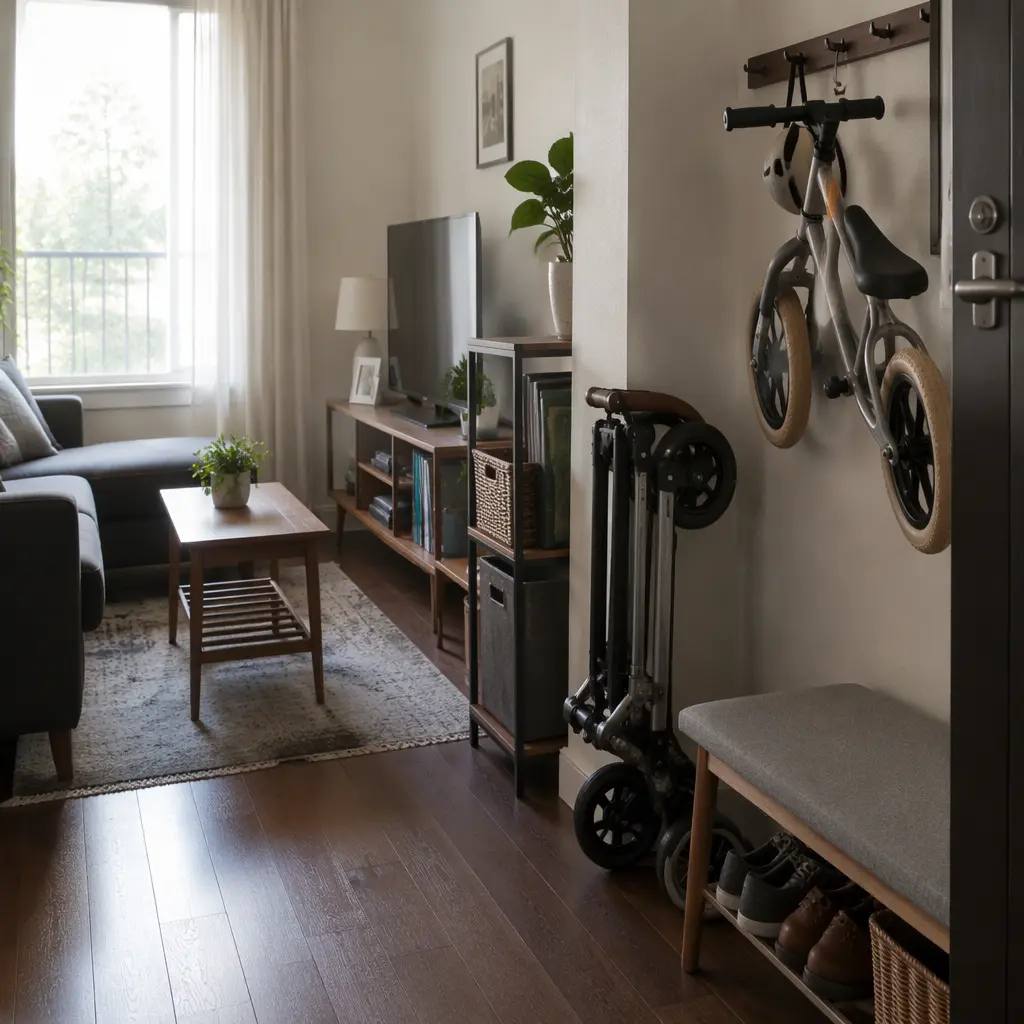
- Look for self-standing designs if floor space is limited and wall hooks are not practical.
- Consider weight carefully. Heavier ride-ons may be difficult for children or caregivers to move daily.
- Foldable handlebars save more space than removable parts that can get lost.
- Softer wheels usually create less indoor noise for downstairs neighbours.
- Low-profile ride-ons slide under benches or console tables more easily.
- Avoid oversized steering features or wide rear axles in narrow apartments.
- Choose wipe-clean materials if the toy will move between outdoor and indoor spaces frequently.
Age suitability
Children between 3 and 5 years old often fall into an awkward transition stage for ride-ons. Many toddler push toys feel too small, while larger pedal vehicles can become bulky and difficult to store. Balance bikes, compact scooters and slim foot-powered ride-ons usually fit this age range well because they encourage coordination without needing large frames. Taller preschoolers may outgrow very compact models quickly, so adjustable handlebars or seats can help extend usability in smaller homes where buying multiple stages of ride-on toys is unrealistic. Families in upstairs apartments may also prefer lightweight options that children can help carry safely rather than heavy battery-powered vehicles designed mainly for outdoor driveways.
Options compared
Foldable scooters are often the easiest fit for small homes because they usually combine narrow storage profiles with lightweight construction. Many stand upright once folded, making them practical for entryways or closets. They also tend to suit children near the upper end of the 3–5 age range who already have basic balance and steering skills. The trade-off is that scooters are less suitable for rough indoor play and can be noisy on hard flooring depending on wheel material.
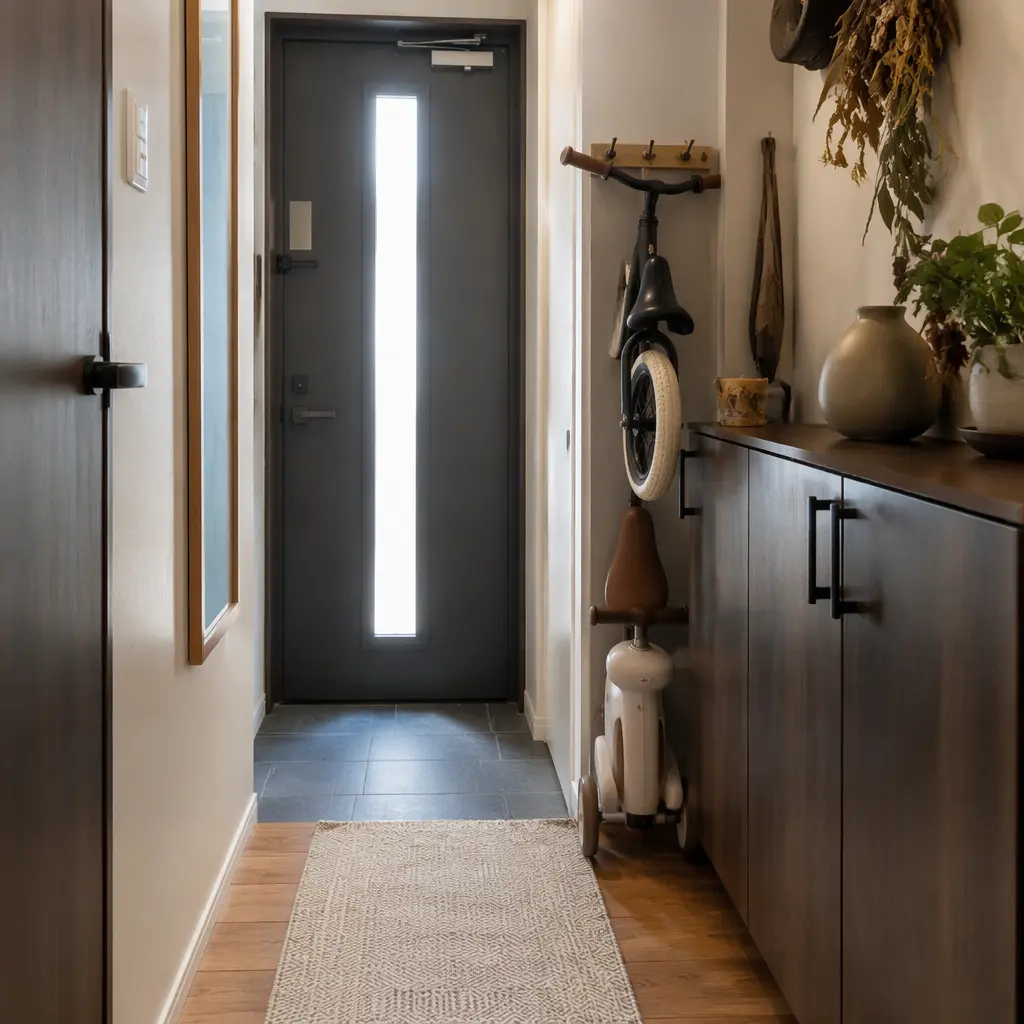
Balance bikes are another strong option for apartment living because many have slim frames that hang easily on wall hooks or slide beside furniture. Wooden versions can look tidy indoors but are sometimes heavier than metal-frame designs. Balance bikes generally need a little more floor clearance than scooters because handlebars extend outward even when turned sideways. They work well for active preschoolers preparing for pedal bikes and usually encourage outdoor use rather than constant indoor riding.
- Compact foot-to-floor ride-ons suit younger or cautious riders and often have stable low seats, but many are surprisingly wide because of anti-tip wheel layouts.
- Fold-flat trikes can reduce storage size significantly, although folding mechanisms add weight and may require adult setup.
- Lightweight plastic ride-ons are easy to carry and wipe clean, but durability may be lower with frequent outdoor pavement use.
- Battery-powered ride-ons are usually the least apartment-friendly choice because of charging needs, heavier frames, storage bulk and higher noise levels.
- Hybrid ride-ons that convert between scooter, balance bike or push modes can save space for families trying to avoid buying multiple toys.
- Wall-mounted storage works best with lighter ride-ons under regular adult lifting comfort, especially in narrow hallways.
Frequently asked questions
Are foldable ride-on toys always smaller to store?
Not necessarily. Some folded toys become shorter but remain wide or awkward because of wheel placement. Checking upright depth and wheel spread is often more useful than folded length alone. A toy that stands neatly against a wall may take up less usable space than one that folds flat but must lie on the floor.
Which ride-on type is usually quietest indoors?
Ride-ons with softer rubber-style wheels generally create less noise on hard floors than rigid plastic wheels. Balance bikes and scooters designed mainly for outdoor pavements can still create vibration noise indoors, so apartment families often limit riding to rugs, hallways or outdoor spaces.
Do wall hooks work for preschool ride-on toys?
They can work well for lightweight balance bikes and some scooters if the wall fittings are appropriate for the toy’s weight. Heavier ride-ons may become inconvenient to lift daily, especially for families carrying groceries, strollers or other gear through tight apartment entrances.
Are battery-powered ride-ons practical in apartments?
For most small homes, battery-powered ride-ons are harder to manage because they are bulkier, heavier and less flexible to store vertically. They may also create more noise and require charging space. Families with limited indoor storage often find simpler foot-powered ride-ons easier to live with long term.
What is the easiest ride-on to store beside furniture?
Slim scooters with folding handlebars and narrow wheel bases are usually the simplest option for tight gaps beside shelves, benches or coat storage. Compact balance bikes can also fit well if the handlebars rotate enough to reduce side clearance.
For apartment living, the most practical ride-on toy is usually the one that gets used regularly without creating a daily storage problem. Lightweight designs, narrow upright footprints and quick folding systems tend to matter more than extra features. Choosing a toy that fits both the child’s development stage and the realities of shared living space can make active, screen-free play easier to maintain year round.