Quiet Indoor Ride-Ons for Upstairs Apartments
A parent-focused guide to quiet indoor ride-ons for toddlers aged 1–2 years, covering wheel materials, floor protection, storage, supervision and noise-friendly play in apartments.
Compare prices and availability
Check current prices and availability for this guide on eBay.
As an eBay Partner, we may be compensated if you make a purchase.
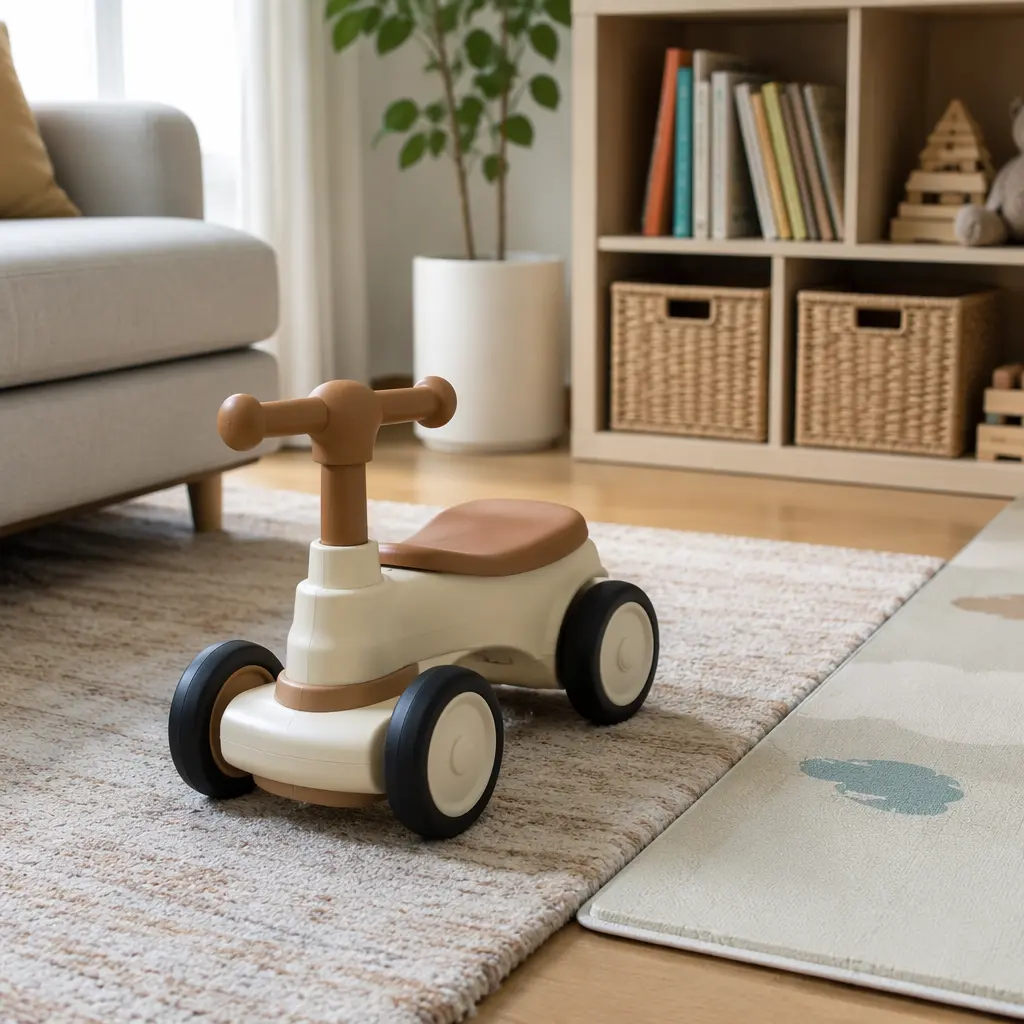
Indoor ride-on toys can help toddlers aged 1–2 years practice balance, coordination and independent movement, especially during bad weather or in small homes. For families in upstairs apartments, though, the wrong ride-on can quickly become noisy on hard floors. Plastic wheels rattling across laminate, heavy push cars bumping furniture and oversized toys that are difficult to store can all create frustration for both parents and neighbors. The quietest options usually combine lightweight construction, softer wheel materials and slower, toddler-paced movement. Choosing the right ride-on is less about speed or features and more about how the toy behaves inside a shared building.
What to look for
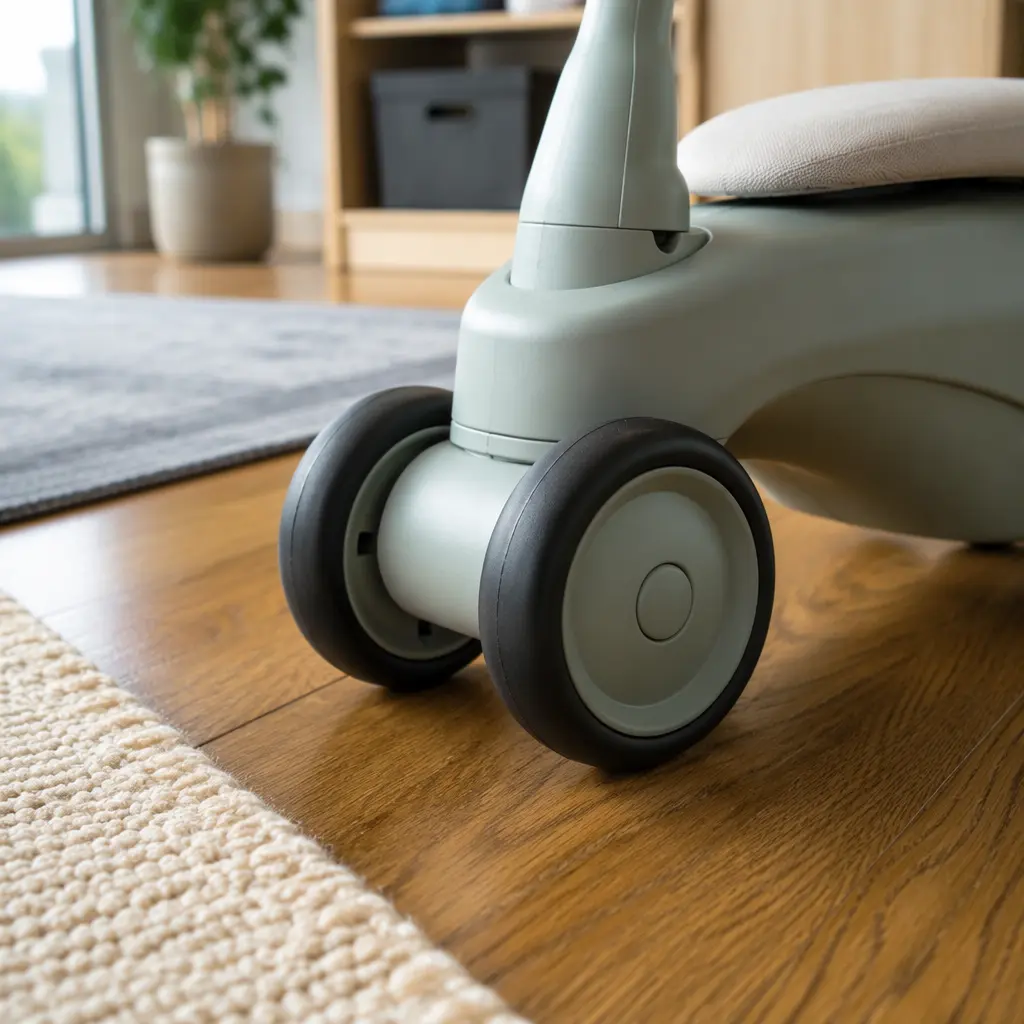
The biggest factor in indoor noise is usually the wheel material. Hard plastic wheels tend to amplify vibration on wood, tile and laminate floors, while rubberized or foam-covered wheels absorb more sound and grip the floor better. Lightweight ride-ons also create less impact noise when toddlers push off suddenly or tip the toy sideways. For small apartments, compact designs with a narrow turning circle are often easier to manage than wide push cars or ride-ons with long handles.
- Choose rubberized, silicone-coated or foam-style wheels instead of hard plastic where possible.
- Look for low seat heights that allow toddlers to keep both feet flat on the floor.
- Lighter ride-ons are usually quieter and easier to move between rooms.
- Rounded edges and stable wheel spacing help reduce bumps into furniture and walls.
- Consider washable wheels if the toy may move between outdoor and indoor use.
- Check storage needs before buying, especially for hallway or apartment closet spaces.
- Simple foot-powered ride-ons are often quieter than electronic or battery-powered versions.
Age suitability
For children between 1 and 2 years old, ride-ons should prioritize stability over speed. Early walkers often do best with broad-based ride-ons that move slowly and predictably. Small foot-to-floor scooters and low balance-style ride-ons are usually easier for younger toddlers than taller ride-on cars. Some toys marketed for older toddlers can technically fit a one-year-old but may encourage faster movement than their coordination supports. Indoor apartment use also changes the calculation slightly: a toy that works well outdoors may feel too fast, too heavy or too loud in a living room. Parents with very cautious toddlers may prefer soft-wheeled ride-ons with limited steering angles, while highly active toddlers may enjoy compact balance bikes designed specifically for indoor flooring.
Options compared
Push-powered ride-on cars are common for this age group and often include storage under the seat or interactive steering wheels. Indoors, though, they can vary widely in noise level. Models with hard molded wheels tend to create the most floor vibration, especially in older apartment buildings with thin flooring. They also take up more storage space and may encourage toddlers to push into walls or furniture. Softer-wheeled versions are usually a better fit for shared living spaces, particularly if used on rugs or foam mats.
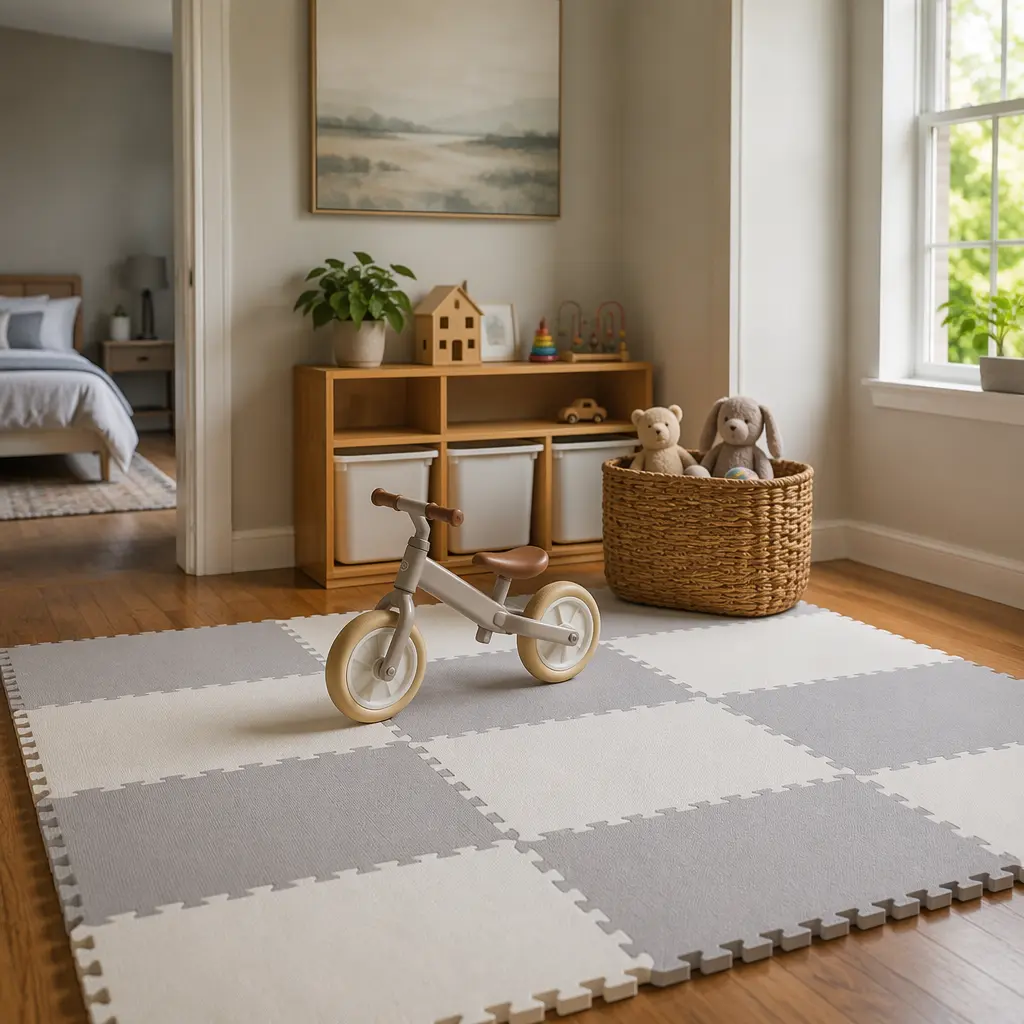
Small balance bikes designed for toddlers are often quieter because they are lighter and easier to control at slow speeds. Many indoor-friendly versions use EVA foam or rubber-style tires that reduce clatter. These toys can support coordination development well, but they generally suit confident walkers closer to 18–24 months. Younger toddlers may struggle with steering at first. Four-wheel ride-ons provide more stability for beginners and are usually easier for one-year-olds, while two-wheel or narrow-frame balance toys often become more useful toward age two.
- Four-wheel ride-ons: Stable and beginner-friendly, usually best for younger toddlers or cautious walkers. Can be bulky in small apartments.
- Balance-style ride-ons: Lighter and often quieter with soft wheels. Better for confident walkers and tighter indoor spaces.
- Push cars with parent handles: Useful for shared outdoor walks but often large for apartment storage.
- Ride-ons with electronic sounds: Usually less suitable for upstairs living due to added noise.
- Soft-wheel scooters: Compact and relatively quiet, though some require stronger balance skills closer to age two.
Frequently asked questions
Are rubber wheels always quieter than plastic wheels?
In most indoor apartment settings, yes. Rubberized and foam-style wheels absorb vibration better and create less tapping noise on hard floors. Floor type still matters, though. Even quieter wheels can sound loud on thin laminate flooring without rugs or mats underneath.
Do ride-ons damage apartment floors?
Most toddler ride-ons designed for indoor use are unlikely to damage floors during normal play, but dirt trapped in wheels can leave marks or scratches over time. Wiping wheels regularly and avoiding outdoor-to-indoor tracking helps protect flooring. Softer wheel materials are generally gentler on wood and laminate.
What is the quietest type of indoor ride-on?
Lightweight foot-to-floor ride-ons with soft wheels are usually the quietest option. Compact balance-style toys with foam tires also tend to produce less noise than larger plastic ride-on cars. Battery-powered ride-ons are rarely ideal for upstairs apartments because motors and heavier frames increase overall sound.
Are foam play mats useful under ride-ons?
Foam mats and large rugs can reduce vibration and help contain noise, especially in apartments with hard flooring. They also provide extra grip for toddlers learning to push and stop. Thick mats work best in play corners rather than across entire rooms, since ride-ons still need enough smooth surface to move safely.
How much space do indoor ride-ons need?
Most toddlers only need a short, open path to enjoy a ride-on toy. Narrow hallways can encourage repeated back-and-forth movement, but parents should watch for wall bumps and door frames. Compact ride-ons with shorter wheelbases are usually easier to store in apartments and less disruptive in shared spaces.
The best quiet indoor ride-on for an upstairs apartment is usually the simplest one: lightweight, compact and fitted with soft wheels that move smoothly across indoor floors. For toddlers aged 1–2 years, stable low-to-the-ground designs generally work best, especially in smaller homes where storage and noise both matter. Rugs, play mats and supervised play areas can also make a noticeable difference. Focusing on wheel material, overall weight and indoor maneuverability will usually matter more than extra features or flashy designs.