Rody Horse: The inflatable hopper that became a playroom staple
Originally launched in Italy in the 1980s, the Rody Horse turned a simple inflatable hopper into a lasting favorite in homes, classrooms, and pediatric therapy spaces.
Compare prices and availability
Check current prices and availability for this guide on eBay.
As an eBay Partner, we may be compensated if you make a purchase.
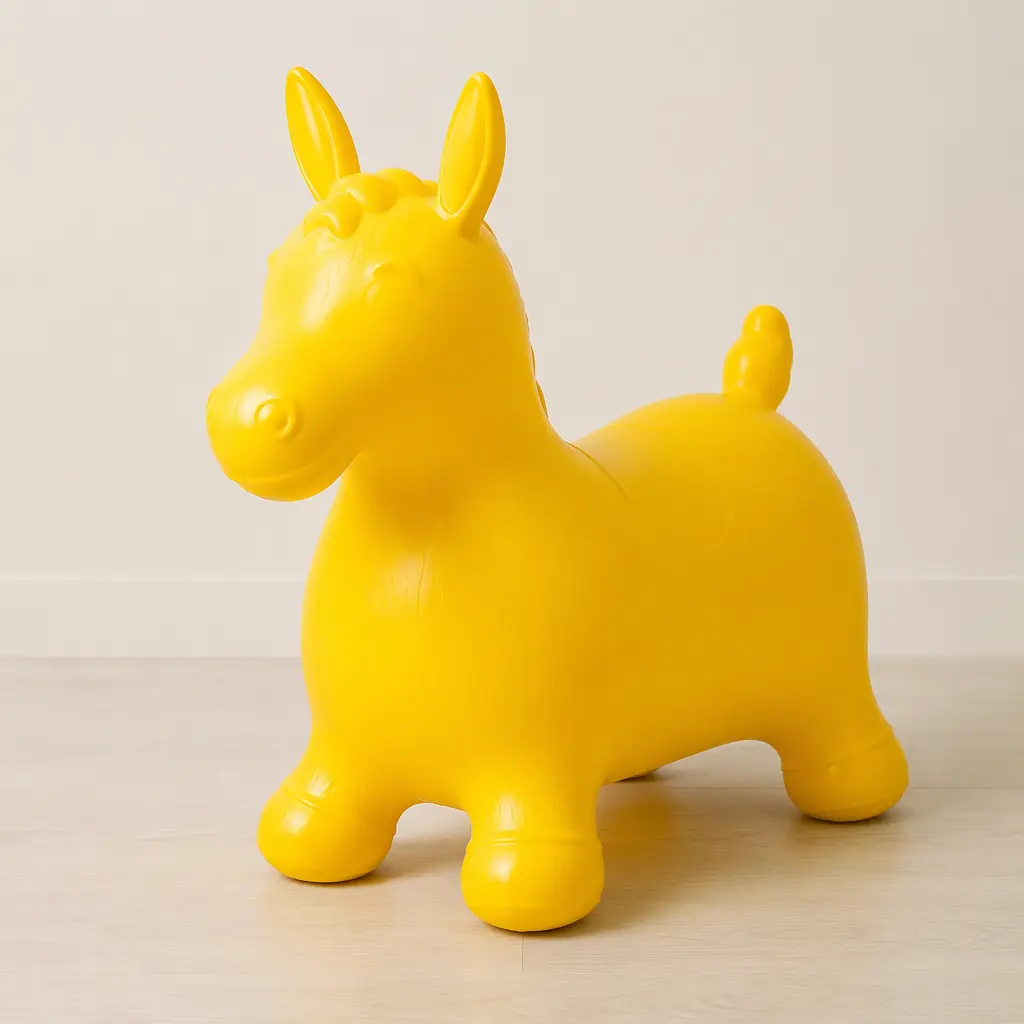
Few ride-on toys have stayed as quietly consistent as the Rody Horse. The inflatable bouncing toy, shaped like a rounded cartoon horse with springy legs and upright ears, has been a fixture in nurseries, therapy clinics, preschools, and family living rooms for decades. Unlike battery-powered ride-ons or elaborate plastic vehicles, the Rody depends entirely on a child's movement and balance. That simplicity is a large part of its appeal. Children bounce, wobble, lean, and steer using their own coordination, while adults appreciate that it is lightweight, durable, and surprisingly versatile. Over time, the toy moved beyond novelty status and became associated with early movement development, sensory play, and indoor active play that does not require much space.
Where it came from
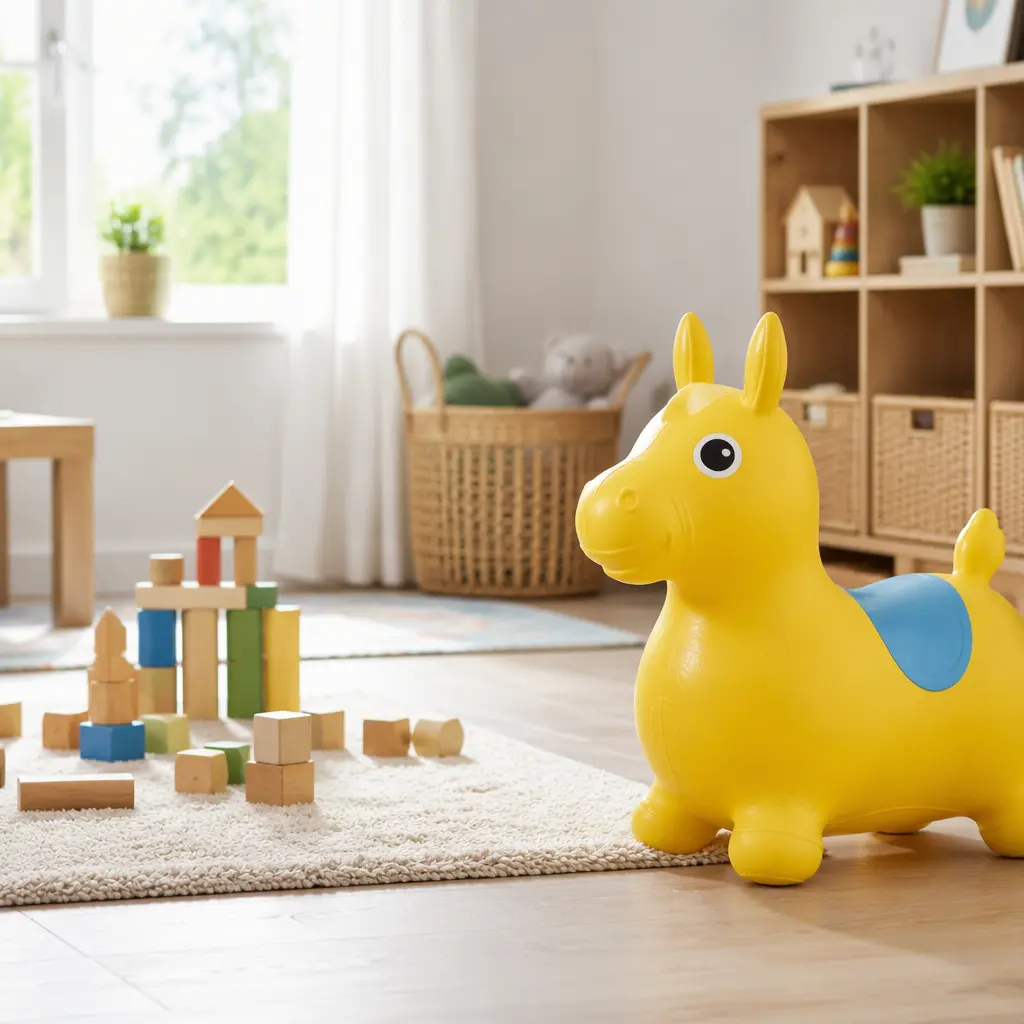
The Rody Horse originated in Italy in 1984 and was produced by the toy company Ledraplastic. At a time when many children's ride-on toys leaned toward hard plastic construction or outdoor use, the inflatable format offered something softer and more adaptable. The toy was made from flexible vinyl and designed to be inflated to varying firmness levels, allowing parents to adjust the bounce and stability for different ages and abilities.
Its original purpose was straightforward: active indoor play that encouraged movement and balance. But educators and pediatric therapists quickly noticed that the toy naturally promoted core strength, coordination, and body awareness. Children instinctively bounced rhythmically, shifted weight from side to side, and used the horse to stabilize themselves while climbing on and off. Over the years, that crossover between toy and developmental tool helped the Rody maintain relevance long after many similar novelty hoppers faded from stores.
Why it works
The design is remarkably uncomplicated. A child sits astride the inflated body, grips the ears, and begins bouncing using leg strength and body weight. Because the toy responds directly to movement, children receive immediate physical feedback. A firmer inflation creates a more stable ride, while a softer inflation produces deeper bouncing and more wobble. That adaptability lets the same toy grow with a child over several stages of development.
The rounded shape also matters. There are no pedals, steering mechanisms, batteries, or electronic features competing for attention. Instead, the toy encourages open-ended physical play. Some children bounce in place, while others create obstacle courses or imaginative games. In therapy environments, the horse is often used for sensory input, posture work, and balance exercises because the movement is repetitive but controllable.
- Inflatable body allows adjustable firmness and bounce
- Lightweight construction makes indoor play manageable
- Rounded handles and wide stance help younger riders stabilize themselves
- Encourages balance, coordination, and core engagement through active movement
- Simple mechanical-free design reduces setup and maintenance needs
Who it's for
The Rody Horse is typically associated with toddlers and preschool-aged children, especially those developing balance and gross motor skills. Younger children often use it with adult supervision as a seated bouncing toy, while older preschoolers may turn it into a more energetic ride-on activity. Its soft construction and relatively compact footprint make it practical for apartments, classrooms, and indoor play spaces. Adults may also recognize it from occupational therapy and pediatric physical therapy settings, where inflatable hoppers are used to support movement exercises and sensory regulation. That broad usefulness helps explain why the toy has endured across generations instead of remaining tied to a single trend.
Variants and what to look for today
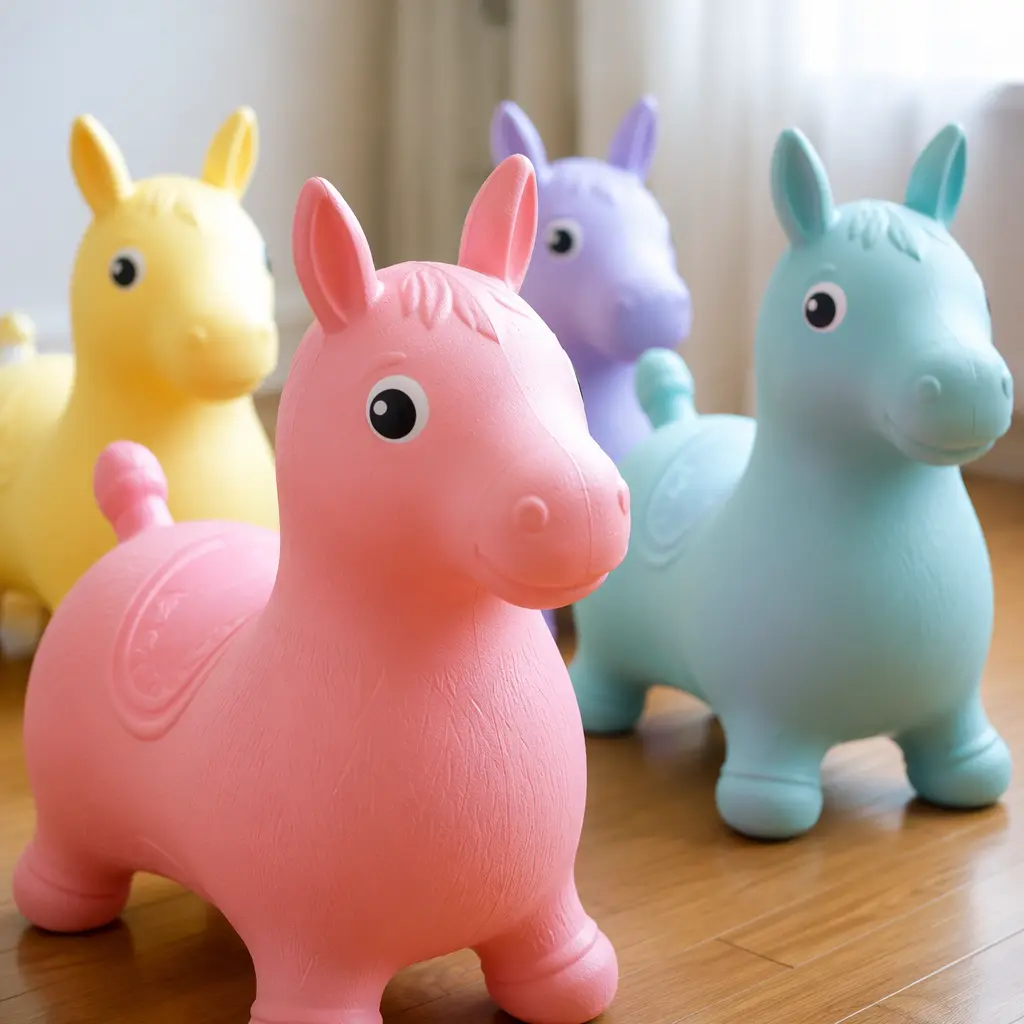
Modern versions of the Rody Horse are available in a wide range of colors, from bright primary shades to softer nursery tones. Some are sold with textured surfaces or subtle visual variations, but the basic shape has remained largely unchanged for decades. Accessories such as rocker bases or wheeled platforms are also common, allowing the inflatable horse to function more like a stationary rocker or rolling ride-on.
Because the toy became widely imitated, shoppers today will encounter many similar inflatable hopping animals. Generic versions can still provide active play value, but material quality and inflation consistency vary considerably. A well-made inflatable hopper should feel thick enough to resist easy punctures and stable enough to support repeated bouncing without collapsing unevenly.
- Check recommended age and weight guidance before inflating
- Look for thicker, durable vinyl construction
- A hand pump is often required or sold separately
- Lower inflation levels can help beginners feel more stable
- Store away from sharp furniture edges and direct heat sources
Frequently asked questions
Is the Rody Horse mainly a toy or a therapy tool?
It was designed as a children's toy, but therapists and educators adopted it because the bouncing motion naturally supports balance, coordination, and body awareness exercises. Many families simply use it for active indoor play.
What age group uses it most?
Toddlers and preschool-aged children are the most common users, though older children may still enjoy it for energetic play. Adult supervision is important for younger riders who are still developing balance and coordination.
Does it require a lot of space?
Not usually. One reason the toy became popular is that it works well indoors in relatively small areas. Children can bounce in place or move short distances without needing a large outdoor setup.
Are inflatable hopper toys durable?
Quality varies by manufacturer, but well-made inflatable hoppers are generally durable enough for years of regular play if kept away from sharp objects and extreme temperatures. Proper inflation also helps reduce stress on seams.
The Rody Horse occupies an unusual place in toy history because it never depended on electronics, media tie-ins, or rapid redesigns to stay relevant. Its appeal comes from movement itself: bouncing, balancing, and active play powered entirely by the child. In an era filled with increasingly complicated toys, the inflatable horse remains recognizable because it does one thing clearly and well. That combination of simplicity, adaptability, and physical engagement is what turned a modest 1980s hopper into a lasting playroom and therapy-room staple.