Simple Ride-On Toys That Still Work After Age 3
A parent-focused guide to classic ride-on toys that keep kids engaged from ages 3–5, with tips on durability, steering skills, indoor use, and what features matter most.
Compare prices and availability
Check current prices and availability for this guide on eBay.
As an eBay Partner, we may be compensated if you make a purchase.
Simple ride-on toys often look best suited for toddlers, but many well-designed options continue to support play well into the preschool years. For children ages 3–5, the right ride-on can still build balance, steering control, and confidence—without taking over your home or relying on batteries. This guide focuses on classic ride-ons that age gracefully, offering lasting value for indoor-friendly play and developing skills.
What to look for
At ages 3–5, children are stronger, taller, and more coordinated than toddlers, which changes what makes a ride-on toy work well. The goal is to find something that still feels fun and challenging, without being bulky or overstimulating. A simple design can actually offer more room for skill growth.
- Weight capacity that comfortably supports preschoolers without flexing or tipping
- Steering that responds smoothly, helping kids practice control rather than just pushing with their feet
- A seat height that allows feet to rest flat on the floor for confident starts and stops
- Durable wheels that roll well on indoor surfaces without scratching floors
- Open-ended design that encourages imaginative play instead of fixed sound or light features
Age suitability
While many ride-ons are marketed for ages 1–3, some models continue to work surprisingly well through age 5. Preschoolers benefit most from ride-ons that require steering, leaning, or coordinated pushing rather than passive sitting. If a toy feels too easy or cramped, kids often abandon it quickly. Checking maximum weight limits and overall dimensions can help ensure the ride-on won’t be outgrown after a few months.
Standout categories or types
Not all simple ride-ons serve the same purpose. Some are better for balance practice, while others focus on steering or imaginative play. Understanding the main categories can help match a toy to your child’s interests and available space.
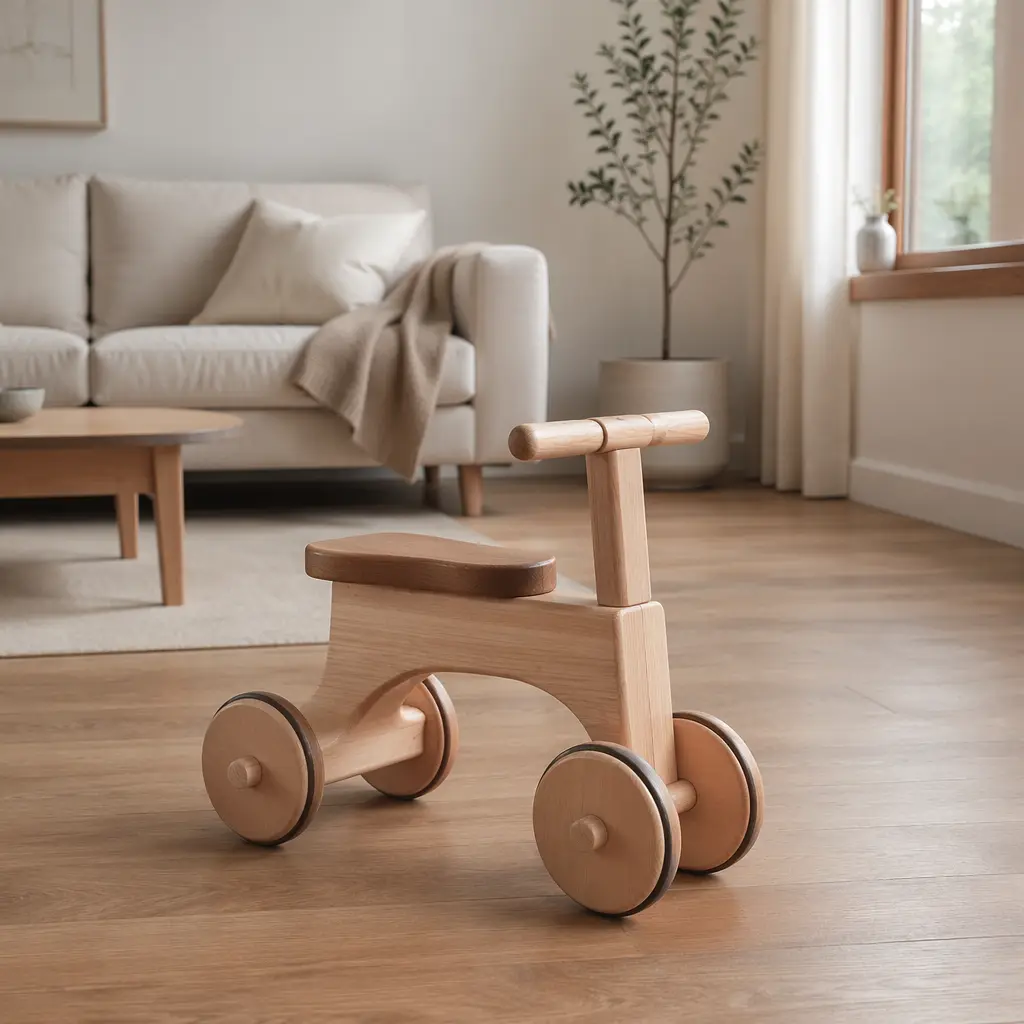
- Balance-style ride-ons: Low to the ground and easy to maneuver, these help children refine coordination and prepare for pedal bikes later on.
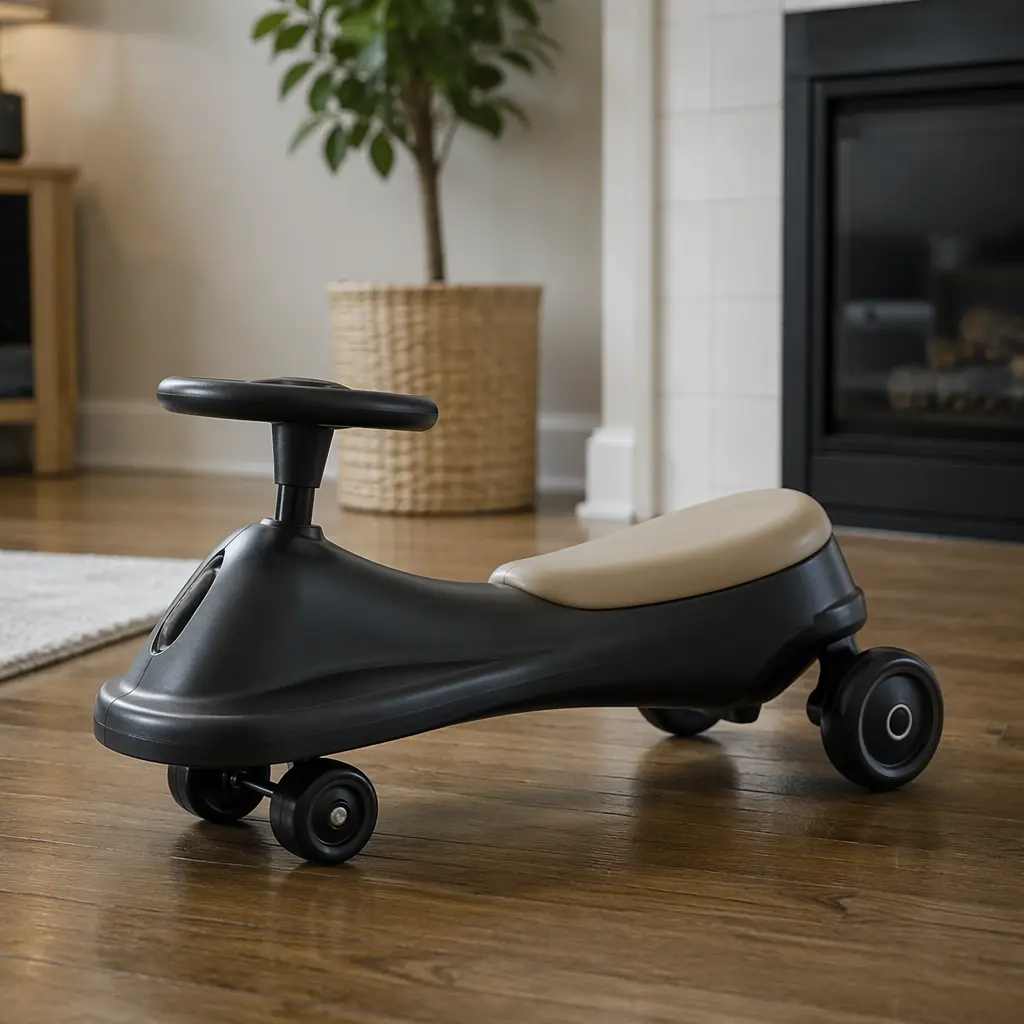
- Steerable ride-ons: Models with turning handlebars or wheels encourage problem-solving and body awareness as kids navigate around furniture.
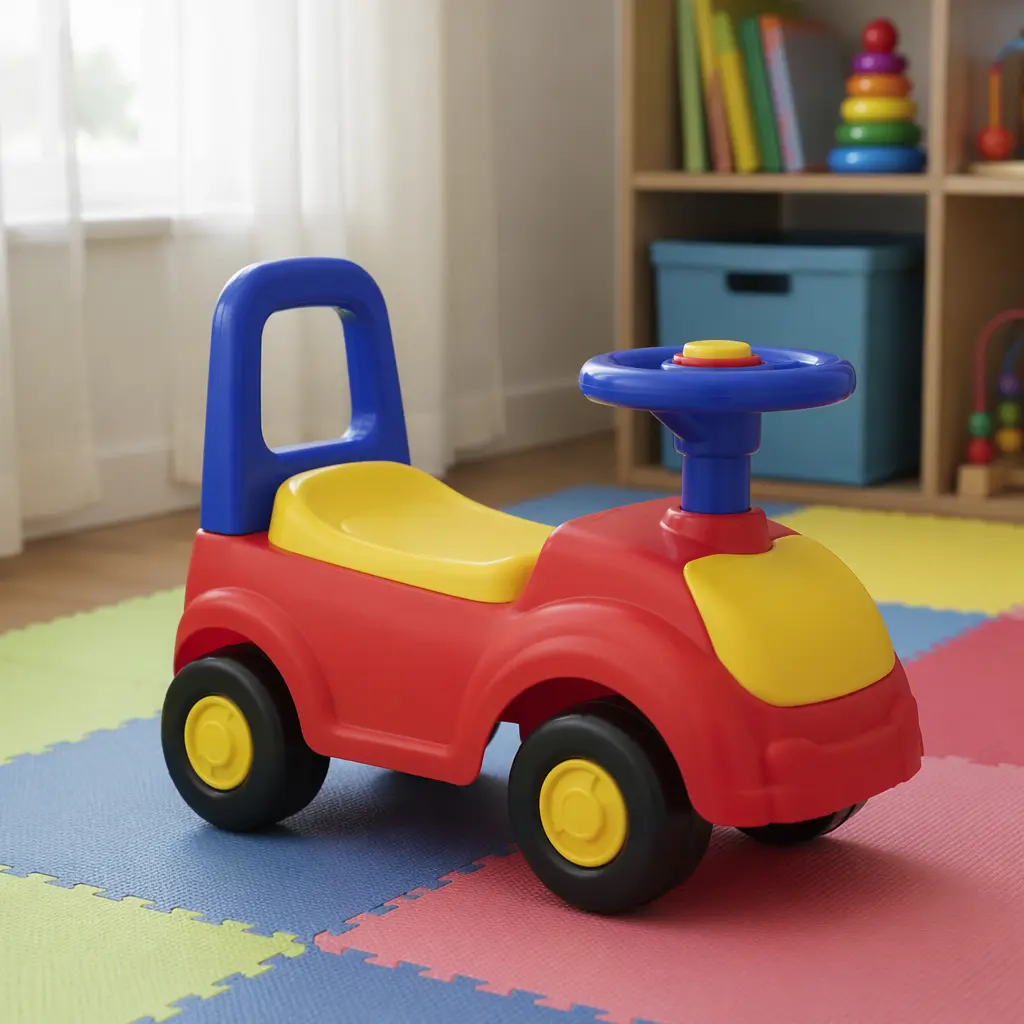
- Push-and-ride hybrids: These allow children to alternate between riding and pushing toys or stuffed animals, extending imaginative play.
- Compact indoor ride-ons: Designed with quieter wheels and smaller footprints, these work well in apartments or shared spaces.
Frequently asked questions
Are simple ride-on toys still challenging for 4- and 5-year-olds?
Yes, when the design supports skill-building rather than passive riding. Preschoolers often enjoy mastering tighter turns, faster movement, and imaginative scenarios. A ride-on that responds to body movement and steering input can remain engaging longer than one with fixed features.
Can these ride-ons be used indoors without damaging floors?
Many classic ride-ons are designed with indoor use in mind, using rubberized or plastic wheels that roll smoothly. Parents should still check wheel material and test on their flooring, especially on hardwood or laminate surfaces.
Do kids need protective gear indoors?
Protective gear is usually not required for slow, low ride-ons used indoors. However, socks with grip or bare feet can improve traction, and keeping play areas clear reduces the risk of falls.
How much space is needed for indoor ride-on play?
A clear area roughly the size of a small room or hallway loop is often enough. Toys that turn easily and don’t require long straight runs are better suited for limited space.
Simple ride-on toys can remain a valuable part of playtime well beyond the toddler years. By focusing on sturdy construction, responsive steering, and indoor-friendly design, parents can choose options that support development and imagination from ages 3 to 5—without the noise, bulk, or short lifespan of more complex alternatives.