Ride-On Toys That Help Toddlers Practice Steering Safely
A parent-focused guide to foot-powered ride-on toys for ages 1–2, explaining how steering, stability, and low-speed designs support coordination without adding risk.
Compare prices and availability
Check current prices and availability for this guide on eBay.
As an eBay Partner, we may be compensated if you make a purchase.
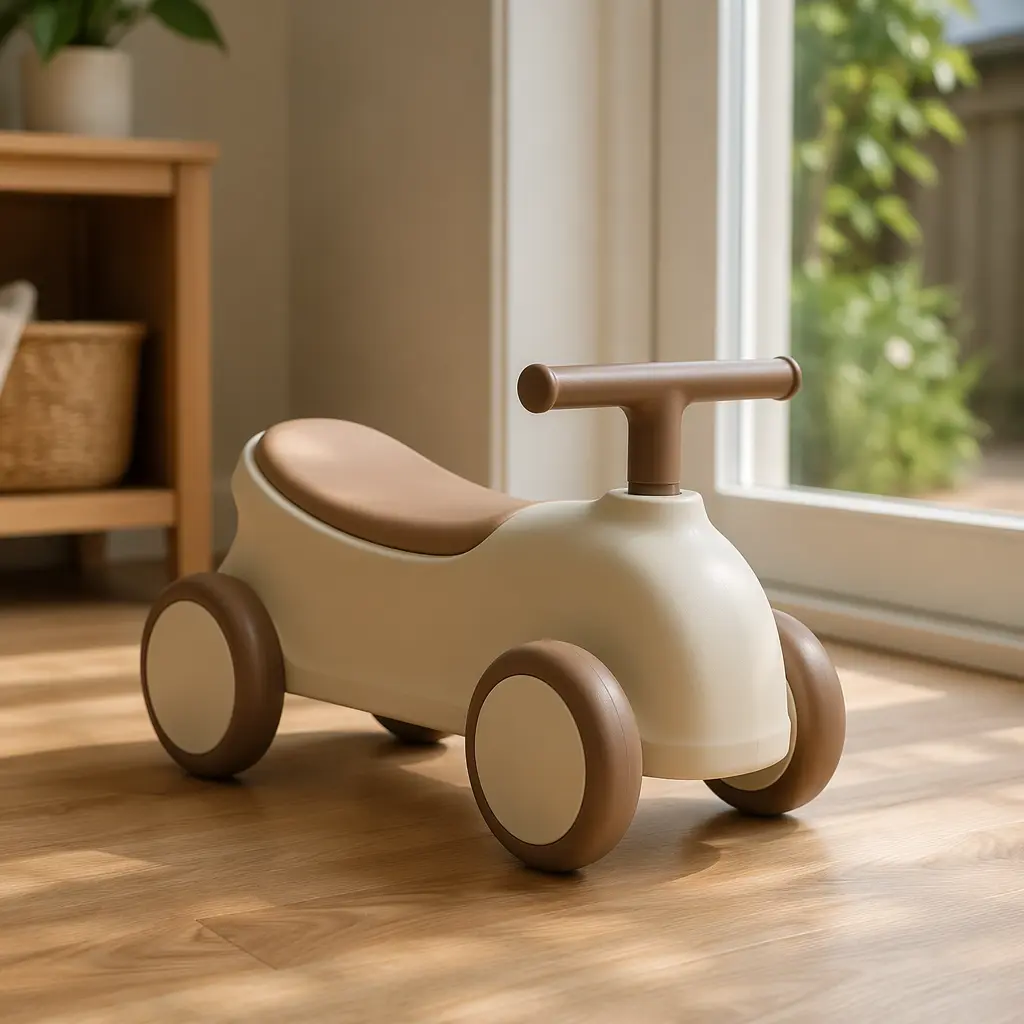
Foot-powered ride-on toys are often a toddler’s first taste of moving independently. For children ages 1–2, the goal isn’t speed or tricks—it’s learning how to sit, push, turn, and stop in a controlled way. The right ride-on can help toddlers practice steering and coordination while staying close to the ground and within a safe pace that parents can supervise easily.
What to look for
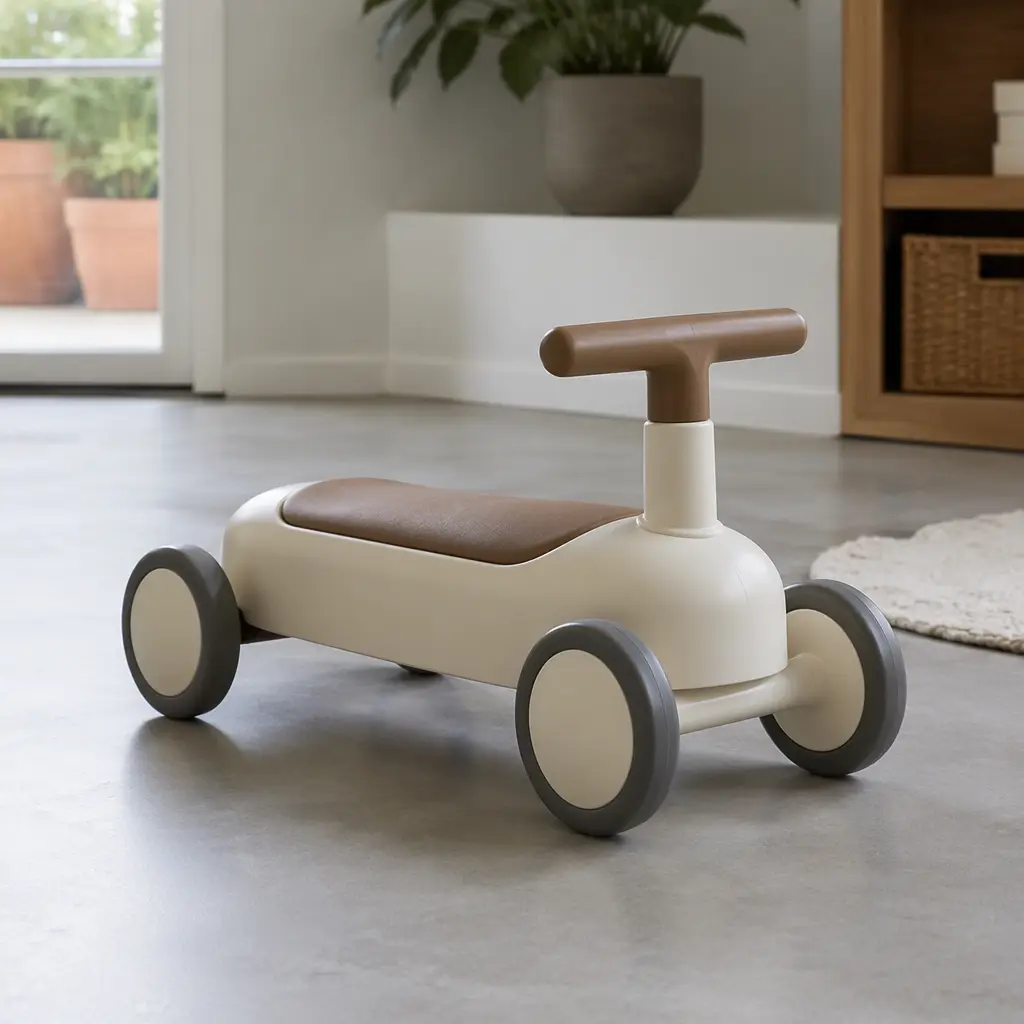
Not all ride-on toys are built the same, especially for very young riders. For toddlers just learning to steer, simple designs tend to work best. Look for features that support balance, predictable movement, and easy control rather than speed or complexity.
- Foot-powered movement: Pushing with feet keeps speed low and lets toddlers stop naturally.
- Wide wheelbase: Wheels set far apart add side-to-side stability during turns.
- Limited turning radius: Gentle steering reduces the chance of sharp, tipping turns.
- Low seat height: Sitting close to the ground helps toddlers feel secure and climb on safely.
- Grippy wheels: Rubber or textured plastic helps prevent slipping on smooth floors.
Age suitability
For the 1–2 year age range, ride-ons should match early physical and cognitive development. Many toddlers are still mastering walking, so a ride-on should feel like an extension of that skill rather than a leap forward. Models labeled for this age typically focus on sitting stability, basic steering, and durability rather than advanced features. Always check weight and height guidelines, since toddlers grow quickly and outgrowing a toy can affect balance and comfort.
Standout categories or types
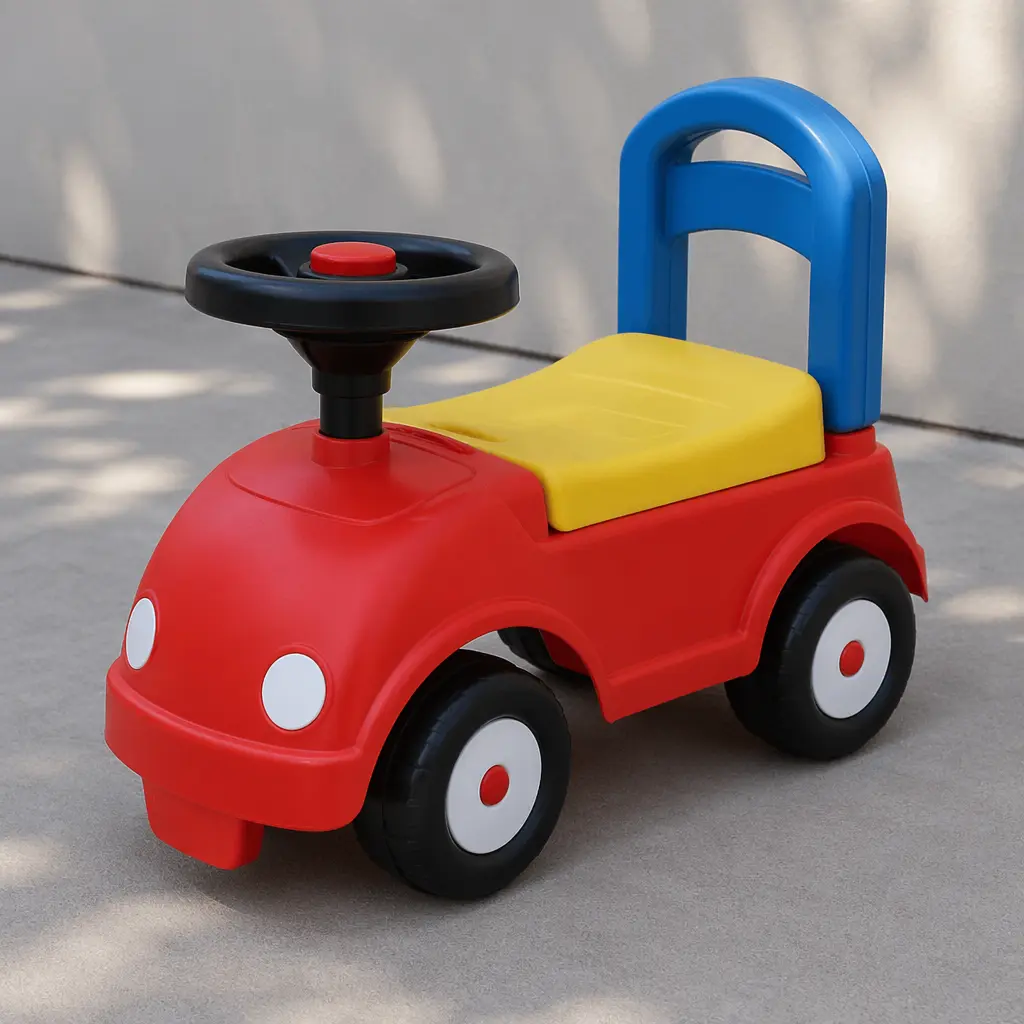
Within the broad category of toddler ride-ons, a few styles stand out for helping children practice steering safely. These options emphasize control and body awareness rather than speed or flashy extras.
- Push-along ride-ons with steering wheels: These let toddlers turn while an adult can still guide or steady from behind.
- Four-wheel sit-on scooters: A stable base with simple handlebars encourages gentle turning without tipping.
- Low-profile ride-ons with foot rests: Keeping feet close to the ground supports confidence and quick stops.
- Minimalist indoor ride-ons: Designed for home use, these often have softer edges and quieter wheels.
Frequently asked questions
Do ride-on toys really help with coordination?
Yes. Steering a ride-on requires toddlers to use both hands, shift their weight, and push with their feet. These combined actions support balance, spatial awareness, and early coordination in a playful, low-pressure way.
Are foot-powered ride-ons safer than faster options?
For ages 1–2, foot-powered designs are generally safer because the child controls the speed. There are no motors or pedals to increase momentum, making it easier for toddlers to stop and for adults to intervene if needed.
Can ride-ons be used indoors?
Many toddler ride-ons are suitable for indoor use, especially those with smooth or rubberized wheels. Make sure there is enough open space and remove obstacles like rugs or cords that could catch wheels.
What surfaces work best?
Flat, even surfaces are ideal. Indoors, hardwood or laminate floors work well. Outdoors, smooth patios or sidewalks are better than grass or gravel, which can make steering unpredictable.
Choosing a ride-on toy for a toddler is less about entertainment value and more about supporting early movement skills. By focusing on foot-powered designs with stable steering and a low center of gravity, parents can give toddlers a fun way to practice coordination while keeping playtime calm, controlled, and age-appropriate.