Are Electronic Science Kits Safe for Kids Ages 9–12?
A parent-focused safety guide to electronic science kits for ages 9–12, covering power sources, components, supervision, and what to check before buying powered STEM kits.
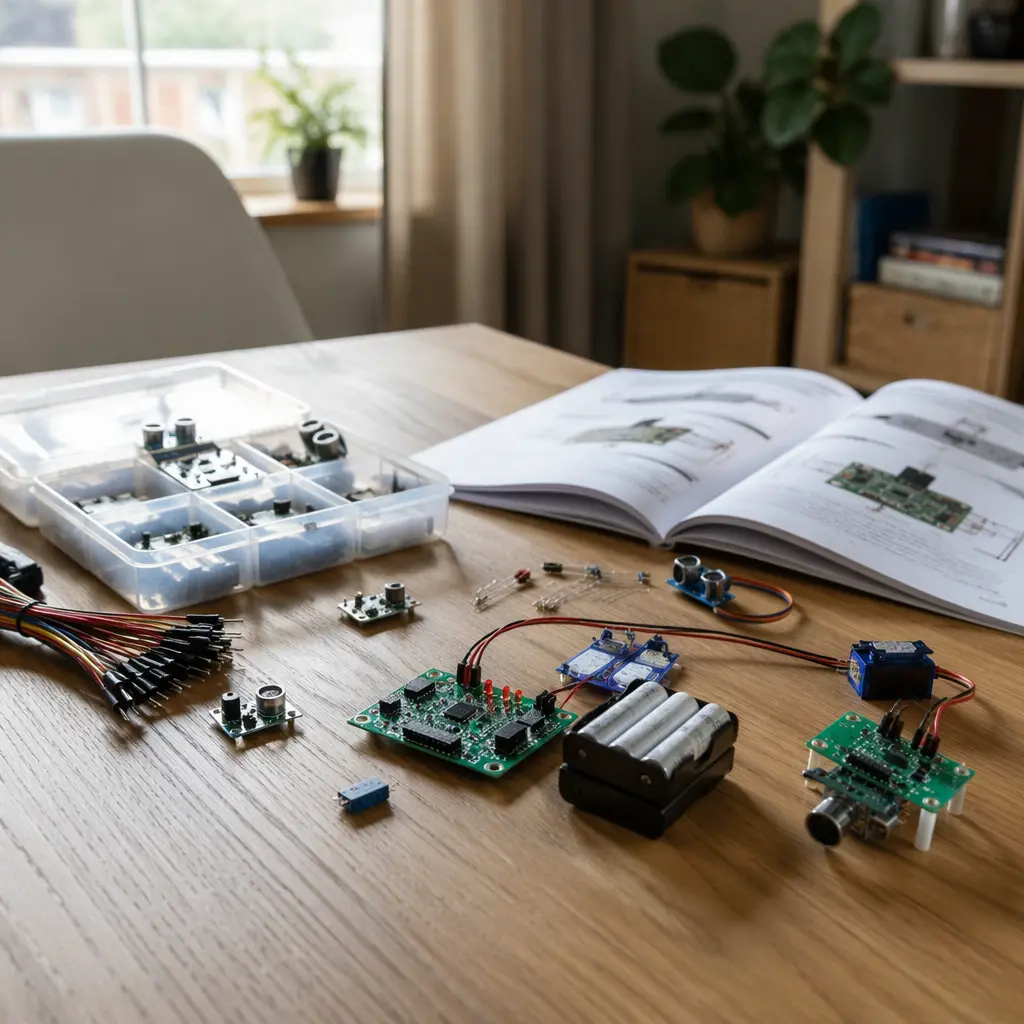
Compare prices and availability
Check current prices and availability for this guide on eBay.
As an eBay Partner, we may be compensated if you make a purchase.
Electronic science kits can be exciting for kids ages 9–12, combining hands-on building with real lessons about circuits, energy, and problem-solving. Because these kits use power sources and small components, parents often wonder how safe they really are. The short answer: most age-appropriate kits are designed with safety in mind, but it’s important to know what to look for before buying and how to supervise use at home.
What to look for
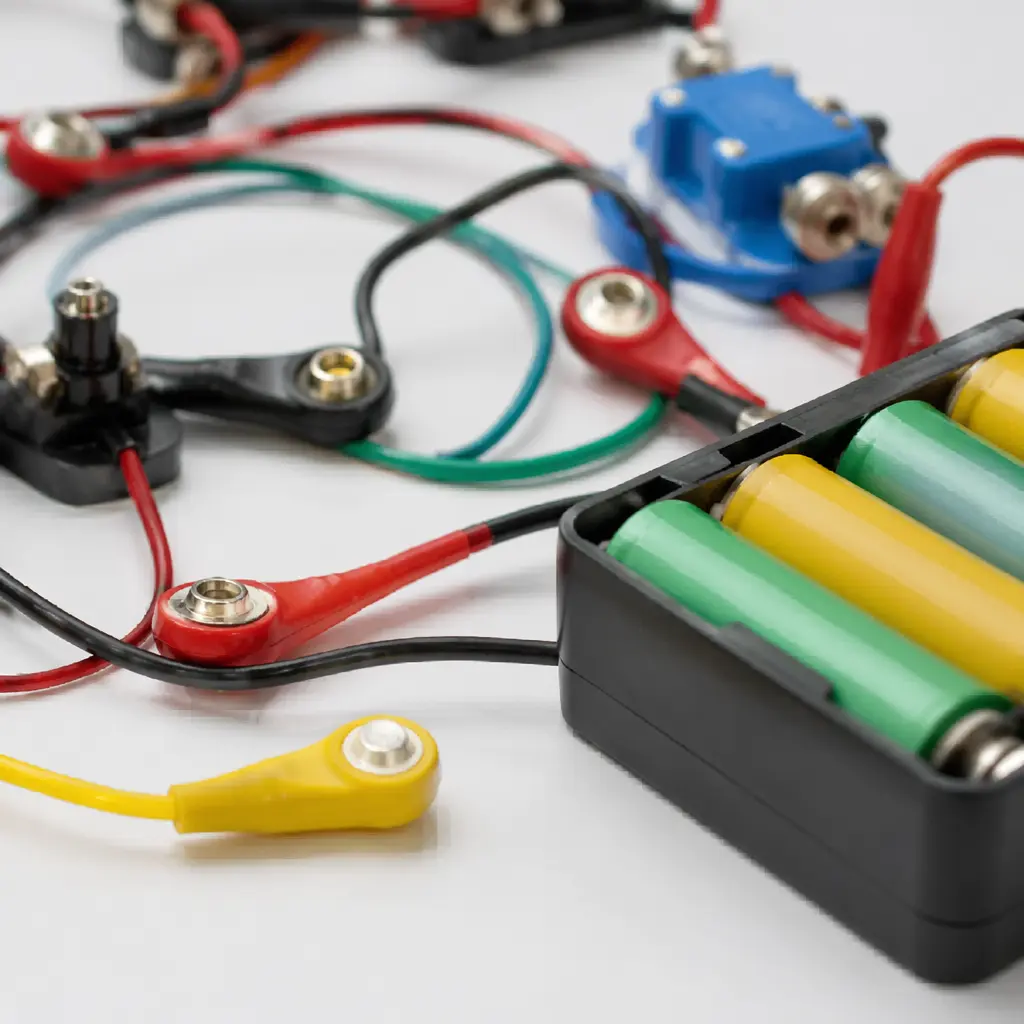
Before buying an electronic science kit, take a few minutes to review how it’s built and labeled. Reputable kits aimed at this age group usually follow established toy safety standards, but features can vary widely. These checks can help you gauge whether a kit is appropriate for your child and your household.
- Low-voltage power sources, such as AA or AAA batteries, rather than wall plugs or high-capacity rechargeable packs
- Clear age grading on the box that matches your child’s age and experience level
- Fully insulated wires and enclosed battery holders
- Sturdy components that don’t bend or snap easily during normal use
- Printed safety instructions that explain what not to do, not just how to build projects
Age suitability
For ages 9–12, electronic science kits usually assume basic reading skills, the ability to follow multi-step instructions, and improving fine motor control. At this stage, kids are typically ready to handle simple circuits and experiments, but they may still need reminders about safety rules. A kit marked for this age range should not require soldering, exposed metal contacts, or tools that could cause injury. If a kit seems closer to hobbyist electronics than beginner learning, it may be better suited for teens with prior experience.
Standout categories or types
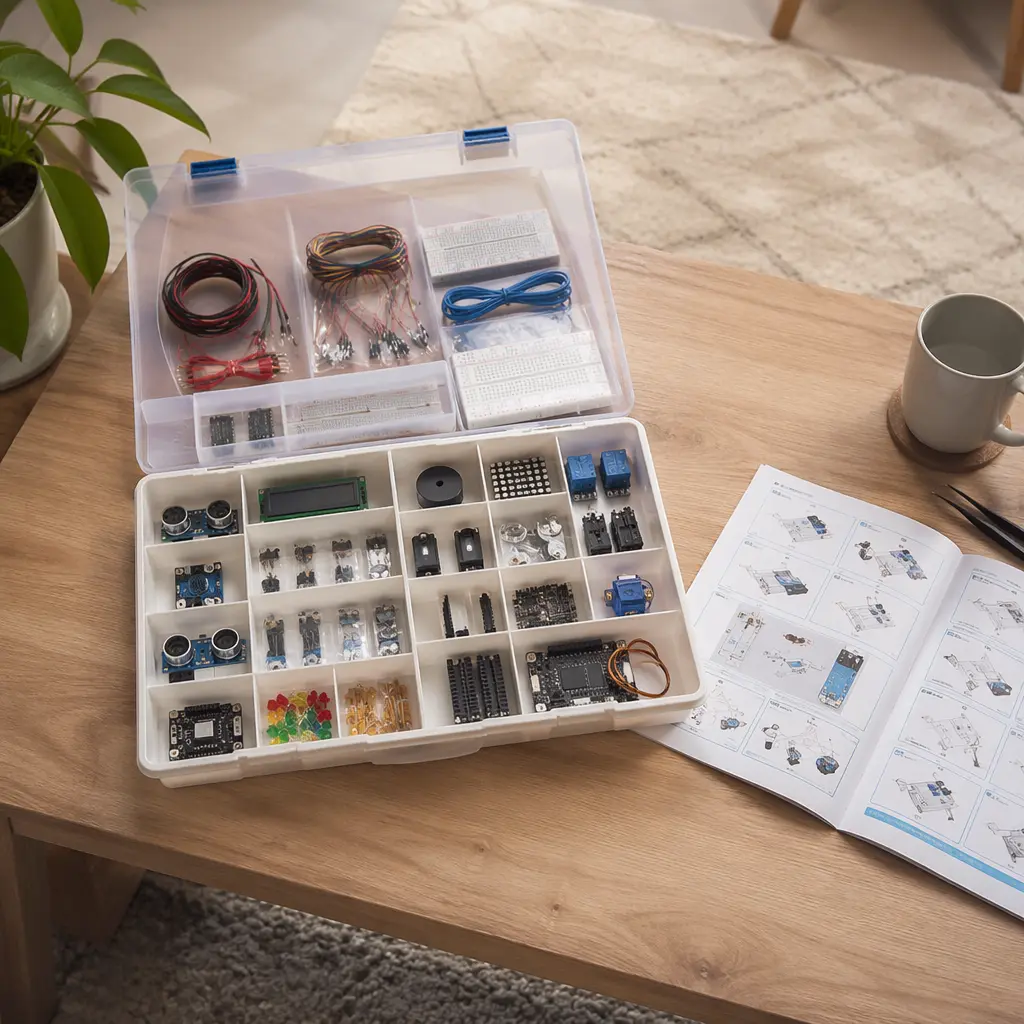
Electronic science kits for this age group generally fall into a few broad categories. Each has different safety considerations, so knowing the type can help you choose what fits your comfort level.
- Snap-together circuit kits that use plastic connectors instead of bare wires, reducing the chance of incorrect connections
- Sensor-based experiment kits that introduce light, sound, or motion detection using sealed components
- Coding-plus-electronics kits that combine simple programming with physical builds, often relying on low-power modules
- Renewable energy kits, such as small solar or hand-powered generators, which typically use very low current
In general, kits that emphasize modular, enclosed parts tend to be easier for kids to use safely and independently. More open-ended electronics sets can be rewarding but may require closer supervision, especially for first-time builders.
Frequently asked questions
Can electronic science kits cause electric shocks?
Kits designed for ages 9–12 typically use very low voltages that are not capable of causing harmful electric shocks when used as directed. The main risk usually comes from improper battery use or mixing components in ways not described in the instructions.
Are small parts a concern for this age group?
While choking hazards are less common for kids over 9, small parts can still be an issue in homes with younger siblings. Storing kits in a dedicated container and setting clear cleanup rules can help reduce this risk.
Do these kits get hot during use?
Most kid-focused electronic kits are designed to stay cool during normal operation. Some components, like small bulbs or motors, may become warm but not dangerously hot. Instructions should note any parts that need cooling time.
Is adult supervision always required?
Many 9–12-year-olds can work independently on basic projects, but adults should be available to help with troubleshooting, battery changes, and rule-setting. Initial projects are a good time to sit together and review safety guidelines.
What certifications should parents look for?
Look for kits that state compliance with common toy safety standards for your region. While certifications don’t guarantee perfection, they indicate that the kit has been evaluated for basic mechanical and electrical safety.
Electronic science kits can be a safe and rewarding way for kids ages 9–12 to explore STEM concepts, as long as parents choose age-appropriate designs and set clear safety expectations. By checking power sources, component quality, and instructions before buying, you can feel more confident that the learning experience will be both educational and secure.