Are Advanced STEM Kits Safe for Younger Teens?
A clear, parent-focused look at safety concerns in advanced STEM kits for ages 13+, including soldering, tools, electricity, and supervision tips.
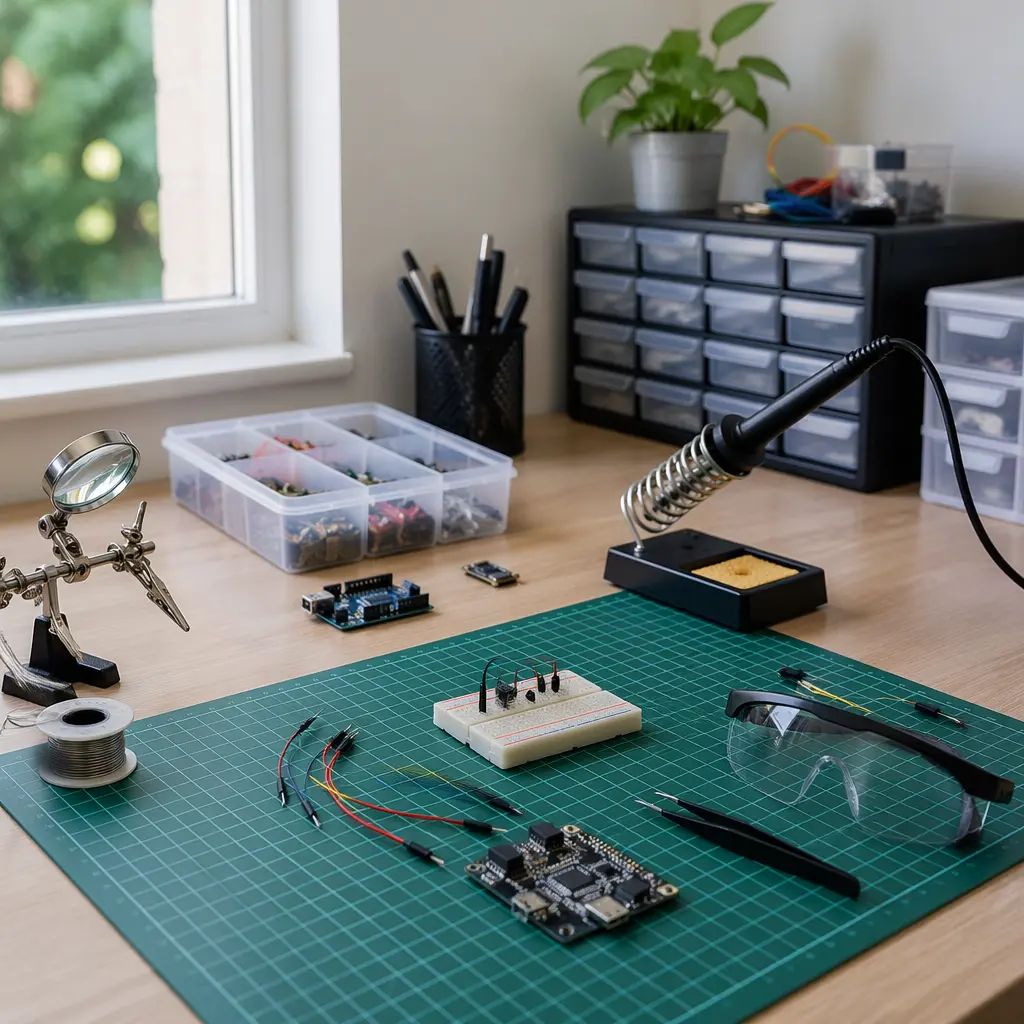
Compare prices and availability
Check current prices and availability for this guide on eBay.
As an eBay Partner, we may be compensated if you make a purchase.
Advanced STEM kits can be exciting for teens who want to move beyond snap-together projects and into real engineering skills. Many kits aimed at ages 13 and up introduce tools like soldering irons, small hand tools, and powered components. For parents, that raises an important question: are these kits actually safe for younger teens? The answer depends less on the kit’s subject and more on how risks are managed, how mature the teen is, and how much guidance is available.
What to look for
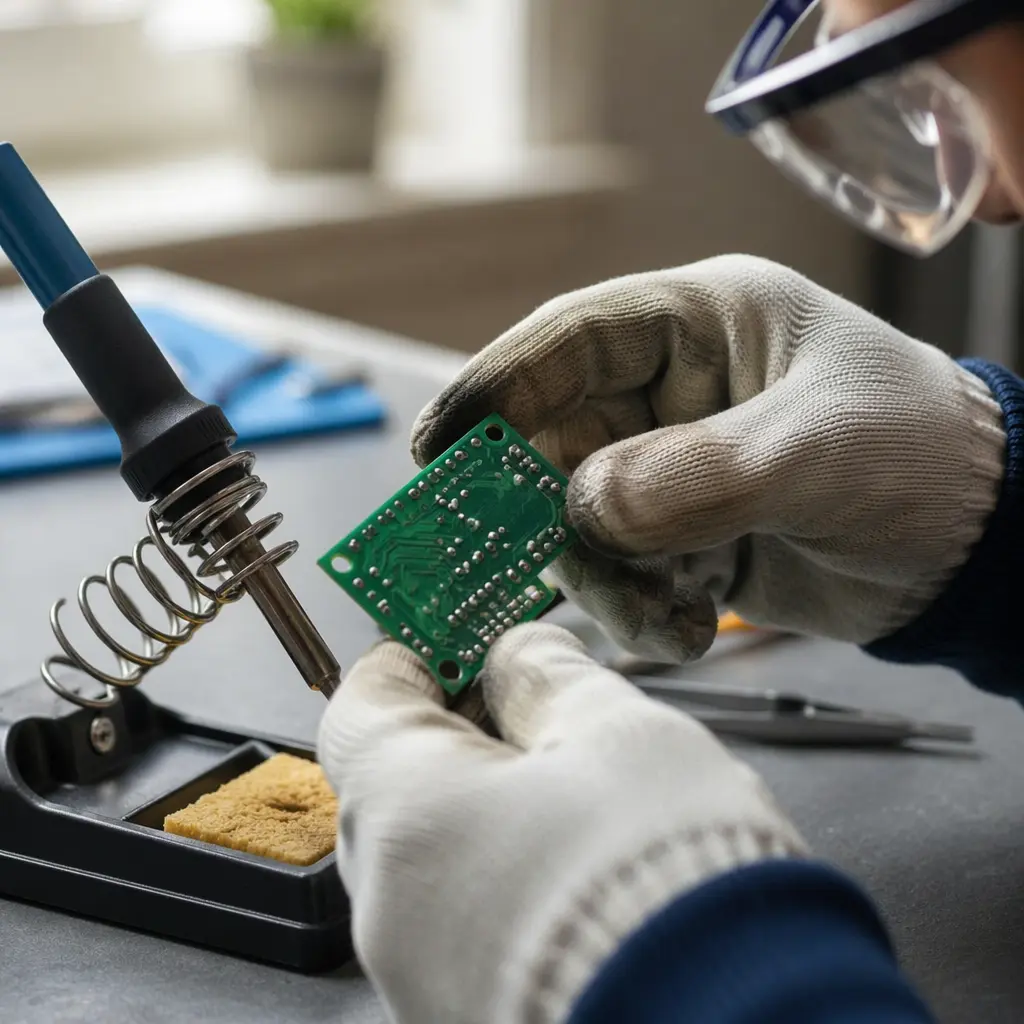
Not all advanced STEM kits are designed with the same safety standards in mind. Before buying, it helps to look past the marketing and focus on how risks are explained and controlled. Clear instructions, quality components, and honest age guidance all matter more than flashy project results.
- Clear safety instructions written for teens, not adults
- Explicit warnings about heat, sharp tools, or electricity
- Well-made tools and parts that don’t feel flimsy or improvised
- Protective gear included or clearly recommended
- Projects that build skills gradually instead of all at once
- Support materials, such as diagrams or step-by-step checks
Age suitability
A 13+ label usually reflects the complexity and potential hazards of the activities, not a guarantee that every 13-year-old is ready. Some teens are comfortable following multi-step instructions and respecting safety rules, while others may rush or experiment without thinking through consequences. Parents should consider attention span, patience, and willingness to ask for help. A cautious 12-year-old with supervision may do better than an impulsive 14-year-old working alone.
Standout categories or types
Advanced STEM kits tend to fall into a few broad categories, each with its own safety considerations. Understanding these differences can help parents choose a kit that matches both interest and readiness.
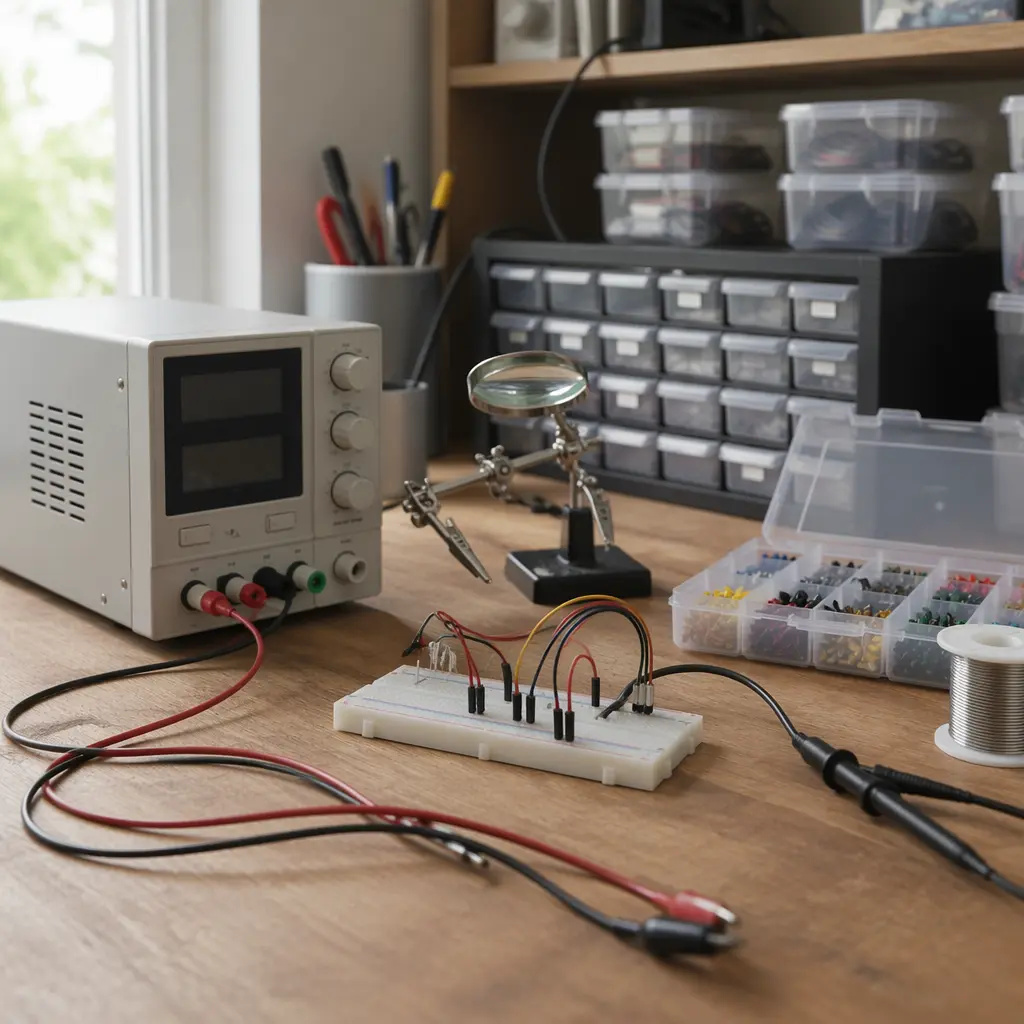
- Electronics and soldering kits: These teach real-world skills but involve heat and fumes. Look for temperature-controlled irons, stable stands, and guidance on ventilation.
- Robotics and mechanics kits: Small motors, gears, and tools introduce pinch points and sharp edges. Good kits emphasize proper tool use and secure assembly.
- Chemistry and materials science kits: These may include reactions, powders, or resins. Safer kits avoid highly reactive substances and stress protective eyewear and cleanup.
- Coding with hardware kits: Often lower risk physically, but still involve power supplies and cables that should be used correctly.
Frequently asked questions
Is soldering safe for a 13-year-old?
Soldering can be safe when the teen understands that the tool is hot, follows instructions, and works in a supervised setting. Burns are the main risk, so a stable workspace, heat-resistant surface, and clear rules about when the iron is plugged in are essential.
What about fumes from solder or electronics?
Basic electronics soldering produces small amounts of fumes. These are best handled by working in a well-ventilated room or near an open window. Kits that mention ventilation and explain why it matters show better safety awareness.
Are power supplies and electricity a concern?
Most teen STEM kits use low-voltage power that is unlikely to cause serious harm. The bigger risks come from short circuits, overheating components, or improper connections. Clear diagrams and built-in safeguards reduce these issues.
How much supervision is really needed?
For the first few sessions, close supervision helps establish good habits. Once a teen consistently follows rules and uses tools correctly, supervision can often be lighter, such as being nearby rather than watching every step.
Advanced STEM kits can be a safe and valuable learning experience for younger teens when chosen thoughtfully. The key is matching the kit’s risks with the teen’s maturity and providing guidance where needed. With clear expectations, proper setup, and ongoing supervision, these kits can teach not only technical skills but also responsibility and safe problem-solving.