Are Electronic STEM Toys Safe for Ages 5–7?
A parent-friendly guide to the safety of electronic STEM toys for ages 5–7, covering durability, materials, supervision needs, and what to look for before buying.
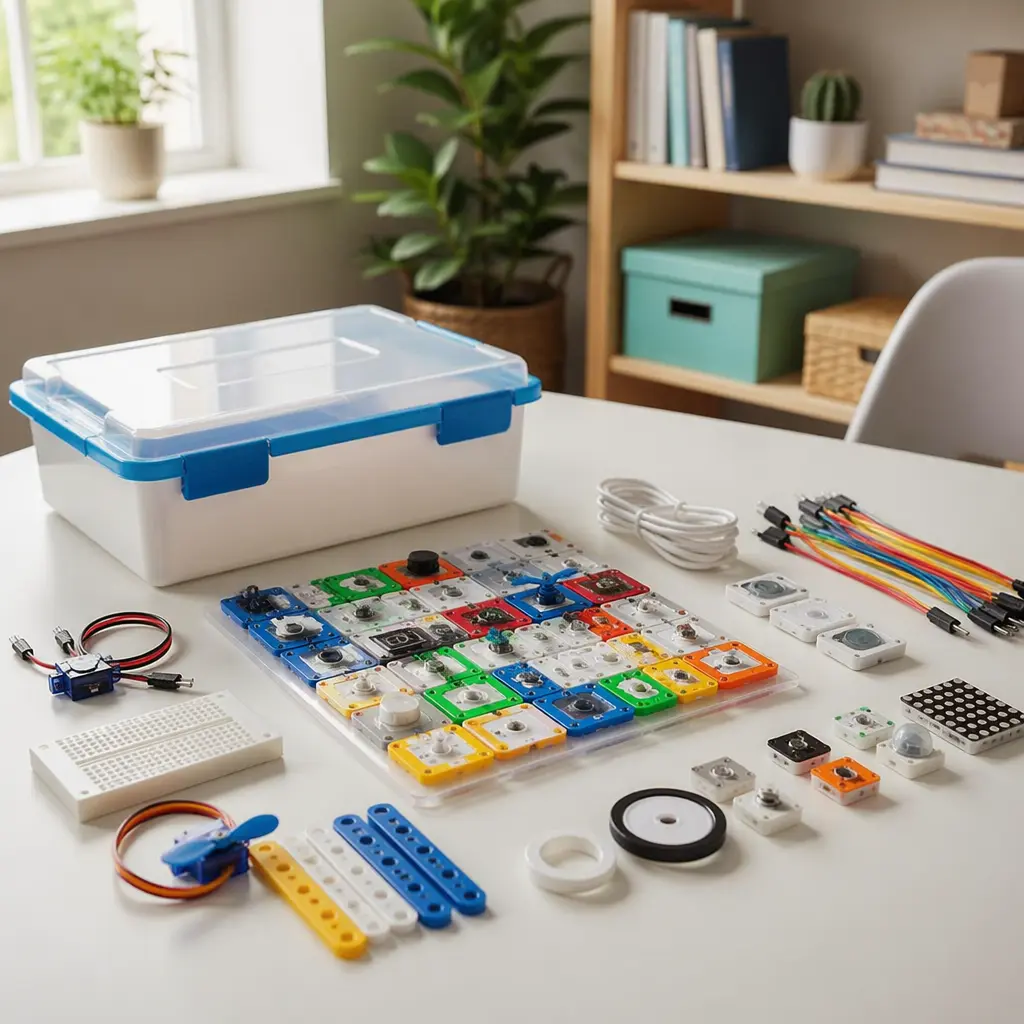
Compare prices and availability
Check current prices and availability for this guide on eBay.
As an eBay Partner, we may be compensated if you make a purchase.
Electronic STEM toys promise hands-on learning in science, technology, engineering, and math, often using lights, sounds, sensors, or simple coding. For children ages 5–7, these toys can spark curiosity and problem-solving skills. At the same time, parents often wonder whether adding electronics makes a toy less safe. The answer is usually reassuring, but it depends on design, materials, and how the toy is used. This guide breaks down what matters most when judging safety for younger elementary-aged kids.
What to look for
Electronic STEM toys aimed at ages 5–7 should be built with safety as a priority. While many follow established toy standards, quality can vary. Looking closely at construction and labeling helps reduce risks and surprises.
- Age grading: Check that the toy is clearly marked for ages 5–7 or similar, not just “all ages.” This suggests testing for younger users.
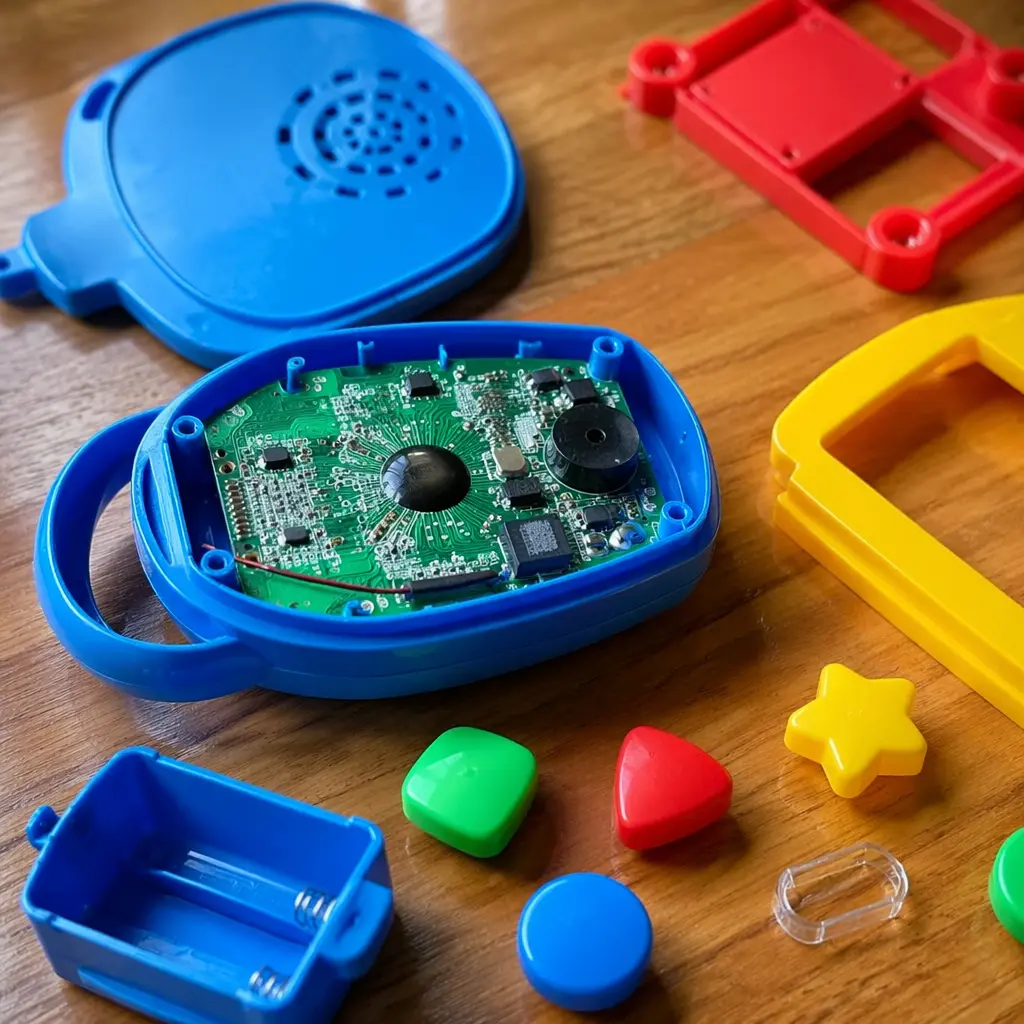
- Battery safety: Look for battery compartments secured with screws so they cannot be opened by a child.
- Durable materials: Components should feel sturdy, with no sharp edges or easily cracked plastic.
- Size of parts: Avoid sets with very small electronic pieces that could be choking hazards for younger children.
- Certifications: Labels showing compliance with recognized safety standards can provide added reassurance.
Age suitability
Children between 5 and 7 are still developing fine motor control, impulse control, and an understanding of cause and effect. Electronic STEM toys for this age range typically simplify circuits, coding steps, or building tasks. Safety-wise, this means enclosed wiring, low-voltage power, and guided activities. Toys meant for older kids may assume a level of care and patience that younger children do not yet have, increasing the chance of rough handling or misuse.
Standout categories or types
Not all electronic STEM toys are built the same. Some categories tend to be more suitable and safer for ages 5–7 because they limit exposure to fragile or risky components.
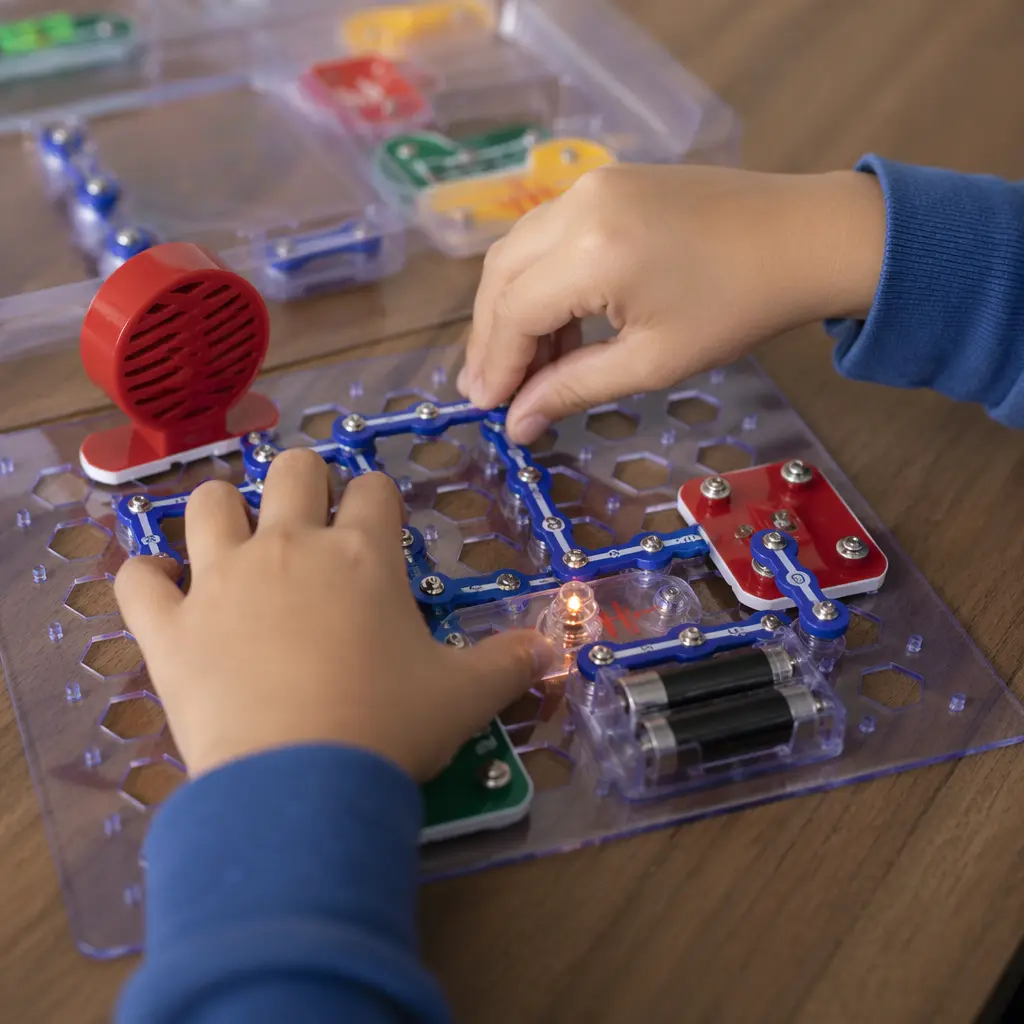
- Enclosed circuit toys: These hide wiring inside snap-together modules, reducing the risk of pokes or breaks.
- Beginner coding toys: Often screen-free, using buttons or physical blocks instead of keyboards or apps.
- Electronic building sets: Focus on large pieces with simple connections rather than tiny screws or loose wires.
- Interactive science kits: Designed to demonstrate basic concepts with pre-measured materials and clear boundaries.
In general, toys that balance electronics with physical play tend to hold up better and feel less intimidating for young users. Simpler designs also make it easier for adults to spot potential problems early.
Frequently asked questions
Are low-voltage electronics safe for young children?
Yes, most electronic STEM toys for this age group use very low-voltage power, usually from standard household batteries. This level of electricity is considered safe when the toy is intact and used as intended.
Do these toys pose choking hazards?
They can if the set includes small detachable parts. Always review the parts list and keep unused components stored away. Toys designed for ages 5–7 typically use larger pieces, but supervision still matters.
Is screen time a concern with electronic STEM toys?
Some electronic STEM toys use screens or companion apps, while others are entirely hands-on. For younger children, many parents prefer screen-free options or short, guided sessions to keep screen time balanced.
How durable should an electronic STEM toy be?
Durability is key. Toys should withstand drops from table height and repeated assembly. If parts feel flimsy or crack easily, they may not be suitable for this age range.
Electronic STEM toys can be a safe and engaging choice for children ages 5–7 when they are well-made and age-appropriate. By focusing on secure battery compartments, sturdy construction, and clear age labeling, parents can feel more confident. Pairing the right toy with light supervision helps ensure that learning stays fun, safe, and frustration-free.