Best STEM Toys Under $30 for Ages 9–12
A buyer’s guide to affordable STEM toys under $30 that feel like real tools. Learn what to look for, age fit, and standout types that keep kids ages 9–12 curious without feeling like schoolwork.
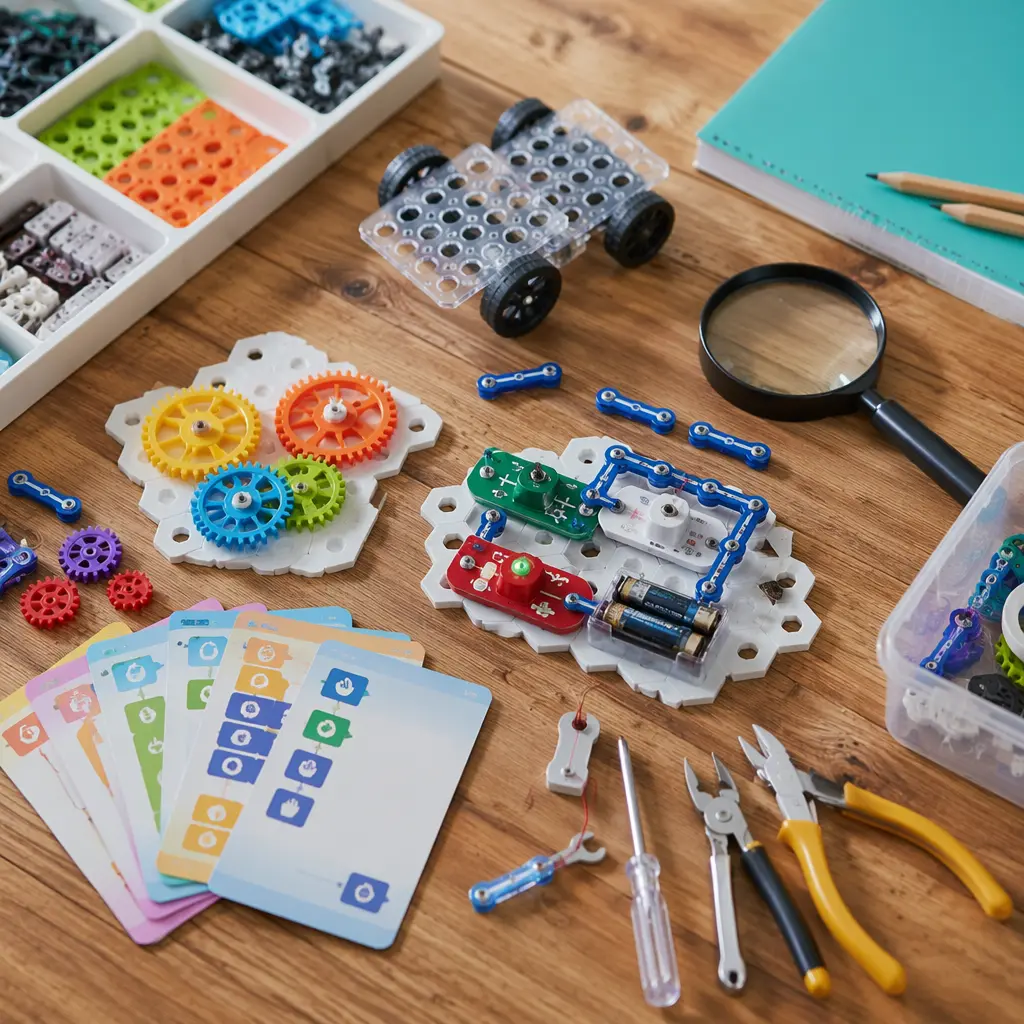
Compare prices and availability
Check current prices and availability for this guide on eBay.
As an eBay Partner, we may be compensated if you make a purchase.
STEM toys don’t have to be expensive or feel like homework. For kids ages 9–12, the best options under $30 are hands-on kits that encourage building, testing, and problem-solving while still feeling playful. At this age, children want tools that look and act like the real thing—circuits that light up, mechanisms that move, and challenges they can figure out on their own. This guide focuses on affordable STEM toys that balance learning with genuine fun.
What to look for
With a modest budget, smart design matters more than flashy packaging. Look for toys that invite experimentation and leave room for creativity rather than a single correct outcome. Clear instructions help kids get started, but the best kits also allow for open-ended play once the basics are learned.
- Realistic materials: pieces that resemble real tools, components, or lab gear help kids feel capable and grown-up
- Hands-on interaction: building, testing, coding, or experimenting instead of watching or tapping
- Multiple challenges or builds: activities that can be repeated in different ways extend play value
- Age-appropriate complexity: enough challenge to stretch skills without causing frustration
- Minimal setup: projects that don’t require many extra supplies or adult assembly
Age suitability
Kids ages 9–12 are in a transition stage. They’re moving beyond simple cause-and-effect toys and into systems thinking—how parts work together. They can follow multi-step instructions, troubleshoot mistakes, and understand basic concepts like circuits, forces, or logic. However, they still benefit from tangible feedback. STEM toys that let them see, hear, or feel results right away are usually more engaging than abstract concepts alone.
Standout categories or types
Within the under-$30 range, certain types of STEM toys consistently deliver strong value. These categories tend to focus on core skills and rely on clever design rather than expensive electronics or large parts.
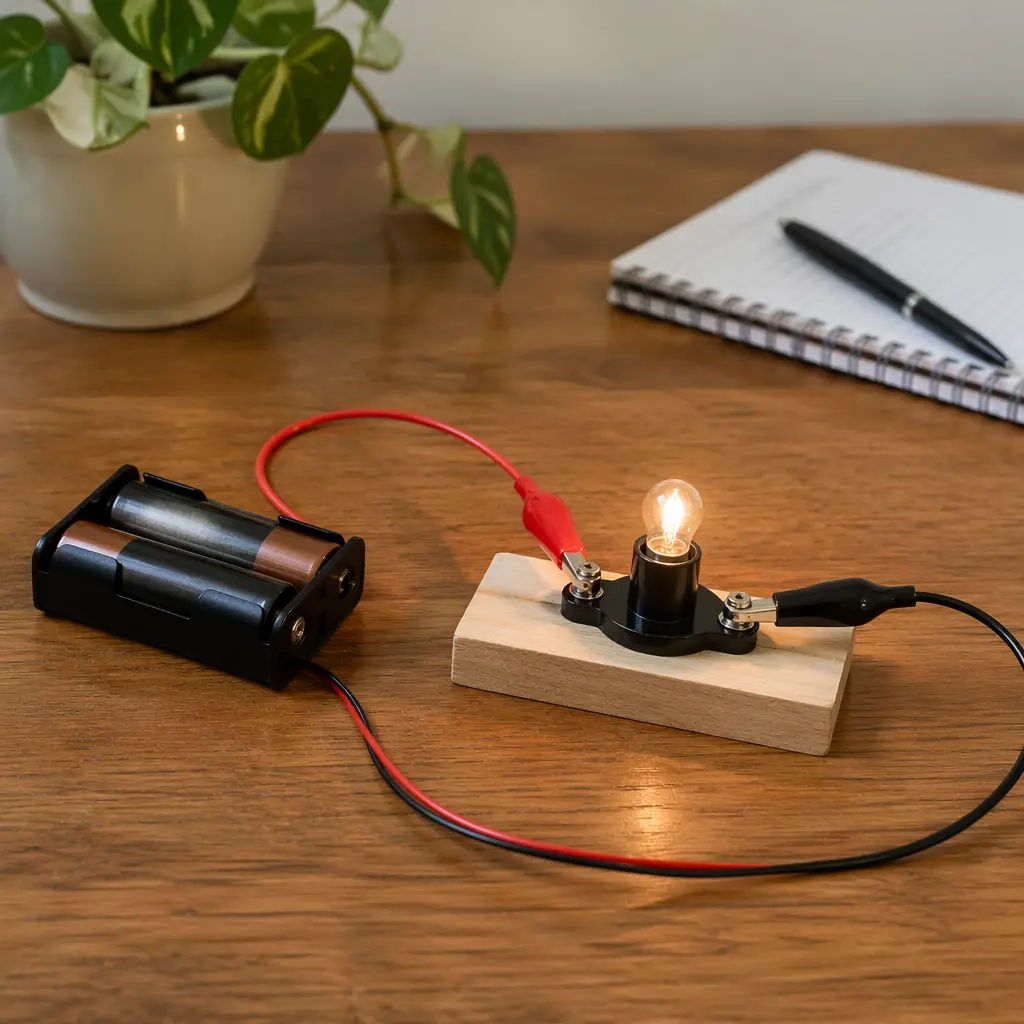
- Basic electronics kits: snap-together or wire-based sets that teach circuits, switches, and power through trial and error
- Mechanical building kits: gears, pulleys, and linkages that demonstrate motion and engineering principles
- Coding and logic games: screen-free or low-tech options that use cards, tiles, or simple robots to teach sequencing and problem-solving
- Science experiment kits: focused themes like chemistry reactions, physics challenges, or earth science observations with clear goals
- Math and puzzle challenges: hands-on brainteasers that apply math, spatial reasoning, or patterns in a playful way
Frequently asked questions
Will a STEM toy under $30 actually hold my child’s interest?
Yes, if it’s well designed. Interest usually comes from what a child can do with the toy, not the price. Kits that allow for multiple builds, experiments, or challenges tend to stay engaging longer than one-time projects.
Do these toys feel too much like school?
The best ones don’t. Look for toys that emphasize exploration and problem-solving rather than quizzes or worksheets. When kids can test ideas and see immediate results, learning feels more like play.
Are instructions necessary, or should kids figure it out themselves?
A mix works best. Clear instructions help kids get started and avoid early frustration. After that, open-ended options encourage creativity and independent thinking.
What skills do these toys support most?
Common skills include logical thinking, basic engineering concepts, fine motor coordination, and persistence. Many also support collaboration when kids work together to solve challenges.
Affordable STEM toys can be powerful tools when chosen carefully. For kids ages 9–12, the right kit feels like an invitation to explore, build, and experiment—without pressure and without a big price tag. Focus on hands-on play, realistic components, and room to grow, and you’ll find options that deliver real learning through genuine fun.