Beginner Tech Toys for Preschoolers Without Screens
A parent-focused guide to cause-and-effect tech toys for ages 3–5 that build early STEM skills without apps or screens. Learn what to look for, age fit, safety tips, and common questions.
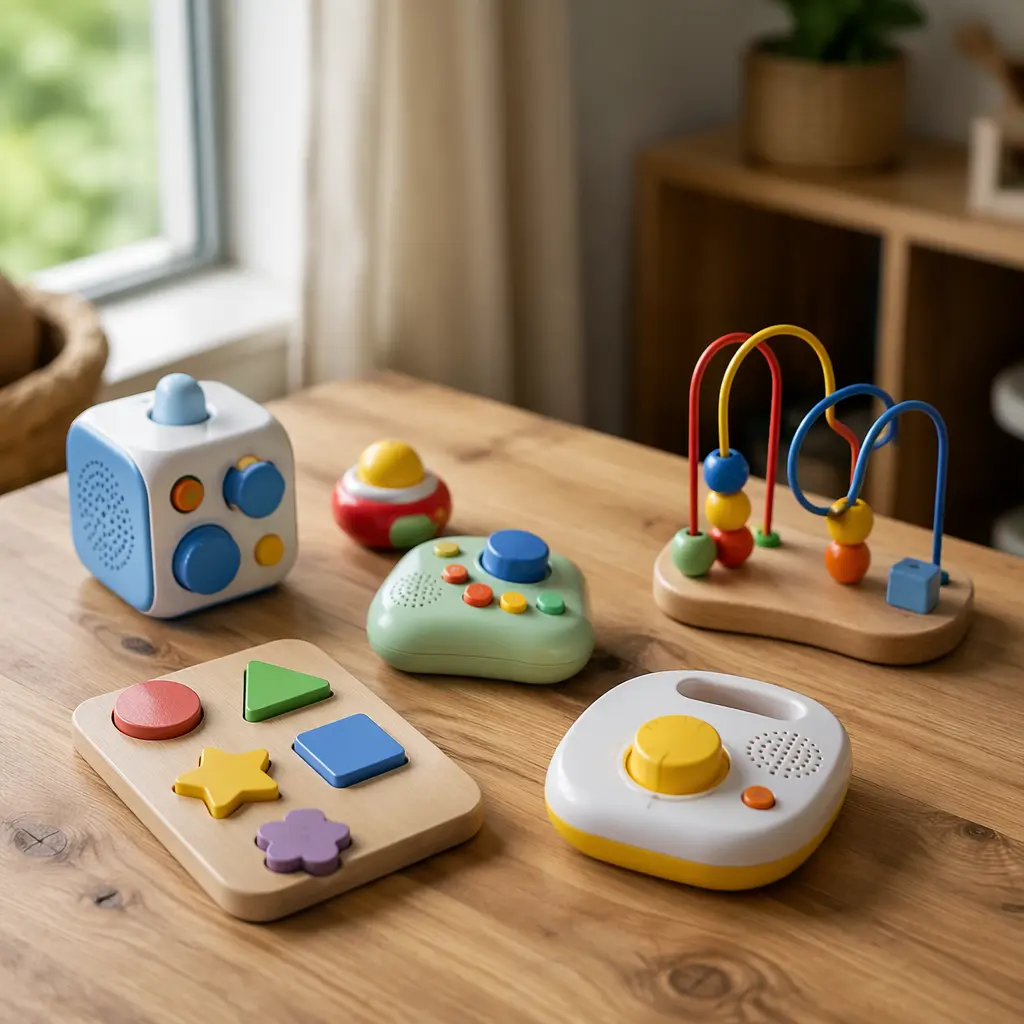
Compare prices and availability
Check current prices and availability for this guide on eBay.
As an eBay Partner, we may be compensated if you make a purchase.
Many parents want to introduce technology concepts without handing over a tablet. Screen-free tech toys aim to do exactly that. These toys use simple electronics—buttons, lights, sounds, motors, or sensors—to teach cause and effect, sequencing, and problem-solving. For preschoolers ages 3–5, the goal isn’t coding or apps. It’s helping kids understand that actions lead to results, all through hands-on play.
What to look for
Screen-free tech toys vary widely in quality and learning value. Focusing on a few core features can help you choose toys that support development without overwhelming young learners.
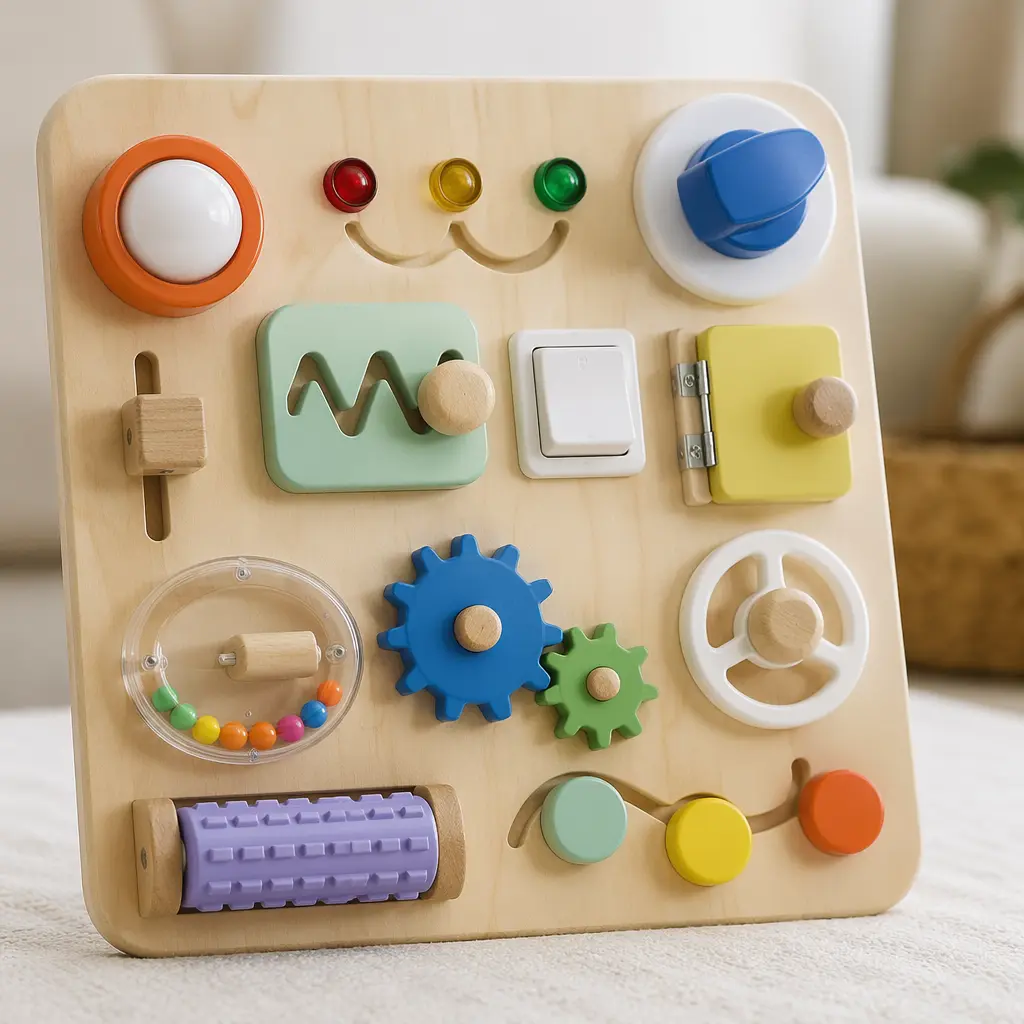
- Clear cause-and-effect: A single action (pressing, turning, connecting) should trigger a visible or audible response.
- Hands-on controls: Physical buttons, switches, gears, or connectors are easier for preschoolers to understand than touch surfaces.
- Open-ended play: Toys that allow multiple ways to interact tend to last longer than those with one fixed outcome.
- Durable construction: Preschool play can be rough; sturdy materials and enclosed electronics matter.
- Simple feedback: Lights, sounds, or movement should be engaging but not overstimulating.
- No required apps or Wi‑Fi: The toy should work fully on its own, right out of the box.
Age suitability
For ages 3–5, tech toys should match developing fine motor skills and short attention spans. Younger preschoolers often benefit from toys with large, easy-to-press components and immediate feedback. Older preschoolers may enjoy slightly more complex interactions, such as sequencing actions or experimenting with simple circuits. Age recommendations on packaging are a starting point, but observing how your child engages—whether they feel confident or frustrated—is often more useful.
Standout categories or types
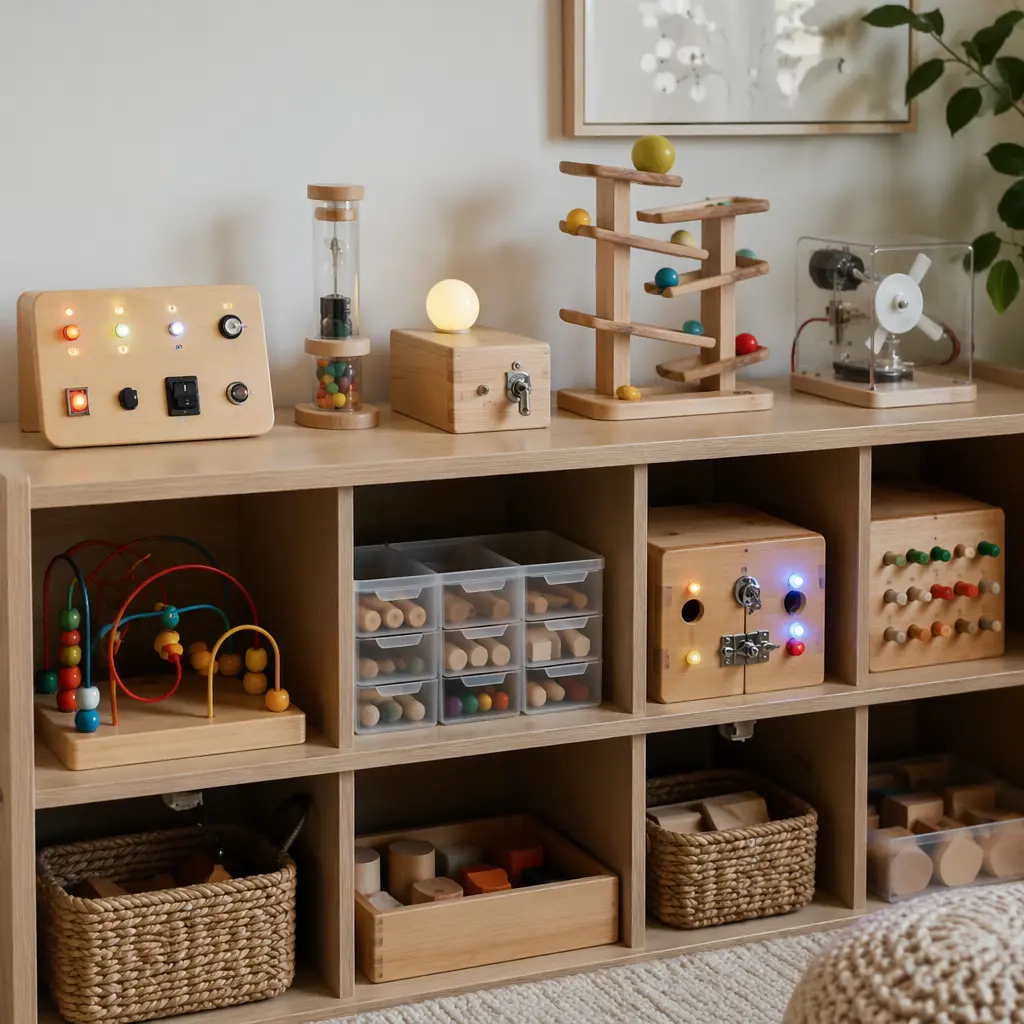
Screen-free tech toys generally fall into a few helpful categories. Each supports early STEM learning in a slightly different way, and many families find value in mixing types over time.
- Cause-and-effect boards: Activity boards with buttons, sliders, and switches that activate lights or sounds help kids link actions to outcomes.
- Simple circuit toys: Magnetic or snap-together components introduce the idea that electricity flows in a loop to power lights or buzzers.
- Coding-concept toys: These use physical pieces or directional buttons to teach sequencing without screens or text.
- Motorized building toys: Gears, wheels, or moving parts show how motion and mechanics work together.
- Sound and music toys: Instruments with electronic responses encourage experimentation and pattern recognition.
Frequently asked questions
Are screen-free tech toys really educational?
Yes, when designed well. These toys support early STEM skills like problem-solving, logic, and experimentation. The learning comes from active play—pressing, building, testing, and adjusting—rather than passive watching.
Do these toys replace traditional toys?
They’re best seen as a complement. Screen-free tech toys add variety and introduce basic technology concepts, while traditional toys like blocks, pretend play sets, and art supplies support creativity and social skills.
How much complexity is too much for preschoolers?
If a toy requires reading, multi-step setup, or adult troubleshooting every time, it’s likely too complex. Preschoolers benefit most from toys they can start using independently after a brief demonstration.
Are lights and sounds considered screen time?
Most experts don’t classify simple lights and sounds as screen time. The key difference is interaction. These toys respond to physical actions rather than holding a child’s attention through video or animation.
How long do kids typically stay interested?
Interest varies by child and toy design. Open-ended toys that allow experimentation tend to stay relevant longer than those with a single goal or outcome.
Screen-free tech toys can be a thoughtful way to introduce preschoolers to how things work without jumping into apps or devices. By focusing on cause and effect, durability, and age-appropriate complexity, parents can choose toys that support curiosity, confidence, and hands-on learning during the early years.