Are STEM Gadgets Safe for Younger Teens at Home?
A parent-friendly guide to STEM gadget safety for younger teens. Learn what to look for in tools, power sources, materials, and supervision so learning at home stays safe and productive.
Compare prices and availability
Check current prices and availability for this guide on eBay.
As an eBay Partner, we may be compensated if you make a purchase.
STEM gadgets can be a great way for younger teens to explore science, technology, engineering, and math at home. Kits and tools promise hands-on learning, problem-solving, and creativity. At the same time, many parents wonder whether these gadgets are truly safe for kids around age 13 and up, especially when they involve electricity, tools, or chemicals. Understanding the risks—and how to manage them—helps families decide what belongs at home and what needs extra oversight.
What to look for
Not all STEM gadgets are built the same. Some are designed specifically for younger teens, while others are closer to hobbyist or adult-level tools. Before bringing anything home, it helps to look beyond the age label and consider how the gadget is meant to be used.
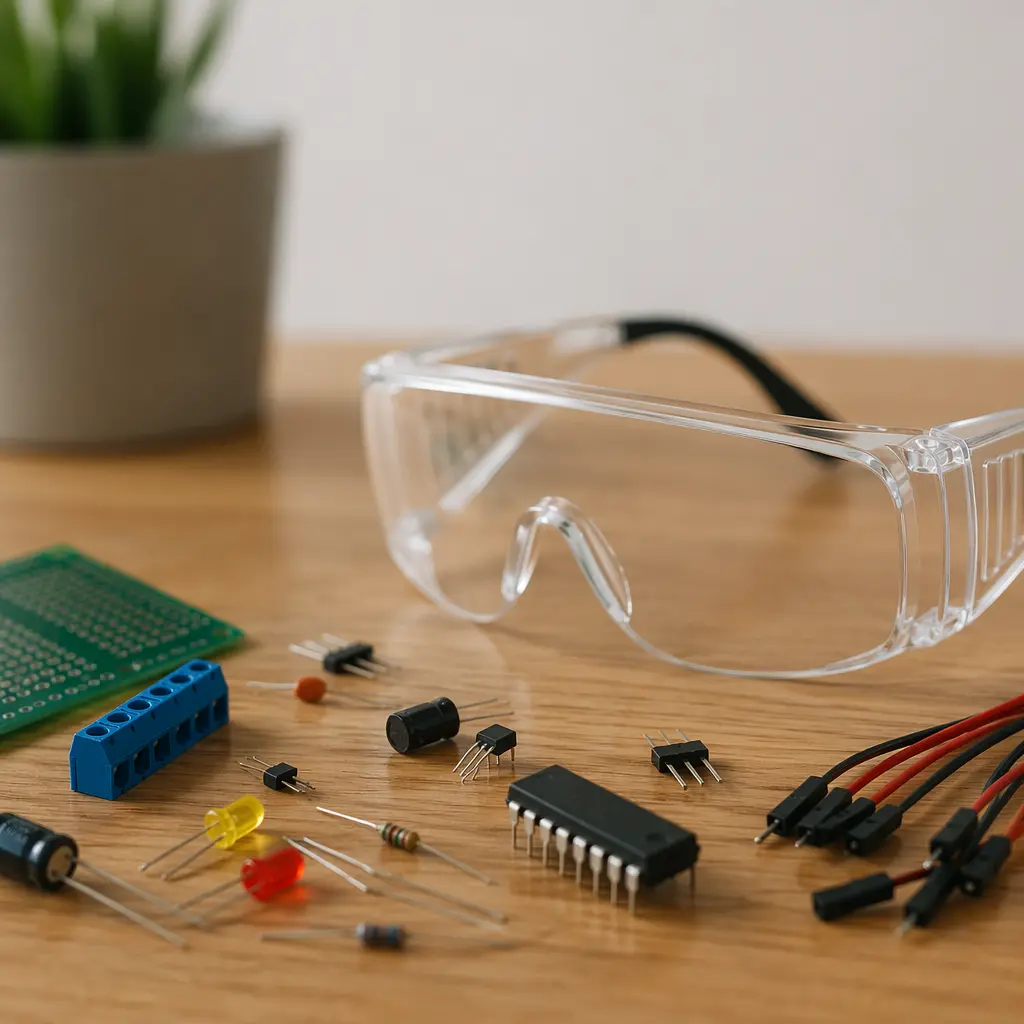
- Clear age recommendations and safety warnings from the manufacturer
- Low-voltage power sources, such as batteries or USB power, rather than wall current
- Enclosed or shielded components that limit exposure to heat or sharp edges
- Instructions written for teens, not adults with prior technical experience
- Projects that focus on concepts and experimentation instead of speed or force
Age suitability
For the 13+ age range, safety depends as much on maturity as on the gadget itself. Many younger teens can follow multi-step instructions and understand basic safety rules, but they may still underestimate risks or rush through steps. Gadgets labeled for teens often assume some adult guidance at the beginning. Parents should think about their child’s patience, ability to read instructions carefully, and comfort with asking for help when something is unclear.
Standout categories or types
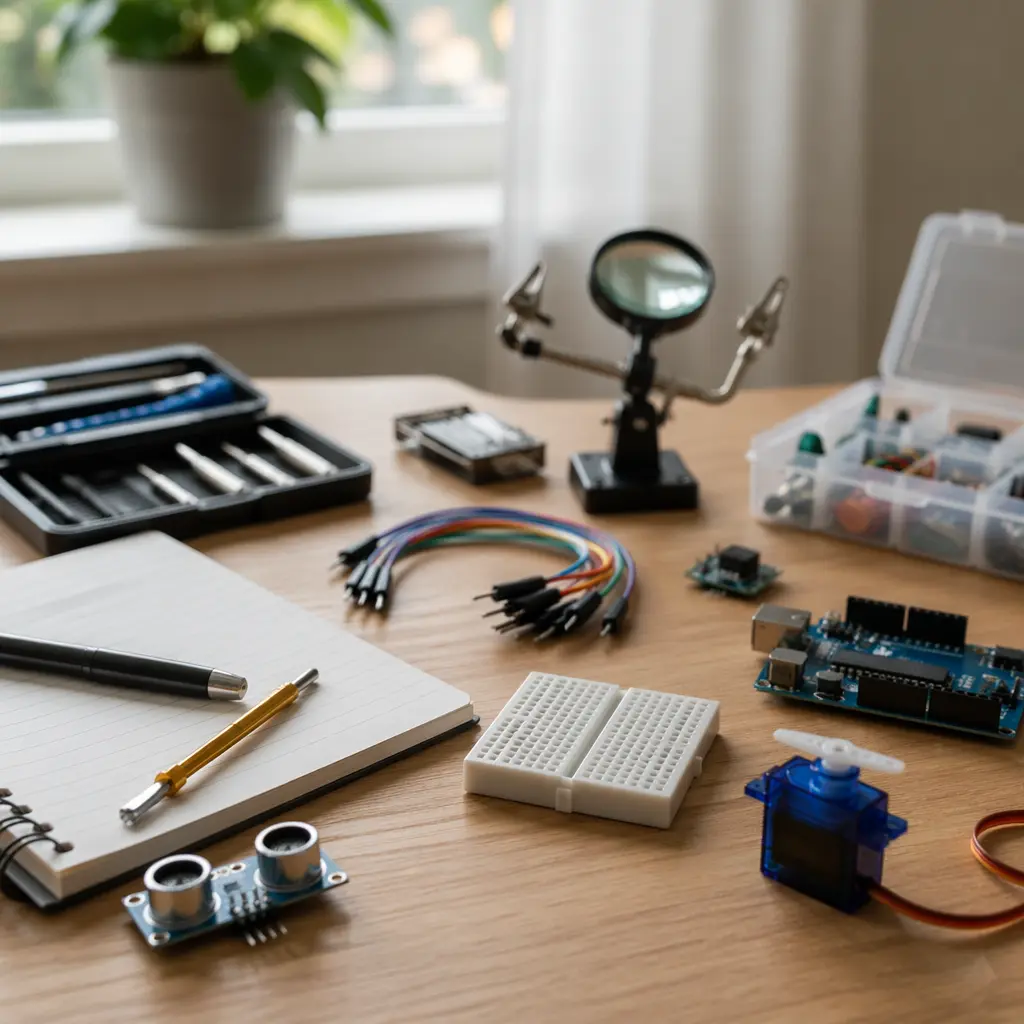
STEM gadgets for younger teens generally fall into a few broad categories, each with its own safety considerations. Coding and electronics kits often focus on logic and basic circuitry. These are usually low risk when they use low-voltage power and snap-together parts, but they still require care around wires and connections.
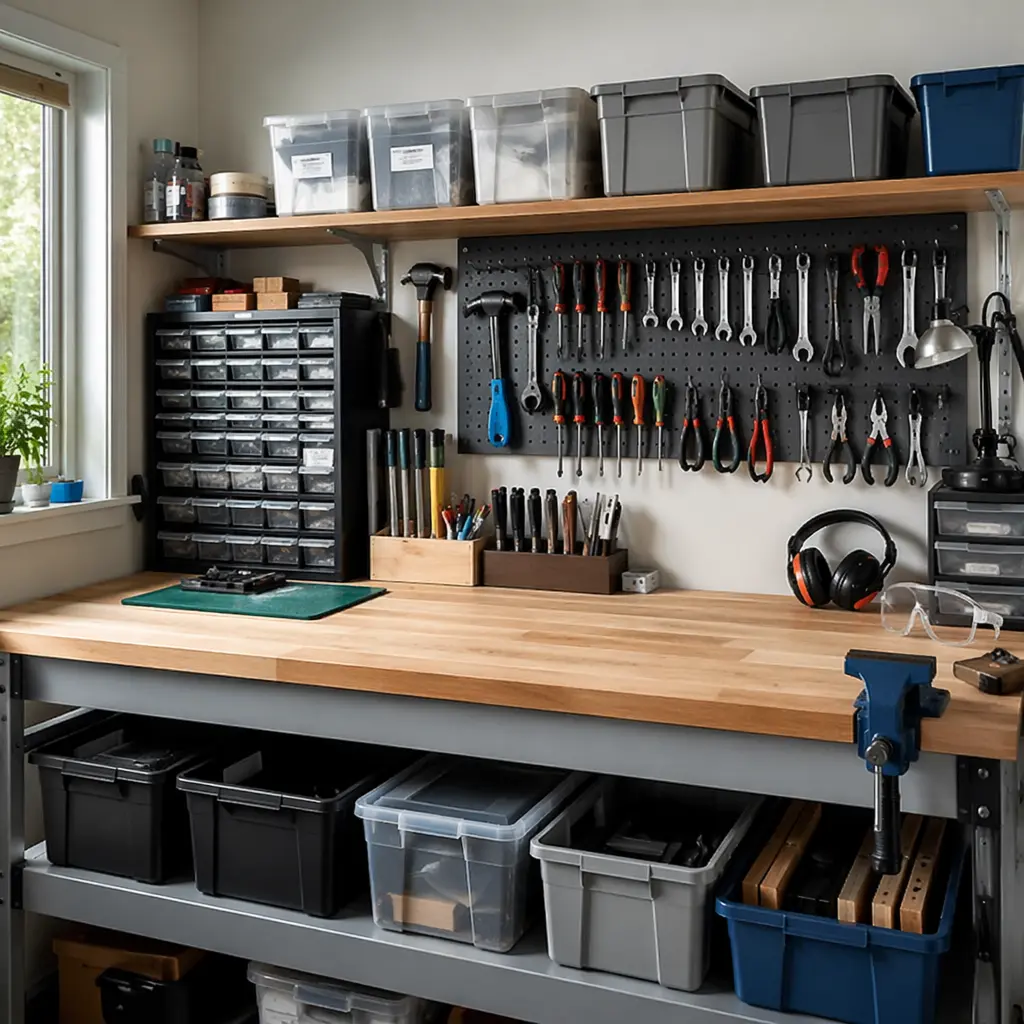
Engineering and maker tools may introduce hand tools, moving parts, or heat. These can be valuable learning experiences, but they benefit from clear workspace rules and limits on when and how they are used. Science experiment kits can vary widely, from simple demonstrations to activities involving mild chemicals. Parents should check ingredient lists and disposal instructions to make sure everything can be handled safely at home.
Frequently asked questions
Do STEM gadgets involve real electrical risk?
Most gadgets designed for younger teens use low-voltage power that carries minimal shock risk. The bigger concerns are short circuits, overheating, or damaged components. Teaching teens to disconnect power before changing parts and to stop if something smells or feels hot reduces these risks.
Are tools like soldering irons appropriate at this age?
Tools that generate high heat or require precise handling are often better introduced gradually. If they are included, they should be used only with direct supervision, protective equipment, and clear limits on when the tool can be turned on.
How much supervision is enough?
At first, active supervision is recommended. As teens show they can follow rules and work carefully, parents may step back while still being nearby. Periodic check-ins help catch problems early without taking away independence.
What about online instructions or community projects?
Online tutorials can be helpful but sometimes assume adult-level tools or skills. Parents should review new projects before a teen starts and confirm that required materials and steps match what is safe and available at home.
STEM gadgets can be safe and rewarding for younger teens when chosen thoughtfully and introduced with care. By paying attention to power sources, materials, and your child’s readiness, parents can support curiosity while keeping safety a priority. With the right balance of guidance and independence, at-home STEM learning can be both engaging and responsible.