Beginner Circuit Toys That Work Without Screens
Explore beginner circuit toys that teach wiring, switches, and cause-and-effect without apps or screens. This guide covers what to look for, age fit, safety, and popular kit styles for ages 9–12.
Compare prices and availability
Check current prices and availability for this guide on eBay.
As an eBay Partner, we may be compensated if you make a purchase.
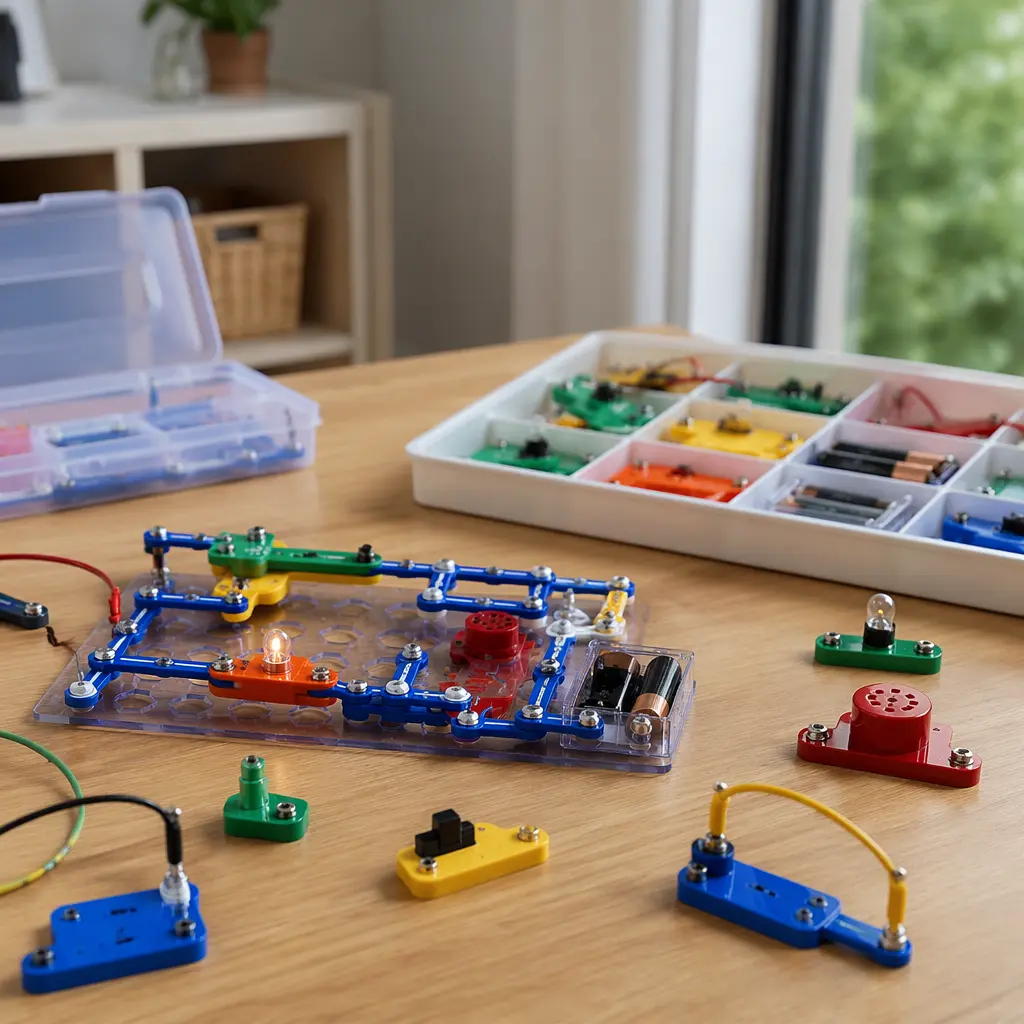
Screen-free circuit toys give children a hands-on way to explore electricity, logic, and problem solving without relying on apps or tablets. For ages 9–12, these kits can introduce real concepts such as current flow, switches, motors, sensors, and simple engineering design in a format that feels approachable rather than overly technical. Many beginner sets use snap-together parts, color-coded wires, or modular boards so children can experiment safely while learning through trial and error. The best options encourage curiosity and repeat play, allowing kids to build everything from flashing lights to small fans and alarms while seeing direct cause-and-effect from every connection they make.
What to look for
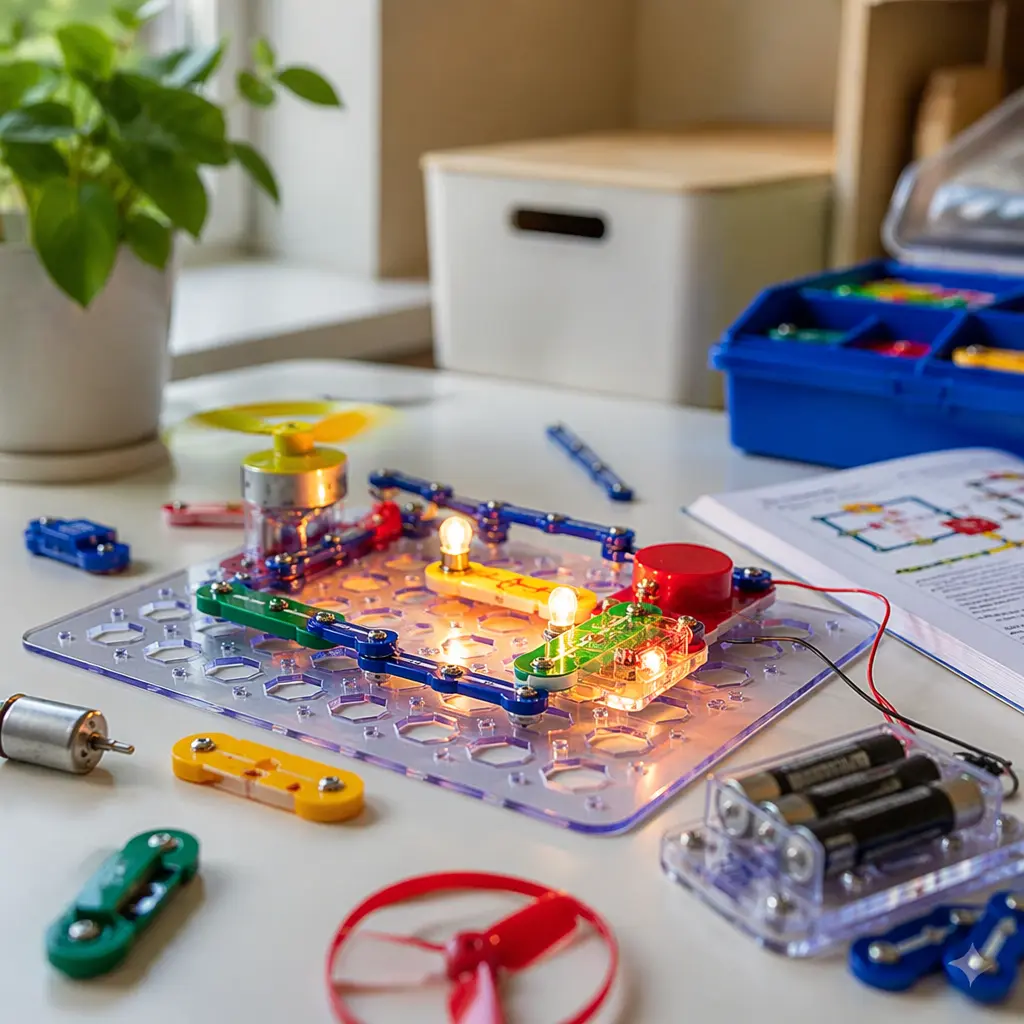
A good beginner circuit toy should balance simplicity with enough variety to keep older children engaged. Ages 9–12 often benefit from kits that start with guided projects but leave room for open-ended experimentation later. Durability matters because wires, clips, and connectors are handled repeatedly during builds. Clear instructions are also important, especially for children who are new to electronics vocabulary.
- Snap-together or clearly labeled components that reduce setup frustration
- Projects that gradually increase in difficulty instead of jumping straight to advanced builds
- Real working parts such as switches, lights, motors, speakers, or fans
- Reusable components that support multiple projects and free building
- Storage trays or organized compartments to help prevent lost pieces
- Battery-powered systems with low-voltage components designed for children
- Instruction manuals with diagrams instead of text-heavy explanations
Age suitability
Children in the 9–12 age range are often ready for more than simple button-press cause-and-effect toys. Many can follow multi-step instructions, troubleshoot mistakes, and understand basic scientific explanations. Beginner circuit kits at this stage usually work best when they combine visual feedback with active building. A spinning motor or glowing light immediately shows whether a connection works, helping kids learn through experimentation. Some children may quickly move toward more advanced concepts such as series circuits, conductivity, or magnetic switches, while others prefer straightforward projects with predictable results. Choosing a kit with expandable complexity can help support both styles of learning without making the experience overwhelming.
Standout categories or types
Snap-style circuit kits are among the most accessible choices for beginners. These sets use plastic modules that click together directly onto a board, making it easy for children to see how electricity travels through a circuit. Because the parts are reusable and rearrangeable, kids can test different combinations without needing tools. Many families choose these kits as a first introduction to electronics because they reduce frustration while still teaching real concepts.
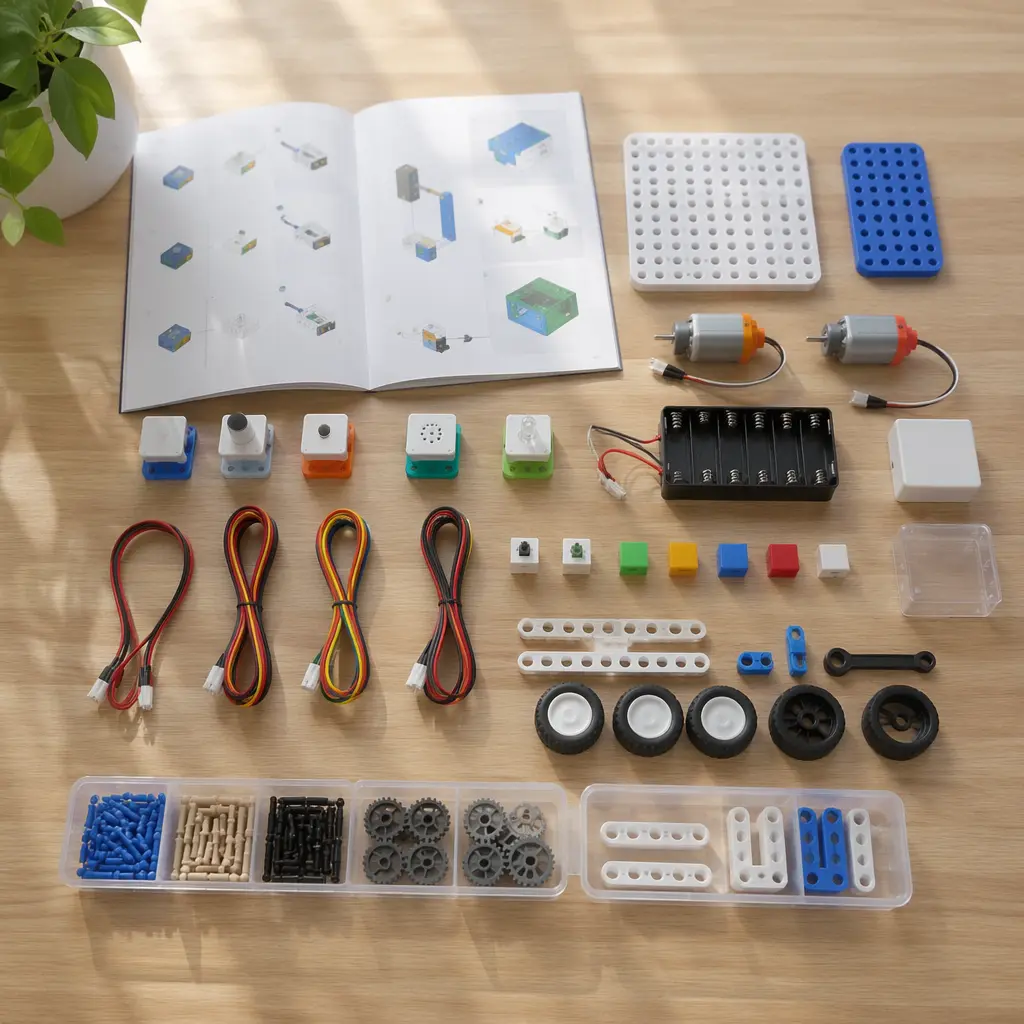
Breadboard-style learning kits offer a more advanced experience and may appeal to older children who enjoy detailed projects. Instead of snapping pieces together, users place wires and components into a reusable board. This setup more closely resembles real electronics work and encourages patience and careful observation. Other popular categories include experiment kits focused on alarms and sound, solar-powered sets that introduce renewable energy concepts, and motion-based projects that combine gears or motors with basic circuitry.
- Snap circuit systems for quick setup and visual learning
- Breadboard kits for older beginners ready for more hands-on wiring
- Motor and fan projects that demonstrate movement and energy transfer
- Light and sound experiment kits with buzzers, LEDs, and alarms
- Solar-powered learning sets that explore alternative energy basics
- Open-ended inventor kits that encourage custom builds and problem solving
Frequently asked questions
Are screen-free circuit toys still educational without coding?
Yes. Many electronics concepts are easier to understand through physical interaction before introducing coding. Building circuits helps children learn logic, sequencing, troubleshooting, and scientific reasoning in a hands-on format.
Do children need prior electronics knowledge?
Most beginner kits are designed for first-time users and include guided projects with diagrams. Children who enjoy building toys, puzzles, or science activities often adapt quickly even without previous experience.
What power sources are common in beginner kits?
Many screen-free circuit toys use standard household batteries and low-voltage components designed for educational use. Some advanced sets may include rechargeable packs or small solar panels.
How long do these toys typically stay interesting?
Replay value depends on the number of possible projects and whether the kit supports free experimentation. Open-ended systems with interchangeable components generally stay engaging longer than single-project builds.
Can circuit toys support classroom learning?
Many parents and educators use circuit kits to reinforce school science topics such as energy transfer, conductivity, and engineering design. The physical nature of the projects can make abstract concepts easier to understand.
Beginner circuit toys can offer a practical introduction to electronics while keeping play tactile, creative, and screen-free. For children ages 9–12, the most effective kits combine easy-to-follow guidance with enough flexibility to encourage experimentation and independent thinking. Whether focused on lights, motors, alarms, or simple engineering challenges, these toys can help build confidence with real-world STEM concepts through active discovery.