STEM Toys for Teens That Feel Like Real Tools
A buyer-focused guide to STEM toys for teens that feel like real tools. Learn what features matter, which categories deliver authentic problem-solving, and how to choose age-appropriate kits for 13+ learners.
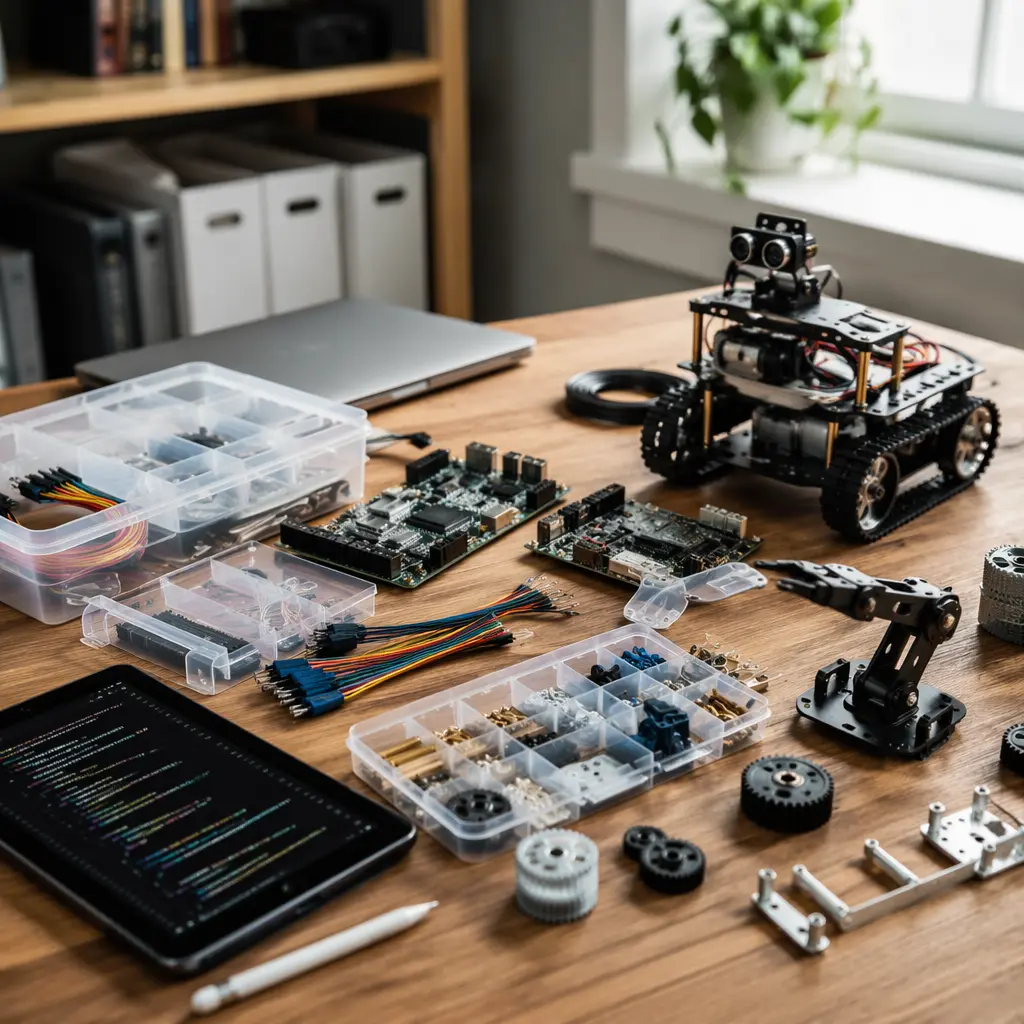
Many teens lose interest in STEM toys that feel watered down or overly instructional. For ages 13 and up, the most engaging kits look and behave more like real tools than classroom props. They ask teens to experiment, troubleshoot, and think critically—often without a single “right” answer. This guide focuses on STEM toys that deliver authentic problem-solving and skill-building, while still being appropriate for home use.
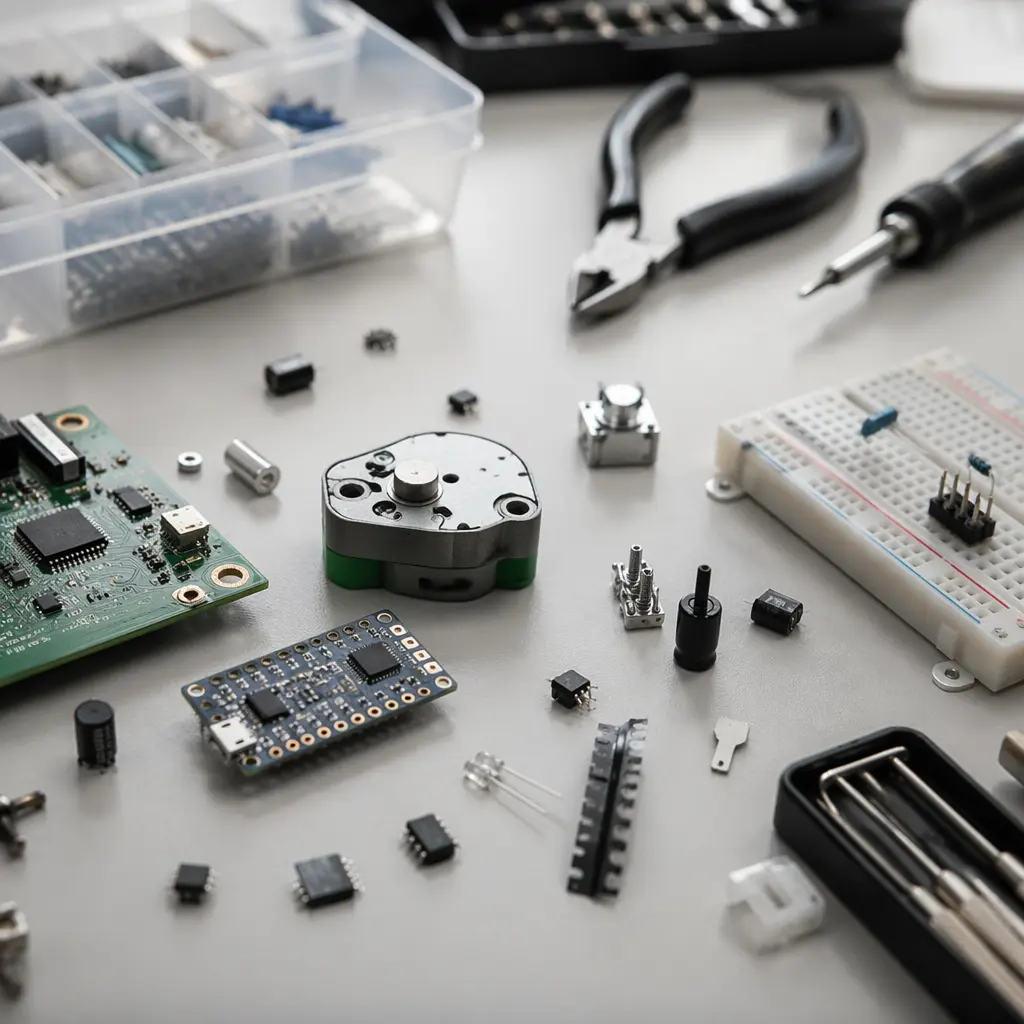
What to look for
STEM toys for teens should respect their growing independence and capability. The best options feel closer to entry-level professional tools than simplified school projects. When comparing kits, focus on depth, flexibility, and how closely the experience mirrors real-world problem solving.
- Open-ended challenges that allow multiple solutions rather than step-by-step scripts
- Real materials such as metal parts, sensors, or programmable components instead of fragile plastic
- Opportunities to fail, troubleshoot, and redesign without penalty
- Clear but concise instructions that guide setup, then step back
- Compatibility with common software, coding languages, or tools used outside of school
Age suitability
For teens 13 and older, age suitability is less about safety labels and more about cognitive challenge. Kits in this range should assume basic reading comprehension, patience for multi-hour projects, and comfort with abstract thinking. Some may stretch into high-school or even early college concepts, which can be motivating rather than frustrating when the materials are well designed. Parents may want to check whether a kit scales in difficulty, so it stays relevant as skills grow.
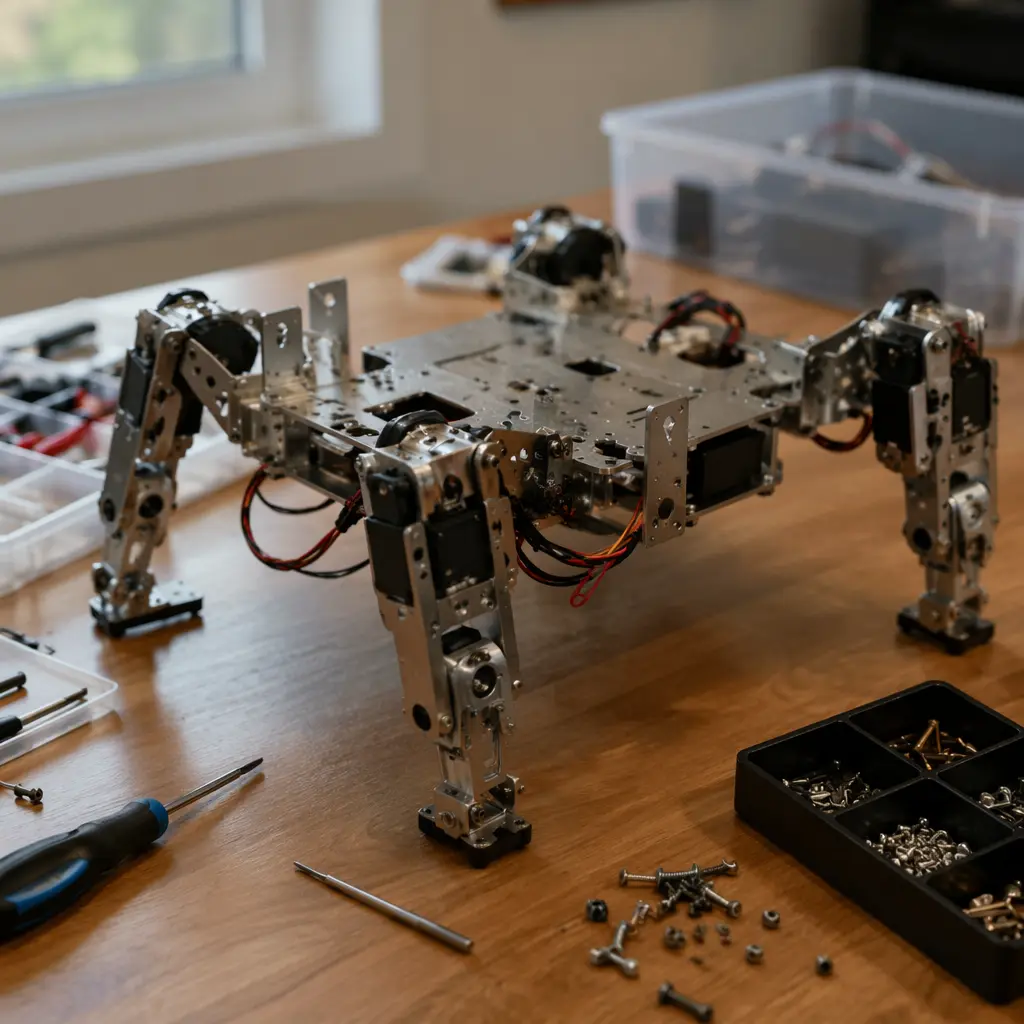
Standout categories or types
Some STEM toy categories are especially good at delivering a “real tool” feel. These tend to emphasize authentic processes used by engineers, scientists, and technologists, rather than simplified demonstrations.
- Electronics and circuitry kits that use breadboards, sensors, and microcontrollers for hands-on experimentation
- Mechanical and engineering builds that require measuring, fastening, and structural thinking
- Coding and computer science kits that move beyond block coding into text-based languages
- Science labs that replicate real experiments, such as chemistry analysis or physics investigations
- Fabrication-focused kits that introduce design, iteration, and problem-solving similar to maker spaces
Frequently asked questions
Do STEM toys need to match school curriculum?
Not necessarily. Many teens engage more deeply when a kit explores concepts beyond what they see in class. Alignment can help reinforce learning, but curiosity and challenge are often stronger motivators.
Are these kits suitable for beginners?
Some are beginner-friendly, while others assume prior exposure. Look for kits that include optional tutorials or starter projects, allowing teens to build confidence before tackling harder challenges.
How much time do these projects usually take?
Many are designed for multi-session use. A single project might take several hours spread over days or weeks, which is part of what makes them feel more like real-world work.
Do teens need prior coding or engineering experience?
Prior experience helps, but it is not always required. Well-designed STEM toys introduce concepts as needed, while still leaving room for deeper exploration by more experienced users.
What skills do these toys build beyond academics?
In addition to technical skills, these kits encourage persistence, logical thinking, creativity, and comfort with trial and error—abilities that are useful far beyond STEM fields.
STEM toys that feel like real tools can help teens see themselves as capable problem solvers rather than passive learners. By choosing kits that emphasize authenticity, challenge, and flexibility, parents can support meaningful exploration that feels relevant to the real world—and genuinely engaging for teens.
Find these on Amazon
As an Amazon Associate, ToyReviews earns from qualifying purchases.