Offline STEM Gadgets That Teach Real Skills Without Screens
A parent-focused guide to modern STEM gadgets that build real skills without apps or Wi‑Fi. Learn what to look for, age suitability, and standout types for kids ages 9–12.
Compare prices and availability
Check current prices and availability for this guide on eBay.
As an eBay Partner, we may be compensated if you make a purchase.
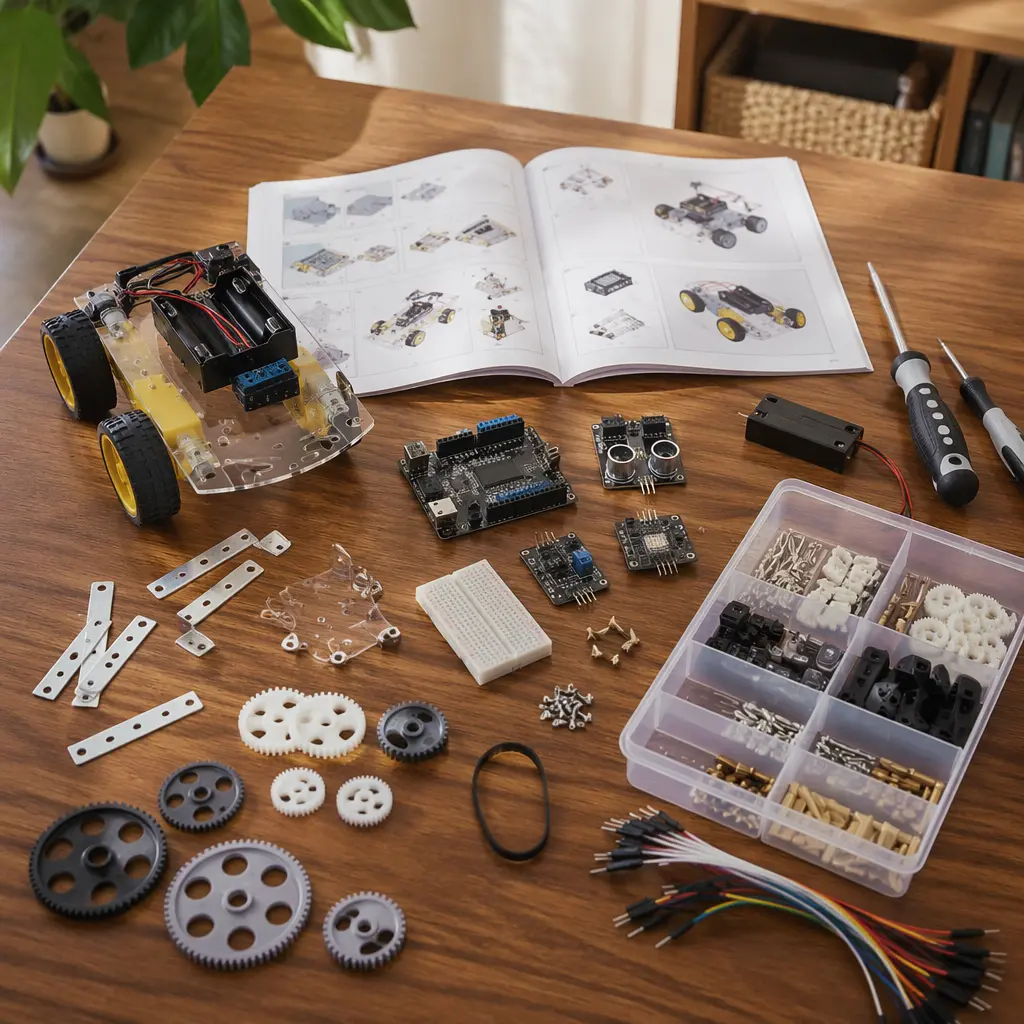
Many STEM toys now promise coding, robotics, or engineering skills, but often rely on apps, updates, and constant screen time. For parents of kids ages 9–12, offline STEM gadgets offer another path: hands-on learning with real components and clear cause-and-effect. These toys use electronics or mechanics without Wi‑Fi, teaching skills that transfer to school and everyday problem-solving.
What to look for
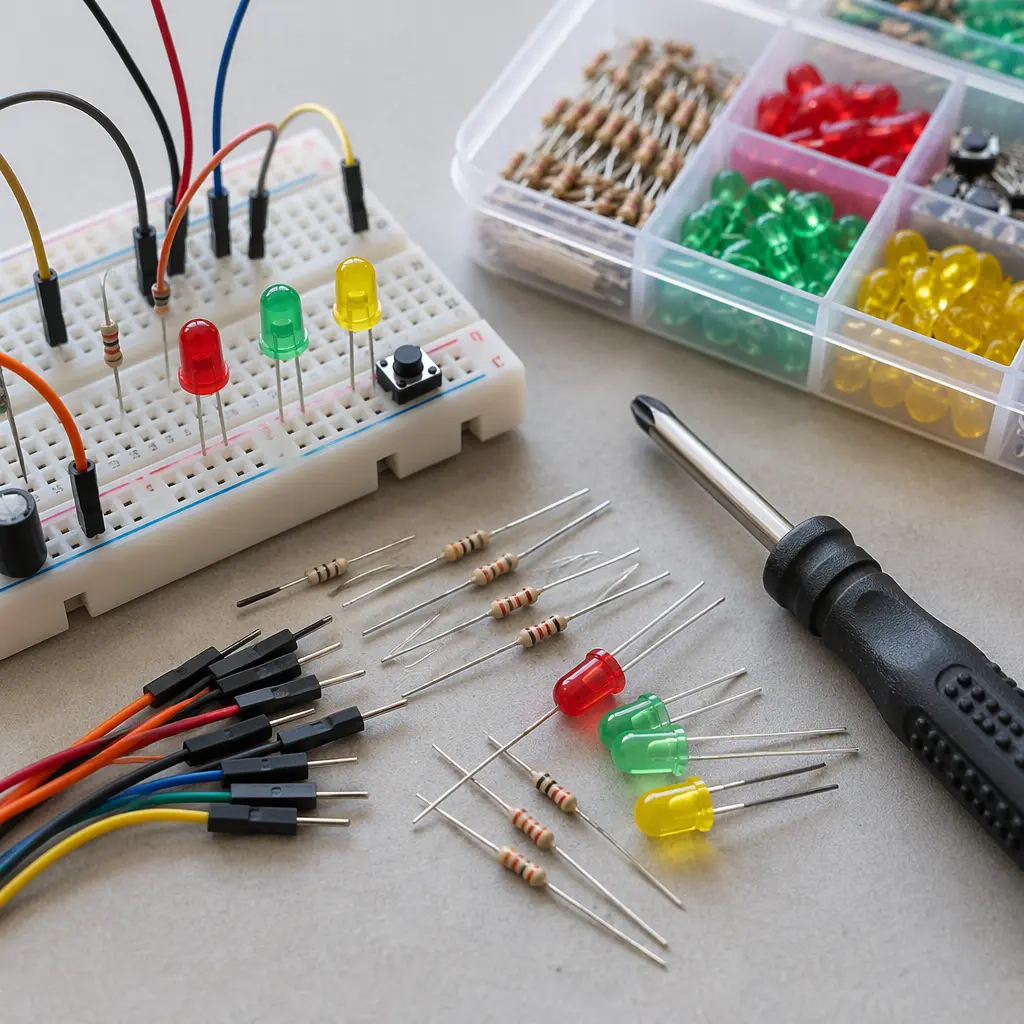
Offline STEM gadgets vary widely in quality and learning value. Focusing on a few core features can help you choose options that are engaging, durable, and genuinely educational rather than novelty items.
- Clear learning goals, such as understanding circuits, mechanics, or energy transfer
- Physical components kids can assemble, modify, and troubleshoot
- Instructions that explain why things work, not just how to finish
- Progressive challenges that increase difficulty as skills improve
- Sturdy materials that can handle repeated building and rebuilding
- No required apps, accounts, or internet connections
Age suitability
For ages 9–12, the best offline STEM gadgets strike a balance between independence and guidance. Kids in this range can follow multi-step instructions, use basic tools, and grasp abstract ideas like voltage or gear ratios. Look for sets that allow some trial and error without becoming frustrating, and that don’t require constant adult assembly once started.
Standout categories or types
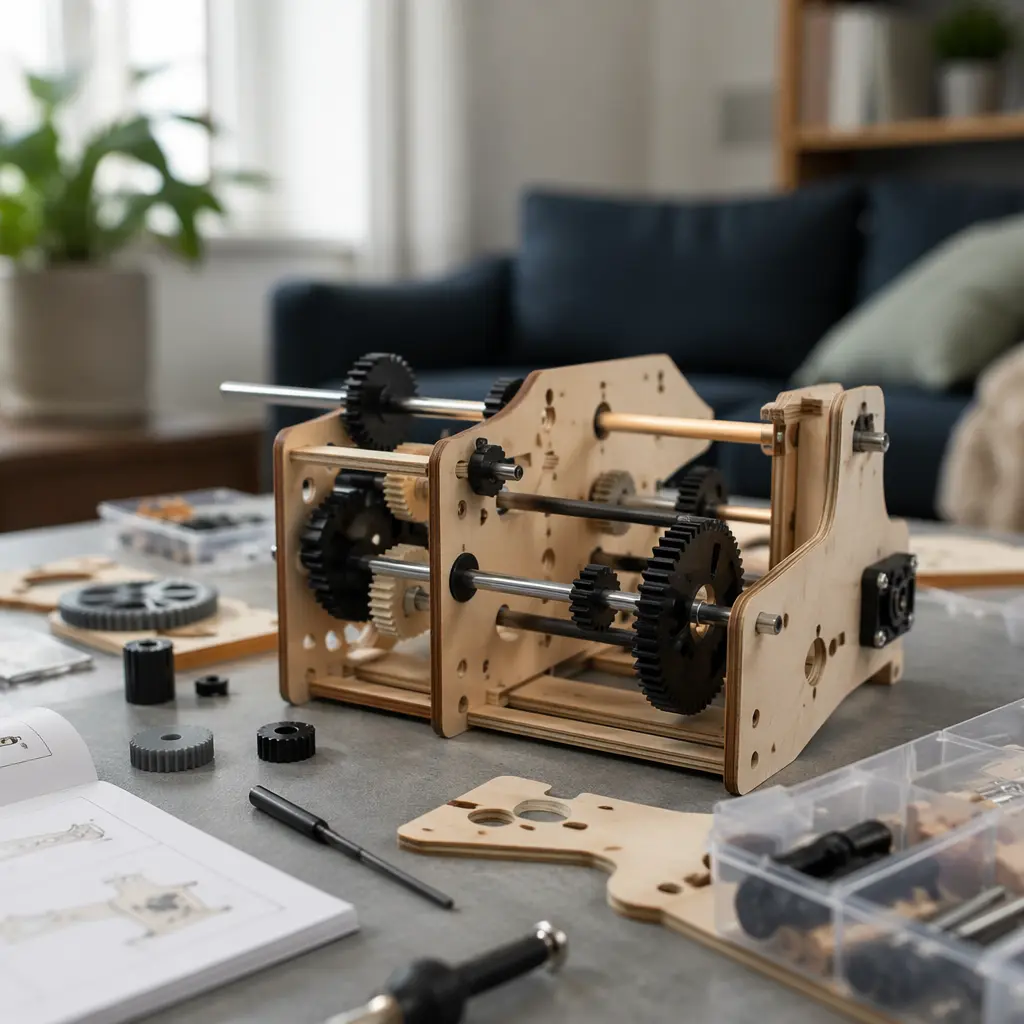
Offline STEM gadgets often fall into a few broad categories, each building different skills. Choosing the right type depends on your child’s interests and how they like to learn.
- Electronics kits that teach circuits, switches, and basic logic using physical components
- Mechanical engineering sets focused on gears, levers, and structural design
- Renewable energy or physics kits that demonstrate concepts like solar power or motion
- Tool-based build kits that introduce safe use of hand tools and measurement
- Logic and problem-solving gadgets that rely on physical puzzles rather than screens
These categories encourage experimentation. Because there’s no screen guiding every step, kids must observe results, adjust their approach, and learn from mistakes. That process mirrors real-world engineering more closely than many app-driven toys.
Frequently asked questions
Are offline STEM gadgets still relevant in a digital world?
Yes. Offline gadgets build foundational understanding of how systems work. Skills like logical thinking, spatial reasoning, and hands-on problem-solving support later learning in coding, science, and math.
Do these toys actually teach electronics without a screen?
Many do. By wiring circuits or assembling components physically, kids see immediate cause-and-effect. This tangible experience often makes abstract concepts easier to understand than on-screen simulations.
How much adult help is usually needed?
Most sets for ages 9–12 are designed for independent use after initial guidance. Parents may help with safety, reading instructions, or troubleshooting, especially at the start.
Will kids get bored without apps or games?
Engagement depends on challenge level and interest. Gadgets that allow open-ended building or multiple projects tend to hold attention longer than one-time builds.
Offline STEM gadgets can be a strong addition to a balanced play environment. By removing screens and Wi‑Fi, they encourage focus, patience, and hands-on learning—skills that support both academic growth and everyday problem-solving for kids in the 9–12 age range.