Offline Tech Toys That Teach Teens Real Skills
A parent-friendly guide to offline tech toys for teens. Learn what to look for, age fit, and standout categories that build real-world skills without apps, Wi‑Fi, or subscriptions.
Compare prices and availability
Check current prices and availability for this guide on eBay.
As an eBay Partner, we may be compensated if you make a purchase.
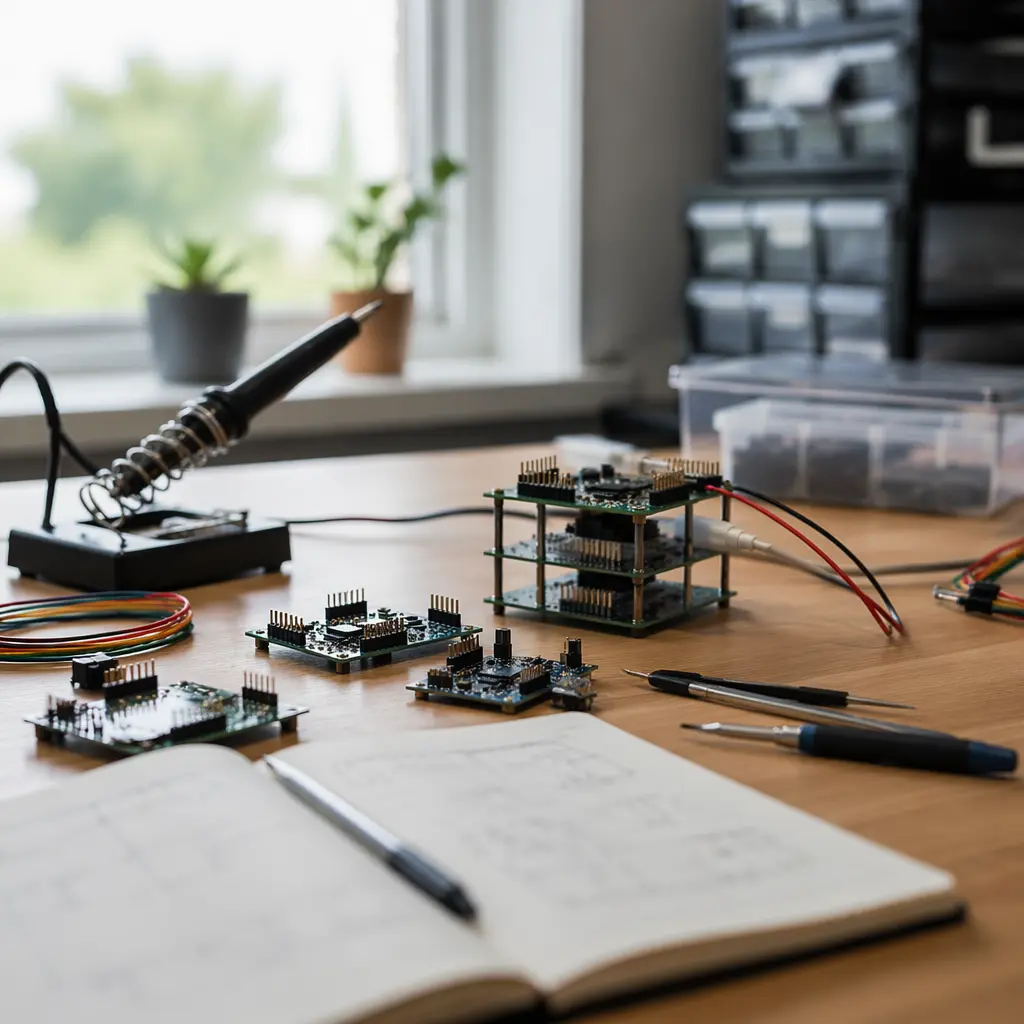
Many teens enjoy technology, but constant apps and notifications can get in the way of deep learning. Offline tech toys offer a middle ground: hands-on projects that feel modern and purposeful while working fully without Wi‑Fi, accounts, or subscriptions. These toys focus on real skills—problem-solving, design thinking, electronics, coding concepts, and fabrication—using physical components and clear instructions. For parents, the appeal is straightforward: fewer distractions, more focus, and learning that carries into school, hobbies, or future careers.
What to look for
Offline tech toys vary widely in depth and complexity. Some are quick-build confidence boosters, while others support months of experimentation. When comparing options, focus on how well the toy supports skill-building without leaning on a phone or computer for core features.
- Fully offline operation: Core functions should work without apps, internet access, or cloud accounts.
- Clear learning goals: Look for toys that teach specific skills such as circuitry, logic, measurement, or mechanical design.
- Expandable systems: Kits that allow add-ons or open-ended builds tend to grow with teens.
- Quality materials: Durable components and solid connections matter for repeated use and troubleshooting.
- Good documentation: Printed guides, diagrams, or project cards help teens work independently.
Age suitability
For ages 13 and up, many teens are ready for tools and concepts that mirror real-world technology. This age group can handle multi-step instructions, basic math, and abstract thinking, making them well-suited to electronics kits, mechanical builds, and introductory engineering projects. That said, age labels are only a starting point. Consider your teen’s patience level, prior experience, and interest area. A motivated beginner can thrive with a well-structured kit, while an experienced teen may prefer open-ended systems with fewer directions.
Standout categories or types
Offline tech toys for teens generally fall into a few strong categories, each emphasizing different real-world skills. Choosing the right type depends on whether your teen prefers building, experimenting, or problem-solving.
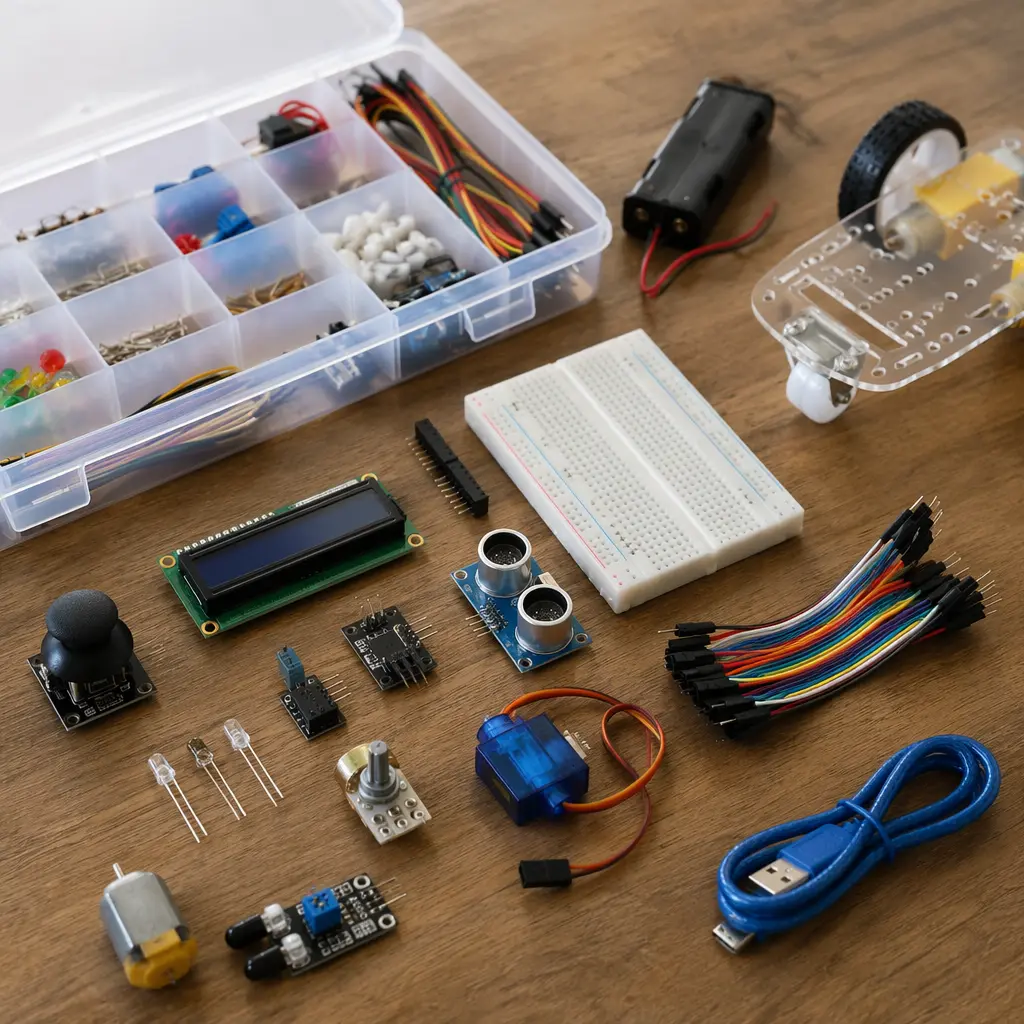
- Electronics and circuitry kits: These focus on understanding current, components, and signal flow using physical modules or breadboards.
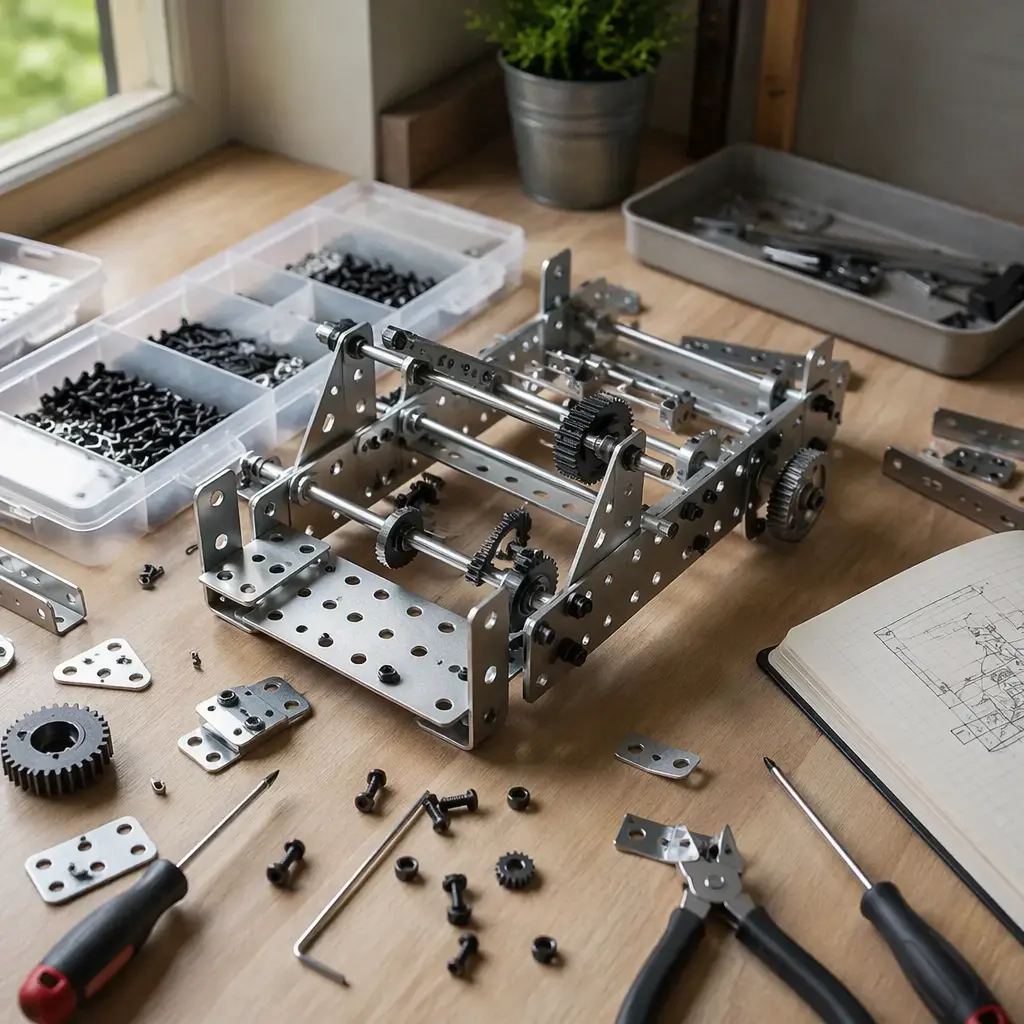
- Mechanical and engineering builds: Projects involving gears, linkages, and structures teach forces, motion, and design constraints.
- Logic and coding concept toys: Screen-free systems that use cards, blocks, or dials to teach sequencing, conditionals, and debugging.
- Fabrication and maker tools: Introductory tools for measuring, cutting, or assembling materials help teens learn precision and planning.
- Science instruments and experiment sets: Hands-on tools for physics or measurement encourage data collection and analysis without software.
Frequently asked questions
Do offline tech toys still teach modern skills?
Yes. Many foundational tech skills—such as logical thinking, system design, and troubleshooting—do not require screens. Offline toys often make these concepts more visible by slowing the process down and keeping it hands-on.
Will my teen get bored without an app?
Engagement depends on challenge and relevance. Toys that allow customization, experimentation, or real-world problem-solving tend to hold attention longer than one-time builds, even without digital extras.
Are these toys suitable for school projects?
Many offline tech toys align well with school subjects like physics, engineering, and computer science concepts. Look for kits with measurable outcomes or project ideas that can be documented and explained.
How much parent involvement is needed?
Most teens can work independently once they understand the basics. Early guidance—reviewing instructions, discussing goals, and setting safety rules—can help them gain confidence quickly.
Can offline toys compete with online learning platforms?
They serve different purposes. Offline toys emphasize tactile learning and focus, while online platforms offer breadth and updates. Many families find a mix of both works best.
Offline tech toys give teens space to think, build, and problem-solve without digital noise. By choosing well-designed kits that match your teen’s interests and skill level, you can support meaningful learning that feels relevant and empowering—no login required.