Beginner STEM Kits Teens Can Build in a Weekend
A buyer-focused guide to beginner STEM kits for teens 13+. Learn what to look for, age fit, and popular kit types that teach real mechanics and coding without complex setup.
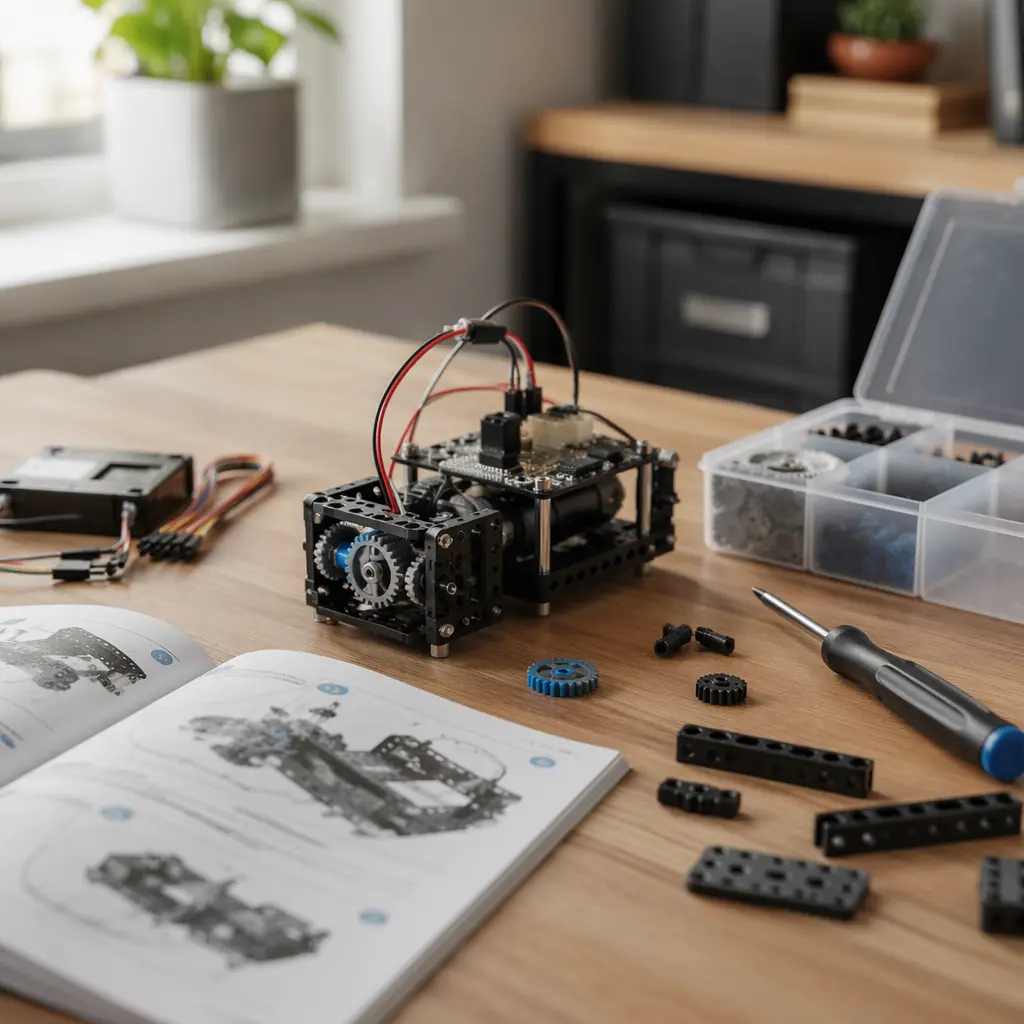
Compare prices and availability
Check current prices and availability for this guide on eBay.
As an eBay Partner, we may be compensated if you make a purchase.
Beginner STEM kits for teens are designed to turn curiosity into hands-on skills without weeks of setup or advanced tools. The best options can be built over a weekend, introduce real mechanics or coding concepts, and leave teens with something that works at the end. This guide breaks down what parents should look for, how age suitability plays out for 13+ learners, and which kit categories tend to deliver the most learning for the effort.
What to look for
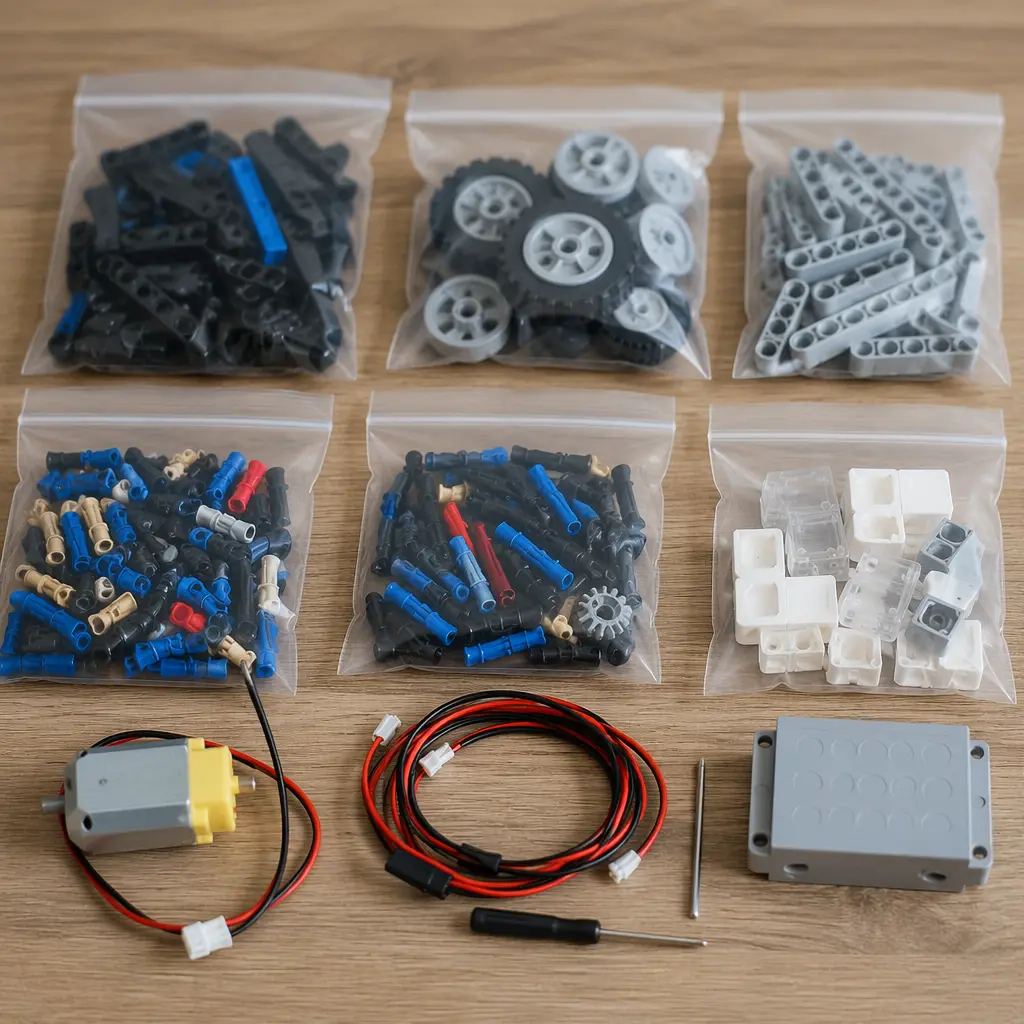
Not all STEM kits are created equal, especially for beginners. A good weekend build should balance challenge and clarity. Teens should be able to work mostly independently, but the kit should still introduce authentic STEM concepts rather than feeling like a toy shortcut.
- Clear instructions: Look for step-by-step guides with diagrams that explain not just what to do, but why it works.
- Limited tools required: Most beginner kits rely on included tools or common household items, not specialized equipment.
- Real components: Gears, sensors, motors, or simple circuit boards help teens learn transferable skills.
- Modular design: Kits that can be rebuilt or modified encourage experimentation after the first build.
- Manageable build time: Projects labeled for 4–8 hours are more likely to fit into a weekend without frustration.
Age suitability
For teens aged 13 and up, age suitability is less about fine motor skills and more about cognitive load. Most teens can handle small parts and multi-step instructions, but complexity still matters. Kits aimed at this age band should introduce new ideas gradually, with early wins that build confidence. If a kit assumes prior coding or electronics experience, it may feel overwhelming for a true beginner. On the other hand, kits that are too simplified may feel unengaging. Look for options labeled for middle school to early high school learners, especially those that align with classroom STEM topics.
Standout categories or types
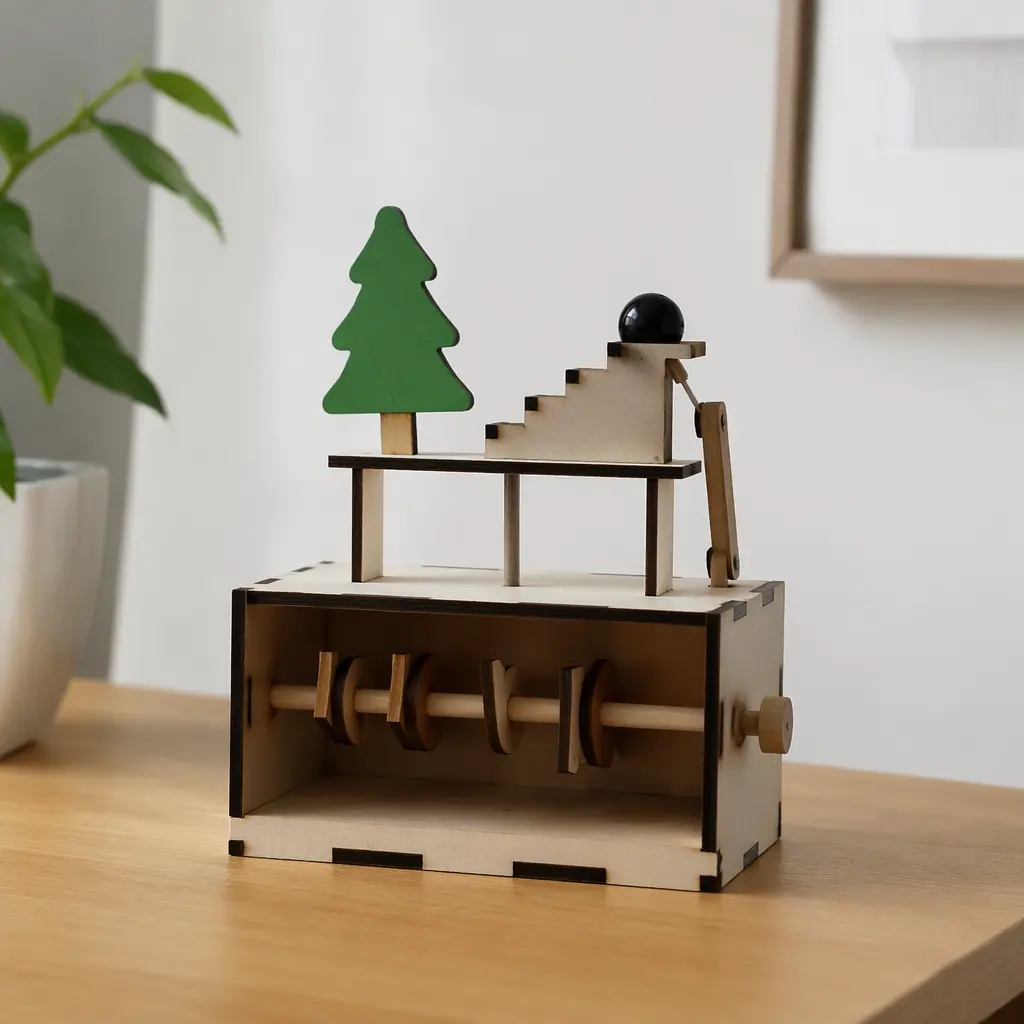
Certain categories of STEM kits consistently work well as weekend projects for beginners. These types focus on one core concept while still feeling hands-on and rewarding.
- Mechanical build kits: These focus on gears, levers, and motion, helping teens understand basic engineering principles.
- Intro electronics kits: Simple circuits, switches, and LEDs teach how electricity flows without advanced math.
- Beginner coding kits: Often paired with a small device or simulator, these introduce logic and sequencing through visual or entry-level text coding.
- Robotics basics kits: Simplified robots that move or react using preconfigured parts are popular and motivating.
- Renewable energy kits: Projects involving solar panels or wind-powered components connect science to real-world applications.
Frequently asked questions
Do these kits require prior STEM experience?
Most beginner STEM kits are designed for first-time builders. They usually explain concepts from the ground up, making them suitable for teens without previous coding or engineering experience.
Will a weekend be enough time to finish?
Many beginner kits are intentionally scoped for 4 to 8 hours of build time. This makes them realistic weekend projects, though some teens may choose to spread the work out or revisit the build later.
Do these kits need a computer or tablet?
Some kits are fully self-contained, while others use a computer or tablet for programming or instructions. Checking device requirements ahead of time helps avoid setup delays.
What skills do teens actually learn?
Depending on the kit, teens may learn problem-solving, basic coding logic, mechanical reasoning, or electronics fundamentals. Many also build patience and confidence through hands-on troubleshooting.
Are these kits reusable after the first build?
Many beginner STEM kits are designed to be taken apart and rebuilt. Reusability is a plus, especially for teens who enjoy experimenting or improving on the original design.
A well-chosen beginner STEM kit can turn a free weekend into a meaningful learning experience. By focusing on clear instructions, realistic build times, and age-appropriate challenges, parents can find options that keep teens engaged while teaching practical skills they can build on in school and beyond.