Beginner Robotics Toys Teens Can Build Without Coding
A parent-friendly guide to entry-level robotics kits for teens that focus on mechanics first. Learn what to look for, age fit, and types that teach motion, gears, and systems—no coding required.
Compare prices and availability
Check current prices and availability for this guide on eBay.
As an eBay Partner, we may be compensated if you make a purchase.
Robotics can feel intimidating for teens who haven’t coded before. The good news is that many beginner robotics toys focus on mechanics—how parts move, connect, and work together—before introducing software. These kits let teens build confidence with hands-on construction, learning principles like balance, torque, and simple machines. For parents, they’re a practical way to support STEM learning without requiring prior programming knowledge or a computer at every step.
What to look for
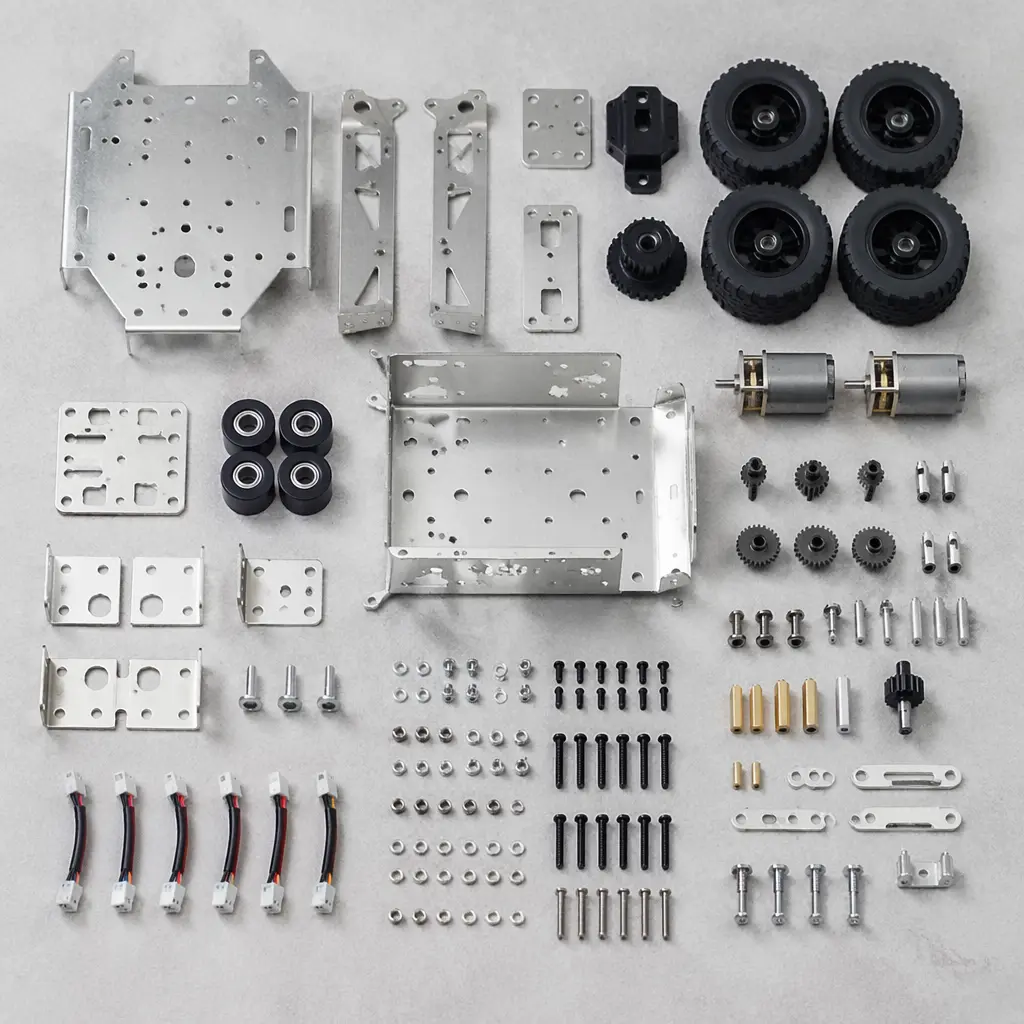
When choosing a no-coding robotics kit for teens, focus on how clearly it teaches mechanical concepts and how approachable the build process feels. The goal is learning through doing, not rushing to an app or screen.
- Mechanical focus: Look for gears, levers, axles, linkages, or pulleys that demonstrate how motion is transferred.
- Step-by-step instructions: Clear diagrams and labeled parts help teens work independently and reduce frustration.
- Tool requirements: Some kits include tools; others need basic household tools. Check this ahead of time.
- Durability and reusability: Sturdy parts that can be rebuilt into different forms extend learning value.
- Optional electronics: Simple motors, battery packs, or switches are fine, as long as they don’t require programming to function.
Age suitability
For ages 13 and up, teens generally have the patience and fine-motor skills needed for multi-step builds with small fasteners. Kits in this range often assume the builder can follow diagrams, troubleshoot misaligned parts, and understand cause-and-effect relationships. Even without coding, some mechanical concepts can be advanced, so it’s helpful if instructions offer explanations, not just assembly steps. Teens who enjoy model building, engineering classes, or hands-on science projects usually adapt quickly.
Standout categories or types
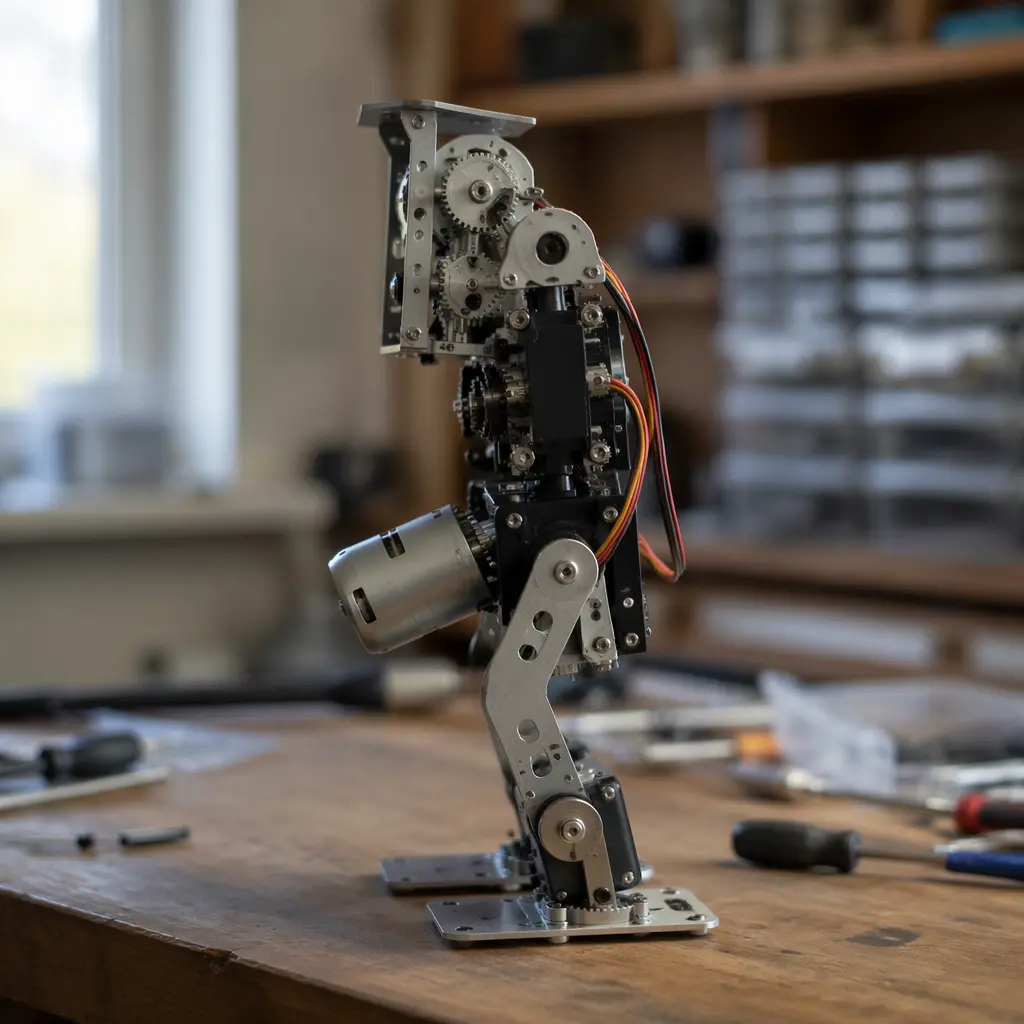
Beginner robotics toys without coding usually fall into a few clear categories, each emphasizing a different mechanical lesson. Understanding these types can help match a kit to your teen’s interests.
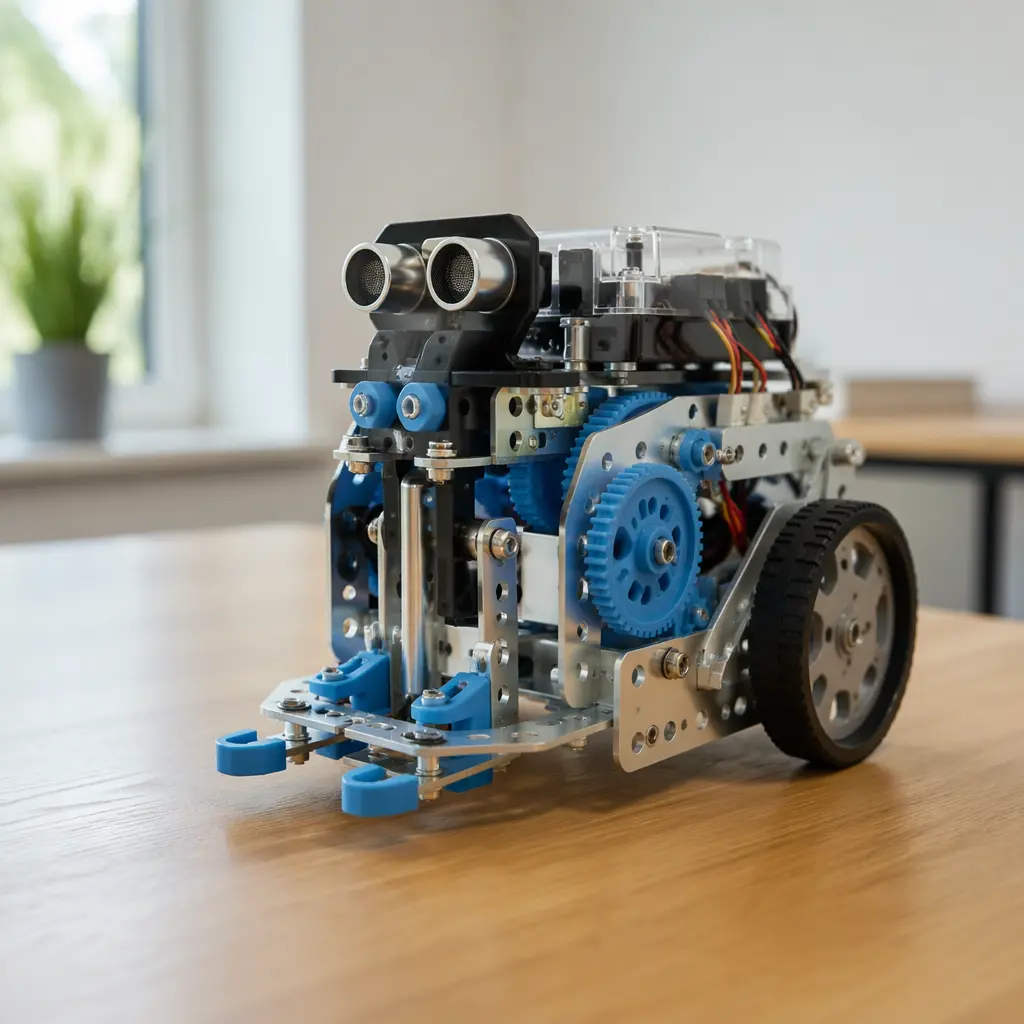
- Mechanical walkers and crawlers: These use cams, linkages, or offset gears to create lifelike movement, teaching motion and balance.
- Vehicle-style robots: Wheeled builds highlight steering, gear ratios, and traction, often powered by simple motors and switches.
- Arm and gripper models: Focused on levers and joints, these teach how force and reach change with design choices.
- Modular construction systems: Interchangeable beams, plates, and connectors allow teens to design and redesign structures freely.
- Renewable or manual power builds: Some kits use hand cranks, springs, or basic solar components to show energy transfer without software.
Frequently asked questions
Do these kits really teach robotics without any coding?
Yes. Robotics isn’t only about programming. Mechanical-first kits teach the physical foundations of robots—structure, movement, and power. Teens learn how design choices affect performance, which makes later coding-based robotics easier to understand.
Will my teen get bored without software or apps?
Many teens enjoy the challenge of building and refining a physical system. Kits with multiple build options or open-ended designs tend to hold attention longer. For some learners, hands-on problem solving is more engaging than screen-based activities.
Are these suitable for classrooms or homeschool use?
Mechanical robotics kits are often well-suited for group learning. They encourage collaboration, discussion, and trial-and-error. Because they don’t rely on computers or accounts, they’re easier to manage in shared learning environments.
What comes after a no-coding robotics kit?
After mastering mechanical basics, many teens transition smoothly to entry-level coding kits or microcontroller projects. Having a strong understanding of how a robot moves and is built can make programming concepts feel more concrete and less abstract.
Beginner robotics toys that skip coding offer a low-pressure, hands-on entry into engineering for teens. By focusing on mechanics first, these kits build real-world understanding and confidence. For parents, they’re a practical way to support STEM curiosity while letting teens learn at their own pace—one bolt, gear, and moving part at a time.