STEM Toys for Teens That Feel Like Real Tools
A buyer’s guide to STEM kits for teens that mirror real engineering tools. Learn what to look for, age fit, safety notes, and the standout categories that build practical skills.

Compare prices and availability
Check current prices and availability for this guide on eBay.
As an eBay Partner, we may be compensated if you make a purchase.
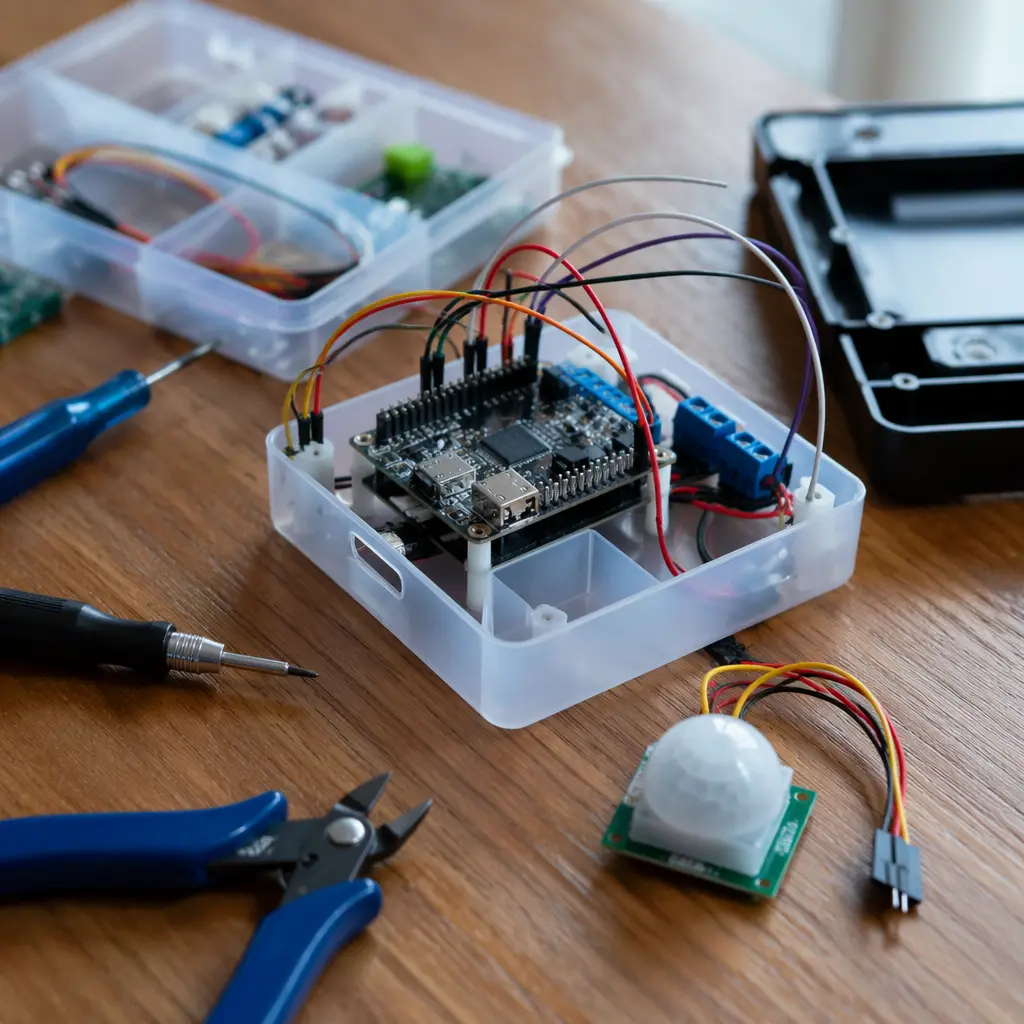
For teens, the most engaging STEM toys are often the ones that stop feeling like toys at all. Gadget-style kits that mirror real engineering tools can spark deeper interest because they show how science and technology work outside the classroom. These sets tend to focus on hands-on problem solving, open-ended building, and tools that resemble what professionals actually use. This guide breaks down what parents should know when choosing STEM toys for teens that feel practical, challenging, and relevant to real-world skills.
What to look for
STEM kits aimed at teens should balance realism with approachability. The goal is to introduce authentic tools and concepts without overwhelming learners who are still building confidence. Packaging may look flashy, but the real value is in how the kit supports experimentation and learning over time.
- Realistic components, such as actual tools, sensors, or materials used in industry
- Clear but not overbearing instructions that encourage independent thinking
- Open-ended projects that allow modifications rather than a single fixed outcome
- Durable materials that can handle repeated use and mistakes
- Skill progression, so challenges grow more complex instead of stopping at one build
Age suitability
For ages 13 and up, teens are typically ready for more abstract thinking, troubleshooting, and multi-step projects. Many gadget-style STEM kits assume basic math skills and the ability to follow detailed diagrams or code examples. Parents should check whether the kit expects prior experience or starts with fundamentals. A good fit challenges teens without causing frustration, and allows them to work independently while still offering opportunities for collaboration or adult support if needed.

Standout categories or types
Not all STEM toys approach realism in the same way. Some focus on replicating professional tools, while others simulate real workflows or problem-solving environments. Understanding these categories can help narrow down what will resonate most with a teen’s interests.
- Electronics and circuitry kits that use real components and introduce diagnostic thinking
- Mechanical and engineering sets that involve measuring, fastening, and structural design
- Coding and robotics platforms that mirror how software controls hardware
- Science lab-style kits that emphasize data collection, testing, and analysis
- Maker kits that combine multiple disciplines, such as design, electronics, and programming
Teens who enjoy taking things apart or understanding how systems work often gravitate toward kits that let them iterate and improve designs. Those interested in future careers may especially value tools and processes that resemble what professionals use, even at a simplified level.
Frequently asked questions
Do these STEM toys replace traditional learning?
They are best seen as a supplement rather than a replacement. Gadget-style STEM kits reinforce concepts learned in school by showing how they apply in real situations, which can deepen understanding and motivation.
Are realistic tools too advanced for beginners?
Many kits are designed to introduce real tools gradually. Look for sets that explain not just how to use a tool, but why it works, and that offer beginner-friendly projects before moving to harder challenges.
How much adult involvement is required?
Most teens can work independently once they understand the basics. Adults may be needed at the start for safety guidance or troubleshooting, but strong kits are designed to encourage self-directed learning.
What skills do teens gain from these kits?
Beyond technical knowledge, teens practice problem solving, patience, critical thinking, and project planning. These transferable skills are useful across many academic and career paths.
Are these toys suitable for group use?
Many gadget-style STEM kits work well for small groups or clubs, especially those with modular projects. Sharing tools and collaborating on builds can add a social dimension to learning.
STEM toys that feel like real tools can help teens see themselves as capable builders, engineers, and problem solvers. By focusing on realism, flexibility, and age-appropriate challenge, parents can choose kits that support curiosity today while building skills that last well beyond the project itself.