Are Electronic STEM Kits Safe for Younger Teens?
A parent-focused guide to the safety, supervision needs, and learning value of first electronics kits for teens ages 13+. Learn what to look for, age fit, and common questions before buying.
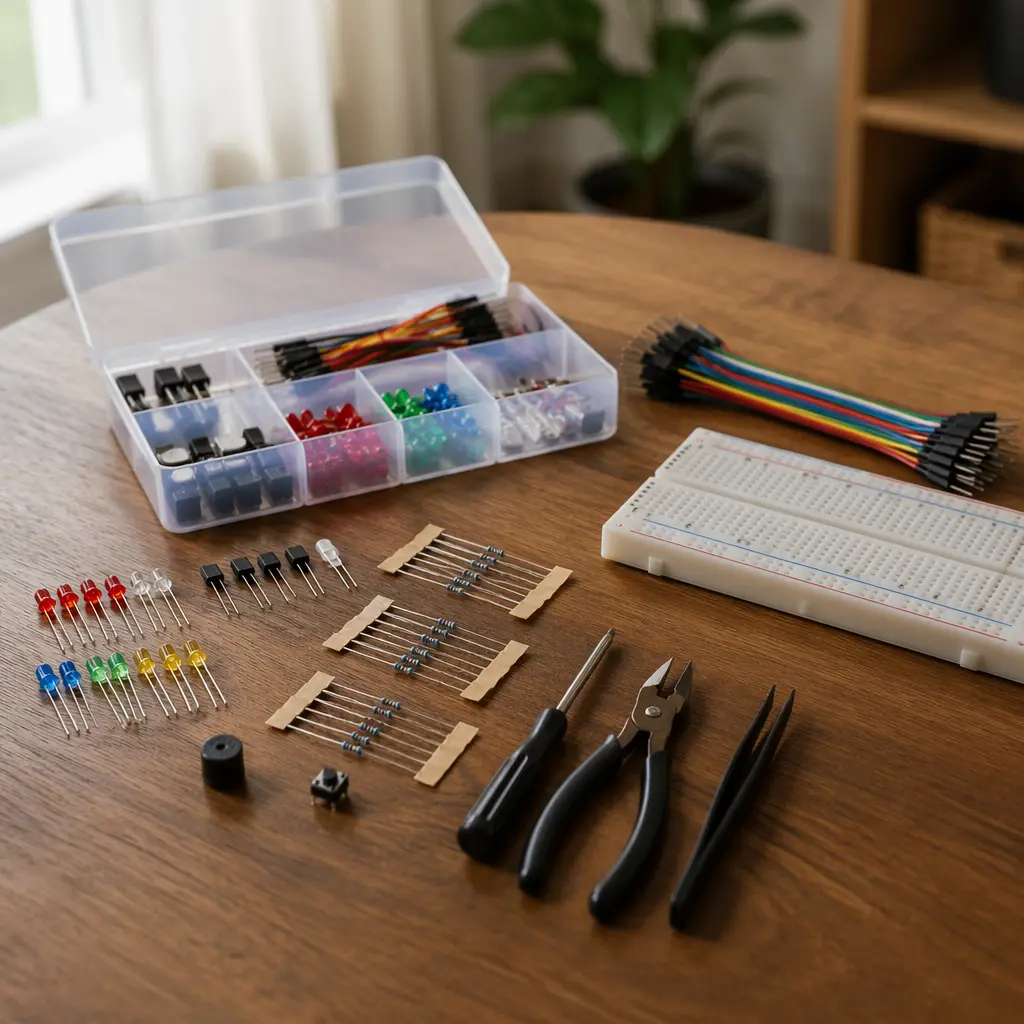
Compare prices and availability
Check current prices and availability for this guide on eBay.
As an eBay Partner, we may be compensated if you make a purchase.
Electronic STEM kits are often a first step into hands-on engineering for younger teens. They can teach how circuits work, build problem-solving skills, and introduce safe tool use. At the same time, parents naturally wonder about electrical safety, small parts, and whether these kits are truly age-appropriate. This guide breaks down what matters most so you can judge whether an electronics kit is a good fit for a teen around 13 and up.
What to look for
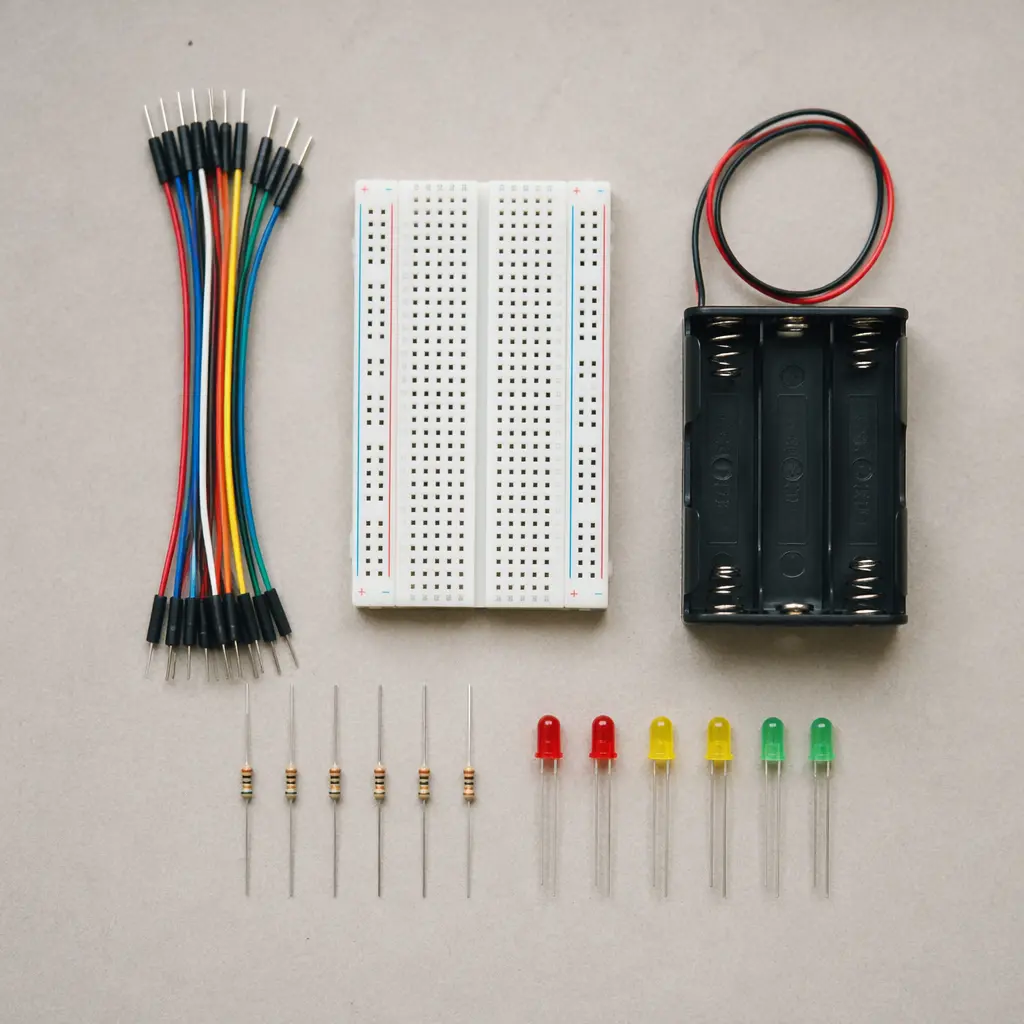
Not all electronics kits are built with younger teens in mind. Safety, clarity, and learning progression should come before flashy features. A well-designed kit makes it hard to misuse components while still encouraging experimentation.
- Low-voltage power sources, such as AA batteries or USB power banks, rather than wall outlets
- Clear, step-by-step instructions that explain why a circuit works, not just how to assemble it
- Sturdy components that can handle repeated plugging and unplugging
- Protective features like current-limiting resistors or enclosed battery holders
- A logical skill progression from simple circuits to more complex builds
Age suitability
For teens ages 13 and up, most entry-level electronics kits are designed to be safe when used as intended. At this age, kids typically have the fine motor skills to handle small components and the attention span to follow multi-step instructions. What varies most is prior experience. A teen with no background may benefit from a kit that starts with very basic concepts, while a more experienced learner may want open-ended projects that allow for trial and error.
Standout categories or types
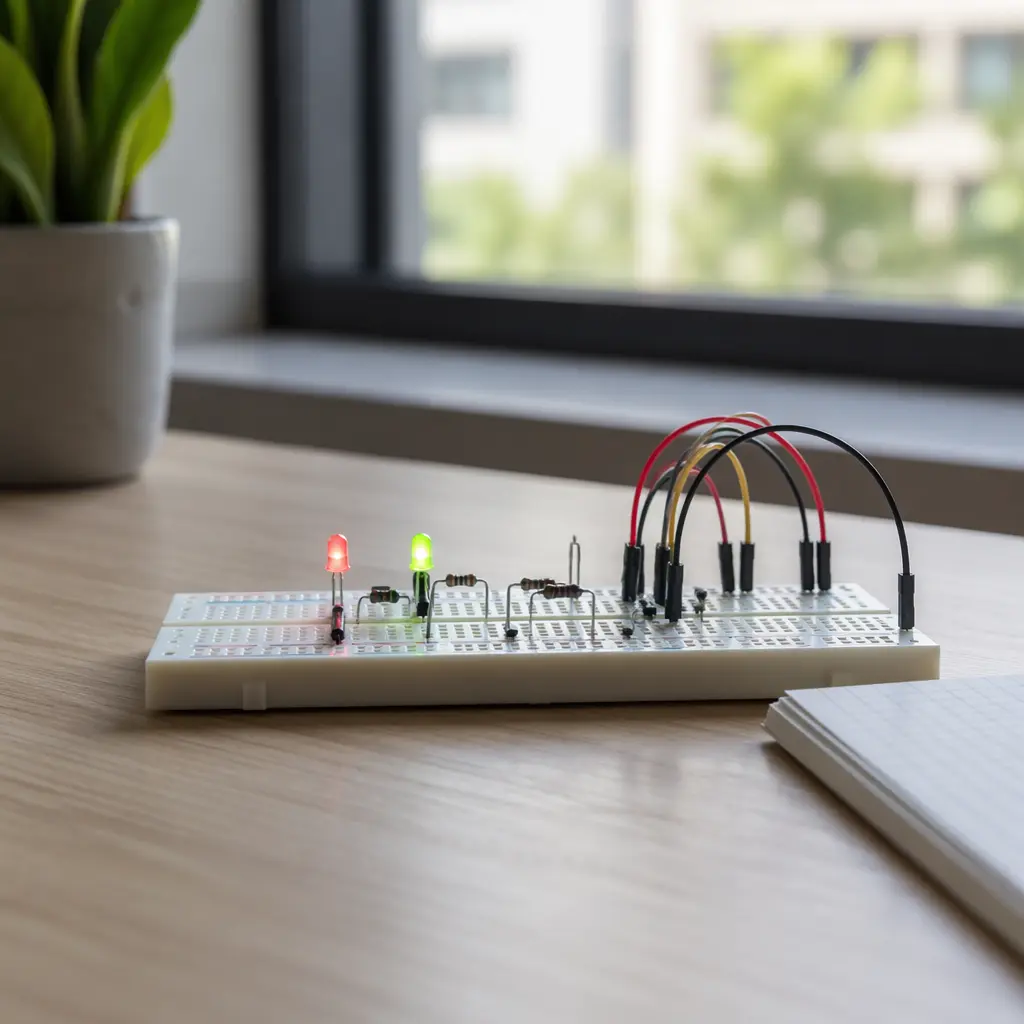
Electronic STEM kits for younger teens generally fall into a few broad categories. Each type emphasizes different skills, so the best choice depends on learning goals rather than age alone.
- Circuit-building kits that focus on fundamentals like current, resistance, and polarity
- Coding-and-electronics hybrids that pair simple programming with physical components
- Project-based kits that guide teens through building alarms, sensors, or basic robots
- Open-ended component sets that encourage independent experimentation after core lessons
For safety-conscious families, kits that begin with structured projects and then move toward open exploration often strike a good balance. Teens learn safe habits early and gain confidence before branching out on their own.
Frequently asked questions
Can these kits cause electric shock?
Most beginner electronics kits for teens use very low voltages that are not capable of causing electric shock when used correctly. The primary risks are incorrect wiring that stops a project from working, not personal injury.
Are small parts a concern for this age group?
Small components are common, but they are generally considered appropriate for teens 13 and up. The main concern is organization and storage rather than choking risk, which is more relevant for younger children.
Do teens need prior experience to start?
No prior experience is usually required. Beginner kits are designed to teach concepts from the ground up. Teens who enjoy science or building often adapt quickly, especially when instructions are clear.
How much supervision is appropriate?
Initial supervision helps ensure safe setup and tool use. Once a teen understands the basics, many can work independently, checking in only when troubleshooting or moving to more advanced projects.
Electronic STEM kits can be a safe and rewarding learning tool for younger teens when chosen thoughtfully. By focusing on low-voltage designs, clear instructions, and age-appropriate challenges, parents can support curiosity while minimizing risk. The right kit doesn’t just teach electronics—it builds confidence and problem-solving skills that carry over into school and beyond.